Centro médico Sourasky
Israel, Tel Aviv
Shlomi Constantini
42 años de experiencia

acreditaciones : 
Clínica certificada por : 





Revisado médicamente por
Fahad Mawlood
| Israel | España | Turquía | |
|---|---|---|---|
| Craneotomía | de $22,000 | de $32,400 | de $8,900 |
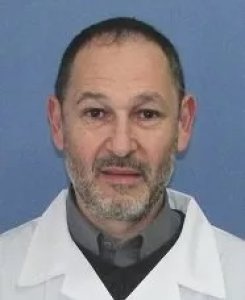
El Prof. Zvi Cohen es director del Departamento de Neurocirugía y de la Unidad de Neurooncología del Centro Médico Sheba. Neurocirujano y experto en neurooncología, fue incluido en la lista de los Mejores Médicos 2025 de Forbes Israel. Lidera investigación clínica sobre terapias farmacológicas para tumores cerebrales malignos y fundó el banco de tejidos de tumores cerebrales de Sheba.
Es especialista certificado en neurocirugía. Se formó en la Universidad de Tel Aviv y realizó subespec
Shlomi Constantini es un neurólogo destacado en Israel, especializado en neurocirugía pediátrica y en el tratamiento de trastornos congénitos y neonatales en tumores cerebrales infantiles.

El Dr. Margalit Navo dirige el Departamento de Neurocirugía del Centro Médico Sourasky (Ichilov), una unidad de neurocirugía líder en Israel. Se especializa en cirugías mínimamente invasivas de la base del cráneo.

El Dr. Samuel Moscovici se especializa en afecciones neuroquirúrgicas complejas en el Hadassah Medical Center, uno de los hospitales líderes de Israel.

Escrito por Veronika Kazina
 Olena Sikoza
Los tratamientos principales para el síndrome de Arnold-Chiari en Israel se centran en la descompresión quirúrgica para aliviar la presión del tronco encefálico. Los especialistas utilizan la craneotomía y la descompresión de la fosa posterior para restaurar el flujo normal de líquido. Los centros acreditados por la JCI en Tel Aviv y Jerusalén emplean resonancia magnética intraoperatoria y navegación para una alta precisión.
Perspectiva del experto de Bookimed: La neurocirugía israelí destaca porque los mejores especialistas a menudo poseen certificaciones internacionales dobles y cargos académicos. Por ejemplo, el Dr. Zvi Cohen en el Sheba Medical Center dirige una unidad de neurooncología especializada mientras realiza craneotomías complejas. Esta superposición académico-clínica significa que los pacientes acce
Israel cuenta con neurocirujanos reconocidos mundialmente especializados en la malformación de Chiari en centros acreditados por la JCI. El Prof. Shlomi Constantini en el Sourasky Medical Center y el Prof. Zvi Cohen en el Sheba Medical Center lideran el campo. Estos expertos utilizan resonancia magnética intraoperatoria y neuromonitoreo para garantizar una descompresión segura y precisa en casos adultos y pediátricos.
Perspectiva del experto de Bookimed: Aunque muchos buscan especialistas específicos en Chiari, nuestros datos muestran que estos médicos a menudo también son destacados neurooncólogos. El Prof. Zvi Cohen en el Sheba Medical Center es un excelente ejemplo. Su experiencia con resecciones tumorales complejas se traduce en una alta precisión para los procedimientos de descompresión de Chiari. Elegir a un cirujano de nivel directivo garantiza el acceso a un equipo multidi
Los neurocirujanos israelíes utilizan resonancia magnética (RM) de 3T con estudios de flujo de LCR para planificar la descompresión de Arnold Chiari. Las herramientas intraoperatorias incluyen sistemas de navegación y RM intraoperatoria (iRM) para verificar el éxito de la descompresión. Estas tecnologías garantizan una precisión milimétrica. Ayudan a los médicos a evitar vías críticas de materia blanca durante los procedimientos de craneotomía.
Perspectiva de expertos de Bookimed: Los centros israelíes como el Sheba Medical Center integran la RM intraoperatoria directamente en la sala neuroquirúrgica. Esto es crucial para los casos de Chiari porque permite al profesor Dr. Zvi Cohen confirmar que el cerebro está completamente descomprimido antes de cerrar. Elegir una clínica con iRM puede
La descompresión de Chiari en Israel alcanza tasas de éxito de entre el 95% y el 98% en el alivio de los síntomas. Las clínicas utilizan resonancia magnética intraoperatoria y tomografía computarizada de 256 cortes para una planificación quirúrgica precisa. Los resultados suelen incluir la resolución total de los dolores de cabeza relacionados con el esfuerzo. Los neurocirujanos israelíes informan de una regresión significativa de la siringomielia en muchos casos.
Perspectiva del experto de Bookimed: Centros israelíes como el Sheba Medical Center integran períodos de recuperación extendidos en sus planes de tratamiento. Nuestros datos muestran que los paquetes a menudo incluyen 7 días de hospitalización y 10 días de hotel. Esta ventana de observación de 17 días es más larga que el estándar de alta de 2 a 7 días. Este tiempo adicional permite a los n
El tratamiento de Arnold-Chiari en Israel suele requerir una estancia hospitalaria de 3 a 7 días tras una cirugía de descompresión o craneotomía. Los pacientes generalmente logran una recuperación funcional completa en un plazo de 6 a 12 meses. La mayoría de las personas retoman actividades ligeras y trabajo de oficina entre 6 y 8 semanas después de la operación.
Perspectiva de expertos de Bookimed: Los paquetes de neurocirugía israelíes a menudo incluyen una estancia prolongada por seguridad. Por ejemplo, el Sheba Medical Center combina 7 días de hospitalización con 10 días en un hotel local. Esto permite a cirujanos como el Dr. Zvi Cohen monitorear el progreso neurológico antes de que los pacientes vuelen a casa. Este margen es vital porque la fatiga neurológica a menudo alcanza su punto máximo 2 semanas después del alta.
Consenso de los pacientes: Las personas señalan que las primera
Los centros neuroquirúrgicos israelíes ofrecen a los pacientes internacionales la extirpación endoscópica mínimamente invasiva y la resección guiada por imagen para el síndrome de Arnold-Chiari. Estos enfoques avanzados minimizan el trauma tisular. Los cirujanos utilizan navegación por resonancia magnética intraoperatoria y estereotaxia sin marco para mayor precisión. Estos métodos priorizan incisiones más pequeñas y tiempos de curación más rápidos.
Perspectiva del experto de Bookimed: Centros israelíes como Sheba y Sourasky se diferencian por su especialización de alto volumen en casos complejos de base de cráneo. El profesor Zvi Cohen en Sheba utilizó resonancia magnética intraoperatoria para mejorar la precisión quirúrgica y obtener mejores resultados en neurooncología. Esta misma tecnología
La cirugía de Arnold-Chiari tiene como objetivo detener la progresión de la enfermedad en lugar de revertir el daño existente. Aunque la descompresión alivia la presión, la pérdida de función nerviosa o las cicatrices en la médula espinal a menudo permanecen. La intervención temprana es vital. Operar dentro de las 24 horas posteriores a cambios agudos mejora significativamente los resultados a largo plazo para los pacientes.
Perspectiva del experto de Bookimed: Los neurocirujanos israelíes como el Dr. Zvi Cohen en el Centro Médico Sheba utilizan resonancia magnética intraoperatoria para garantizar la máxima descompresión. Los datos sugieren que las clínicas con altos volúmenes quirúrgicos, como Sourasky, que realiza 34,000 cirugías al año, ofrecen una mejor estabilización. Los pacientes deben priorizar los centros con departamentos de neurorrehabilitación es
Israel es un centro líder en neurocirugía gracias a su combinación de avances médicos de alta tecnología y una experiencia quirúrgica de primer nivel. Instalaciones avanzadas como el Centro Médico Sheba utilizan sistemas de navegación basados en IA y resonancia magnética intraoperatoria en tiempo real. Centros especializados reportan una tasa de éxito del 98% en procedimientos complejos, como la craneotomía con el paciente despierto y el tratamiento de trastornos del movimiento.
Opinión experta de Bookimed: Los datos muestran una clara diferencia entre las opciones de tratamiento públicas y privadas en Israel. Centros privados, como el Centro Médico Assuta, realizan más de 92.000 cirugías al año y permiten a los pacientes elegir a un cirujano líder específico. Esto supone una ventaja signi
Los neurocirujanos israelíes tratan una amplia gama de afecciones, desde tumores cerebrales y de médula espinal hasta trastornos funcionales complejos. Los centros especializados utilizan tecnologías de vanguardia, como el bisturí de rayos gamma, la estimulación cerebral profunda y la resonancia magnética intraoperatoria, para un diagnóstico altamente preciso de la epilepsia, la enfermedad de Parkinson y las patologías cerebrovasculares.
Opinión experta de Bookimed: Los hospitales israelíes suelen combinar diversas especialidades para abordar casos complejos. En el Centro Médico Sourasky, neurocirujanos como el Dr. Zvi Lidar combinan neurocirugía y ortopedi
Israel alberga centros neuroquirúrgicos de renombre mundial, como el Centro Médico Sourasky, el Centro Médico Sheba y el Centro Médico Hadassah. Estas instituciones son líderes mundiales en el tratamiento de tumores cerebrales complejos, enfermedades de la columna vertebral y trastornos del movimiento. Utilizan tecnologías de vanguardia como el bisturí de rayos gamma, sistemas robóticos y resonancia magnética intraoperatoria.
Opinión experta de Bookimed: Nuestros datos muestran que, si bien la mayoría de los pacientes buscan tratamiento en Tel Aviv, el Centro Médico Rambam en Haifa ofrece una atención única para neurotraumatismos. Cuenta con una unidad especializada en cuidados neurocríticos que atiende a aproximadamente un milló