Ir a inicio

Cómo funciona

Hemos transformado el proceso de búsqueda de clínicas, haciéndolo simple, rápido y personalizado.
Responda algunas preguntasComplete un breve formulario para contarnos sobre su estado de salud y necesidades médicas.
Obtenga ofertas personalizadas3 clínicas seleccionadas especialmente según sus respuestas le proporcionan planes de tratamiento personalizados y presupuestos.
Elija la mejor opciónCompare ofertas y elija la clínica que más le convenga.
También puede consultar las 7 clínicas a continuación.
820К+ pacientes han recibido asistencia desde 2014
50 países
1,500 clínicas
6K+ reseñas
3K+ médicos calificados

¿Cuál es el precio del diagnóstico y los tratamientos de Síndrome de Arnold-Chiari en España? Descubra ahora

El precio promedio del diagnóstico y tratamiento de Síndrome de Arnold-Chiari en España es de $48,996, el precio mínimo es de $46,114, y el precio máximo es de $51,878.
Datos verificados por Bookimed a partir de June 2026, basados en solicitudes de pacientes y cotizaciones oficiales de 88 clínicas en todo el mundo. Los costos medianos se basan en facturas reales (2025–2026) y se actualizan mensualmente. Los precios reales pueden variar.

Descubra las mejores clínicas de tratamiento de Síndrome de Arnold-Chiari en España: 7 opciones verificadas y Precios

El ranking de clínicas de Bookimed se basa en algoritmos de data science, ofreciendo una comparación confiable, transparente y objetiva. Tiene en cuenta la demanda de pacientes, las puntuaciones de reseñas (positivas y negativas), la frecuencia de actualización de opciones de tratamiento y precios, la rapidez de respuesta y las certificaciones de las clínicas.
Centro Médico Teknon
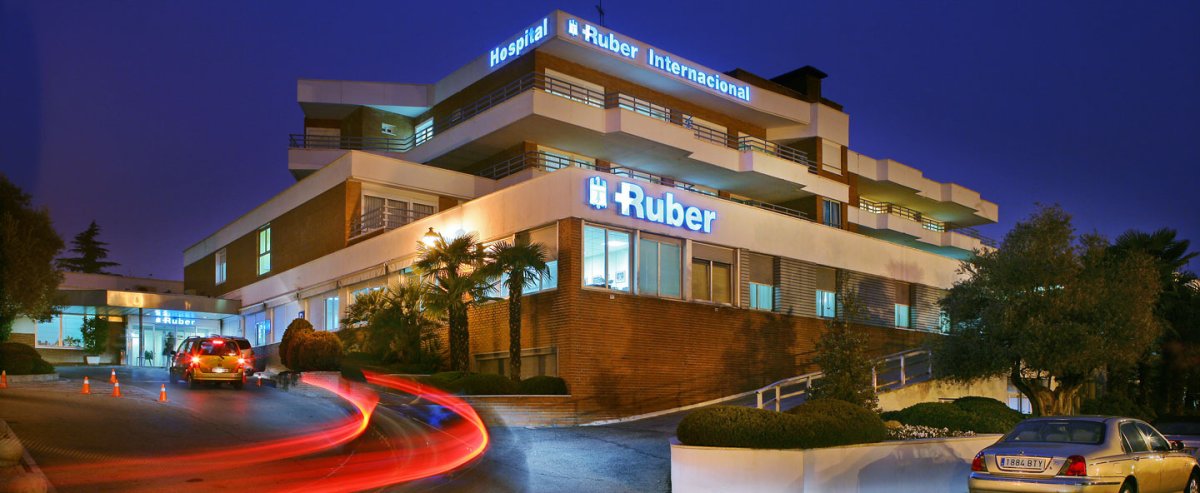
Hospital Ruber Internacional
4.5
Precio a consultar
Más información
Hospital Sant Joan de Déu Barcelona
4.744 reseñas
Precio a consultar
Más información
Quironsalud Madrid
3.86 reseñas
Precio a consultar
Más información
Hospital Universitario HM Madrid
4.717 reseñas
Precio a consultar
Más información

Obtenga una evaluación médica para Síndrome de Arnold-Chiari en España: consulte con doctores experimentados ahora

Ver todos los médicos
verificado

Bartolome Oliver

50 años de experiencia • 280+ tratamientos realizados

Más de 5.000 cirugías neurológicas realizadas: el Dr. Oliver codirige la Unidad de Chiari e Hipermovilidad Craneocervical del Centro Médico Teknon.

  • Más de 40 años de especialización en neurocirugía mínimamente invasiva
  • Pionero en cirugía robótica de columna y técnicas endoscópicas
  • Presidente de la European Skull Base Society
  • Formado en instituciones de primer nivel como el Instituto Karolinska y el Instituto Neurológico de Montreal
verificado

Gerardo Conesa Bertran

41 años de experiencia

El Dr. Conesa lidera uno de los equipos neuroquirúrgicos más avanzados de Europa, especializado en el síndrome de Arnold Chiari en el Centro Médico Teknon.

  • Más de 40 años de experiencia neuroquirúrgica
  • Realización de más de 900 tratamientos quirúrgicos para patologías complejas
  • Formación internacional en los mejores hospitales de EE. UU. y Francia
  • Director del Instituto de Neurocirugía del Centro Médico Teknon
  • Miembro de las sociedades neuroquirúrgicas europea y española
verificado

Javier Herrero Jover

46 años de experiencia • 10000+ tratamientos realizados

Cirujano plástico pionero con más de 30 años de experiencia, el Dr. Herrero Jover dirige su propia unidad en el prestigioso Centro Médico Teknon. Integra la planificación virtual 3D para procedimientos altamente personalizados.

  • Reconocido internacionalmente por rinoplastia primaria y de revisión
  • Fundador de una empresa tecnológica especializada en simulación quirúrgica 3D
  • Formación de posgrado (Fellowship) en centros de renombre mundial, incluida la clínica de Pitanguy
  • Autor de más de 150 publicaciones científicas
  • Ex presidente del congreso global CARS sobre tecnología quirúrgica
verificado

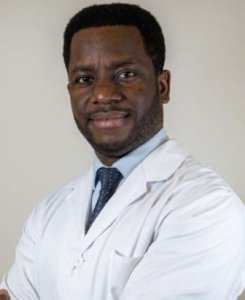
Roberto Martínez Álvarez

42 años de experiencia

Jefe de Neurocirugía Funcional del Hospital Ruber Internacional desde 2005 – El Dr. Martínez Álvarez se especializa en afecciones neurológicas complejas.

  • Más de 30 años de experiencia en neurocirugía y radiocirugía
  • Autor de más de 180 publicaciones en revistas médicas
  • Profesor Honorario de la Universidad Autónoma de Madrid
  • Miembro de la Sociedad Internacional de Radiocirugía Estereotáctica
  • Realizar investigaciones en hospitales de primer nivel de Francia, Suecia y el Reino Unido
Мухлиса • Síndrome de Arnold-Chiari
Uzbekistán
15 oct 2021
Reseña verificada.
Gracias por la ayuda y por la rápida respuesta
Gracias por tu ayuda y pronta respuesta
Acerca del servicio de Bookimed
si mucho

Compartir contenido

Historias en video de pacientes de Bookimed

Dayana
Combiné mis vacaciones en Antalya con un chequeo médico.
Procedimiento: Chequeo femenino
Igor
¡Fue genial! Traslados, alojamiento, tratamiento, todo incluido.
Procedimiento: Implante dental
Clínica: WestDent Clinic
Marina
Bookimed se encargó de todo. No tuve que preocuparme por nada.
Procedimiento: Chequeo femenino
Actualizado: 10/15/2021
Escrito por
Olena Sikoza
Olena Sikoza
Сopywriter en español
Copywriter médica certificada responsable del contenido en español de Bookimed. Más de 7 años de experiencia en redacción sobre salud y turismo médico, con formación académica en edición científica y desarrollo de contenidos.
Fahad Mawlood
Editor médico y Científico de datos
Médico general. Ganador de 4 premios científicos. Sirvió en Asia Occidental. Es el ex jefe del equipo médico que soporta a pacientes de habla árabe. Ahora es responsable del procesamiento de datos y la precisión del contenido médico.
Fahad Mawlood Linkedin
Esta página puede incluir información relacionada con diversas afecciones médicas, tratamientos y servicios de salud disponibles en diferentes países. Tenga en cuenta que el contenido se proporciona sólo con fines informativos y no debe interpretarse como asesoramiento médico o orientación. Por favor consulte con su médico o con un profesional médico calificado antes de comenzar o cambiar el tratamiento médico.

Preguntas frecuentes sobre el tratamiento de Síndrome de Arnold-Chiari en España

Estas preguntas frecuentes provienen de pacientes reales que buscan atención médica a través de Bookimed. Las respuestas son proporcionadas por coordinadores médicos experimentados y representantes autorizados de las clínicas.

What surgical approaches for Arnold Chiari syndrome are available in Spain?

Spanish neurosurgical centers offer posterior fossa decompression alongside minimally invasive filum terminale sectioning. Specialized facilities in Barcelona and Madrid perform craniectomies and laminectomies using intraoperative MRI. Advanced microsurgical and endoscopic skull base techniques are also available for complex craniocervical cases.

  • Posterior fossa decompression: Surgeons remove suboccipital bone to relieve pressure on the brainstem.
  • Surgical duraplasty: The brain's protective covering is enlarged using synthetic or autologous tissue.
  • Filum terminale section: A 45-minute minimally invasive sacral procedure addresses spinal cord traction.
  • Advanced diagnostics: Precise 3D surgical planning and CT imaging guide microsurgical brainstem interventions.

Bookimed Expert Insight: While many choose Barcelona for its high-volume centers, data shows specialized packages like those at Centro Médico Teknon include unique benefits. Their premium $59,250 package covers 4 hospital nights and advanced endoscopic techniques. This focus on microsurgical precision by doctors like Dr. Bartolomé Oliver explains the high demand for complex revisions in Spain.

Patient Consensus: Patients note it is vital to discuss the duraplasty technique with surgeons to avoid late complications. They often report that while skull-focused surgeries are standard, the minimally invasive sacral option provides a much faster initial recovery.

What is the Filum Terminale procedure, and why do patients travel to Spain for it?

The Filum Terminale procedure is a minimally invasive surgery that releases spinal cord tension by sectioning a thin ligament at the tailbone. Patients travel to Spain for this specialized protocol as an extradural alternative to major brain surgery for Arnold Chiari malformation.

  • Surgical approach: Cutting the non-neural thread releases downward traction on the central nervous system.
  • Minimally invasive: The procedure requires only a small incision near the base of the spine.
  • Risk profile: It avoids craniectomy risks by eliminating the need for brain or skull manipulation.
  • Specialized expertise: Spanish centers like Centro Médico Teknon focus on managing cerebrospinal fluid flow restoration.
  • Qualified surgeons: Specialists like Dr. Bartolome Oliver have over 40 years of neurosurgical experience.

Bookimed Expert Insight: Spain ranks second globally in our network for neurological requests. Our data shows clinics like Centro Médico Teknon handle 23,500 operations yearly. While the filum procedure is a distinct approach, these centers often combine it with advanced microsurgical and endoscopic skull base techniques. Patients should note that premium packages may cost approximately $59,250. This often includes intensive 4-day hospitalization and language support, which is critical for complex recovery monitoring.

Patient Consensus: Many note they sought this surgery in Spain after having their symptoms dismissed elsewhere. While some report significant relief from headaches and fatigue, others emphasize the importance of confirming if the issue is truly tethered cord syndrome before traveling.

How do Spanish hospitals decide between decompression surgery and the minimally invasive filum section?

Spanish hospitals choose between decompression and filum sectioning based on whether they view Chiari as a skeletal mismatch or spinal traction. Standard centers prioritize decompression to create space. Specialized institutes recommend filum sectioning if they detect abnormal pulling on the spinal cord ligament.

  • Diagnostic focus: Traditional departments treat small skull size forcing the brain downward.
  • Traction theory: Specialized centers attribute tonsillar descent to a tense filum terminale.
  • Imaging markers: Surgeons look for CSF blockage or brainstem compression for decompression.
  • Surgical scope: Decompression involves opening the skull while filum sectioning is extradural.

Bookimed Expert Insight: Spanish neurosurgery follows a regional split between Barcelona and Madrid methodology. Medical centers in Barcelona like Centro Médico Teknon or Hospital HM Nou Delfos often integrate advanced technologies like the Mazor Robotics Renaissance system for spine-related cases. Our data shows that while specialized nerve traction centers offer low-risk alternatives, high-volume academic hospitals in Madrid and Barcelona remain the primary choice for complex decompression cases requiring deep brainstem expertise.

Patient Consensus: Patients note that recommendations differ sharply between hospitals even when looking at the same MRI scans. Many emphasize the importance of asking if the surgery addresses skull crowding or spinal cord tension before deciding.

Which are the top hospitals and specialists for Chiari treatment in Spain?

Spain is a top destination for Arnold-Chiari treatment. Top centers include Centro Médico Teknon in Barcelona and Hospital Ruber Internacional in Madrid. Both are JCI-accredited. They specialize in posterior fossa decompression and minimally invasive neurosurgery. Leading specialists include Prof. Dr. Bartolomé Oliver and Dr. Gerardo Conesa Bertrán.

  • Specialized units: Teknon houses a dedicated Chiari and Craniocervical Hypermobility Unit for complex cases.
  • Expert neurosurgeons: Prof. Dr. Bartolomé Oliver has performed over 280 specialized cranial and spinal procedures.
  • Pediatric care: SJD Barcelona Children’s Hospital is a premier European center for pediatric Chiari repair.
  • Advanced technology: Facilities like Hospital HM Nou Delfos use EOS ultra-high-precision musculoskeletal imaging.

Bookimed Expert Insight: While many patients focus on decompression, Spain's top units prioritize multi-disciplinary care. For example, Centro Médico Teknon combines neurosurgery with specialized craniocervical hypermobility expertise. This is vital because Chiari often coexists with instability. Our data shows Teknon serves 10,000 patients annually. They even provided medical services for the 2024 America’s Cup. This high volume often correlates with better outcomes in complex cranial surgeries.

Patient Consensus: Patients note it is vital to choose a surgeon who performs many decompressions annually. They emphasize bringing all imaging, as symptoms like headaches and balance issues often matter more than MRI findings alone.

What is the expected recovery time after surgery in Spain?

Recovery after neurosurgery for Arnold Chiari syndrome in Spain typically includes a 4-day hospital stay followed by 13 days of local monitoring. Patients usually return to basic daily activities within 2 to 6 weeks. Full functional recovery and stamina restoration often take several months.

  • Hospital duration: Surgical packages include 4 days of inpatient care for neurological monitoring.
  • Mandatory local stay: International patients must remain in Spain for 13 days post-discharge.
  • Initial healing: Most patients recover basic self-care abilities within the first 2 weeks.
  • Activity restrictions: Strenuous movements and heavy lifting are avoided for at least 6 weeks.

Bookimed Expert Insight: While a 4-day hospital stay is standard at clinics like Centro Médico Teknon, our data shows a strict 13-day hotel stay is required afterward. This nearly two-week monitoring window is longer than for most general surgeries. It ensures specialists like Dr. Bartolome Oliver can personally verify cerebrospinal fluid flow before you fly home.

Patient Consensus: Patients note that while the hospital stay is short, managing neck stiffness and lingering fatigue at home takes much longer. Many emphasize that physical surgery is the first step, but regaining full energy levels requires several months of patience.

Do Spanish medical teams provide assistance to international patients?

Spanish medical teams provide extensive assistance to international patients through dedicated departments within JCI-accredited hospital networks. Centers like Centro Médico Teknon and Hospital Ruber Internacional utilize multilingual teams. These teams manage medical coordination, language assistance, and digital diagnostic reviews for global patients.

  • Specialized departments: Dedicated units handle logistics, including medical interpreters and administrative coordination.
  • Advanced neurosurgery: Teams perform minimally invasive craniotomies using microsurgical and endoscopic skull base techniques.
  • Language support: Major hospitals offer 24/7 staff speaking English, French, Arabic, and Russian.
  • Remote coordination: Surgeons often review foreign MRI scans and reports before an in-person visit.

Bookimed Expert Insight: Analysis of clinical data shows that Spanish neurosurgical teams operate with high specialization; for example, Dr. Bartolome Oliver at Centro Médico Teknon co-founded a specific unit for Chiari syndrome. While many patients look for general international departments, the most successful outcomes often come from clinics that allow direct digital upload of imaging for preliminary review by the head neurosurgeon before travel.

Patient Consensus: Patients note it is important to organize all MRI scans and clinical notes before reaching out. Many emphasize that while clinics are extremely clean and professional, you should confirm post-operative telehealth follow-up plans to manage recovery once you return home.

Pedir una consulta gratis

Seleccione la mejor manera de contactarle