Síndrome de Arnold-Chiari en Corea del Sur: las 9 mejores clínicas para su tratamiento


Revisado médicamente por
Fahad Mawlood
¿Cuál es el precio del diagnóstico y los tratamientos de Síndrome de Arnold-Chiari en Corea del Sur? Descubra ahora
De $53
Costos típicos del tratamiento del síndrome de Arnold Chiari en la República de Corea
- Consulta con un neurocirujano: de $53
- TC de los senos paranasales: $150 – $400
- Craneotomía: de $20,000
Perspectiva de los expertos de Bookimed: Para afecciones neurológicas complejas, los hospitales universitarios multidisciplinarios ofrecen la mejor seguridad clínica. El Asan Medical Center, el más grande de Corea, realiza más de 65,000 operaciones al año con altas tasas de éxito. Los pacientes que buscan una seguridad avanzada deberían considerar el Seoul National University Bundang Hospital (SNUBH). Es el primer hospital digital de Corea y utiliza el sistema BESTcare específicamente para prevenir errores médicos durante neurocirugías de alto riesgo.
| Corea del Sur | España | Turquía | |
|---|---|---|---|
| Craneotomía | de $20,000 | de $32,500 | de $8,900 |
Sus beneficios y garantías con Bookimed
Precios directos
Bookimed no añade cargos extra a los precios de los tratamientos de Síndrome de Arnold-Chiari. Las tarifas proceden de las listas de precios oficiales de las clínicas. Pagará directamente en la clínica por su tratamiento a su llegada al país.
Sólo clínicas y médicos verificados
Bookimed está comprometido con su seguridad. Solo trabajamos con las clínicas que mantienen altos estándares internacionales en el tratamiento de Síndrome de Arnold-Chiari y cuentan con las licencias necesarias para atender a pacientes internacionales en todo el mundo.
Asistencia 24/7 gratuita
Bookimed ofrece asistencia experta gratuita. Un coordinador médico personal le apoya antes, durante y después de su tratamiento, resolviendo cualquier problema. Nunca estará solo en su viaje médico de tratamiento de Síndrome de Arnold-Chiari.

Su coordinador médico personal de Bookimed
- Le apoya en cada etapa
- Ayuda a elegir la clínica y el médico adecuados
- Asegura un acceso rápido y conveniente a la información
Descubra las mejores clínicas de tratamiento de Síndrome de Arnold-Chiari en Corea del Sur: 9 opciones verificadas y Precios










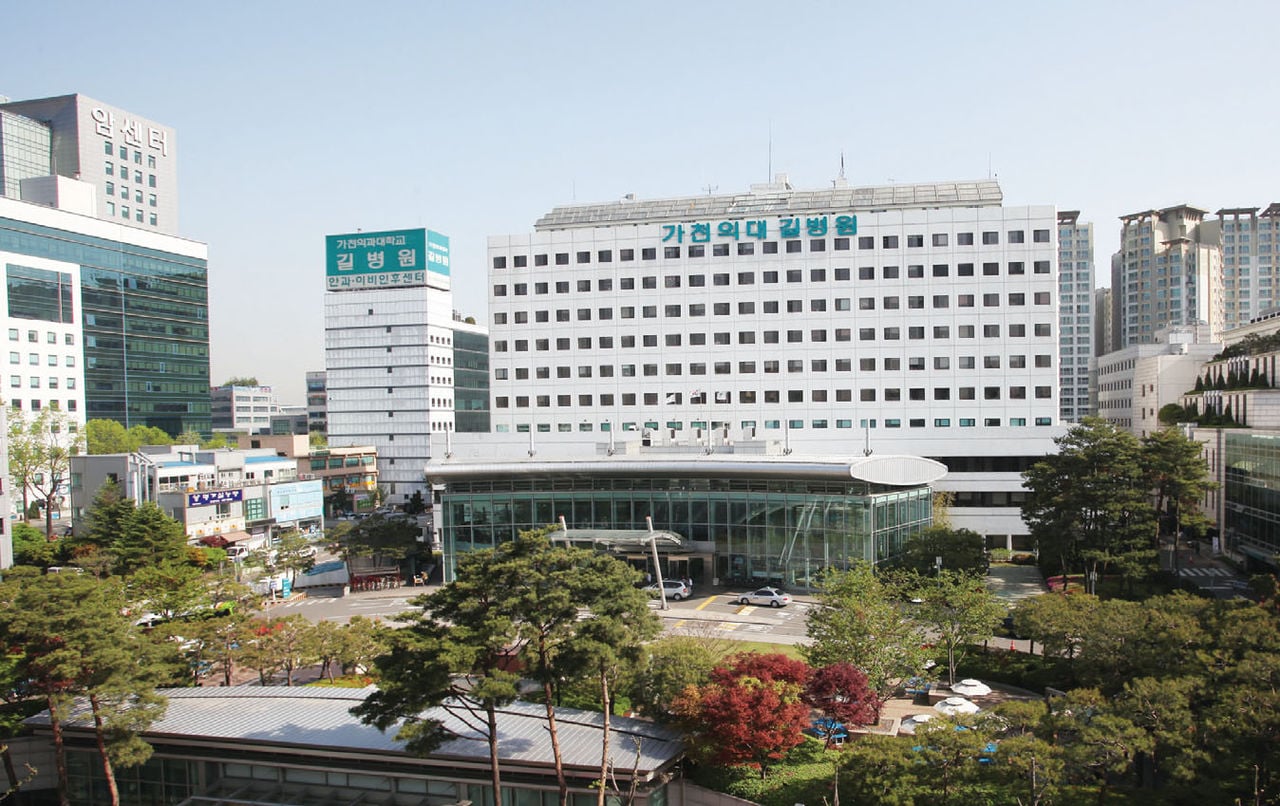




Bumin Hospital Seoul
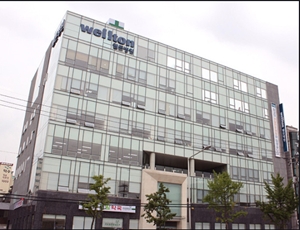
Wellton Hospital

Wiltse Memorial Hospital
Artículos relacionados

¿Qué es la malformación de Chiari?
Escrito por Veronika Kazina
Compartir contenido
Historias en video de pacientes de Bookimed
 Olena Sikoza
Preguntas frecuentes sobre el tratamiento de Síndrome de Arnold-Chiari en Corea del Sur
¿Cuáles son las principales opciones quirúrgicas para la malformación de Chiari en Corea del Sur?
Las principales opciones quirúrgicas en Corea del Sur se centran en la descompresión de la fosa posterior. Los neurocirujanos en centros de Seúl acreditados por la JCI restauran el flujo de líquido cefalorraquídeo eliminando una pequeña porción del cráneo. Las técnicas clave incluyen la duraplastia para casos complejos y la descompresión ósea mínimamente invasiva para pacientes pediátricos o síntomas leves.
- Descompresión con duraplastia: Los cirujanos abren la membrana cerebral y utilizan un injerto para ampliar el espacio.
- Descompresión ósea sola: Los médicos eliminan hueso sin abrir la duramadre para reducir los riesgos de fuga.
- Ajustes microquirúrgicos: Los especialistas pueden reducir las amígdalas cerebelosas utilizando calor dirigido para despejar los pasajes de líquido.
- Derivación avanzada: Los expertos colocan derivaciones siringo-subaracnoideo-peritoneales para drenar el líquido cuando la descompresión por sí sola falla.
Perspectiva del experto de Bookimed: El alto volumen quirúrgico de Corea del Sur conduce a sistemas de seguridad únicos. El Hospital Bundang de la Universidad Nacional de Seúl utiliza el sistema BESTcare para minimizar los errores médicos. Esto es crucial para la neurocirugía compleja, donde la precisión en la eliminación de hueso y el injerto dural determina la velocidad de recuperación.
Consens
¿Cuál es la tasa de éxito de la cirugía de descompresión en las clínicas coreanas?
Las tasas de éxito de la cirugía de descompresión en Corea del Sur oscilan entre el 80% y el 95% para la mayoría de las afecciones neurológicas. Los centros especializados de Seúl informan de una eficacia clínica que alcanza el 96% cuando se utilizan técnicas endoscópicas. Estos procedimientos alivian constantemente la presión nerviosa severa y mejoran significativamente la movilidad diaria de los pacientes internacionales.
- Éxito clínico: Las clínicas especializadas informan tasas de éxito del 96% utilizando técnicas de descompresión endoscópica.
- Satisfacción del paciente: Los centros de gran volumen logran niveles de satisfacción de hasta el 96% mediante enfoques mínimamente invasivos.
- Puntos de referencia técnicos: La descompresión endoscópica biportal unilateral muestra excelentes resultados a largo plazo en el 89% de los casos.
- Reducción del dolor: Las puntuaciones medias de dolor bajan de 7,8 a 1,5 puntos en un año.
Perspectiva del experto de Bookimed: Si bien muchos buscan el Asan Medical Center por sus 65.000 operaciones anuales, los centros especializados más pequeños como Wiltse Memorial o Bumin se centran específicamente en la atención neuroortopédica de la columna vertebral. Estos hospitales dedicados a la columna vertebral a menudo brindan un acceso más rápido a las evaluaciones de la fosa posterior que las instituciones multidisci
¿Qué centros médicos líderes en Corea del Sur se especializan en la cirugía de la malformación de Chiari?
Los principales centros surcoreanos para la cirugía de la malformación de Chiari incluyen el Asan Medical Center, el Seoul National University Hospital y el Severance Hospital. Estas instalaciones terciarias acreditadas por la JCI utilizan neuronavigación avanzada y monitorización intraoperatoria. Los cirujanos suelen realizar una descompresión suboccipital y una duroplastia para restaurar la circulación normal del líquido cefalorraquídeo.
- Asan Medical Center: Realiza más de 65.000 operaciones anuales con una unidad dedicada a la neurocirugía pediátrica.
- SNU Bundang Hospital: Utiliza el sistema digital BESTcare para mejorar la seguridad durante procedimientos complejos de craneotomía.
- Severance Hospital: Cuenta con un departamento de neurocirugía acreditado por la JCI especializado en la dinámica del flujo de líquido cefalorraquídeo.
- Tecnología quirúrgica: Los centros emplean neuronavigación en tiempo real y neuroendoscopia para un acceso preciso y mínimamente invasivo a la base del cráneo.
Perspectiva del experto de Bookimed: Aunque muchos pacientes se centran en las clasificaciones de los hospitales, los datos especializados confirman que el volumen de operaciones del cirujano es el factor crítico para los resultados en Chiari. Con más de 32.500 operaciones anuales en el Seoul National University Bundang Hospital, sus especialistas ma
¿Qué ventajas únicas ofrece Corea del Sur a los pacientes internacionales con Chiari?
Corea del Sur proporciona un ecosistema de alta eficiencia para el tratamiento del síndrome de Arnold-Chiari. Centros como el Hospital Bundang de la Universidad Nacional de Seúl utilizan sistemas BESTcare para prevenir errores médicos. La avanzada tecnología de imagen por resonancia magnética (IRM) de 3.0 TESLA garantiza una planificación quirúrgica precisa. Los pacientes a menudo completan todos los estudios diagnósticos y la programación de la cirugía en cuestión de días.
- Tecnología de prevención de errores: El SNUBH utiliza sistemas BESTcare para garantizar la seguridad del paciente durante neurocirugías complejas.
- Diagnóstico avanzado: La imagen digital y la IRM de 3.0 TESLA permiten una precisión quirúrgica milimétrica.
- Programación rápida: Los sistemas de vía rápida eliminan las listas de espera para consultas y diagnósticos especializados de Chiari.
- Apoyo legal: Las visas médicas C-3-3 y G-1-10, reguladas por el gobierno, simplifican la entrada para pacientes internacionales.
Opinión experta de Bookimed: Aunque muchos ven a Corea del Sur como un único centro médico, los datos muestran una clara distinción en el volumen de pacientes. Los centros de Seúl, como el Hospital Severance y el Centro Médico Asan, gestionan más de 1 millón de pacientes al año. Este flujo masivo de pacientes ambulatorios ha llevado a una logística altamente