Tratamiento de Pérdida de la audición en Israel — obtenga 3 coincidencias personalizadas de clínicas


Revisado médicamente por
Fahad Mawlood
Cómo funciona
¿Cuál es el precio del diagnóstico y los tratamientos de Pérdida de la audición en Israel? Descubra ahora
| Israel | España | Turquía | |
|---|---|---|---|
| Estapedectomía | ≈ $6,500 | ≈ $3,200 | de $6,200 |
| Colocación de implante coclear | ≈ $38,000 | de $22,000 | de $14,000 |
Descubra las mejores clínicas de tratamiento de Pérdida de la audición en Israel: 8 opciones verificadas y Precios












Herzliya Medical Center
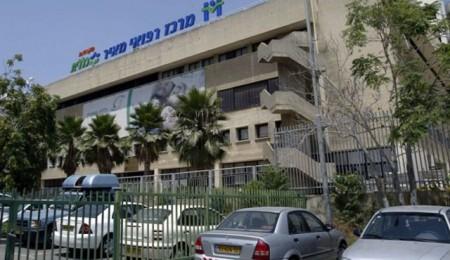
Meir Medical Center

Kaplan Medical Center
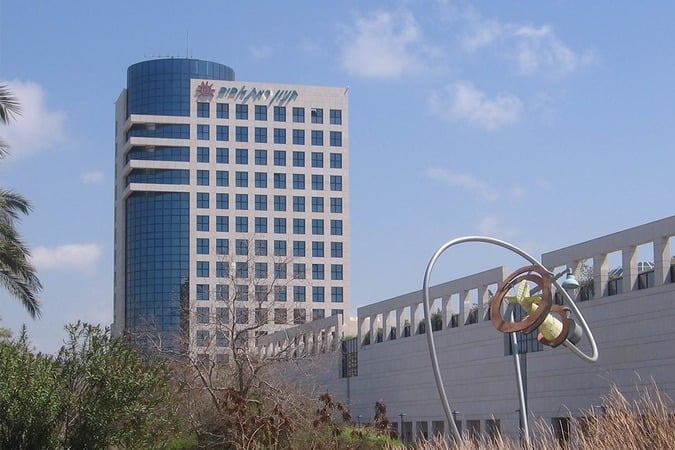
Ramat Aviv Medical Center
Obtenga una evaluación médica para Pérdida de la audición en Israel: consulte con doctores experimentados ahora
Ver todos los médicos
Avraam Abergel
Incluido en la lista Forbes de los mejores médicos de Israel en 2021: el Dr. Abergel es el director interino del Departamento de Discapacidad Auditiva del Centro Médico Sourasky.
- Especializado en cirugía ORL y tratamiento de la discapacidad auditiva
- Subjefe del Departamento de Otorrinolaringología
- Dirige un departamento dedicado a la pérdida auditiva en un importante centro médico

Derowe Ari
El profesor Derowe Ari es un cirujano otorrinolaringólogo (ORL) pediátrico de alto nivel que dirige el centro pediátrico del Ichilov Medical Center.
- Cuenta con más de _doctor_3456_años_ de experiencia en el tratamiento de trastornos complejos de ORL pediátrico
- Director de la Unidad de Otorrinolaringología Pediátrica en la Clínica Dana de Ichilov
- Formado específicamente en otorrinolaringología pediátrica en el Hospital Infantil de Wisconsin, EE. UU.
- Vicepresidente de la Asociación Israelí de Cirujanos ORL y Otorrinolaringólogos
- Instructor en la Facultad de Medicina de Stanford y autor de 25 artículos académicos

Ophir Hendzel
El Dr. Hendzel dirige el Servicio de Implantes Cocleares en el Centro Médico Ichilov, especializándose en casos complejos de pérdida auditiva.
- Formado en Harvard en otología y neuro-otología
- Certificado en cirugía de implante coclear
- Miembro de la Sociedad Internacional de Otología
- Realiza investigaciones sobre terapias del oído interno
Compartir contenido
Historias en video de pacientes de Bookimed
 Olena Sikoza
Preguntas frecuentes sobre el tratamiento de Pérdida de la audición en Israel
¿Cuáles son las principales opciones de tratamiento para la pérdida auditiva en Israel?
El tratamiento principal para la pérdida auditiva en Israel incluye intervenciones quirúrgicas avanzadas y tecnología de rehabilitación subvencionada. Centros especializados como el Sourasky Medical Center (Ichilov) realizan implantes cocleares complejos y cirugías de la base lateral del cráneo. Unidades especializadas proporcionan sistemas de anclaje óseo y audífonos de alta tecnología tanto para pacientes adultos como pediátricos.
- Implantes quirúrgicos: Los implantes cocleares y los sistemas BAHA tratan la pérdida auditiva de severa a profunda.
- Cirujanos expertos: El Dr. Ophir Hendzel se especializa en otología compleja e implantes cocleares.
- Atención pediátrica: Unidades dedicadas como el Schneider Center brindan diagnósticos especializados para bebés y niños.
- Diagnóstico avanzado: Las instalaciones utilizan imágenes digitales e IA para mapear con precisión la función del nervio auditivo.
Opinión del experto de Bookimed: Los centros médicos israelíes demuestran un enfoque significativo en la atención especializada de alto volumen. Solo el Sourasky Medical Center trata a más de 1.800.000 pacientes al año en 240 departamentos. Esta escala masiva permite que cirujanos como el Dr. Derowe Ari acumulen más de 30 años de experiencia. Esta profundidad clínica a menudo conduce a tasas de éxito más altas en procedimientos complejos como la cir
¿Qué hospitales en Israel son los mejores para implantes cocleares y cirugía ORL?
Los principales hospitales israelíes para implantes cocleares incluyen el Sourasky Medical Center, el Rambam Medical Center y el Sheba Medical Center. Estas instalaciones cuentan con la acreditación de la Joint Commission International y clasificaciones de Newsweek. Especialistas como el Dr. Ophir Hendzel en Sourasky realizan cirugías complejas de la base lateral del cráneo utilizando imágenes digitales de alta precisión.
- Sourasky Medical Center: Atiende a más de 400,000 pacientes al año con una unidad especializada en implantes cocleares.
- Rambam Medical Center: Emplea a ganadores del Premio Nobel y utiliza sistemas robóticos para procedimientos de ORL.
- Schneider Children Center: Proporciona atención pediátrica especializada en ORL utilizando equipos especializados para pacientes jóvenes.
- Especialistas expertos: El Dr. Ari Derowe ofrece más de 30 años de experiencia en otorrinolaringología pediátrica.
Perspectiva de expertos de Bookimed: Si bien los centros públicos como Sheba y Sourasky manejan los volúmenes más altos, las instalaciones privadas como el Herzliya Medical Center a menudo brindan una experiencia más estable para los pacientes internacionales. Los datos muestran que las instituciones públicas más grandes gestionan más de 34,000 operaciones al año. Sin embargo, los centros privados suelen ofrecer un acceso más constante al
¿Cuál es el cronograma de recuperación después de una cirugía de implante coclear en Israel?
La recuperación después de una cirugía de implante coclear en Israel implica 10 días para la curación inicial y 4 semanas para la estabilización de la incisión. La activación del dispositivo ocurre de 3 a 6 semanas después de la cirugía. La rehabilitación auditiva completa generalmente requiere de 6 a 12 meses de terapia del habla especializada.
- Curación de la incisión: Los puntos de sutura generalmente se retiran 7 días después del procedimiento.
- Límites de actividad: Evite el ejercicio extenuante y la natación durante 4 a 6 semanas.
- Restricciones de viaje: Los pacientes deben esperar 4 semanas antes de volar para la estabilización de la presión.
- Activación inicial: El procesador externo se enciende 1 mes después de la cirugía.
- Rehabilitación a largo plazo: El entrenamiento auditivo continúa durante 1 año para maximizar los beneficios auditivos.
Perspectiva de expertos de Bookimed: Los centros israelíes como el Sourasky Medical Center atienden a más de 400.000 pacientes y enfatizan la experiencia de alto volumen. Especialistas como el Dr. Ari Derowe aportan más de 30 años de experiencia en casos pediátricos. Esta profundidad clínica garantiza que el mapeo postoperatorio sea extremadamente preciso. Elegir un hospital con un servicio dedicado de cirugía ORL a menudo resulta en una mejor comprensión del habla a l
¿Está cubierta por el gobierno israelí la cirugía de implante coclear para niños?
La cirugía de implante coclear para niños está totalmente cubierta por el gobierno israelí a través de la Canasta Nacional de Servicios de Salud. La cobertura incluye implantes bilaterales para aquellos con pérdida auditiva de severa a profunda. La elegibilidad comienza a los seis meses y se extiende hasta que el niño cumple 18 años.
- Detección automática: Todo bebé nacido en Israel recibe una prueba de audición universal financiada por el estado.
- Cobertura bilateral: El Ministerio de Salud cubre los implantes para ambos oídos desde 2006.
- Apoyo a la rehabilitación: Las Organizaciones de Mantenimiento de la Salud (HMO) subvencionan la terapia del habla y el entrenamiento audiológico.
- Ayuda financiera: Las familias pueden recibir un subsidio por hijo discapacitado a través del Instituto Nacional de Seguros.
Perspectiva de expertos de Bookimed: Los datos muestran que, si bien la cobertura pública es sólida, los pacientes a menudo eligen modelos híbridos público-privados como el Centro Médico Herzliya o el Centro Médico Sourasky (Ichilov) para reducir los tiempos de espera. Por ejemplo, Sourasky atiende a más de 400,000 pacientes al año y alberga unidades especializadas dirigidas por expertos formados en Harvard como el Dr. Ophir Hendzel. Los padres deben confirmar si su plan específico de HMO cubre la «elección del cirujano» para acceder a
¿Qué apoyo especializado existe para pacientes pediátricos internacionales con pérdida auditiva?
Los pacientes pediátricos internacionales con pérdida auditiva en Israel reciben apoyo a través de hospitales infantiles especializados y unidades dedicadas de oído, nariz y garganta (ORL). Instalaciones como el Schneider Children's Medical Center y el Sourasky Medical Center ofrecen equipos multidisciplinarios. Estos grupos incluyen cirujanos, audiólogos y logopedas para gestionar los implantes cocleares y la rehabilitación. Los departamentos internacionales especializados se encargan de la logística, la traducción de idiomas y el seguimiento a largo plazo para las familias que viajan desde el extranjero.
- Especialización pediátrica: El Schneider Center for Children's Medicine se centra exclusivamente en bebés y niños.
- Cirujanos expertos: El Dr. Ophir Hendzel en el Sourasky Medical Center dirige servicios especializados de implantes cocleares.
- Diagnóstico integral: Las clínicas utilizan imágenes avanzadas y audiología para crear hojas de ruta de tratamiento pediátrico individualizadas.
- Coordinación internacional: El personal dedicado gestiona las recogidas en el aeropuerto, el alojamiento local y la comunicación para las familias extranjeras.
Opinión de expertos de Bookimed: Si bien muchos hospitales generales ofrecen servicios de ORL, elegir un centro pediátrico dedicado como el Schneider Children's Medical Center es vital. Nuestros da
¿Qué debo llevar a mi primera cita con un cirujano otorrinolaringólogo israelí?
Para su primera cita de otorrinolaringología en Israel, debe llevar un pasaporte válido o una identificación israelí. Los documentos médicos esenciales incluyen audiogramas previos, resultados de pruebas auditivas y cualquier imagen relacionada con el oído, como tomografías computarizadas o resonancias magnéticas. Se requiere una derivación formal y una lista de los medicamentos actuales para la evaluación clínica.
- Identificación: Lleve un pasaporte válido o una tarjeta de identificación israelí (Teudat Zehut) para el registro.
- Imágenes médicas: Proporcione copias físicas o enlaces digitales de las tomografías computarizadas o resonancias magnéticas relacionadas con el oído.
- Resultados de pruebas: Incluya informes de audiometría recientes y análisis de sangre de los últimos 3 meses.
- Lista de medicamentos: Documente todas las recetas y suplementos actuales para verificar si tienen efectos ototóxicos.
Perspectiva del experto de Bookimed: Los especialistas en otorrinolaringología israelíes, como el Dr. Ophir Hendzel del Sourasky Medical Center, a menudo dirigen servicios dedicados a implantes cocleares con un gran volumen de pacientes. Nuestros datos muestran que es vital llevar sus audífonos actuales. Los cirujanos los utilizan para calibrar la audición base antes de recomendar implantes electrónicos avanzados o intervenciones quirúrgicas
¿Necesito una visa médica para ingresar a Israel para una cirugía de implante coclear?
No se requieren visas médicas estándar para la cirugía de implante coclear en Israel. La mayoría de los pacientes internacionales ingresan utilizando una visa de visitante B/2 o una Autorización Electrónica de Viaje (ETA-IL). Este permiso cubre estancias médicas de hasta 90 días en instalaciones acreditadas por la JCI en Tel Aviv y Haifa.
- Requisito de entrada: La nueva Autorización Electrónica de Viaje (ETA-IL) es obligatoria para los ciudadanos exentos de visa a partir de 2025.
- Visa de visitante: Los ciudadanos de países no exentos deben solicitar una visa de visitante B/2 para la cirugía.
- Documentación hospitalaria: Los pacientes deben llevar una invitación oficial del centro médico israelí elegido.
- Duración de la estancia: Los permisos de entrada estándar permiten el tratamiento médico y la recuperación durante 90 días.
Perspectiva del experto de Bookimed: Los centros médicos israelíes como Sourasky (Ichilov) atienden a más de 1.800.000 pacientes al año y tienen mucha experiencia en logística internacional. Aunque no existe una visa médica específica, tener una invitación formal de un director como el Dr. Ophir Hendzel puede agilizar la entrada en la frontera. Esta carta sirve como prueba del propósito de su estancia si es interrogado por los funcionarios de inmigración a su llegada.
Consenso de los pacientes:
¿Por qué Israel es uno de los principales destinos para la neurocirugía?
Israel es un centro líder en neurocirugía gracias a su combinación de avances médicos de alta tecnología y una experiencia quirúrgica de primer nivel. Instalaciones avanzadas como el Centro Médico Sheba utilizan sistemas de navegación basados en IA y resonancia magnética intraoperatoria en tiempo real. Centros especializados reportan una tasa de éxito del 98% en procedimientos complejos, como la craneotomía con el paciente despierto y el tratamiento de trastornos del movimiento.
- Tecnología avanzada: Las clínicas utilizan ultrasonido enfocado guiado por resonancia magnética (MRgFUS) y sistemas robóticos para realizar incisiones.
- Experiencia quirúrgica: Cirujanos como el Dr. Zvi Ram lideran asociaciones internacionales con más de 25 años de experiencia.
- Acceso rápido: Los pacientes internacionales generalmente pueden programar cirugías complejas de cerebro o columna en un plazo de 2 a 4 semanas.
- Atención médica acreditada: Grandes centros como Sourasky (Ichilov) y Assuta están acreditados por la JCI, lo que confirma su seguridad.
Opinión experta de Bookimed: Los datos muestran una clara diferencia entre las opciones de tratamiento públicas y privadas en Israel. Centros privados, como el Centro Médico Assuta, realizan más de 92.000 cirugías al año y permiten a los pacientes elegir a un cirujano líder específico. Esto supone una ventaja signi
¿Qué tipos de enfermedades neuroquirúrgicas se tratan en Israel?
Los neurocirujanos israelíes tratan una amplia gama de afecciones, desde tumores cerebrales y de médula espinal hasta trastornos funcionales complejos. Los centros especializados utilizan tecnologías de vanguardia, como el bisturí de rayos gamma, la estimulación cerebral profunda y la resonancia magnética intraoperatoria, para un diagnóstico altamente preciso de la epilepsia, la enfermedad de Parkinson y las patologías cerebrovasculares.
- Enfermedades oncológicas: tratamiento de gliomas, meningiomas y tumores hipofisarios mediante resección de la base del cráneo.
- Trastornos funcionales: tratamiento de la enfermedad de Parkinson y del temblor esencial mediante estimulación cerebral profunda.
- Patologías de columna: corrección de escoliosis, hernias discales y tumores espinales mediante sistemas robóticos.
- Tratamiento de las enfermedades cerebrovasculares: tratamiento quirúrgico de aneurismas cerebrales y malformaciones arteriovenosas mediante intervenciones endovasculares.
- Neurocirugía pediátrica: atención especializada en hidrocefalia y anomalías congénitas en centros pediátricos especializados.
Opinión experta de Bookimed: Los hospitales israelíes suelen combinar diversas especialidades para abordar casos complejos. En el Centro Médico Sourasky, neurocirujanos como el Dr. Zvi Lidar combinan neurocirugía y ortopedi
¿Qué hospitales en Israel son más conocidos por sus departamentos de neurocirugía?
Israel alberga centros neuroquirúrgicos de renombre mundial, como el Centro Médico Sourasky, el Centro Médico Sheba y el Centro Médico Hadassah. Estas instituciones son líderes mundiales en el tratamiento de tumores cerebrales complejos, enfermedades de la columna vertebral y trastornos del movimiento. Utilizan tecnologías de vanguardia como el bisturí de rayos gamma, sistemas robóticos y resonancia magnética intraoperatoria.
- Suraski (Ichilov): realiza más de 2.500 operaciones neuroquirúrgicas al año en Tel Aviv con una tasa de éxito del 98%.
- Centro Médico Sheba: clasificado entre los diez mejores hospitales del mundo, trata a 1,9 millones de pacientes al año.
- Centro Médico Hadassah: Nominado al Premio Nobel de la Paz. Líder en neurocirugía pediátrica y terapia génica.
- Centro Médico Assuta: el centro médico privado más grande de Israel. Especializado en cirugías mínimamente invasivas de columna y cerebro.
- Hospital Infantil Schneider: un centro líder en neurocirugía pediátrica que trata a 275.000 niños al año.
Opinión experta de Bookimed: Nuestros datos muestran que, si bien la mayoría de los pacientes buscan tratamiento en Tel Aviv, el Centro Médico Rambam en Haifa ofrece una atención única para neurotraumatismos. Cuenta con una unidad especializada en cuidados neurocríticos que atiende a aproximadamente un milló