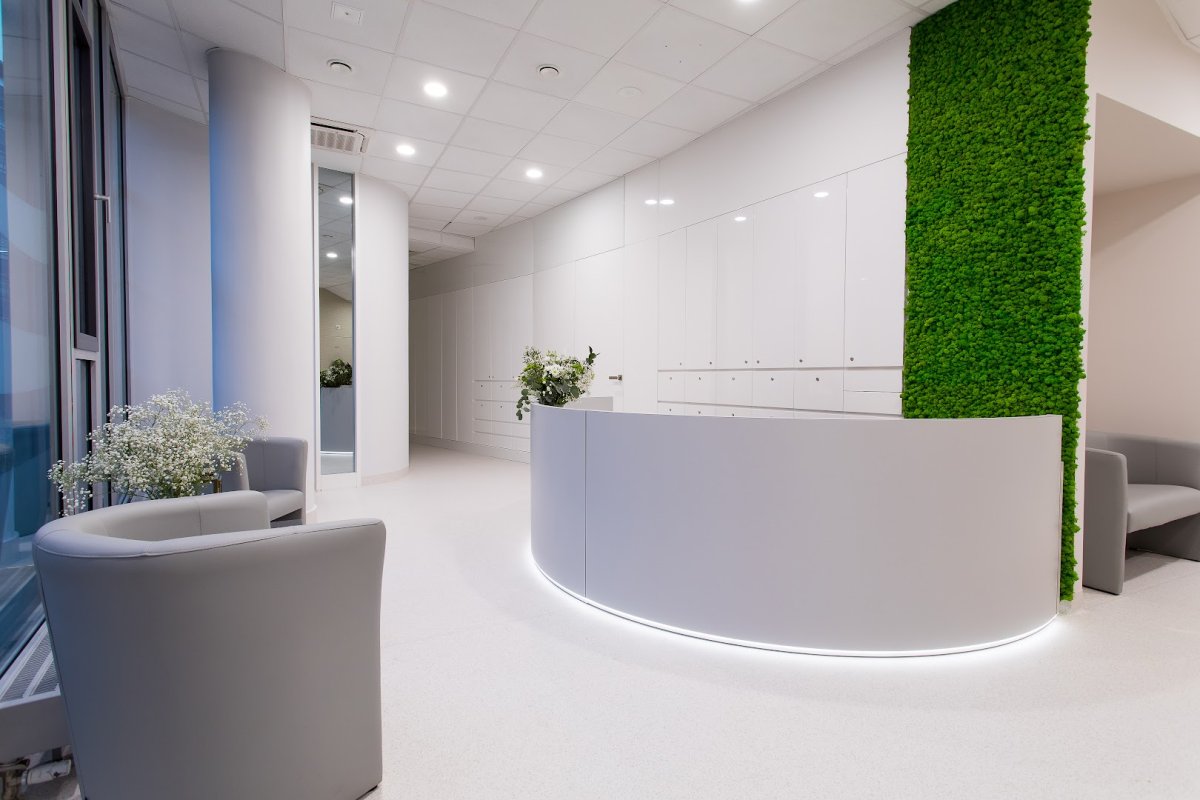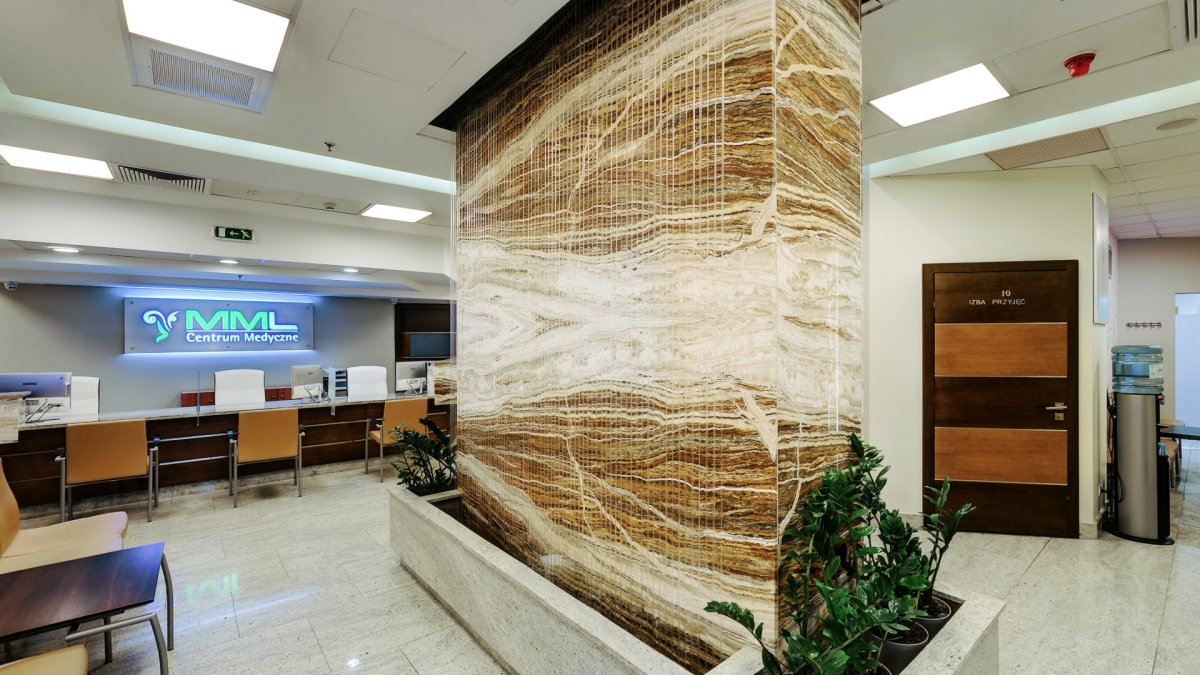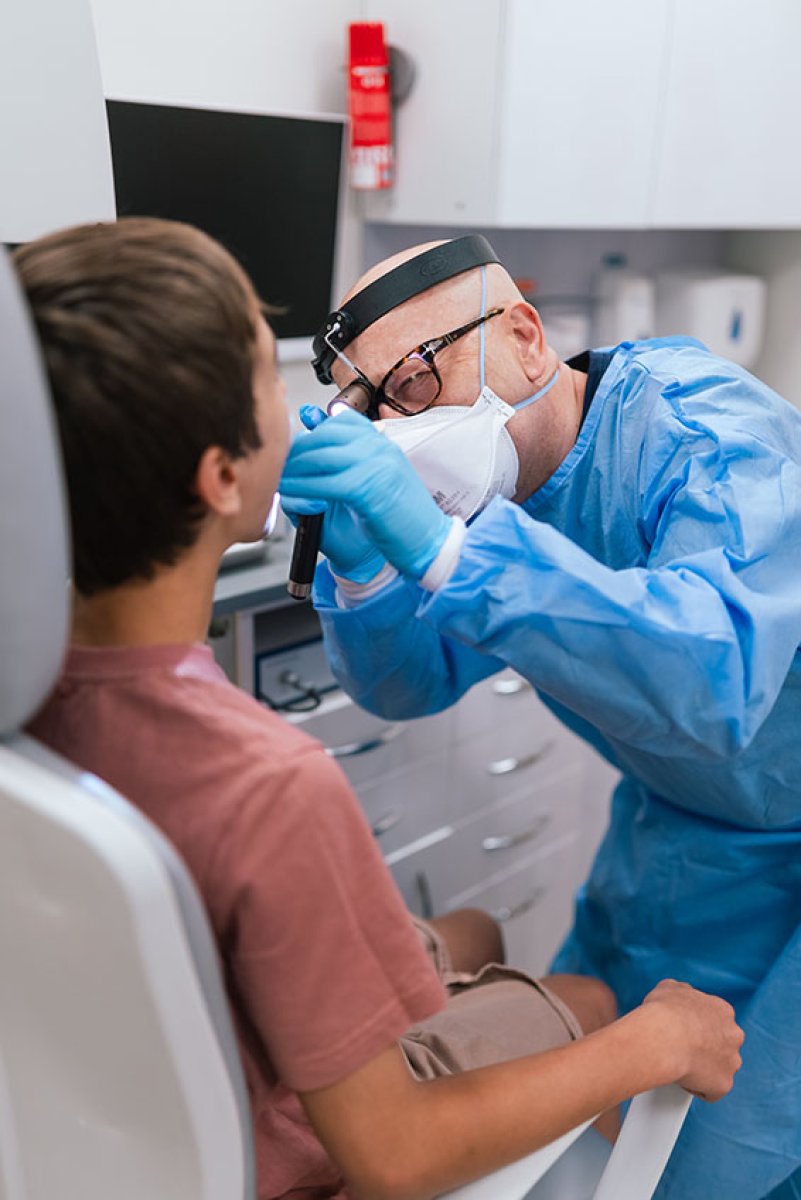
Centro Médico Krajmed
Polonia, Varsovia


Revisado médicamente por
Fahad Mawlood
| Polonia | España | Turquía | |
|---|---|---|---|
| Estapedectomía | ≈ $3,200 | ≈ $3,200 | de $6,200 |
| Colocación de implante coclear | ≈ $14,000 | de $22,000 | de $14,000 |
Bookimed no añade cargos extra a los precios de los tratamientos de Pérdida de la audición. Las tarifas proceden de las listas de precios oficiales de las clínicas. Pagará directamente en la clínica por su tratamiento a su llegada al país.
Bookimed está comprometido con su seguridad. Solo trabajamos con las clínicas que mantienen altos estándares internacionales en el tratamiento de Pérdida de la audición y cuentan con las licencias necesarias para atender a pacientes internacionales en todo el mundo.
Bookimed ofrece asistencia experta gratuita. Un coordinador médico personal le apoya antes, durante y después de su tratamiento, resolviendo cualquier problema. Nunca estará solo en su viaje médico de tratamiento de Pérdida de la audición.



 Olena Sikoza
Los cirujanos otorrinolaringólogos certificados en Polonia realizan cirugías de implante auditivo dentro de marcos médicos especializados. Estos especialistas deben completar una formación específica en microcirugía bajo supervisión experta. La supervisión nacional por parte de la Sociedad Polaca de Otorrinolaringólogos garantiza que todos los procedimientos cumplan con estrictos estándares europeos de seguridad y competencia.
Perspectiva de expertos de Bookimed: Polonia muestra un patrón único donde el personal académico de alto nivel a menudo trabaja en varios sectores. El Hospital Universitario de Cracovia atiende a 455,000 pacientes al año con más de 1,000 médicos. Los datos sugieren que los centros de alto volumen como este brindan una profundidad clínica que las instalaciones más pequeñas no pue
Las cirugías de implantes cocleares y de conducción ósea son seguras. Las complicaciones son raras, pero incluyen infecciones o mareos temporales. Los riesgos mayores, como la debilidad del nervio facial o la meningitis, ocurren en menos del 1 % de los casos. La mayoría de los pacientes recuperan el equilibrio y el sentido del gusto por completo en unas pocas semanas.
Perspectiva de expertos de Bookimed: Polonia es un destino de gran volumen, con el Hospital Universitario de Cracovia atendiendo a 455,000 pacientes anualmente. Nuestros datos muestran que clínicas como el Hospital Carolina mantienen los estándares de calidad ISO 9001:2015. Los altos volúmenes de pacientes indican que los equipos quirúrgicos manejan casos complejos con frecuencia. Esto conduce a tasas de revisión más bajas por migración o falla del dispositivo.
<
Los pacientes suelen permanecer en Polonia de 7 a 10 días después de recibir un implante coclear. Este plazo permite la retirada esencial de los puntos y la cicatrización inicial. Los médicos recomiendan este margen para garantizar la estabilidad de la mastoides. Esperar también evita complicaciones por los cambios de presión en la cabina durante el vuelo de regreso.
Perspectiva del experto de Bookimed: Aunque los procedimientos pequeños como la estapedectomía requieren estancias más cortas, los pacientes con implantes cocleares se benefician de los centros de alta capacidad de Polonia. El Hospital Universitario de Cracovia trata a 455.000 pacientes al año. Este alto volumen significa que los cirujanos tienen mucha experiencia en la gestión de los plazos postoperatorios internacionales. Verifique siempre si su clínica, como el Hospital Carolina, proporciona documentación específica para el ma
La mayoría de los adultos que perdieron la audición después de adquirir el lenguaje recuperan la capacidad de entender el habla sin audífonos. Los datos clínicos indican que el 91% de los receptores experimentan mejoras significativas en un plazo de 6 meses. Si bien los entornos silenciosos ofrecen los mejores resultados, los entornos complejos y ruidosos aún pueden representar desafíos para algunos pacientes.
Perspectiva del experto de Bookimed: Polonia ofrece instalaciones de alta capacidad como el Hospital Universitario de Cracovia. Este centro trata a 455,000 pacientes anualmente en 103 departamentos. Los altos volúmenes de pacientes a menudo se correlacionan con protocolos de mapeo refinados. Estos protocolos son esenciales para la transición de los au
Varsovia y Cracovia son los principales centros polacos para programas de implante coclear. Varsovia alberga el World Hearing Center, líder mundial. Este centro realiza el mayor número de cirugías de mejora auditiva a nivel mundial. Cracovia ofrece una prestigiosa atención multidisciplinaria en el Hospital Universitario. Ambas ciudades ofrecen opciones quirúrgicas alineadas con JCI o certificadas por ISO.
Perspectiva del experto de Bookimed: Polonia ofrece una ventaja única para los pacientes internacionales a través de su modelo híbrido público-privado de gran volumen. Clínicas como el Hospital Universitario de Cracovia gestionan un volumen masivo de 455.000 pacientes al año. Esto se traduce en que los cirujanos tienen una inmensa experiencia práctica con casos complejos. Aunque muchos buscan clínicas privadas como el Hospital Carolina para tiempos de espera más c
Los equipos médicos polacos coordinan la atención postoperatoria mediante teleconsultas programadas y resúmenes de alta detallados y bilingües. La recuperación en casa se centra en una higiene estricta de la herida, dormir obligatoriamente con la cabeza elevada y restricciones de actividad para proteger las delicadas estructuras del oído. La mayoría de las clínicas inician la activación formal del implante o el seguimiento a través de plataformas digitales en un plazo de 3 a 4 semanas.
Perspectiva del experto de Bookimed: La infraestructura de Polonia para el tratamiento de la pérdida auditiva está altamente centralizada en centros académicos y especializados como Varsovia y Cracovia. El Hospital Universitario de Cracovia atiende a más de 450.000 pacientes al año. Este alto volumen permite a los equipos polacos perfeccionar protocolos estandariz
La candidatura depende del tipo y la gravedad de la pérdida auditiva. Los implantes cocleares tratan la pérdida neurosensorial grave estimulando el nervio auditivo. Los dispositivos de conducción ósea evitan el oído externo para la pérdida conductiva. Los implantes de oído medio amplifican mecánicamente el sonido para problemas mixtos o neurosensoriales de leves a graves.
Perspectiva de expertos de Bookimed: Polonia es un destino de gran volumen para la otorrinolaringología. El Hospital Universitario de Cracovia trata a más de 450.000 pacientes al año. Aunque los protocolos públicos para implantes son estrictos, centros privados como el Hospital Carolina de Varsovia ofrecen acceso especializado a procedimientos avanzados como la estapedectomía. Este volumen garantiza que los cirujanos mantengan una alta competencia en la anatomía compleja del oíd
La neurocirugía en Polonia ofrece atención de alta calidad en centros con certificación JCI e ISO. Los neurocirujanos polacos se adhieren a estrictos estándares de formación adoptados por la Unión Europea. Muchos han completado becas en Estados Unidos o Alemania. Tecnologías avanzadas, como CyberKnife, Gamma Knife y sistemas robóticos, están ampliamente disponibles en centros privados.
Opinión experta de Bookimed: Los datos muestran una fuerte correlación entre la especialización de una clínica y el origen de sus pacientes. La Clínica KCM atiende a más de 700 pacientes internacionales al año. Se especializa en cirugía de columna mínimamente invasiva. Este volumen de trabajo le permite ofrecer paquetes de servicios especializados, que a menudo incluyen bloques de diagnóstico e implantes específicos, como el DIAM de Medtronic.
Los neurocirujanos polacos son especialistas altamente cualificados que han completado al menos 13 años de rigurosa formación médica. Esto incluye seis años de estudios de medicina, 13 meses de prácticas y seis años de residencia. Deben aprobar el Examen Estatal de Especialización (PES) y suelen estar certificados por la Asociación Europea de Sociedades de Neurocirugía (EANS).
Opinión experta de Bookimed: Los datos muestran que los neurocirujanos polacos suelen especializarse en tecnologías altamente especializadas, como el sistema ApiFix o el sistema de endoscopia lumbar SED-YESS. Especialistas como el Dr. Stanisław Kwek, de la Clínica KCM, combinan la investigación postdoctoral con una práctica quirúrgica activa. Esta combinación de profundos conocimientos académicos y un alto volumen quirúrgico los hace especialmente eficaces en cirugías de columna complejas y mínimamente in
Entre las mejores clínicas neuroquirúrgicas de Polonia se encuentran el Hospital Carolina, la Clínica KCM y centros académicos de primer nivel como el Hospital Universitario de Cracovia. Estas instituciones ofrecen tratamientos de vanguardia para enfermedades de la columna vertebral y el cerebro que cumplen con los estándares de calidad ISO y emplean a especialistas miembros de organizaciones internacionales como AO Spine.
Opinión experta de Bookimed: Si bien muchos buscan los hospitales más grandes, los datos muestran que clínicas como el Hospital Carolina ofrecen mayor eficiencia para cirugías electivas. Con más de 40 médicos especialistas en este centro de 30 camas, la proporción médico-paciente es significativamente mayor que en los centros universitarios públicos. Esto se traduc