Osteoporosis en Israel: las 11 mejores clínicas para su tratamiento


Revisado médicamente por
Fahad Mawlood
Cómo funciona
¿Cuál es el precio del diagnóstico y los tratamientos de Osteoporosis en Israel? Descubra ahora
Osteoporosis treatment cost in Israel typically includes a bone density scan (DEXA) ranging from $130 to $210 and surgical interventions like vertebral plastic, which runs from $8,500 to $13,500. Total expenses depend on the disease stage, bone fracture risks, and clinic classification. Patients often see 20-40% savings compared to the US. Leading centers for bone health are located in Tel Aviv, Jerusalem, and Haifa.
Typical Osteoporosis Treatment Costs in Israel
- Bone density scan (DEXA, DXA): $130 – $210
- Consultation with an orthopedist: $280 – $450
- Blood test for hormonal profile: $180 – $320
- Consultation with a neurologist: $250 – $400
- Vertebral plastic: $8,500 – $13,500
Bookimed Expert Insight: Patients with fracture-related complications should prioritize JCI-accredited centers like Sourasky Medical Center. They offer advanced MAKOplasty robotic-assisted technology for high-precision joint care. For complex cases involving hormonal imbalances, Rambam Medical Center provides unique gene mapping and SPECT/CT diagnostics. Choosing private facilities like Herzliya Medical Center ensures 100% patient safety ratings and dedicated VIP coordination for international visitors.
| Israel | España | Turquía | |
|---|---|---|---|
| Plástico vertebral | ≈ $8,500 | ≈ $4,000 | de $4,000 |
Descubra las mejores clínicas de tratamiento de Osteoporosis en Israel: 11 opciones verificadas y Precios











Centro médico Assaf Harofeh (Assaf Harofeh Medical Center)


Herzliya Medical Center
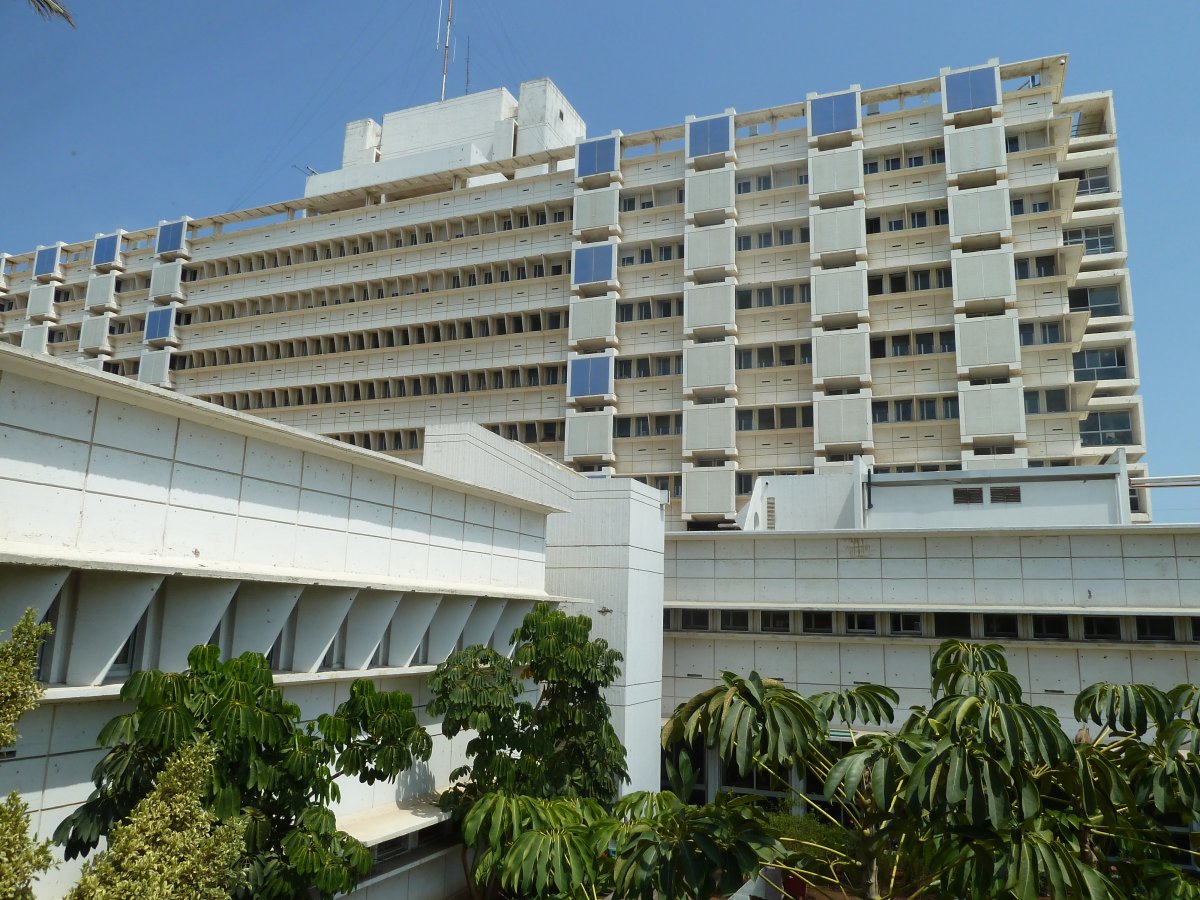
State Hospital Edith Wolfson
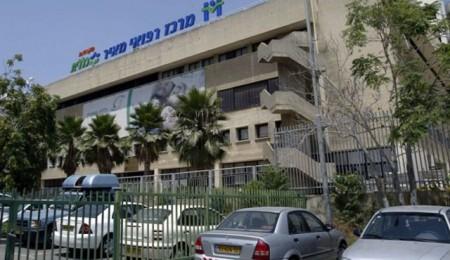
Meir Medical Center
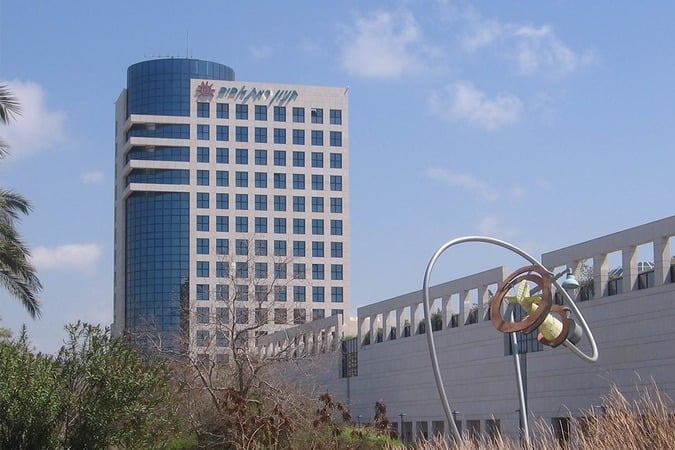
Ramat Aviv Medical Center

Shaare Zedek Medical Center
Obtenga una evaluación médica para Osteoporosis en Israel: consulte con doctores experimentados ahora
Ver todos los médicos
Aaron Menahem
El Dr. Menahem es un experto líder en ortopedia con reputación internacional. Trata a pacientes en el Centro Médico Sourasky (Ichilov).
- Especializado en el tratamiento de la artrosis, una causa principal de dolor articular.
- Experto en reemplazo total de articulaciones de cadera y rodilla.
- Participa activamente en la investigación ortopédica para avanzar en los tratamientos.

Ofir Chechik
El Dr. Ofir Chechik dirige las labores de docencia e investigación de la División de Ortopedia del Centro Médico Sourasky (Ichilov). Su objetivo es el avance de las prácticas clínicas y la formación de futuros especialistas.
- Ejercer como subdirector de docencia e investigación en ortopedia
- Contribuir al avance de las prácticas ortopédicas
- Dedicarse a la atención al paciente y al desarrollo profesional
- Trabajar en un importante hospital universitario de Israel

Muki Yanev
El Dr. Muki Yanev es cirujano ortopédico en el Centro Médico Sourasky de Tel Aviv, especializado en ortopedia y reemplazo articular.
- Especializado en ortopedia, medicina deportiva y reemplazo articular
- Ejerce en el Centro Médico Sourasky de Tel Aviv
- Experto en el tratamiento de afecciones relacionadas con la osteoporosis

Aviram Gold
El Dr. Gold es un cirujano ortopédico con más de 33 años de experiencia, centrado en afecciones como la osteoporosis que afectan a los huesos y las articulaciones.
- Certificado por el Consejo Israelí de Ortopedia y Cirugía General
- Doctor en Medicina (MD) por la Facultad de Medicina Hadassah de la Universidad Hebrea de Jerusalén
- Posee un máster en Gestión Sanitaria
- Experto en reemplazos articulares complejos y tratamientos de fracturas
- Ejerce en el Centro Médico Sourasky (Ichilov)
Compartir contenido
Historias en video de pacientes de Bookimed
 Olena Sikoza
Preguntas frecuentes sobre el tratamiento de Osteoporosis en Israel
¿Qué tratamientos biológicos innovadores están disponibles en Israel?
Israel ofrece tratamientos biológicos avanzados, incluyendo la terapia de células CAR-T y anticuerpos monoclonales para condiciones resistentes al tratamiento. Los pacientes acceden a implantes regenerativos como Agili-C para la reparación de cartílago. Centros acreditados por la JCI como Sourasky y Hadassah lideran en sistemas de administración biológica e investigación de regeneración ósea.
- Inmunoterapia: Los centros israelíes utilizan Keytruda y terapia de células CAR-T para oncología.
- Implantes regenerativos: El andamio Agili-C promueve el crecimiento natural de cartílago y hueso.
- Diagnóstico óseo: Escaneos DEXA avanzados y perfiles hormonales aseguran un manejo preciso de la osteoporosis.
- Administración biológica: Cápsulas inteligentes emergentes entregan anticuerpos monoclonales directamente al intestino.
Perspectiva del experto de Bookimed: La atención ortopédica israelí se centra en una experiencia de alto volumen en centros multidisciplinarios. El Dr. Aviram Gold en el Sourasky Medical Center tiene más de 20 años de experiencia en cirugías complejas de articulaciones y huesos. Clínicas como Hadassah realizan más de 35,000 cirugías al año, asegurando que los médicos mantengan una competencia técnica excepcional en aplicaciones biológicas.
Consenso de los pacientes: Los pacientes señalan que las inyeccione
¿Cómo cubre la `Canasta de Medicamentos` israelí el tratamiento de la osteoporosis?
La Canasta de Medicamentos israelí (Drug Basket) proporciona acceso subsidiado a tratamientos biológicos para fortalecer los huesos en casos de osteoporosis grave. La cobertura incluye medicamentos innovadores como romosozumab y teriparatida para pacientes de alto riesgo. El estado también subsidia diagnósticos esenciales como escaneos DEXA y fisioterapia de apoyo en instalaciones acreditadas por la JCI.
- Medicamentos biológicos: Evenity (romosozumab) está cubierto para pacientes con alto riesgo de fractura.
- Agentes formadores de hueso: Forteo (teriparatida) sigue siendo una opción subsidiada por hasta 2 años.
- Servicios de diagnóstico: Los fondos de salud cubren escaneos de densidad ósea (DEXA) para el cribado rutinario.
- Apoyo quirúrgico: Procedimientos como la cifoplastia para fracturas vertebrales están incluidos en la canasta.
Perspectiva del experto de Bookimed: Los pacientes deben tener en cuenta que hospitales de primer nivel como Sourasky y Hadassah gestionan más de 1.000.000 de pacientes al año. Este alto volumen garantiza que los especialistas tengan una profunda experiencia con los criterios de elegibilidad específicos para los biológicos más nuevos. La coordinación entre endocrinología y ortopedia en estos centros ayuda a asegurar las aprobaciones para regímenes avanzados de fortalecimiento óseo.
Consenso de los
¿Qué médicos suelen tratar la osteoporosis en Israel?
El tratamiento de la osteoporosis en Israel se basa en un enfoque multidisciplinario dirigido por endocrinólogos y reumatólogos. Estos especialistas coordinan la atención con los médicos de cabecera para el seguimiento y diagnóstico a largo plazo. Los cirujanos ortopédicos en centros acreditados por la JCI, como el Sourasky Medical Center, gestionan las fracturas óseas y las complicaciones articulares mediante intervenciones quirúrgicas avanzadas.
- Endocrinólogos: Gestionan los desequilibrios hormonales y las enfermedades óseas metabólicas en clínicas hospitalarias especializadas.
- Reumatólogos: Tratan las afecciones sistémicas que afectan a las articulaciones y la integridad esquelética después de las fracturas.
- Cirujanos ortopédicos: Realizan reemplazos articulares y reparaciones de fracturas en centros como el Hadassah Medical Center.
- Geriatras: A menudo supervisan la salud ósea y las estrategias de prevención de caídas para poblaciones de pacientes mayores.
Perspectiva del experto de Bookimed: Los centros médicos israelíes demuestran un alto grado de integración entre la investigación y la práctica clínica. Por ejemplo, el Hadassah Medical Center atiende a aproximadamente 1.000.000 de pacientes al año y alberga una clínica dedicada a la osteoporosis y el metabolismo mineral. Este volumen permite a los especialistas perfeccionar los pr
¿Qué métodos de diagnóstico se utilizan en las clínicas israelíes?
Las clínicas israelíes utilizan imágenes avanzadas y pruebas de laboratorio para detectar la osteoporosis en un plazo de 3 a 48 horas. Los métodos principales incluyen la absorciometría de rayos X de energía dual (DEXA) y el perfil hormonal. Centros como el Sourasky Medical Center utilizan imágenes digitales e IA para garantizar mediciones de densidad ósea altamente precisas.
- Escáner de densidad ósea: DEXA mide la densidad de la columna y la cadera en 15 minutos.
- Perfil hormonal: Los análisis de sangre identifican causas secundarias como el hipertiroidismo o las deficiencias vitamínicas.
- Evaluación de riesgos: Las herramientas FRAX calculan la probabilidad de fractura a 10 años utilizando el escáner y el historial.
- Marcadores bioquímicos: Pruebas como CTX y P1NP monitorean el recambio óseo y la eficacia del tratamiento.
Opinión de expertos de Bookimed: Los datos de centros de primer nivel como Hadassah y Sourasky muestran que los equipos multidisciplinarios son el estándar para la osteoporosis. Los pacientes no solo ven a un médico. Por lo general, reciben consultas combinadas con un ortopedista y un neurólogo. Este enfoque de doble especialidad ayuda a detectar complicaciones relacionadas con los nervios derivadas de fracturas vertebrales que un chequeo de una sola especialidad podría pasar por alto.
Consenso de los paci
¿Qué sucede si dejo de tomar mi medicación?
Suspender la medicación para la osteoporosis en Israel requiere una estricta supervisión médica para evitar una rápida pérdida ósea. La interrupción de fármacos como el denosumab puede provocar una hiper-resorción de rebote en un plazo de 6 meses. Esto aumenta el riesgo de múltiples fracturas vertebrales. Los profesionales de los centros acreditados por la JCI gestionan estas transiciones utilizando protocolos estructurados.
- Riesgo de fractura: La densidad ósea puede caer por debajo de los niveles previos al tratamiento sin una terapia de mantenimiento.
- Efecto rebote: La interrupción del denosumab requiere una transición a bisfosfonatos para proteger el hueso.
- Monitoreo diagnóstico: Los cirujanos utilizan densitometrías óseas (DEXA) para evaluar la resistencia ósea.
- Vacaciones terapéuticas estructuradas: Los médicos pueden aprobar vacaciones terapéuticas solo después de 3 a 5 años de tratamiento.
Perspectiva del experto de Bookimed: Los centros médicos israelíes como Sourasky o Hadassah gestionan más de 1.000.000 de pacientes al año con una especialización extrema. Aunque muchos pacientes temen la medicación a largo plazo, nuestros datos muestran que especialistas como el Dr. Aviram Gold se centran en la prevención de fracturas mediante imágenes avanzadas. Acceder a estos hospitales académicos garantiza que su plan de reducción gradual
¿Se considera que Prolia es mejor que los bisfosfonatos estándar?
Prolia proporciona aumentos más rápidos en la densidad mineral ósea en comparación con los bisfosfonatos estándar. Requiere una inyección cada 6 meses. Los bisfosfonatos son tratamientos de primera línea para la mayoría de los pacientes. Prolia es preferible para aquellos con alto riesgo de fractura o enfermedad renal crónica.
- Programa de dosificación: Prolia requiere inyecciones semestrales. Los bisfosfonatos varían desde pastillas diarias hasta infusiones anuales.
- Seguridad renal: Prolia es seguro para pacientes con insuficiencia renal. Los bisfosfonatos requieren una función renal normal.
- Impacto gastrointestinal: Prolia evita la irritación estomacal. Los bisfosfonatos orales a menudo causan acidez estomacal o problemas esofágicos.
- Cese del tratamiento: Suspender Prolia causa una rápida pérdida ósea. Los bisfosfonatos permanecen en los huesos durante varios años.
Perspectiva de expertos de Bookimed: Los centros médicos israelíes como Sourasky y Hadassah gestionan un gran volumen de casos complejos. Solo Sourasky trata a más de 1.800.000 pacientes al año. Expertos como el Dr. Aviram Gold priorizan el diagnóstico mediante escáneres DEXA y perfiles hormonales. Los datos muestran que Prolia a menudo se selecciona estratégicamente para pacientes que necesitan planes de alta adherencia. Esto se alinea con el enfoque de Israel en la gestión
¿Pueden los cambios en el estilo de vida mejorar los resultados del tratamiento?
Los ajustes en el estilo de vida mejoran directamente la densidad ósea y reducen el riesgo de fracturas. Los centros ortopédicos israelíes informan de un gran éxito cuando los pacientes combinan la terapia con dieta y ejercicio. Las actividades de carga fortalecen los huesos, mientras que la nutrición favorece la absorción de minerales. Estos hábitos también ayudan a que medicamentos como los bisfosfonatos funcionen con mayor eficacia.
- Escáneres de densidad ósea: Las exploraciones DEXA periódicas controlan cómo los cambios en el estilo de vida modifican los niveles de minerales.
- Optimización dietética: Las verduras de hoja verde y los alimentos enriquecidos mejoran la absorción de calcio para los huesos.
- Actividad física: El entrenamiento de resistencia dos veces por semana ayuda a detener significativamente la progresión de la osteoporosis.
- Prevención de caídas: Los ejercicios de equilibrio como el tai chi previenen las caídas para reducir las fracturas.
Perspectiva del experto de Bookimed: Los centros médicos israelíes como Hadassah y Sourasky priorizan la atención multidisciplinar. Cirujanos ortopédicos especialistas como el Dr. Aviram Gold trabajan junto a nutricionistas para optimizar los resultados de los pacientes. Nuestros datos muestran que los hospitales con más de 1.000 camas suelen ofrecer un apoyo a la recuperación más inte
¿Por qué Israel es uno de los principales destinos para la neurocirugía?
Israel es un centro líder en neurocirugía gracias a su combinación de avances médicos de alta tecnología y una experiencia quirúrgica de primer nivel. Instalaciones avanzadas como el Centro Médico Sheba utilizan sistemas de navegación basados en IA y resonancia magnética intraoperatoria en tiempo real. Centros especializados reportan una tasa de éxito del 98% en procedimientos complejos, como la craneotomía con el paciente despierto y el tratamiento de trastornos del movimiento.
- Tecnología avanzada: Las clínicas utilizan ultrasonido enfocado guiado por resonancia magnética (MRgFUS) y sistemas robóticos para realizar incisiones.
- Experiencia quirúrgica: Cirujanos como el Dr. Zvi Ram lideran asociaciones internacionales con más de 25 años de experiencia.
- Acceso rápido: Los pacientes internacionales generalmente pueden programar cirugías complejas de cerebro o columna en un plazo de 2 a 4 semanas.
- Atención médica acreditada: Grandes centros como Sourasky (Ichilov) y Assuta están acreditados por la JCI, lo que confirma su seguridad.
Opinión experta de Bookimed: Los datos muestran una clara diferencia entre las opciones de tratamiento públicas y privadas en Israel. Centros privados, como el Centro Médico Assuta, realizan más de 92.000 cirugías al año y permiten a los pacientes elegir a un cirujano líder específico. Esto supone una ventaja signi
¿Qué tipos de enfermedades neuroquirúrgicas se tratan en Israel?
Los neurocirujanos israelíes tratan una amplia gama de afecciones, desde tumores cerebrales y de médula espinal hasta trastornos funcionales complejos. Los centros especializados utilizan tecnologías de vanguardia, como el bisturí de rayos gamma, la estimulación cerebral profunda y la resonancia magnética intraoperatoria, para un diagnóstico altamente preciso de la epilepsia, la enfermedad de Parkinson y las patologías cerebrovasculares.
- Enfermedades oncológicas: tratamiento de gliomas, meningiomas y tumores hipofisarios mediante resección de la base del cráneo.
- Trastornos funcionales: tratamiento de la enfermedad de Parkinson y del temblor esencial mediante estimulación cerebral profunda.
- Patologías de columna: corrección de escoliosis, hernias discales y tumores espinales mediante sistemas robóticos.
- Tratamiento de las enfermedades cerebrovasculares: tratamiento quirúrgico de aneurismas cerebrales y malformaciones arteriovenosas mediante intervenciones endovasculares.
- Neurocirugía pediátrica: atención especializada en hidrocefalia y anomalías congénitas en centros pediátricos especializados.
Opinión experta de Bookimed: Los hospitales israelíes suelen combinar diversas especialidades para abordar casos complejos. En el Centro Médico Sourasky, neurocirujanos como el Dr. Zvi Lidar combinan neurocirugía y ortopedi
¿Qué hospitales en Israel son más conocidos por sus departamentos de neurocirugía?
Israel alberga centros neuroquirúrgicos de renombre mundial, como el Centro Médico Sourasky, el Centro Médico Sheba y el Centro Médico Hadassah. Estas instituciones son líderes mundiales en el tratamiento de tumores cerebrales complejos, enfermedades de la columna vertebral y trastornos del movimiento. Utilizan tecnologías de vanguardia como el bisturí de rayos gamma, sistemas robóticos y resonancia magnética intraoperatoria.
- Suraski (Ichilov): realiza más de 2.500 operaciones neuroquirúrgicas al año en Tel Aviv con una tasa de éxito del 98%.
- Centro Médico Sheba: clasificado entre los diez mejores hospitales del mundo, trata a 1,9 millones de pacientes al año.
- Centro Médico Hadassah: Nominado al Premio Nobel de la Paz. Líder en neurocirugía pediátrica y terapia génica.
- Centro Médico Assuta: el centro médico privado más grande de Israel. Especializado en cirugías mínimamente invasivas de columna y cerebro.
- Hospital Infantil Schneider: un centro líder en neurocirugía pediátrica que trata a 275.000 niños al año.
Opinión experta de Bookimed: Nuestros datos muestran que, si bien la mayoría de los pacientes buscan tratamiento en Tel Aviv, el Centro Médico Rambam en Haifa ofrece una atención única para neurotraumatismos. Cuenta con una unidad especializada en cuidados neurocríticos que atiende a aproximadamente un milló