Osteoporosis en Tailandia: las 10 mejores clínicas para su tratamiento


Revisado médicamente por
Fahad Mawlood
Cómo funciona
¿Cuál es el precio del diagnóstico y los tratamientos de Osteoporosis en Tailandia? Descubra ahora
De $150 / 5,600฿. Los gastos totales dependen de si el paciente requiere mantenimiento farmacológico preventivo o reparación de fracturas agudas. Los pacientes pueden esperar ahorros del 50-70% en comparación con los EE. UU. Las principales ciudades para estos servicios incluyen Bangkok y Phuket.
Costos típicos del tratamiento de la osteoporosis en Tailandia
- Densitometría ósea (DEXA, DXA): de $150 / 5,600฿
- Consulta con un ortopedista (traumatólogo): de $100 / 3,700฿
- Análisis de sangre para perfil hormonal: $100 / 3,700฿ – $310 / 11,500฿
- Análisis de sangre extendido: de $100 / 3,700฿
- Consulta con un neurólogo: $100 / 3,700฿ – $150 / 5,600฿
- TC de senos paranasales: $190 / 7,000฿ – $400 / 14,800฿
- Vertebroplastia: $2,600 / 96,200฿ – $4,000 / 148,000฿
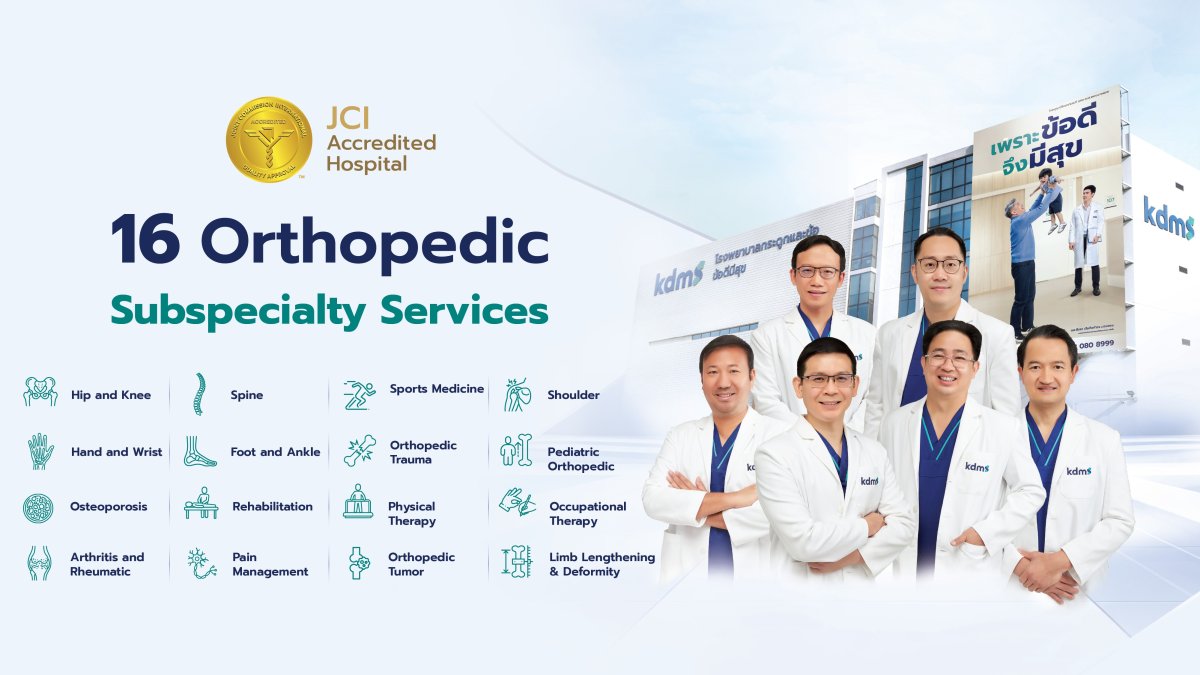
Perspectiva de los expertos de Bookimed: Los pacientes con fracturas por compresión vertebral deben priorizar centros especializados como el KDMS Specialized Orthopedic Hospital. Es el primer centro de Tailandia dedicado exclusivamente a la ortopedia, con 50 especialistas dedicados. Para casos complejos que involucran enfermedades óseas metabólicas, el Bumrungrad International Hospital ofrece atención acreditada por la JCI. Gestionan más de 1 millón de pacientes al año con imágenes digitales avanzadas. Para la recuperación posquirúrgica, el MRC Medical Revitalized Center ofrece fisioterapia personalizada y cuidado de ancianos.
| Tailandia | España | Turquía | |
|---|---|---|---|
| Plástico vertebral | ≈ $2,600 / 96,200฿ | de $22,500 / 832,500฿ | de $4,000 / 148,000฿ |
Descubra las mejores clínicas de tratamiento de Osteoporosis en Tailandia: 10 opciones verificadas y Precios



LUX KOR Hospital




MedConsult Bangkok Medical Clinic


Clínica The Demarest
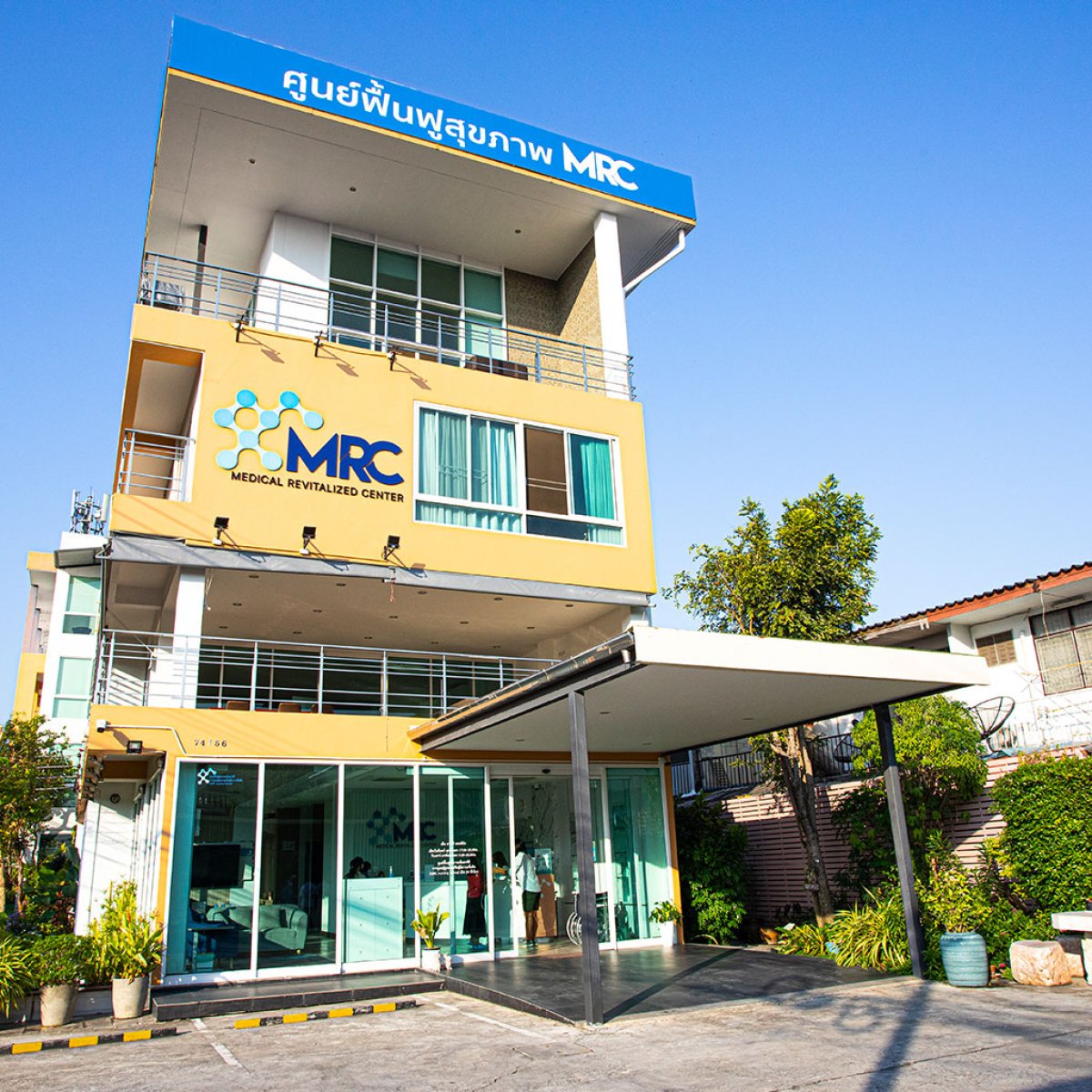
Centro Médico de Rehabilitación MRC
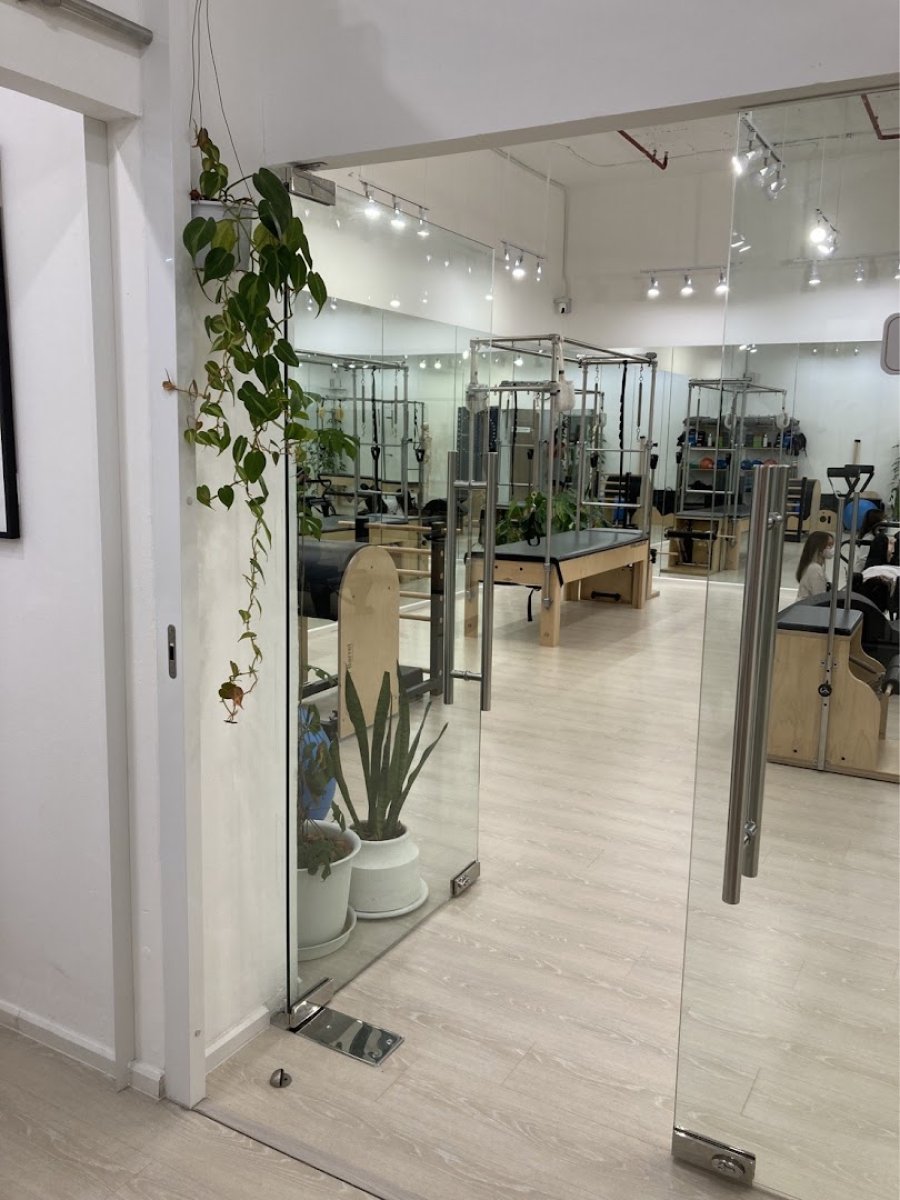
Le Physio Clinic
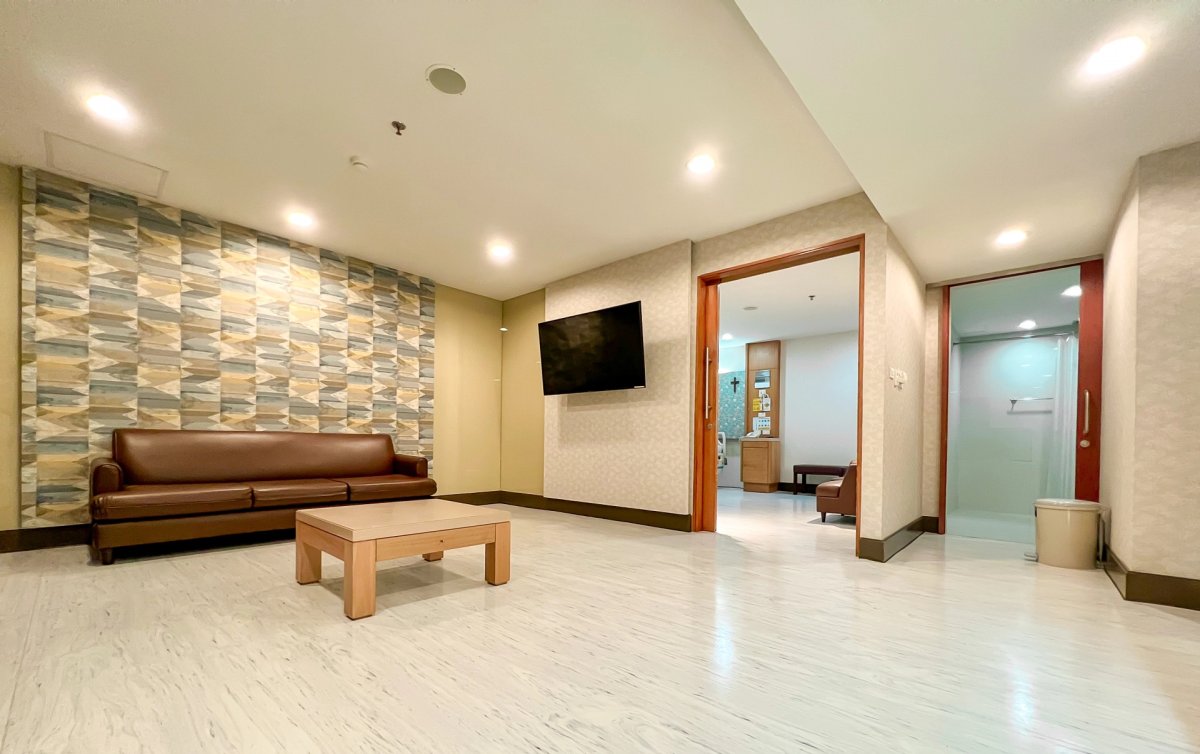
Bangkok Christian Hospital (BCH)
Obtenga una evaluación médica de tratamiento de Osteoporosis en Tailandia: haga una consulta con 15 médicos experimentados ahora
Ver todos los médicos
Dr Theeracha Wuttiphan
Especializado en el tratamiento de la osteoporosis con enfoque en afecciones articulares y de columna – El Dr. Wuttiphan combina su experiencia ortopédica con terapia de células madre en la ID Clinic Bangkok.
- Cirujano ortopédico con experiencia en la Universidad Thammasat y los hospitales Rajavithi
- Realiza terapia con células madre para el alivio del dolor articular y de espalda
- Formado en cirugía artroscópica para tratamientos mínimamente invasivos

Chollawat Thongthaisin
Especializado en medicina regenerativa con formación del American Board of Regenerative Medicine – El Dr. Thongthaisin integra enfoques de vanguardia en Vega Clinic.
- Licenciatura en Medicina de la Universidad de Siam
- Formación especializada en radiología en el Hospital Thammasat
- Trabajar en el Hospital Jomtien – el grupo de hospitales privados más grande de Tailandia
- Médico principal en Vega Stem Cell, centrado en consultas regenerativas

Dr Piya Assawaboonyadej
El Dr. Piya Assawaboonyadej se especializa en oncología ortopédica y osteoporosis con formación avanzada de la Universidad de Iowa.
- Formación de subespecialidad (fellowship) en oncología ortopédica y reconstrucción en EE. UU.
- Más de una década de experiencia en el tratamiento de trastornos óseos
- Miembro de la Sociedad Tailandesa de Tumores Musculoesqueléticos
- Investigaciones publicadas sobre tumores óseos y técnicas quirúrgicas

Pongsathorn Sitthisen
Cirujano ortopédico certificado especializado en cirugía de mano y extremidad superior, con experiencia en el tratamiento de afecciones degenerativas en Menness Wellness Clinic.
- Formación subespecializada en cirugía de mano y microcirugía en la Universidad de Chulalongkorn
- Se centra en la precisión quirúrgica y los resultados funcionales para los pacientes
- Experto en el tratamiento de lesiones tendinosas, fracturas y compresión nerviosa
- Proporciona atención centrada en el paciente con programas de tratamiento personalizados
Compartir contenido
Historias en video de pacientes de Bookimed
 Olena Sikoza
Preguntas frecuentes sobre el tratamiento de Osteoporosis en Tailandia
¿Qué tratamientos contra la osteoporosis están disponibles en Tailandia?
Los tratamientos para la osteoporosis en Tailandia incluyen bisfosfonatos intravenosos, manejo de enfermedades óseas metabólicas y reparación avanzada de fracturas. Los centros acreditados en Bangkok ofrecen escáneres de densidad ósea (DEXA) y atención geriátrica especializada. Los pacientes acceden a medicamentos como bisfosfonatos orales o infusiones intravenosas supervisadas por cirujanos ortopédicos y endocrinólogos certificados.
- Métodos de diagnóstico: Las exploraciones por absorciometría de rayos X de energía dual (DEXA) y los análisis de sangre miden la densidad mineral ósea.
- Intervenciones quirúrgicas: Procedimientos mínimamente invasivos como la vertebroplastia y la cifoplastia estabilizan las fracturas causadas por la pérdida ósea.
- Credenciales especializadas: Médicos como el Dr. Tanawat Amphansap cuentan con formación específica en enfermedades óseas metabólicas.
- Opciones regenerativas: Algunas clínicas ofrecen terapia con células madre para apoyar la salud articular y ósea.
Opinión de los expertos de Bookimed: El panorama médico de Tailandia cuenta con centros altamente especializados como el Hospital KDMS, el primer centro del país dedicado exclusivamente a la ortopedia. Esta especialización permite un enfoque integral donde las fracturas relacionadas con la osteoporosis y las causas metabólicas subyacentes se tratan simult
¿Debo someterme a una evaluación antes de comenzar el tratamiento contra la osteoporosis en Tailandia?
La evaluación médica es obligatoria antes de comenzar el tratamiento contra la osteoporosis en Tailandia. Los especialistas utilizan escaneos de densidad ósea (DXA) y la herramienta FRAX para evaluar el riesgo de fractura. Las verificaciones estándar previas al tratamiento también incluyen análisis de sangre para calcio, vitamina D y función renal para garantizar la seguridad de la medicación.
- Estándar de diagnóstico: Los escaneos DXA miden la pérdida de masa ósea utilizando niveles muy bajos de radiación.
- Detección metabólica: El Dr. Tanawat Amphansap en LUX KOR Hospital se especializa en trastornos óseos geriátricos.
- Instalaciones especializadas: El Hospital Ortopédico Especializado KDMS ofrece un centro integral para la salud ósea avanzada.
- Causas secundarias: Los análisis de sangre exhaustivos identifican problemas como desequilibrios tiroideos u hormonales antes del tratamiento.
Perspectiva del experto de Bookimed: Mientras que la mayoría de las clínicas se centran en el diagnóstico general, los mejores hospitales de Tailandia, como Bumrungrad International, utilizan imágenes digitales e IA para perfeccionar las predicciones de riesgo de fractura. Nuestros datos muestran que los pacientes mayores de 50 años suelen combinar las evaluaciones de osteoporosis con chequeos médicos integrales. Este enfoque a menudo identifica causas secu
¿Qué hospitales o centros en Tailandia son los mejores para el tratamiento de la osteoporosis?
Los mejores centros para el tratamiento de la osteoporosis en Tailandia incluyen el Hospital Internacional Bumrungrad y el Hospital Ortopédico Especializado KDMS. Estas instalaciones ofrecen escaneos avanzados de densidad ósea DEXA y consultas sobre trastornos metabólicos óseos. Muchos hospitales cuentan con la acreditación de la Joint Commission International por sus altos estándares de seguridad en la salud ósea geriátrica.
- Precisión diagnóstica: Los hospitales utilizan la absorciometría de rayos X de energía dual (DEXA) para mediciones precisas de la densidad mineral ósea.
- Experiencia especializada: El Dr. Tanawat Amphansap en LUX KOR se especializa en trastornos metabólicos óseos.
- Terapias avanzadas: Centros especializados como Vega Clinic ofrecen medicina regenerativa y terapias celulares.
- Cirugía dirigida: Las instalaciones realizan cifoplastia o vertebroplastia mínimamente invasiva para fracturas de columna relacionadas con la osteoporosis.
Perspectiva del experto de Bookimed: Aunque los hospitales generales ofrecen exámenes, el Hospital Ortopédico Especializado KDMS es el primer centro exclusivo de ortopedia en Tailandia. Este enfoque asegura espacios de tratamiento coordinado donde ortopedistas y fisioterapeutas trabajan juntos. Nuestros datos muestran que este enfoque integrado a menudo acelera la atención preventiva para paci
¿Cuánto tiempo necesitaré continuar con la medicación después de comenzar el tratamiento?
La medicación para la osteoporosis en Tailandia generalmente requiere un compromiso de 3 a 5 años. Los ortopedistas especialistas suelen controlar la densidad ósea mediante escaneos DEXA cada 1 a 2 años. La duración del tratamiento depende de los puntajes T y del historial previo de fracturas, no de un cronograma farmacéutico fijo.
- Ciclo de tratamiento: La mayoría de los pacientes toman bisfosfonatos durante 3 a 5 años inicialmente.
- Intervalo de seguimiento: Los escaneos DEXA se realizan cada 12 a 24 meses para realizar un seguimiento del progreso.
- Pausa en la medicación: Los médicos pueden pausar el tratamiento si la densidad ósea se estabiliza y los riesgos disminuyen.
- Cese abrupto: Ciertos fármacos como el denosumab requieren una reducción gradual supervisada para prevenir fracturas de rebote.
Perspectiva del experto de Bookimed: Si bien muchas clínicas ofrecen ortopedia general, hospitales como LUX KOR y KDMS cuentan con especialistas con formación avanzada del Reino Unido o Alemania específicamente en enfermedades óseas metabólicas. Seleccionar a un médico como el Dr. Tanawat Amphansap, quien posee una certificación de subespecialidad en trastornos óseos geriátricos, garantiza que su plan de medicación a largo plazo se base en datos metabólicos especializados en lugar de solo en protocolos quirúrgicos estándar.
Conse
¿Hay programas especializados de fisioterapia o ejercicio disponibles durante el tratamiento?
La fisioterapia especializada para la osteoporosis está ampliamente disponible en Bangkok en hospitales acreditados por la JCI y centros de rehabilitación especializados. Los programas enfatizan la rehabilitación ortopédica, la corrección de la postura y la prevención de caídas. Las técnicas avanzadas incluyen el sistema Re-step y el entrenamiento robótico de la marcha para mejorar el equilibrio y la seguridad de la salud ósea.
- Tratamientos principales: La rehabilitación ortopédica y el sistema Re-step se centran en la estabilidad de la marcha y el movimiento.
- Experiencia especializada: Médicos como el Dr. Tanawat Amphansap ofrecen becas sobre enfermedades óseas metabólicas de Europa.
- Equipo avanzado: Los asistentes robóticos y el entrenamiento de la marcha con exoesqueleto portátil mejoran la fuerza en pacientes de edad avanzada.
- Terapias de apoyo: El Pilates clínico y las intervenciones guiadas por ultrasonido se utilizan para el tratamiento del dolor crónico.
Perspectiva del experto de Bookimed: Si bien muchas clínicas generales ofrecen fisioterapia, seleccionar un centro como el Hospital Ortopédico Especializado KDMS brinda acceso al primer centro de servicio integral exclusivo de ortopedia de Tailandia. Sus espacios de cotratamiento permiten a los cirujanos y terapeutas coordinarse de inmediato, lo cual es vital para los pacientes
¿Puede Tailandia tratar la osteoporosis junto con otras enfermedades crónicas?
Tailandia trata la osteoporosis junto con afecciones comórbidas a través de atención integrada en hospitales multidisciplinarios acreditados por la JCI. Los centros utilizan escáneres DEXA y perfiles hormonales para ajustar los tratamientos para pacientes con diabetes o enfermedades renales. Las instalaciones ortopédicas especializadas brindan experiencia en vertebroplastia y trastornos óseos metabólicos para casos complejos de ancianos.
- Experiencia especializada: El Dr. Tanawat Amphansap en el Hospital LUX KOR se especializa en trastornos óseos metabólicos geriátricos.
- Precisión diagnóstica: Los hospitales utilizan escáneres DEXA, imágenes por TC y perfiles hormonales sanguíneos extendidos para la evaluación.
- Intervenciones avanzadas: Los cirujanos del KDMS Specialized Orthopedic Hospital realizan vertebroplastia y cifoplastia mínimamente invasivas.
- Rehabilitación integrada: Centros como el PYONG Rehabilitation Group ofrecen recuperación geriátrica centrada en la prevención de caídas.
Perspectiva del experto de Bookimed: Los principales hospitales privados de Tailandia, como el Bumrungrad International, atienden a 1 millón de pacientes anualmente en 70 departamentos. Esta escala masiva permite una coordinación fluida y el mismo día entre ortopedistas, endocrinólogos y nefrólogos. A menudo puede completar escáneres de densidad ósea y co
¿Qué estrategias de prevención de caídas se recomiendan mientras recibe tratamiento en Tailandia?
Las clínicas de Tailandia previenen las caídas mediante modificaciones ambientales y protocolos de movilidad específicos para pacientes con osteoporosis. Las instalaciones a menudo utilizan sistemas de sensores y proporcionan calzado antideslizante. Los equipos médicos realizan evaluaciones detalladas de la marcha y los efectos secundarios de los medicamentos. Estas estrategias garantizan la seguridad del paciente durante la recuperación de tratamientos de densidad ósea.
- Equipo de seguridad: Los hospitales utilizan alarmas de cama y sensores para alertar al personal durante el movimiento.
- Calzado estratégico: Los pacientes reciben calcetines antideslizantes o deben usar zapatos resistentes, cerrados y antideslizantes.
- Evaluaciones de riesgo: El personal evalúa las caídas en función de la cognición, los medicamentos actuales y la movilidad basal.
- Asistencia del personal: Los pacientes utilizan botones de llamada para obtener apoyo cuando se sienten mareados o inestables en las habitaciones.
Perspectiva del experto de Bookimed: Los centros especializados en Bangkok, como el Hospital KDMS, se centran exclusivamente en la ortopedia para minimizar los riesgos ambientales. Elegir una instalación ortopédica dedicada o un especialista en atención a ancianos como el MRC Medical Revitalized Center garantiza que el personal tenga una mayor compete