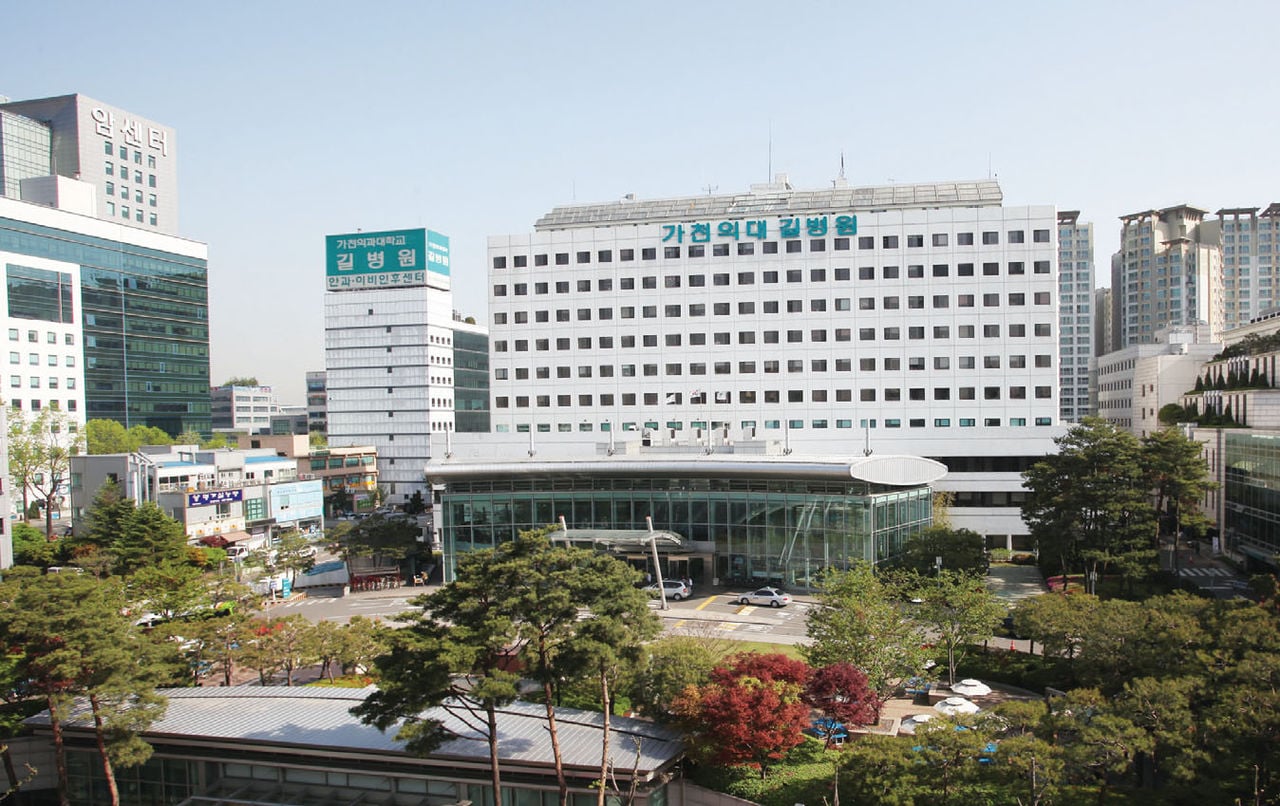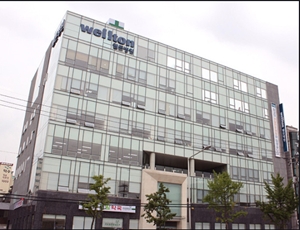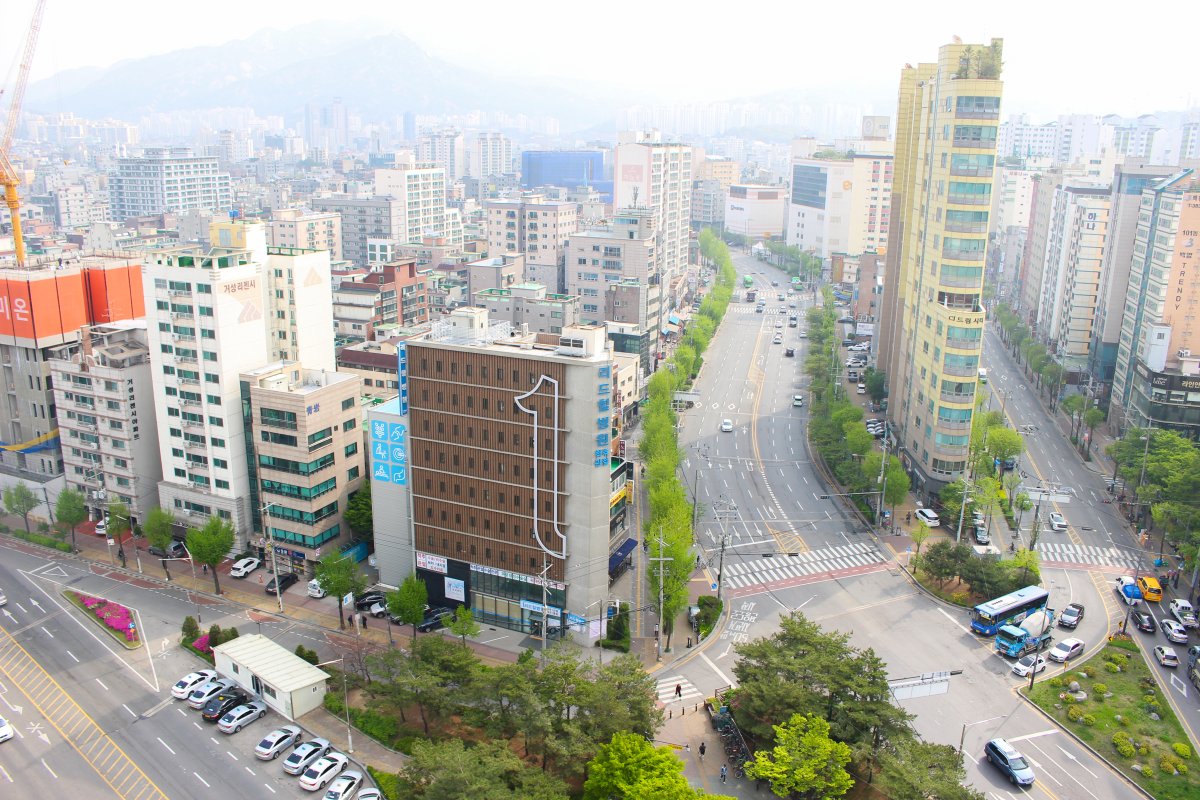
Clínica de columna y articulaciones Leadheal
Corea del Sur, Seúl


Revisado médicamente por
Fahad Mawlood
| Corea del Sur | España | Turquía | |
|---|---|---|---|
| Plástico vertebral | de $4,000 | ≈ $4,000 | de $4,000 |
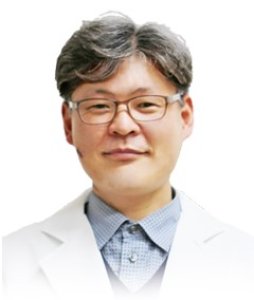
El Dr. Yang Yeongjun es cirujano ortopédico especializado en salud articular y artroscopia. Trata trastornos de rodilla y hombro y realiza cirugía artroscópica y reemplazo articular (artroplastia). También trata traumatismos y afecciones deportivas, incluidas lesiones deportivas, problemas del pie y tobillo, síndrome del túnel carpiano y fracturas.
Completó la residencia en cirugía ortopédica en el Catholic Medical Center y luego una beca de subespecialización en el St. Paul’s Hospital
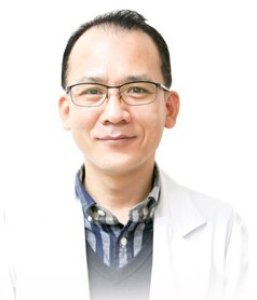
El Dr. Lee Dongyeop es cirujano ortopédico especializado en artroscopia y reemplazo articular. Realiza cirugía artroscópica (endoscopia articular) y reemplazo total de rodilla. Trata trastornos del hombro, lesiones deportivas y afecciones crónicas de la rodilla.
Credenciales: Programa combinado de M.D.-Ph.D., Escuela de Posgrado de Medicina de la Universidad Católica de Corea. Internado y residencia en cirugía ortopédica, Centro Médico Católico de la Universidad Católica de Corea. Inst
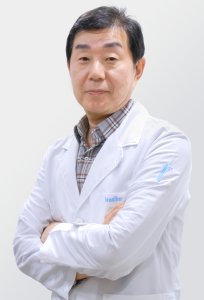
El Dr. Jang Hyo Kim es cirujano ortopédico centrado en la preservación articular y la reconstrucción compleja. Se especializa en artroscopia de hombro, rodilla, tobillo, codo y muñeca. Realiza reemplazos articulares de hombro, rodilla, tobillo, codo y cadera. En columna, realiza instrumentación y fusiones cervicales y lumbares. También efectúa discectomías, laminectomías, neuroplastias y vertebroplastias. Su práctica incluye el tratamiento de fracturas y la reparación de músculos y ligamentos
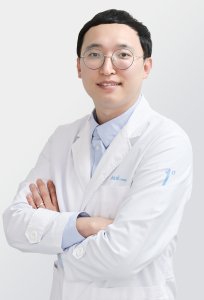
El Dr. Woo Kyung Kwak es cirujano ortopédico. Está especializado en cirugía mínimamente invasiva del pie y el tobillo (MICA para hallux valgus). También trata lesiones deportivas y realiza artroplastia total de rodilla, así como artroscopia avanzada de hombro y rodilla.
Obtuvo el título de médico (MD) y un máster en ciencias (MS) en la Universidad Nacional de Chonnam. Completó una beca de subespecialización en el Hospital de la Universidad Nacional de Chonnam. Se desempeñó como jefe de
 Olena Sikoza
Los medicamentos de primera línea estándar para la osteoporosis en Corea del Sur incluyen denosumab (Prolia), bisfosfonatos y romosozumab. Los especialistas locales los priorizan según el riesgo de fractura y la elegibilidad para el reembolso. La mayoría de los protocolos incorporan una densitometría ósea DEXA para confirmar el diagnóstico antes de comenzar con inyecciones subcutáneas o terapias orales.
Perspectiva del experto de Bookimed: Aunque el denosumab es la opción más frecuente en los principales centros de Seúl, médicos como el Dr. Lee Kyung Hoon del Hospital Na-Eun a menudo los combinan con diagnósticos avanzados. Los datos muestran que clínicas como el Hospital Leadheal atienden a más de 44.000 pacientes al año, enfatizando planes personalizados que integran medicamentos con opciones mínimamente invasivas como la vertebroplastia si ocurren fracturas.
Consenso de los paci
Los médicos coreanos recomiendan una pausa en la medicación (drug holiday) para pacientes que utilizan bisfosfonatos durante 3 a 5 años. Esta pausa planificada permite que el recambio óseo se restablezca mientras se mantiene la protección esquelética. Los médicos en centros como el Severance Hospital utilizan escáneres de densidad ósea para determinar si un paciente es un candidato seguro.
Perspectiva de expertos de Bookimed: La infraestructura de salud digital de Corea permite un seguimiento excepcionalmente preciso durante las pausas del tratamiento. Clínicas como el Seoul National University Bundang Hospital utilizan sistemas médicos avanzados para rastrear datos óseos a largo plazo. Esta tecnología garantiza que los pacientes en pausa de medicación reciban alertas inmediatas si su riesgo de fractura cambia.
La teriparatida y el romosozumab están ampliamente disponibles en los principales centros médicos de Corea del Sur. El Ministerio de Seguridad de Alimentos y Medicamentos (MFDS) aprobó el romosozumab en 2019. La teriparatida sigue siendo un tratamiento estándar para la formación ósea. Clínicas especializadas en ortopedia y endocrinología en Seúl ofrecen estas terapias inyectables anabólicas.
Perspectiva del experto de Bookimed: Aunque estos medicamentos son accesibles, algunos pacientes eligen hospitales como el Hospital Na-Eun o el Hospital Leadheal porque sus directores de ortopedia, como el Dr. Yang Young Joon o el Dr. Lee Kyung Hoon, se especializan específicamente en el manejo de la osteoporosis. Esta experiencia es crucial, ya que los datos globales muestran que los resultados exitosos dependen de la `secuenciación` de estos medicamentos con tratamientos antirresortivos de
La medicina tradicional coreana sirve como terapia complementaria de apoyo para la osteoporosis en Corea del Sur. Se centra en el manejo del dolor y la microcirculación mediante acupuntura o fórmulas herbales. Los pacientes deben utilizar estos tratamientos junto con la atención convencional, como los bisfosfonatos y las exploraciones DEXA, para garantizar que la densidad ósea se mantenga estable.
Perspectiva del experto de Bookimed: Aunque la medicina tradicional es popular para el bienestar, los hospitales de Corea del Sur enfatizan la atención integrada. Centros líderes como el Asan Medical Center y el Severance Hospital realizan miles de procedimientos ortopédicos anualmente. Especialistas altamente experimentados, como el Dr. Yang Young Joon del Hospital Na-Eun, brindan un enfoque equilibrado al combinar la estabilización de la osteoporosis con aten
Los turistas internacionales pueden acceder a atención avanzada para la osteoporosis en Corea del Sur a través de centros especializados en ortopedia y endocrinología. Instalaciones como el Hospital Bundang de la Universidad Nacional de Seúl ofrecen escaneos de densidad ósea (DEXA) e intervenciones quirúrgicas, incluida la vertebroplastia. La mayoría de los centros ofrecen informes de diagnóstico en inglés para la continuidad de la atención en el extranjero.
Perspectiva del experto de Bookimed: Si bien muchos buscan medicamentos, Corea del Sur destaca en la estabilización quirúrgica de los daños relacionados con la osteoporosis. Solo el Hospital Leadheal trata a más de 44.000 pacientes al año mediante cirugía de columna mínimamente invasiva. Los pacientes deben elegir centros con acreditación JCI o
Los pacientes extranjeros deben proporcionar un pasaporte físico válido y los resultados recientes de una densitometría ósea DXA con puntuaciones T y Z. Los hospitales coreanos requieren las imágenes originales en formato DICOM en un CD o USB. Todos los resúmenes médicos deben estar en inglés o coreano para evitar repetir pruebas de diagnóstico.
Perspectiva del experto de Bookimed: Mientras que los hospitales generales como el Asan Medical Center atienden a 2,7 millones de pacientes ambulatorios al año, centros especializados más pequeños como el Hospital Leadheal ofrecen planes de vertebroplastia altamente personalizados. Si ha experimentado una fractura por fragilidad, elegir un centro a