Prolapso de la válvula mitral en Lituania: clínica verificada para su tratamiento


Revisado médicamente por
Fahad Mawlood
¿Cuál es el precio del diagnóstico y los tratamientos de Prolapso de la válvula mitral en Lituania? Descubra ahora
Sus beneficios y garantías con Bookimed
Precios directos
Bookimed no añade cargos extra a los precios de los tratamientos de Prolapso de la válvula mitral. Las tarifas proceden de las listas de precios oficiales de las clínicas. Pagará directamente en la clínica por su tratamiento a su llegada al país.
Sólo clínicas y médicos verificados
Bookimed está comprometido con su seguridad. Solo trabajamos con las clínicas que mantienen altos estándares internacionales en el tratamiento de Prolapso de la válvula mitral y cuentan con las licencias necesarias para atender a pacientes internacionales en todo el mundo.
Asistencia 24/7 gratuita
Bookimed ofrece asistencia experta gratuita. Un coordinador médico personal le apoya antes, durante y después de su tratamiento, resolviendo cualquier problema. Nunca estará solo en su viaje médico de tratamiento de Prolapso de la válvula mitral.

Su coordinador médico personal de Bookimed
- Le apoya en cada etapa
- Ayuda a elegir la clínica y el médico adecuados
- Asegura un acceso rápido y conveniente a la información
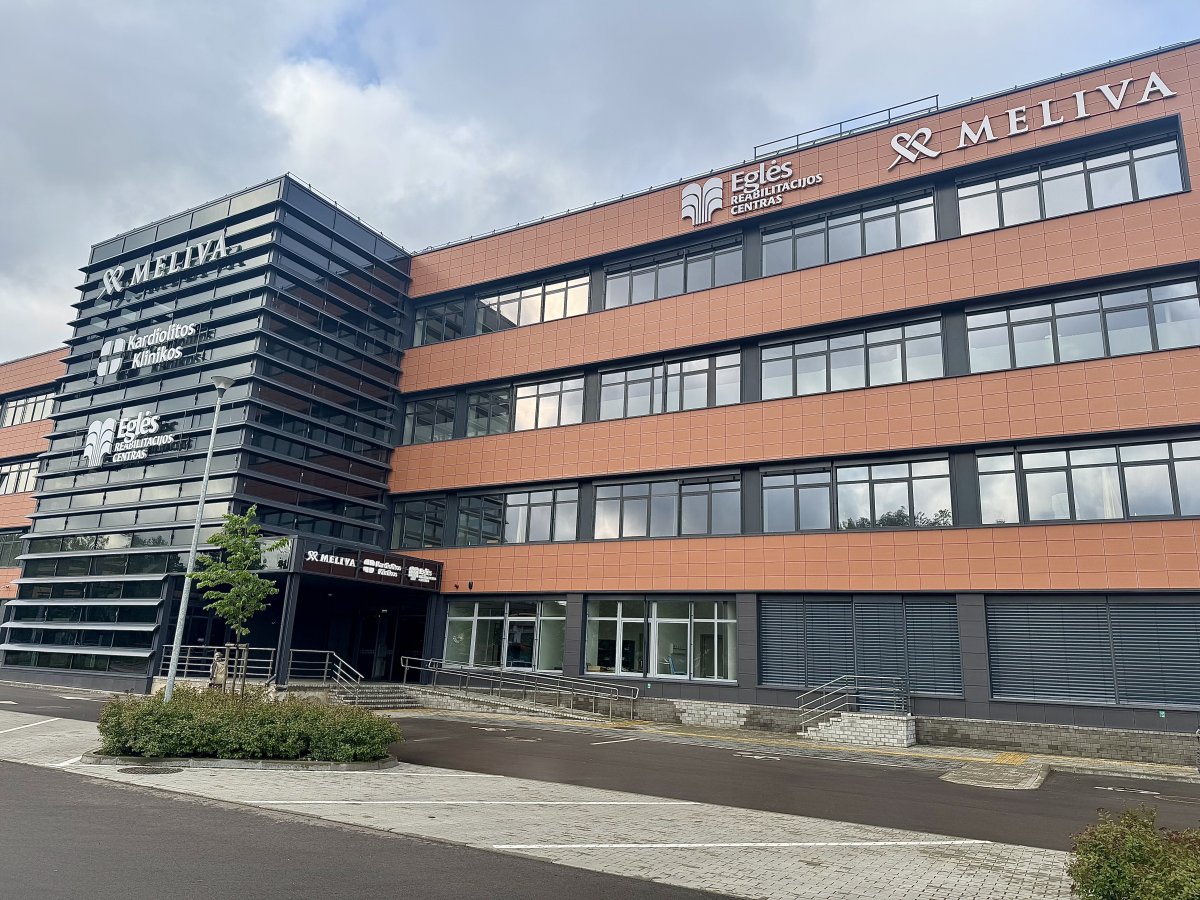
Descubra las mejores clínicas de tratamiento de Prolapso de la válvula mitral en Lituania: 1 opciones verificadas y Precios

Compartir contenido
Historias en video de pacientes de Bookimed
 Olena Sikoza
Preguntas frecuentes sobre el tratamiento de Prolapso de la válvula mitral en Lituania
¿Todos los pacientes diagnosticados con prolapso de la válvula mitral requieren cirugía inmediata?
La mayoría de los pacientes con prolapso de la válvula mitral no requieren cirugía inmediata. Esta afección suele ser benigna. Afecta aproximadamente al 2% de las personas en todo el mundo. Los médicos solo recomiendan la cirugía si el prolapso causa una fuga de sangre grave. El tratamiento se centra en el seguimiento a largo plazo mediante ecocardiogramas regulares.
- Indicaciones quirúrgicas: La cirugía es necesaria en casos de insuficiencia mitral grave.
- Esfuerzo cardíaco: La intervención se realiza si disminuye la fracción de eyección del ventrículo izquierdo.
- Manejo de complicaciones: La aparición de fibrilación auricular o hipertensión pulmonar requiere una evaluación inmediata.
- Tratamiento conservador: Muchos pacientes controlan los síntomas de palpitaciones con betabloqueantes.
Perspectiva de expertos de Bookimed: Los centros de alto volumen, como el Hospital Meliva Kardiolita en Vilna, priorizan la reparación de la válvula mitral. Esta técnica conserva mejor el tejido del propio paciente que un reemplazo total. Los datos muestran que este hospital trata a casi 300,000 pacientes al año en 33 departamentos. Elegir un centro de alto volumen garantiza que los cirujanos tengan la experiencia necesaria para reparaciones complejas. Esto es vital antes de que ocurra la remodelación cardíaca.
Consenso de los pacientes:
¿Se prefiere la reparación de la válvula mitral al reemplazo en las clínicas lituanas?
Los centros cardíacos lituanos, como el Hospital Meliva Kardiolita en Vilna, priorizan la reparación de la válvula mitral sobre el reemplazo. Los cirujanos siguen las directrices de la Sociedad Europea de Cardiología para preservar el tejido natural. Este enfoque evita el uso de anticoagulantes de por vida. También garantiza tasas de supervivencia más altas para los pacientes con prolapso de la válvula mitral.
- Cumplimiento de las directrices: Los especialistas lituanos siguen estrictamente las normas internacionales de la Sociedad Europea de Cardiología.
- Resultados de supervivencia: Preservar la anatomía nativa de la válvula da como resultado tasas de supervivencia a largo plazo superiores.
- Beneficios de la medicación: Una reparación exitosa elimina la necesidad de una terapia anticoagulante de por vida.
- Integridad estructural: Mantener la arquitectura natural de la válvula previene la futura dilatación cardíaca y complicaciones.
Perspectiva del experto de Bookimed: El Hospital Meliva Kardiolita trata a casi 300.000 pacientes al año a pesar de tener solo 54 camas. Este enorme rendimiento ambulatorio y quirúrgico sugiere un sistema de procedimientos altamente optimizado. La mayoría de los departamentos principales están consolidados en solo dos edificios. Esta configuración a menudo permite exámenes preoperatorios más rápidos antes de la
¿Cuáles son los mejores hospitales en Lituania para el tratamiento del prolapso de la válvula mitral?
Lituania es un líder regional en el tratamiento de la válvula mitral. Las mejores instalaciones incluyen el Hospital Meliva Kardiolita, el Hospital Universitario de Vilna Santaros Klinikos y las Clínicas de Kaunas. Estos centros se especializan en la reparación avanzada de la válvula mitral. Utilizan ecocardiografía 3D y técnicas mínimamente invasivas para garantizar altas tasas de éxito.
- Hospital Meliva Kardiolita: Este centro con sede en Vilna cuenta con acreditación JCI. Emplea a 510 médicos y trata a adultos.
- Santaros Klinikos: Un hospital universitario de primer nivel especializado en procedimientos complejos de reconstrucción de la válvula mitral.
- Clínicas de Kaunas: La instalación multidisciplinaria más grande. Ofrece experiencia de renombre mundial en reemplazo valvular.
- Diagnóstico avanzado: Los centros de alto volumen utilizan ecografía transesofágica para evaluar el grado preciso del prolapso valvular.
Perspectiva del experto de Bookimed: El Hospital Meliva Kardiolita destaca por su eficiencia. Gestiona 298.000 pacientes al año con 510 médicos. Esta alta capacidad de médicos por paciente reduce los tiempos de espera para reparaciones valvulares urgentes. Los pacientes internacionales se benefician del acceso directo a equipos quirúrgicos con estándares JCI sin las largas colas académicas.
Consenso de los pacien
¿Existen opciones mínimamente invasivas para la reparación del prolapso de la válvula mitral (PVM) en Lituania?
Lituania ofrece opciones mínimamente invasivas para la reparación del prolapso de la válvula mitral. Los centros especializados utilizan pequeñas incisiones en lugar de la esternotomía tradicional. Las técnicas incluyen la minitoracotomía derecha y la reparación endoscópica asistida por video. Estos métodos ayudan a tratar la insuficiencia mitral a través de incisiones de tan solo 4 cm.
- Acceso quirúrgico: Los cirujanos utilizan una incisión de 4 a 5 cm entre las costillas.
- Óptica avanzada: La toracoscopia 3D de alta definición proporciona una visión magnificada.
- Preservación de la válvula: Los especialistas utilizan anillos de anuloplastia y cuerdas sintéticas.
- Tiempos de recuperación: Los pacientes a menudo retoman sus actividades en un plazo de 2 semanas.
- Estándares de las instalaciones: Centros como el Hospital Meliva Kardiolita cuentan con la acreditación JCI.
Opinión de expertos de Bookimed: El Hospital Meliva Kardiolita utiliza una infraestructura privada para atender a 298,000 pacientes al año. Este alto volumen en 33 departamentos respalda a un sólido equipo de cirugía cardíaca. Para los pacientes que eligen Lituania, la combinación de los estándares JCI y la atención privada garantiza que se sigan estrictamente las directrices médicas occidentales.
Consenso de los pacientes: Los
¿Qué deberían preguntar los pacientes con características anatómicas complejas como la enfermedad de Barlow a su cirujano lituano?
Los pacientes con enfermedad de Barlow deben preguntar a los cirujanos lituanos sobre sus tasas personales de éxito en la reparación del prolapso multisegmentario. Las preguntas dirigidas deben cubrir técnicas específicas como la colocación de cuerdas artificiales y la selección del anillo de anuloplastia. Estos detalles aseguran que el cirujano pueda manejar la redundancia compleja de las valvas evitando el reemplazo valvular.
- Métricas de éxito: Pregunte por las tasas de reparación personales específicas para Barlow en lugar de las estadísticas generales del hospital.
- Enfoque técnico: Infórmese sobre la elección entre la resección de valvas o el uso de neocuerdas de PTFE.
- Prevención de complicaciones: Pregunte cómo planea el cirujano mitigar los riesgos de movimiento sistólico anterior (SAM).
- Protocolos de imagen: Confirme si el centro utiliza ecocardiografía transesofágica 3D intraoperatoria para la evaluación.
Perspectiva del experto de Bookimed: Las señales de calidad en Lituania a menudo se correlacionan con los altos volúmenes de pacientes observados en los principales centros. El Hospital Meliva Kardiolita en Vilna trata a 298.000 pacientes anualmente y cuenta con la acreditación JCI. Esta alta rotación quirúrgica sugiere que el personal está acostumbrado a un monitoreo postoperatorio complejo para pacientes con válvulas cardíaca
¿Cuál es la estructura típica de recuperación y estancia hospitalaria en Lituania?
Lituania emplea un enfoque de recuperación estructurado para el tratamiento de la válvula mitral. Los pacientes suelen pasar de 5 a 10 días en el hospital. Esto comienza con 1 a 2 días de monitorización en la UCI. La recuperación sigue un modelo organizado de tres etapas que garantiza una rehabilitación cardíaca continua desde la cama hasta el hogar.
- Monitorización intensiva: Los pacientes permanecen 48 horas para su estabilización en unidades de cuidados intensivos.
- Unidad de cardiología: Los pacientes son trasladados a plantas para la monitorización del ritmo y comprobaciones de movilidad.
- Rehabilitación de etapa 2: Unidades especializadas de hospitalización ofrecen fisioterapia durante 20 días si es necesario.
- Estancia de cuidados agudos: Los tratamientos quirúrgicos en Lituania tienen una media de 7,9 días para la recuperación aguda.
Perspectiva de expertos de Bookimed: Aunque las estancias quirúrgicas generales en Lituania tienen una media de 10,5 días, centros como el Hospital Meliva Kardiolita priorizan la deambulación temprana. Los pacientes que comienzan a caminar en las primeras 24 horas a menudo logran un alta más rápida. Este hospital trata a 298.000 pacientes al año, lo que demuestra una gran eficiencia en el manejo de volúmenes quirúrgicos internacionales. Su gran equipo de 510 médicos permite una estrecha vigilancia duran