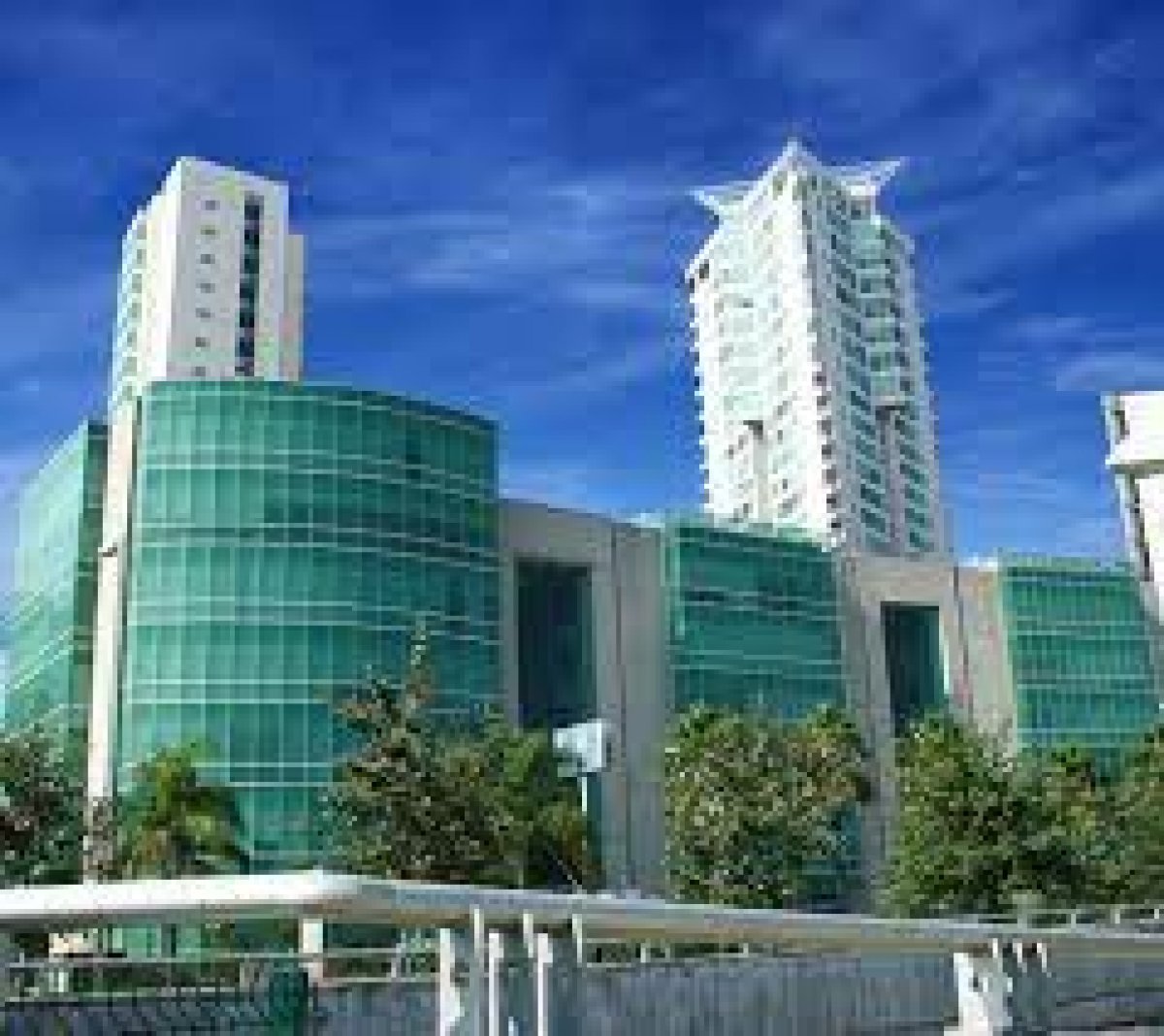
GDL Neurocirugía de Alta Especialidad
México, Guadalajara


Revisado médicamente por
Fahad Mawlood
| España | Turquía | México | |
|---|---|---|---|
| Resección transnasal de tumor | de $24,700 | de $8,600 | ≈ $11,000 |
| Radioterapia para el cáncer colorrectal | de $7,500 | de $5,000 | ≈ $6,000 |
| Gamma Knife | de $24,900 | de $5,500 | ≈ $9,500 |
| Extirpación de tumores cerebrales | de $27,100 | de $12,000 | de $18,000 |
| Craneotomía | de $32,400 | de $8,900 | de $12,000 |
Bookimed no añade cargos extra a los precios de los tratamientos de Adenoma hipofisario. Las tarifas proceden de las listas de precios oficiales de las clínicas. Pagará directamente en la clínica por su tratamiento a su llegada al país.
Bookimed está comprometido con su seguridad. Solo trabajamos con las clínicas que mantienen altos estándares internacionales en el tratamiento de Adenoma hipofisario y cuentan con las licencias necesarias para atender a pacientes internacionales en todo el mundo.
Bookimed ofrece asistencia experta gratuita. Un coordinador médico personal le apoya antes, durante y después de su tratamiento, resolviendo cualquier problema. Nunca estará solo en su viaje médico de tratamiento de Adenoma hipofisario.


El Dr. Pérez se especializa en enfoques holísticos en Holistic Bio Spa®, integrando técnicas avanzadas para el cuidado del adenoma hipofisario.

El Dr. Eduardo Fernández es uno de los únicos 50 especialistas certificados en terapia de células madre en México, con credenciales de un riguroso examen de 8 horas del Colegio Mexicano de Células Madre.

Escrito por Ana Hurevska
 Olena Sikoza
Las principales opciones de tratamiento para el adenoma hipofisario en México incluyen la resección transnasal, la craneotomía y la radiocirugía Gamma Knife. Los especialistas en Guadalajara y Ciudad de México utilizan técnicas endoscópicas para extirpar tumores a través de la cavidad nasal. Este enfoque mínimamente invasivo reduce el tiempo de recuperación y evita cicatrices visibles.
Perspectiva del experto de Bookimed: Aunque muchos pacientes miran hacia la Ciudad de México, Guadalajara se ha convertido en un centro concentrado para el volumen neuroquirúrgico. GDL High Specialty Neurosurgery por sí solo gestiona 690 pacientes al año. Este alto volumen sugiere un nivel de experiencia procedimental que a menudo rivaliza con los hospitales de las grandes capitales, particularmente para resecciones transnasales complejas realizadas por cirujanos especializados como el Dr. Karim Noe Zamora Amezcua.
Consen
El tratamiento de adenomas hipofisarios en México logra tasas de éxito de entre el 85% y el 95% en la extirpación de tumores. Los neurocirujanos especializados utilizan la cirugía endoscópica transesfenoidal para acceder a los tumores a través de la cavidad nasal. Este enfoque mínimamente invasivo garantiza una tasa de supervivencia a cinco años del 97% y tiempos de recuperación más rápidos.
Perspectiva de expertos de Bookimed: Los centros neuroquirúrgicos de alto volumen en México, como GDL High Specialty Neurosurgery, tratan a casi 700 pacientes al año. Este volumen es un indicador de calidad crítico. Los datos sugieren que los cirujanos que realizan más de 500 casos hipofisarios suelen alcanzar tasas de recurrencia inferiores al 10%. Los pacientes deben verificar si su cirujano se especializa específicamente en técnicas endoscópicas transnasales en lugar de craneotomía general.
Consenso de lo
Los mejores neurocirujanos de México se especializan en técnicas modernas mínimamente invasivas para el adenoma hipofisario. Los expertos trabajan en centros como GDL High Specialty Neurosurgery en Guadalajara. Estas instalaciones ofrecen resección transnasal y radiación Gamma Knife. Los hospitales de la Ciudad de México a menudo cuentan con membresía en la Mayo Clinic Care Network.
Perspectiva de expertos de Bookimed: Las clínicas de alto volumen como GDL High Specialty Neurosurgery brindan una especialización esencial más allá de la neurocirugía general. Este centro trata a casi 700 pacientes anualmente con solo 2 médicos dedicados. Esta alta proporción de pacientes por médico sugiere una experiencia concentrada en vías quirúrgicas específicas. Los pacientes deben verificar si los cirujanos realizan al menos 50 cirugías hipofisarias al año.
Consenso de los pacientes: Los pa
Los pacientes internacionales generalmente pagan por adelantado el tratamiento del adenoma hipofisario en México mediante tarjetas de crédito o transferencias bancarias. Aunque la mayoría de las clínicas no ofrecen financiación interna directa para no residentes, los pacientes suelen obtener fondos a través de prestamistas médicos externos o préstamos personales en sus países de origen.
Perspectiva del experto de Bookimed: Si bien los centros de neurocirugía general en México atienden a cientos de pacientes al año, la atención especializada está concentrada. GDL High Specialty Neurosurgery en Guadalajara trata a casi 690 pacientes cada año con un personal dedicado. Este alto volumen a menudo conduce a prácticas de facturación médica más transparentes para los casos internacionales.
Consenso de los pacientes: Los pacientes enfatizan la