Tratamiento de Adenoma hipofisario en Turquía — obtenga 3 coincidencias personalizadas de clínicas


Revisado médicamente por
Fahad Mawlood
Cómo funciona
¿Cuál es el precio del diagnóstico y los tratamientos de Adenoma hipofisario en Turquía? Descubra ahora
El costo del tratamiento de adenoma hipofisario en Turquía varía según el plan de tratamiento específico. La cirugía endoscópica de la hipófisis comienza en 6.600 €. Un plan integral, que incluye consulta, resonancia magnética con contraste, tomografías computarizadas y cirugía utilizando tecnología de neuronavegación, puede costar entre 20.700 € y 23.500 €. El plan de tratamiento final y el costo se determinan después de una evaluación detallada por parte del equipo médico.
Descubra las mejores clínicas de tratamiento de Adenoma hipofisario en Turquía: 41 opciones verificadas y Precios








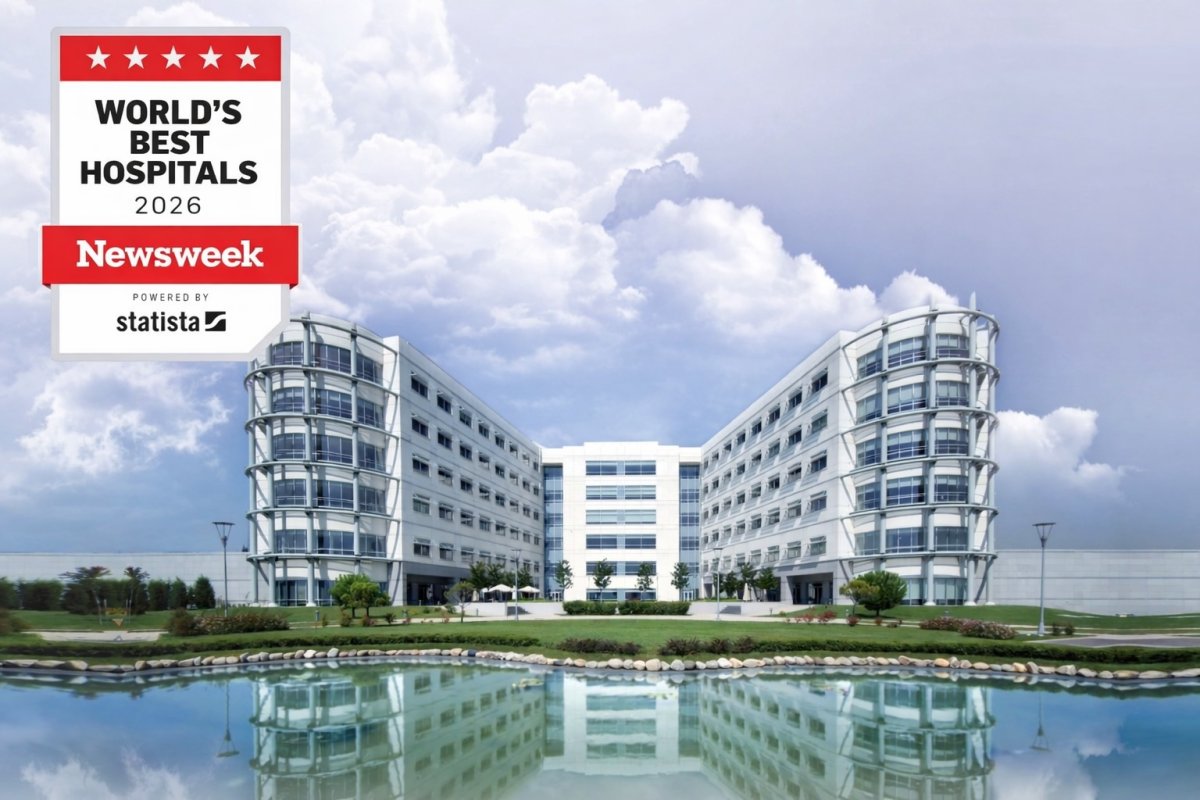



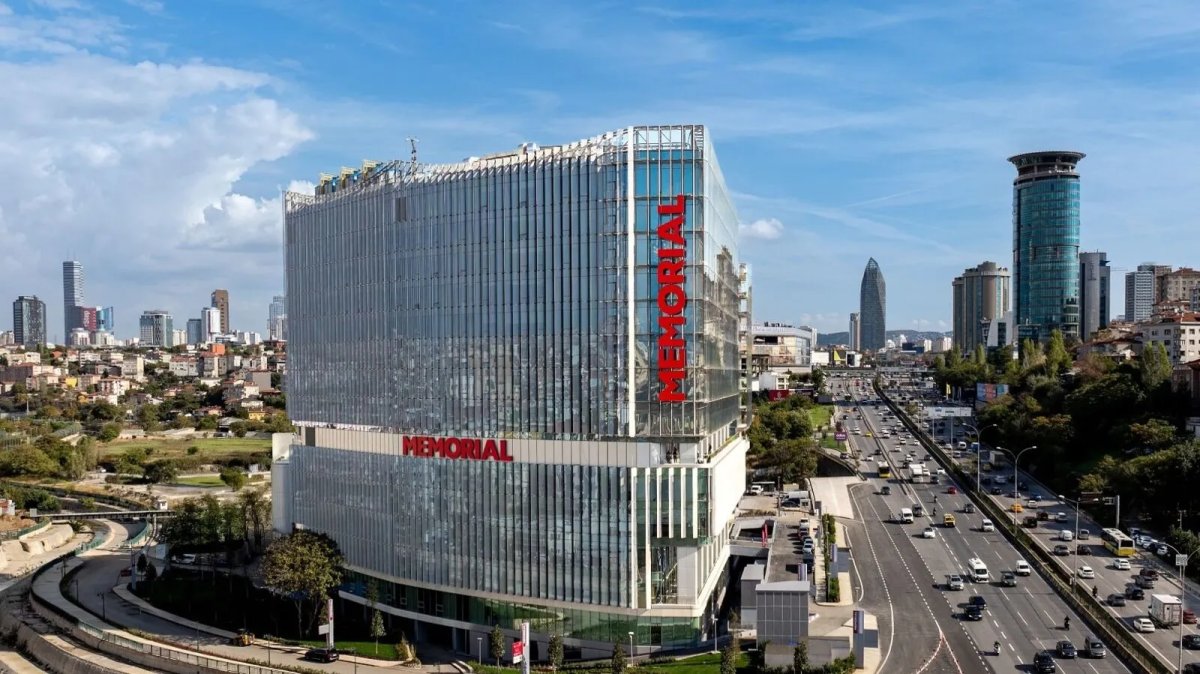
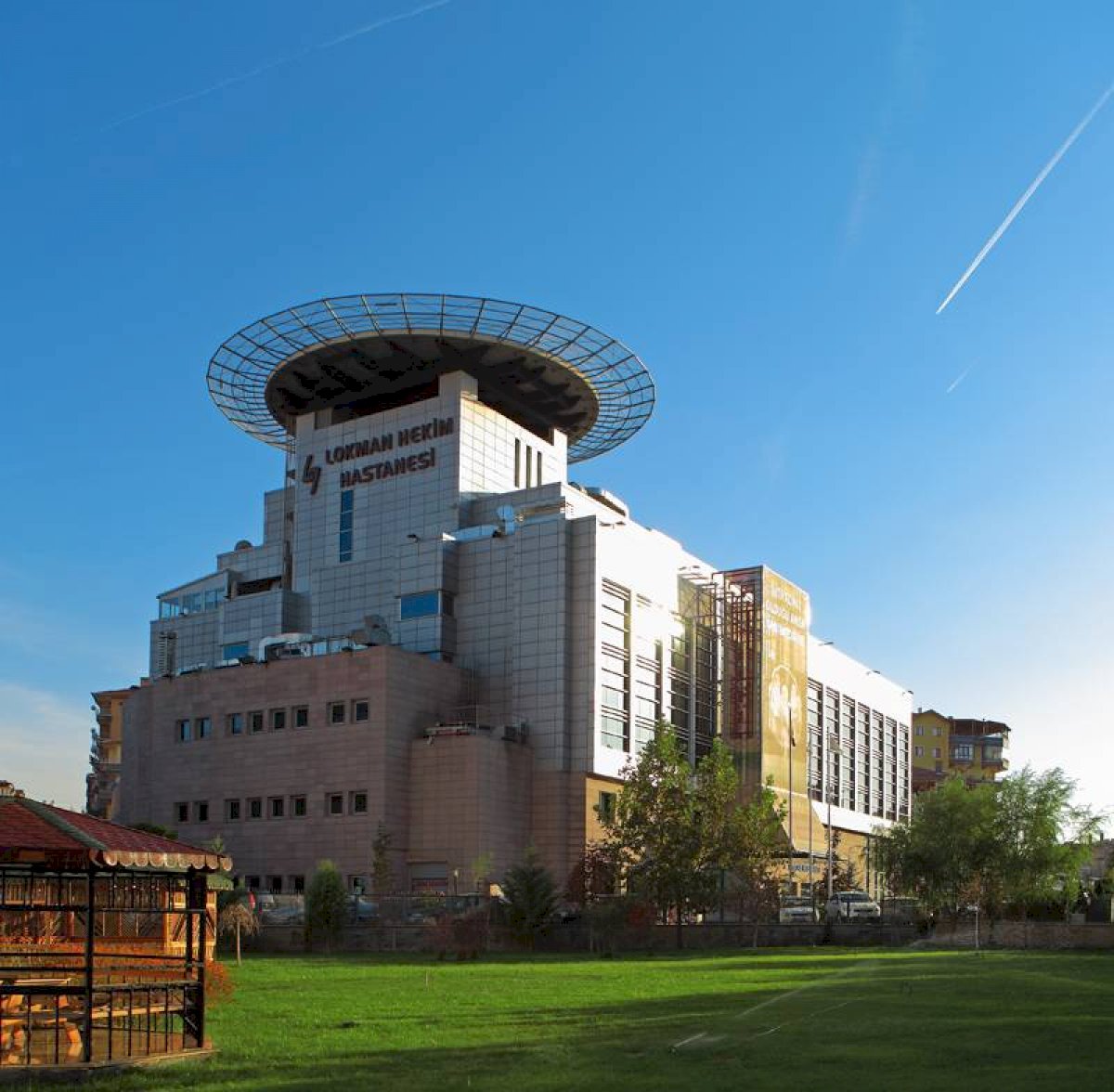
Memorial Göztepe Hospital




Obtenga una evaluación médica de tratamiento de Adenoma hipofisario en Turquía: haga una consulta con 46 médicos experimentados ahora
Ver todos los médicos
Ertugrul Pinar
El Dr. Pinar ha realizado más de 900 procedimientos neuroquirúrgicos, especializándose en adenomas hipofisarios y otros tumores cerebrales en el Hisar Hospital Intercontinental.
- 10 años de experiencia en neurocirugía
- Formación en neurocirugía en la Universidad de Mármara
- Experiencia en afecciones cerebrales tanto en adultos como en niños
- Enfoque especial en tumores de la base del cráneo e intraventriculares

Ahmet Hilmi Kaya
El Prof. Dr. Ahmet Hilmi Kaya es profesor de neurocirugía en el Centro Médico Anadolu, en Gebze (Turquía). Obtuvo el título de médico (MD) en la Universidad de Estambul, Cerrahpaşa (programa en inglés), donde realizó la residencia en neurocirugía entre 1996 y 2003. Fue nombrado profesor en 2015. Realizó estancias de observación en la Universidad de Maastricht en 2007 y 2009.
Su actividad clínica abarca la neurocirugía funcional y estereotáxica, incluida la estimulación cerebral profund

Hasan Ozgur Ozdemir
El Prof. Dr. Hasan Ozgur Ozdemir se especializa en cirugía cerebral endoscópica, con años de experiencia en el tratamiento de adenomas hipofisarios en Medical Park Antalya.
- Neurocirujano certificado con más de _doctor_9311_ años de práctica
- Experto en técnicas endoscópicas mínimamente invasivas
- Galardonado con el 1er lugar en el Examen de Competencia de la Sociedad Turca de Neurocirugía
- Miembro de la Sociedad Turca de Neurocirugía

Erhan Arslan
El profesor Erhan Arslan se especializa en neurocirugía mínimamente invasiva para adenomas hipofisarios en el hospital VM Medical Park Pendik.
- Más de _doctor_8213_ años de experiencia en neurocirugía
- Experto en cirugía de tumores cerebrales y de médula espinal
- Completó observación clínica en el Hospital Central de la Universidad de Helsinki
- Publicó investigaciones sobre técnicas neuroquirúrgicas innovadoras
- Miembro de la Asociación Turca de Neurocirugía
Reseñas
Todas las reseñasArtículos relacionados

Cuánto cuesta el tratamiento del adenoma pituitario
Escrito por Ana Hurevska
Compartir contenido
Historias en video de pacientes de Bookimed
 Olena Sikoza
Preguntas frecuentes sobre el tratamiento de Adenoma hipofisario en Turquía
¿Cuál es la tasa de éxito del tratamiento de adenoma hipofisario en Turquía?
Las tasas de éxito para el tratamiento de adenoma hipofisario en Turquía alcanzan del 85% al 90% en casos estándar. Los equipos neuroquirúrgicos especializados a menudo logran hasta un 92% de éxito utilizando técnicas endoscópicas mínimamente invasivas. Los resultados dependen del tamaño del tumor y de la experiencia quirúrgica especializada del centro.
- Cirugía endoscópica: Los cirujanos reportan tasas de éxito entre el 89% y el 92% para la extirpación de tumores.
- Radioterapia: Los casos recurrentes o residuales muestran tasas de éxito estimadas del 78% al 87%.
- Gamma Knife: Esta opción de radiocirugía no invasiva mantiene un rango de eficacia del 66% al 83%.
- Remisión de microadenomas: Los tumores más pequeños de menos de 1 centímetro generalmente producen tasas de remisión significativamente más altas.
Perspectiva del experto de Bookimed: La neurocirugía turca destaca por utilizar equipos duales de otorrinolaringólogos y neurocirujanos para procedimientos endoscópicos. El Anadolu Medical Center y el Memorial Ankara Hospital utilizan este enfoque conjunto con regularidad. Esta colaboración garantiza un acceso nasal preciso y una extracción tumoral más segura durante cirugías complejas. Los datos muestran que este método multidisciplinario ayuda a mantener tasas de éxito más altas para macroadenomas grandes.
Consenso de los
¿Es seguro viajar a Turquía para una cirugía de hipófisis?
Turquía es segura para la cirugía de hipófisis debido a la alta precisión quirúrgica y a las estrictas regulaciones internacionales. Los centros de neurocirugía turcos reportan tasas de éxito de entre el 85% y el 90%. Las instalaciones mantienen la acreditación de la Joint Commission International (JCI). Las clínicas modernas utilizan resonancia magnética de 3 Teslas y neuronavigación para proteger los nervios ópticos críticos.
- Instalaciones acreditadas: El Anadolu Medical Center cuenta con certificaciones JCI y OECI de seguridad.
- Cirujanos expertos: Los especialistas del Hospital Memorial Şişli a menudo cuentan con formación internacional en institutos globales.
- Herramientas avanzadas: El Medipol Mega University Hospital utiliza resonancia magnética intraoperatoria para el monitoreo quirúrgico en tiempo real.
- Seguro obligatorio: Las nuevas regulaciones de 2026 exigen un seguro contra complicaciones para todos los pacientes quirúrgicos internacionales.
Perspectiva del experto de Bookimed: La seguridad a menudo se correlaciona con comités neuroendocrinos especializados. El Anadolu Medical Center ofrece un comité dedicado para estos casos. Esto garantiza que varios expertos revisen su tumor antes de la cirugía. Este enfoque de equipo reduce significativamente el riesgo de desequilibrios hormonales después del procedimiento. Es una caracte
¿Qué tecnologías modernas se utilizan para la cirugía de adenoma hipofisario en Turquía?
Los neurocirujanos turcos utilizan la cirugía endoscópica transesfenoidal para extirpar adenomas hipofisarios a través de la nariz. Este método mínimamente invasivo evita incisiones externas. Los neuroendoscopios 4K de alta definición proporcionan visualización 3D. Los centros especializados utilizan neuronavigación y resonancia magnética intraoperatoria para garantizar la máxima extirpación del tumor y la seguridad.
- Visualización endoscópica: Los endoscopios 4K y HD ofrecen vistas de alta definición de los rincones ocultos del tumor.
- Sistemas de neuronavigación: El mapeo 3D en tiempo real rastrea los instrumentos quirúrgicos como un GPS para el cerebro.
- Resonancia magnética intraoperatoria: Los cirujanos realizan escaneos durante la cirugía para comprobar si queda alguna masa tumoral residual.
- Tecnología de radiación: Gamma Knife Icon y CyberKnife proporcionan un tratamiento no invasivo para casos complejos o recurrentes.
- Monitoreo nervioso: La neuromonitorización intraoperatoria protege los nervios ópticos y las funciones cerebrales críticas durante el procedimiento.
Perspectiva del experto de Bookimed: Hospitales turcos como Anadolu Medical Center y Memorial Bahcelievler integran el diagnóstico y la cirugía en un mismo edificio. A menudo utilizan resonancia magnética de 3 Teslas y tomografías computarizadas
¿Cuál es el cronograma típico de recuperación después de una cirugía de adenoma hipofisario en Turquía?
Los pacientes en Turquía suelen pasar de 5 a 7 días en el hospital para su monitoreo. La recuperación inicial en casa toma alrededor de 2 semanas. La mayoría de las personas regresan al trabajo dentro de las 4 semanas. La actividad física completa generalmente se reanuda después de 3 meses. Los cirujanos a menudo utilizan técnicas endoscópicas mínimamente invasivas para acelerar la curación.
- Alta inicial: Los pacientes a menudo salen del hospital dentro de los 3 días.
- Recuperación de los senos paranasales: La secreción nasal y la congestión generalmente se resuelven para la semana 3.
- Límites de actividad: Levantar objetos pesados y sonarse la nariz están prohibidos durante 6 semanas.
- Estabilización hormonal: La visión y los niveles hormonales a menudo se estabilizan dentro de los 4 meses.
Perspectiva del experto de Bookimed: Los departamentos de neurocirugía turcos a menudo integran chequeos endocrinológicos directamente en la estancia de 7 días. Centros como el Anadolu Medical Center o el Hisar Intercontinental Hospital aprovechan este tiempo. Verifican los niveles hormonales antes de su vuelo de regreso a casa. Este enfoque multidisciplinario reduce el riesgo de complicaciones después del alta. Garantiza un viaje aéreo seguro después de una cirugía cerebral.
Consenso de los pacientes: Los pacientes destacan que
¿Qué cubre habitualmente un paquete de tratamiento todo incluido para el adenoma hipofisario en Turquía?
Los paquetes todo incluido para adenoma hipofisario en Turquía cubren los gastos quirúrgicos y las estancias hospitalarias. Combinan neurocirugía avanzada con logística VIP para pacientes internacionales. La mayoría de los paquetes incluyen cirugía endoscópica transnasal y monitorización en la UCI. Los traslados y las estancias en hoteles de lujo para acompañantes son inclusiones estándar.
- Procedimientos quirúrgicos: Los paquetes incluyen cirugía endoscópica o craneotomía y anestesia.
- Diagnóstico por imagen: La resonancia magnética con contraste y los perfiles hormonales en sangre forman parte del paquete.
- Instalaciones hospitalarias: Las estancias hospitalarias suelen incluir 1 o 2 noches en la UCI.
- Logística de viaje: Los traslados VIP aeropuerto-clínica y las estancias en hotel suelen estar cubiertos.
- Asistencia lingüística: Intérpretes personales gestionan la comunicación médica durante todo el proceso.
Perspectiva del experto de Bookimed: Los paquetes turcos suelen priorizar equipos de alta tecnología como la resonancia magnética intraoperatoria. Esta herramienta identifica el tejido tumoral residual durante la propia cirugía. Esto reduce el riesgo de necesitar una segunda operación. Es una inclusión vital para los casos hipofisarios complejos.
Consenso de los pacientes: Los pacient
¿Tendré cicatrices visibles después de una cirugía de adenoma hipofisario en Turquía?
Es poco probable que queden cicatrices faciales visibles después de una cirugía de adenoma hipofisario en Turquía. Las clínicas modernas utilizan la cirugía endoscópica transesfenoidal. Este método accede al tumor a través de las fosas nasales. No se realizan incisiones externas en la cara. Algunos pacientes pueden tener pequeñas cicatrices abdominales si se requiere un injerto de grasa.
- Abordaje quirúrgico: Los cirujanos utilizan la nariz como punto de entrada natural.
- Cicatrices externas: Las técnicas endoscópicas no dejan marcas permanentes en la piel de la cara.
- Sitios de injerto: Pueden realizarse pequeñas incisiones en el abdomen o el muslo para sellar el líquido cefalorraquídeo.
- Craneotomía poco frecuente: Los tumores complejos pueden requerir incisiones en el cuero cabelludo ocultas tras la línea del cabello.
Perspectiva de expertos de Bookimed: Nuestros datos muestran que la mayoría de los pacientes eligen Estambul por sus centros de neurocirugía de gran volumen. El Hospital Memorial Sisli y el Centro Médico Anadolu utilizan resonancia magnética intraoperatoria avanzada. Esta tecnología ayuda a los cirujanos a verificar la extirpación del tumor durante el procedimiento. Reduce la necesidad de repetir cirugías e incisiones adicionales.
Consenso de los pacientes: Los pacientes a menudo se sorprenden por la
¿Cuánto tiempo debo planificar para mi estancia en Turquía para el tratamiento de un adenoma hipofisario?
Planifique una estancia total de 10 a 14 días en Turquía. La hospitalización suele durar de 4 a 8 días después de la cirugía endoscópica. La mayoría de los pacientes permanecen en la zona durante una semana después del alta. Esto confirma la estabilidad y el equilibrio hormonal antes del vuelo de regreso.
- Duración de la hospitalización: Los pacientes quirúrgicos suelen pasar de 4 a 8 días en la clínica.
- Monitoreo en UCI: Espere pasar una noche en la UCI para una observación postoperatoria cercana.
- Autorización para viajar: Los médicos suelen autorizar a los pacientes a volar a casa 14 días después de la cirugía.
- Restricciones físicas: Evite sonarse la nariz y levantar objetos pesados durante las 12 semanas posteriores al procedimiento.
Opinión de expertos de Bookimed: Busque paquetes que incluyan específicamente más de 3 noches de hospitalización. Aunque algunas clínicas ofrecen paquetes más cortos, nuestros datos muestran que la mayoría de los cirujanos prefieren de 4 a 8 días. El Dr. Selcuk Gocmen, del Centro Médico Anadolu, por ejemplo, enfatiza esta vigilancia inicial. Este periodo es vital para detectar cualquier fluctuación hormonal temprana o fuga de líquido.
Consenso de los pacientes: Los pacientes mencionan que la estancia en el hospital se siente larga pero necesaria por seguridad. A menudo señalan que