Adenoma hipofisario en Corea del Sur: las 11 mejores clínicas para su tratamiento


Revisado médicamente por
Fahad Mawlood
¿Cuál es el precio del diagnóstico y los tratamientos de Adenoma hipofisario en Corea del Sur? Descubra ahora
| Corea del Sur | España | Turquía | |
|---|---|---|---|
| Resección transnasal de tumor | ≈ $14,000 | de $24,700 | de $8,600 |
| Radioterapia para el cáncer colorrectal | ≈ $9,000 | de $7,500 | de $5,000 |
| Gamma Knife | de $10,000 | de $20,400 | de $5,500 |
| Extirpación de tumores cerebrales | de $19,000 | de $21,500 | de $12,000 |
| Craneotomía | de $20,000 | de $32,500 | de $8,900 |
Sus beneficios y garantías con Bookimed
Precios directos
Bookimed no añade cargos extra a los precios de los tratamientos de Adenoma hipofisario. Las tarifas proceden de las listas de precios oficiales de las clínicas. Pagará directamente en la clínica por su tratamiento a su llegada al país.
Sólo clínicas y médicos verificados
Bookimed está comprometido con su seguridad. Solo trabajamos con las clínicas que mantienen altos estándares internacionales en el tratamiento de Adenoma hipofisario y cuentan con las licencias necesarias para atender a pacientes internacionales en todo el mundo.
Asistencia 24/7 gratuita
Bookimed ofrece asistencia experta gratuita. Un coordinador médico personal le apoya antes, durante y después de su tratamiento, resolviendo cualquier problema. Nunca estará solo en su viaje médico de tratamiento de Adenoma hipofisario.

Su coordinador médico personal de Bookimed
- Le apoya en cada etapa
- Ayuda a elegir la clínica y el médico adecuados
- Asegura un acceso rápido y conveniente a la información
Descubra las mejores clínicas de tratamiento de Adenoma hipofisario en Corea del Sur: 11 opciones verificadas y Precios










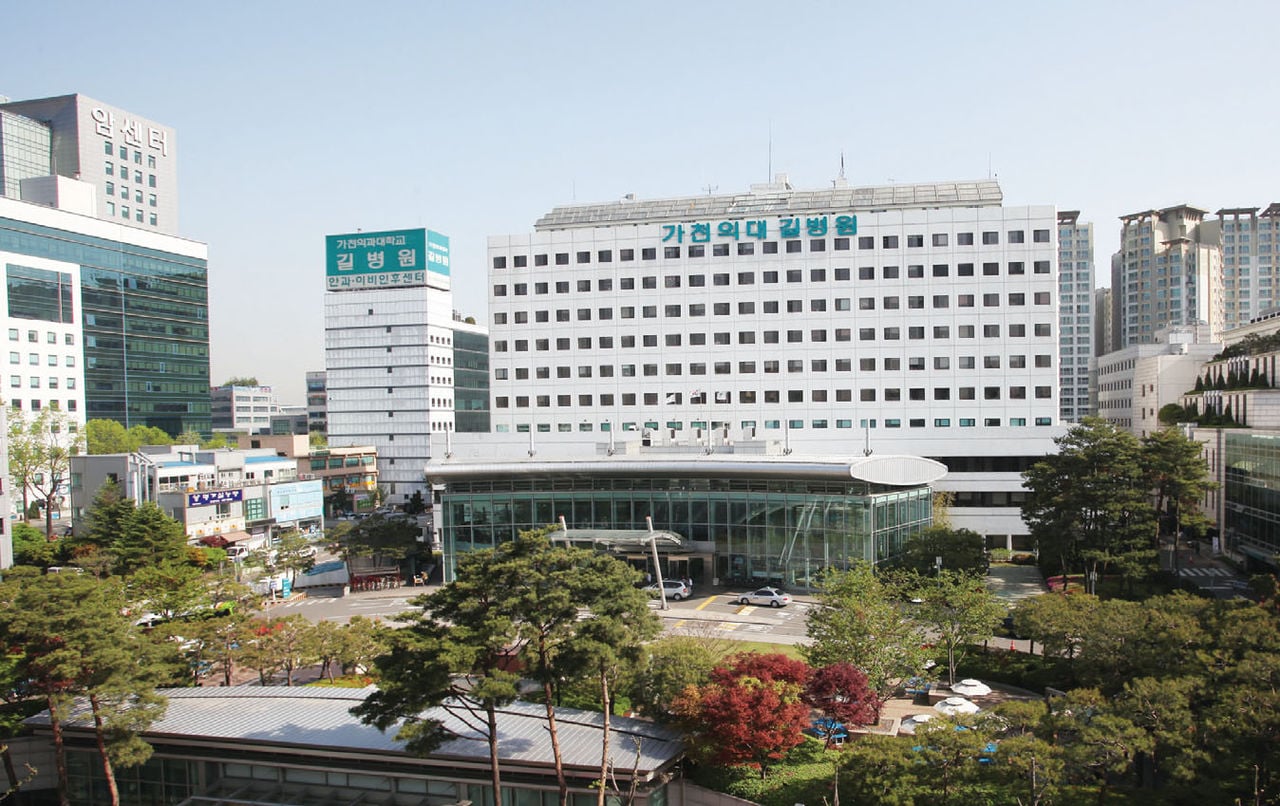




Bumin Hospital Seoul
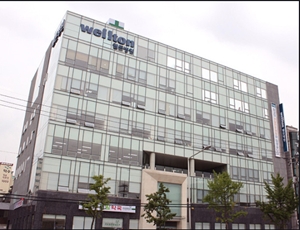
Wellton Hospital

Wiltse Memorial Hospital

Artículos relacionados

Cuánto cuesta el tratamiento del adenoma pituitario
Escrito por Ana Hurevska
Compartir contenido
Historias en video de pacientes de Bookimed
 Olena Sikoza
Preguntas frecuentes sobre el tratamiento de Adenoma hipofisario en Corea del Sur
¿Cuáles son las principales opciones de tratamiento para el adenoma hipofisario en Corea del Sur?
El tratamiento principal para el adenoma hipofisario en Corea del Sur implica cirugía endoscópica transesfenoidal o radiocirugía de alta precisión. Centros como el Asan Medical Center utilizan Gamma Knife y CyberKnife para el control no invasivo de tumores. Los equipos multidisciplinarios suelen combinar neurocirugía y endocrinología para gestionar los niveles hormonales y la preservación de la visión.
- Enfoque quirúrgico: La cirugía endoscópica endonasal permite la extirpación del tumor a través de la nariz sin incisiones externas.
- Opciones de radiocirugía: Gamma Knife y CyberKnife atacan las células tumorales residuales con precisión submilimétrica.
- Terapia médica: Los agonistas de la dopamina como la cabergolina reducen eficazmente los tumores secretores de prolactina sin necesidad de cirugía.
- Diagnóstico avanzado: La resonancia magnética cerebral de alta resolución con contraste y el perfil hormonal aseguran una estadificación precisa del tumor.
Perspectiva del experto de Bookimed: Las instituciones a gran escala de Corea, como el Asan Medical Center, realizan más de 65,000 operaciones al año. Este inmenso volumen conduce a una alta competencia técnica en delicados procedimientos neuroquirúrgicos. Aunque existen clínicas más pequeñas, la concentración de sistemas robóticos y tomografía computarizada intraoperatoria en los principales
¿Qué hospitales en Corea del Sur son reconocidos por la alta calidad en el tratamiento de adenomas hipofisarios?
Corea del Sur ofrece atención de alta calidad para adenomas hipofisarios en instituciones acreditadas por la JCI, como el Severance Hospital y el Asan Medical Center. Estas instalaciones utilizan cirugía endoscópica transnasal y radiocirugía Gamma Knife. Los centros especializados en Seúl integran la neurocirugía con la endocrinología para garantizar un manejo hormonal preciso y una seguridad óptima del paciente.
- Asan Medical Center: El hospital más grande de Corea. Cuenta con una Clínica de Hipófisis dedicada para la atención metabólica integrada.
- Severance Hospital: Instalación acreditada por la JCI. Utiliza cirugía robótica avanzada e imágenes digitales para la extirpación de tumores.
- SNU Bundang Hospital: El primer hospital digital de Corea. Utiliza el sistema BESTcare para prevenir errores médicos.
- Gachon University Gil: Centro líder en Incheon. Especializado en neurocirugía multidisciplinaria para tumores cerebrales complejos.
Perspectiva del experto de Bookimed: El volumen clínico es el indicador más fuerte de éxito para los procedimientos hipofisarios en Corea. El Severance Hospital y el Asan Medical Center gestionan más de 1,6 millones de pacientes ambulatorios al año. Este alto volumen permite a los cirujanos mantener una competencia técnica máxima. En el Asan Medical Center, el equipo realiza aproximadamente 65 000 operacione
¿Cuánto dura la estancia hospitalaria típica y la recuperación después de una cirugía transesfenoidal en Corea del Sur?
Las estancias hospitalarias para la cirugía transesfenoidal en Corea del Sur promedian típicamente 5 días. Los pacientes internacionales a menudo permanecen de 5 a 14 días para garantizar la estabilidad del viaje. La recuperación inicial toma un mes. La mayoría de los pacientes regresan al trabajo dentro de las 5 semanas. La monitorización intensiva garantiza la seguridad antes del alta de las instalaciones acreditadas por la JCI.
- Estancia hospitalaria: Las estancias hospitalarias típicas en Corea del Sur promedian 4,6 días para los pacientes locales.
- Cuidados intensivos: Aproximadamente el 21% de los pacientes requieren 1 noche en la UCI después de la operación.
- Regreso al trabajo: El plazo medio para reanudar las tareas profesionales es de aproximadamente 5 semanas.
- Actividad física: El ejercicio extenuante o levantar objetos pesados está restringido durante 1,5 a 2 meses.
- Recuperación a largo plazo: Los niveles normales de actividad física generalmente se reanudan después de 110 días.
Perspectiva del experto de Bookimed: Los datos clínicos muestran que los mejores hospitales de Seúl, como Severance y Asan, utilizan sistemas digitales para prevenir errores. Estos centros reportan el 45% de las cirugías más complejas de Corea. Los altos volúmenes de pacientes a menudo conducen a protocolos de recuperación refi
¿Qué servicios de apoyo lingüístico están disponibles para pacientes internacionales que se someten a cirugía de hipófisis en Corea?
Los pacientes internacionales en Corea del Sur reciben apoyo lingüístico de múltiples niveles para la cirugía de hipófisis a través de Centros de Atención Médica Internacional (IHC) dedicados. Los principales centros acreditados por la JCI proporcionan coordinadores personales o intérpretes simultáneos. Estos servicios cubren inglés, ruso, chino, árabe y mongol para garantizar una comunicación clara durante procedimientos neuroquirúrgicos complejos.
- Coordinadores hospitalarios: El personal multilingüe gestiona citas, facturación e informes médicos.
- Apoyo gubernamental: Las agencias públicas proporcionan intérpretes médicos profesionales para enfermedades graves.
- Herramientas digitales: Muchos cirujanos utilizan aplicaciones de traducción en tiempo real para consultas a pie de cama.
- Líneas directas 24/7: Los grandes centros como el Asan Medical Center ofrecen asistencia multilingüe las 24 horas del día.
Opinión de expertos de Bookimed: El apoyo lingüístico y el volumen clínico a menudo se correlacionan en Seúl. Instituciones como el Hospital Severance y el Centro Médico Asan atienden a millones de pacientes anualmente. Este volumen masivo los ha obligado a construir los departamentos de IHC más robustos. Las clínicas más pequeñas pueden depender de intérpretes externos. Elegir un centro de gran volumen garantiza una experiencia fluida co