Glaucoma Tratamiento en Corea del Sur — Costos 2026


Revisado médicamente por
Fahad Mawlood
¿Cuál es el precio del diagnóstico y los tratamientos de Glaucoma en Corea del Sur? Descubra ahora
El costo del tratamiento del glaucoma en la República de Corea suele oscilar entre $300 para una investigación oftalmológica detallada y $150 para consultas con especialistas. Los gastos totales dependen generalmente de la etapa de la enfermedad y de si se requiere terapia láser o intervención quirúrgica. Los pacientes pueden esperar ahorros de aproximadamente un 20-40% en comparación con los EE. UU., con una atención de primer nivel concentrada en Seúl, Incheon y Busan.
Costos típicos del tratamiento del glaucoma en la República de Corea
- Investigación oftalmológica: de $300
- OCT (Tomografía de coherencia óptica): $90 – $190
- Consulta con un oftalmólogo: $70 – $150
Perspectiva de los expertos de Bookimed: Los pacientes en etapas tempranas se benefician más del monitoreo digital en centros especializados como el Hospital Bundang de la Universidad Nacional de Seúl (SNUBH), que utiliza el sistema digital BESTcare. Para casos complejos, el Hospital Severance, acreditado por la JCI, ofrece departamentos de oftalmología avanzados con altos estándares de seguridad. Los pacientes que buscan atención quirúrgica experta pueden encontrar especialistas certificados en la Clínica Gangnam Grand Eye, donde los médicos han realizado más de 30,000 procedimientos.
| Corea del Sur | España | Turquía | |
|---|---|---|---|
| Trabeculotomía | ≈ $2,600 | de $5,600 | de $2,100 |
| Trabeculoplastia láser | ≈ $450 | de $2,800 | de $800 |
Sus beneficios y garantías con Bookimed
Precios directos
Bookimed no añade cargos extra a los precios de los tratamientos de Glaucoma. Las tarifas proceden de las listas de precios oficiales de las clínicas. Pagará directamente en la clínica por su tratamiento a su llegada al país.
Sólo clínicas y médicos verificados
Bookimed está comprometido con su seguridad. Solo trabajamos con las clínicas que mantienen altos estándares internacionales en el tratamiento de Glaucoma y cuentan con las licencias necesarias para atender a pacientes internacionales en todo el mundo.
Asistencia 24/7 gratuita
Bookimed ofrece asistencia experta gratuita. Un coordinador médico personal le apoya antes, durante y después de su tratamiento, resolviendo cualquier problema. Nunca estará solo en su viaje médico de tratamiento de Glaucoma.

Su coordinador médico personal de Bookimed
- Le apoya en cada etapa
- Ayuda a elegir la clínica y el médico adecuados
- Asegura un acceso rápido y conveniente a la información
Descubra las mejores clínicas de tratamiento de Glaucoma en Corea del Sur: 8 opciones verificadas y Precios






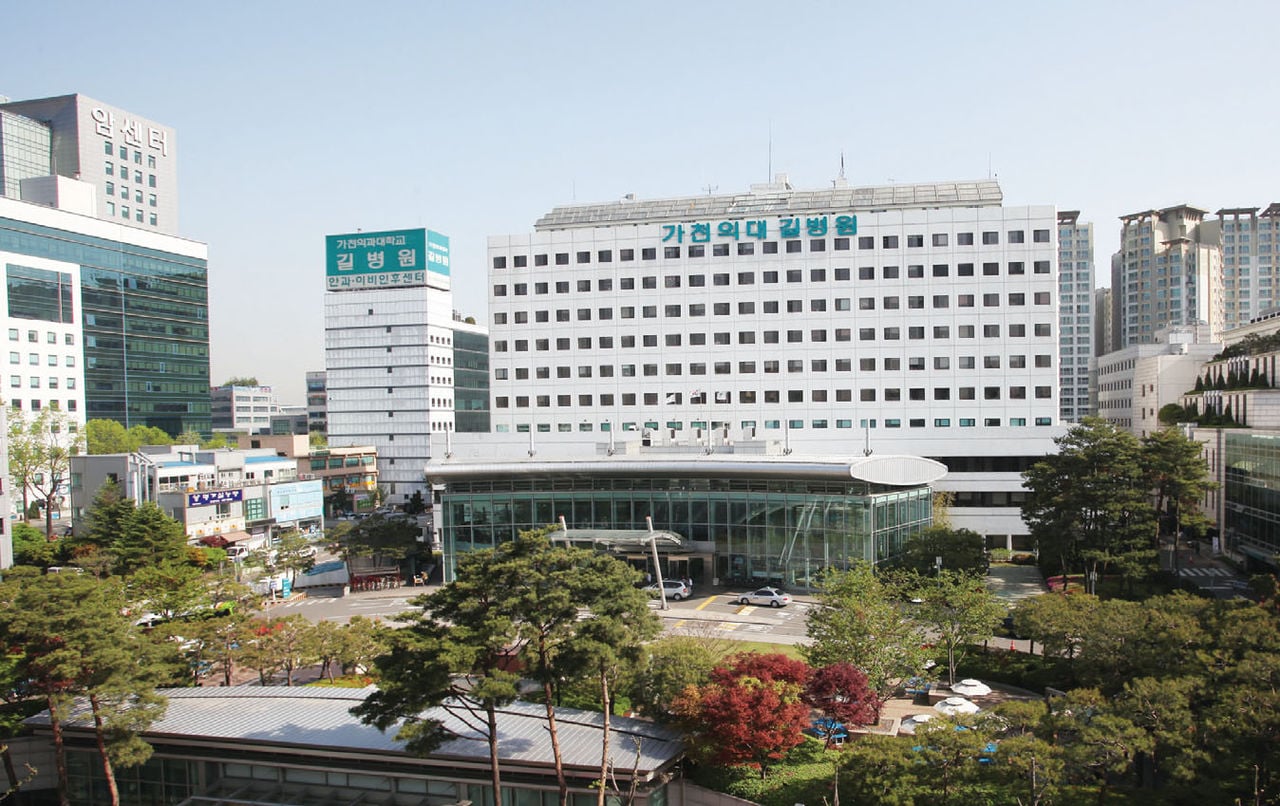




Bumin Hospital Seoul


Obtenga una evaluación médica de tratamiento de Glaucoma en Corea del Sur: haga una consulta con 6 médicos experimentados ahora
Ver todos los médicos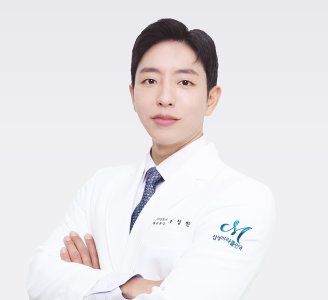
Sungwon Cho
El Dr. Seong-Won Cho es director de Oftalmología y especialista en cirugía refractiva en Samsung Miracle Eye Clinic, en Gangnam, Seúl. Cuenta con certificación oficial. Completó el internado y la residencia en oftalmología en el Hospital Anam de la Universidad de Corea. Obtuvo la licenciatura en la Universidad de Boston. Se enfoca en corrección visual avanzada, incluidos los procedimientos SMILE y LASIK. Anteriormente fue director en Blue World Eye Clinic. También fue consultor de oftalmologí

Chong Gi Von
Ha tratado con éxito a más de 500,000 pacientes: el Dr. Chong Gi Von es un especialista líder en cirugías oculares avanzadas en el Hospital Oftalmológico BGN.
- Cirujano certificado en SMILE, LASIK/LASEK e implantación de ICL
- Director General y Cirujano Principal en el Hospital Oftalmológico BGN
- Ponente habitual en conferencias internacionales de oftalmología
- Miembro de múltiples sociedades prestigiosas, incluidas ASCRS y ESCRS
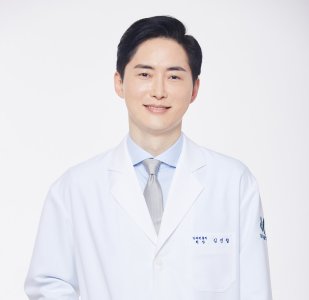
Jinchul Kim
El Dr. Jinchul Kim es director y oftalmólogo en la Clínica Samsung Miracle Eye, en Gangnam, Seúl. Se especializa en cirugía refractiva, incluidos SMILE y procedimientos con láser, y en cirugía de cataratas y de LIO, con planificación personalizada de lentes. Obtuvo el título de médico en la Facultad de Medicina de la Universidad Nacional de Seúl. Completó la formación como especialista en oftalmología en el Hospital Samsung de Seúl y actualmente es profesor visitante allí. También realizó for
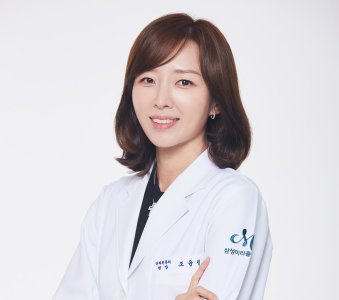
Yoonjung Jo
La Dra. Yoon‑Jung Jo es oftalmóloga certificada y directora de Samsung Miracle Eye Clinic (Gangnam, Seúl). Se licenció en Medicina (MD) y completó la residencia en Oftalmología en Hallym University Medical Center. Posteriormente se desempeñó como profesora visitante y docente clínica. También fue directora de Cheonan Kim Eye Clinic.
Es especialista en cirugía refractiva. Su enfoque incluye SMILE, LASIK y la corrección personalizada 1:1 del astigmatismo y de la visión. La Dra. Jo está c
Compartir contenido
Historias en video de pacientes de Bookimed
 Olena Sikoza
Preguntas frecuentes sobre el tratamiento de Glaucoma en Corea del Sur
¿Se trata el glaucoma de forma diferente en Corea del Sur debido a la genética asiática?
Los oftalmólogos surcoreanos adaptan las estrategias contra el glaucoma para abordar rasgos genéticos específicos del este asiático. Los médicos se centran en el glaucoma de tensión normal, que afecta al 77% de los pacientes coreanos. Las altas tasas de miopía y las estructuras oculares de ángulo estrecho también requieren software de diagnóstico especializado y tratamientos láser preventivos para controlar la presión de manera efectiva.
- Presión objetivo: Los médicos buscan niveles de presión ultrabajos, entre 10 y 12 mm Hg.
- Diagnóstico avanzado: Las clínicas utilizan seguimiento biométrico adaptado específicamente a las estructuras oculares asiáticas.
- Láser preventivo: La iridotomía periférica con láser es común en pacientes con ángulos de drenaje estrechos.
- Adaptación quirúrgica: Los cirujanos utilizan medicamentos anti-cicatrizantes durante las trabeculectomías debido a los patrones de curación genéticos.
Perspectiva de expertos de Bookimed: Los especialistas coreanos han desarrollado herramientas patentadas como la "Miracle Formula" en la Samsung Miracle Eye Clinic. Este programa de cálculo de potencia de LIO, pionero en el mundo, tiene en cuenta específicamente los perfiles biométricos asiáticos. Centros surcoreanos como el Asan Medical Center y el Severance Hospital gestionan volúmenes masivos, atendiendo a más de 10.000 pacientes
¿Qué tecnologías de diagnóstico utilizan las clínicas oftalmológicas de Corea del Sur?
Las clínicas oftalmológicas de Corea del Sur utilizan cribado mediante IA de aprendizaje profundo y OCT Swept-Source de nivel micrométrico para detectar glaucoma y enfermedades de la retina. Estas instalaciones integran la imagen digital en redes unificadas de planificación quirúrgica. Los principales centros acreditados por la JCI en Seúl emplean tomografía Pentacam para el mapeo corneal en 3D con el fin de garantizar una alta precisión quirúrgica.
- Imagen de retina: La OCT-A de alta velocidad mapea la microvasculatura sin utilizar tintes de contraste.
- Cribado panorámico: Las cámaras de campo ultra amplio proporcionan vistas de la retina de 200 grados sin necesidad de dilatación pupilar.
- Mapeo corneal: La tomografía Pentacam genera mapas 3D para detectar imperfecciones estructurales sutiles.
- Integración quirúrgica: Los datos biométricos en tiempo real calculan automáticamente la potencia de la lente durante los procedimientos robóticos.
Opinión del experto de Bookimed: Una gran ventaja en Corea del Sur es el uso de algoritmos de diagnóstico localizados. El Dr. Jinchul Kim de la Samsung Miracle Eye Clinic desarrolló la Fórmula Miracle. Este programa es el primer cálculo de potencia de LIO diseñado específicamente para perfiles biométricos asiáticos. Elegir una clínica con herramientas tan especializadas a menudo conduce a resultados de c
¿Está disponible la cirugía mínimamente invasiva del glaucoma (MIGS) en Corea del Sur?
La cirugía mínimamente invasiva del glaucoma (MIGS) está ampliamente disponible en Corea del Sur en centros de oftalmología especializados. Los hospitales acreditados por la JCI en Seúl e Incheon utilizan microstents e implantes de drenaje avanzados. Estos procedimientos suelen tratar el glaucoma de leve a moderado reduciendo la presión intraocular con tiempos de recuperación más cortos.
- Tecnologías aprobadas: Las clínicas utilizan iStent inject W, XEN Gel Stents y Kahook Dual Blades.
- Instituciones líderes: La atención especializada está disponible en el Severance Hospital y el Asan Medical Center.
- Experiencia quirúrgica: Los cirujanos certificados a menudo combinan la MIGS con la cirugía de cataratas para obtener mejores resultados.
- Estándares de acreditación: La mayoría de los departamentos de oftalmología de primer nivel cuentan con certificaciones JCI o KOIHA que garantizan la seguridad.
Perspectiva del experto de Bookimed: Corea del Sur está posicionada de forma única para el cuidado del glaucoma gracias a centros de gran volumen como el Severance Hospital. Atiende a 1,6 millones de pacientes ambulatorios al año. Esta escala masiva permite a los cirujanos adquirir una amplia experiencia con dispositivos MIGS especializados más rápido que en la mayoría de los países. Al elegir una clínica, priorice aquellas con departamentos especia
¿Está disponible la terapia láser como alternativa a la medicación diaria?
La trabeculoplastia láser selectiva (SLT) es una alternativa principal a la medicación diaria para el glaucoma en Corea del Sur. Reduce eficazmente la presión intraocular al mejorar el drenaje de fluidos. Aunque no es un reemplazo universal, reduce significativamente la dependencia de las gotas oculares para pacientes con glaucoma de ángulo abierto.
- Tipo de tratamiento: La trabeculoplastia láser selectiva se dirige a células pigmentarias específicas.
- Beneficio principal: La SLT ayuda a evitar los efectos secundarios de las gotas oculares diarias.
- Estándar clínico: Los centros acreditados por la JCI, como el Asan Medical Center, utilizan imágenes digitales.
- Herramientas de diagnóstico: Los especialistas utilizan la tomografía de coherencia óptica para un mapeo preciso de los nervios.
- Opciones quirúrgicas: Los casos avanzados pueden requerir una trabeculotomía si la terapia láser es insuficiente.
Perspectiva del experto de Bookimed: Un patrón distintivo en la oftalmología surcoreana es el enfoque en la personalización biométrica. El Dr. Jinchul Kim de la Samsung Miracle Eye Clinic desarrolló una fórmula especializada para perfiles oculares asiáticos. Este nivel de precisión anatómica mejora los resultados de los tratamientos con láser y lentes. Para los pacientes, esto significa un control de presión más preciso
¿Se pueden combinar la cirugía de cataratas y glaucoma en un solo procedimiento en Corea del Sur?
Los centros oftalmológicos de Corea del Sur realizan habitualmente cirugías combinadas de cataratas y glaucoma en una sola sesión. Los cirujanos utilizan la misma incisión para eliminar la catarata e implementar el drenaje del glaucoma. Este enfoque dual reduce eficazmente la presión intraocular mientras restaura la claridad visual durante un solo periodo de recuperación.
- Tipos de procedimientos: Los cirujanos ofrecen faco-MIGS para casos leves y faco-trabeculectomía para glaucoma avanzado.
- Opciones mínimamente invasivas: Los centros utilizan microstents como iStent o XEN para facilitar el drenaje de fluidos.
- Estándares de seguridad: Los principales hospitales de Seúl mantienen la acreditación de la Joint Commission International para cirugías oculares complejas.
- Periodo de recuperación: Los pacientes suelen completar el proceso de curación postoperatoria en un plazo de 6 semanas.
Perspectiva del experto de Bookimed: Corea del Sur es una opción estratégica para los pacientes asiáticos porque especialistas como el Dr. Jinchul Kim de la Samsung Miracle Eye Clinic desarrollaron la "Miracle Formula". Esta tecnología optimiza la potencia de la lente específicamente para los perfiles biométricos oculares asiáticos. Elegir un centro centrado en estas características regionales puede conducir a resultados refractivos más predecibles después de
¿Las clínicas oftalmológicas de Corea del Sur atienden a pacientes internacionales?
Las clínicas oftalmológicas de Corea del Sur están altamente especializadas en la atención a pacientes internacionales a través de centros globales dedicados. Las principales instalaciones en Seúl e Incheon cuentan con la Acreditación de Atención Médica Global (GHA). Ofrecen coordinadores de habla inglesa y protocolos de diagnóstico optimizados. La mayoría de los centros proporcionan registros médicos totalmente digitalizados para garantizar una atención de seguimiento sin problemas en el extranjero.
- Instalaciones acreditadas: Clínicas como el Severance Hospital poseen la certificación de la Joint Commission International (JCI) por seguridad.
- Apoyo lingüístico: Los centros líderes emplean equipos dedicados para hablantes de inglés, ruso, chino y japonés.
- Integración digital: Hospitales como el SNUBH utilizan el sistema BESTcare para minimizar los errores médicos de manera eficiente.
- Diagnóstico de glaucoma: Las pruebas especializadas incluyen la tomografía de coherencia óptica (OCT) y una investigación exhaustiva mediante IA.
Perspectiva del experto de Bookimed: Los datos muestran una clara distinción entre las clínicas refractivas especializadas y los grandes hospitales terciarios. Mientras que las clínicas privadas se centran en procedimientos láser SMILE rápidos, los pacientes internacionales con afecciones complejas como el glaucoma