Glaucoma en Israel: las 11 mejores clínicas para su tratamiento


Revisado médicamente por
Fahad Mawlood
Cómo funciona
¿Cuál es el precio del diagnóstico y los tratamientos de Glaucoma en Israel? Descubra ahora
De $1,000. Los gastos totales dependen de la complejidad de la cirugía, el uso de implantes de drenaje y el nivel de las instalaciones de la clínica. Los pacientes pueden esperar ahorros del 30-50% en comparación con los EE. UU. Las principales ciudades para estos procedimientos incluyen Tel Aviv, Jerusalén y Haifa.
Costos típicos del tratamiento del glaucoma en Israel
- Consulta con un oftalmólogo: de $760
- Investigación oftalmológica: de $1,000
- Trabeculotomía: de $5,300
Perspectiva de los expertos de Bookimed: Los pacientes que requieren una intervención quirúrgica compleja deben priorizar los centros multidisciplinarios acreditados por la JCI para mayor seguridad. El Centro Médico Sourasky es una opción de primer nivel, clasificado entre los mejores hospitales según Newsweek y que realiza 34,000 operaciones al año. Para aquellos que buscan una atención personalizada con un cirujano específico, el Centro Médico Assuta ofrece la mayor infraestructura quirúrgica privada de Israel. Los pacientes en etapa temprana se benefician de diagnósticos integrales en centros especializados como Ramat Aviv para determinar si la medicación o la terapia láser pueden retrasar la cirugía.
| Israel | España | Turquía | |
|---|---|---|---|
| Trabeculotomía | de $5,300 | de $5,600 | de $2,100 |
| Trabeculoplastia láser | ≈ $1,100 | de $2,800 | de $800 |
Descubra las mejores clínicas de tratamiento de Glaucoma en Israel: 11 opciones verificadas y Precios










Centro médico Assaf Harofeh (Assaf Harofeh Medical Center)

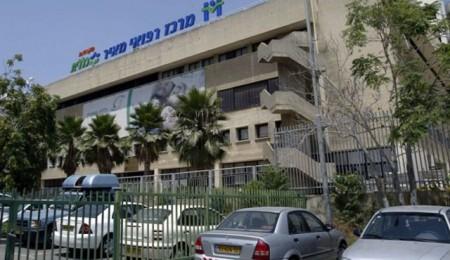
Meir Medical Center

Kaplan Medical Center
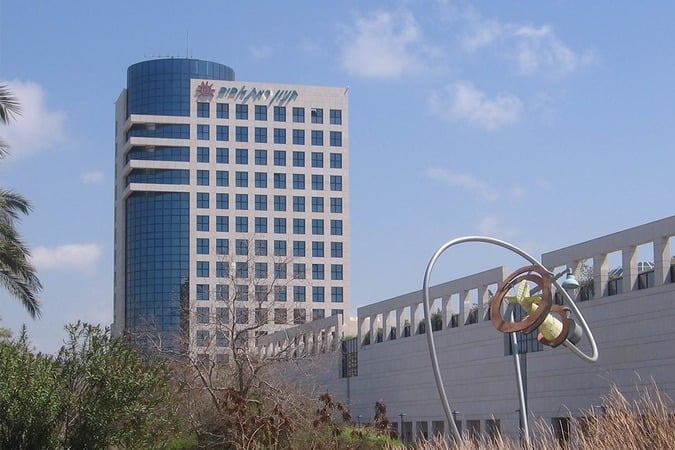
Ramat Aviv Medical Center

Elisha Hospital
Prof. Or Kaiserman
Obtenga una evaluación médica para Glaucoma en Israel: consulte con doctores experimentados ahora
Ver todos los médicos
Elyia Levinger
El Dr. Elyia Levinger es un destacado cirujano ocular en Israel, especializado en trasplante de córnea y cirugía de cataratas en el Centro Médico Sourasky.
- Realizar numerosas cirugías de trasplante de córnea y cristalino
- Completar una formación de subespecialidad en el Toronto Western Hospital en Canadá
- Ser miembro de la Academia Americana de Oftalmología
- Ser cirujano senior en múltiples centros médicos de prestigio en Tel Aviv

Yuval Yasur
El profesor Yuval Yasur se especializa en oftalmología y cirugía oftálmica en el Centro Médico Sourasky (Ichilov).
- Experto en el diagnóstico y tratamiento del glaucoma
- Profesor con amplia experiencia académica y clínica
- Trabaja en uno de los centros médicos líderes de Israel

Itzik Avni
El profesor Itzik Avni es un oftalmólogo experimentado especializado en glaucoma en el Centro Médico Assaf Harofeh.
- Especializado en el diagnóstico y tratamiento del glaucoma
- El título de profesor indica altos estándares académicos y clínicos
- Trabaja en un centro médico líder en Israel

Yair Morad
Yair Morad es un oftalmólogo pediátrico especializado en el tratamiento del estrabismo.
- Se centra en las afecciones oculares en niños, incluido el glaucoma
- Formación especializada en el tratamiento del estrabismo
- Trabaja en el prestigioso centro médico Assuta
Compartir contenido
Historias en video de pacientes de Bookimed
 Olena Sikoza
Preguntas frecuentes sobre el tratamiento de Glaucoma en Israel
¿Qué tratamientos innovadores para el glaucoma son únicos en Israel?
Israel es un centro médico mundial para la innovación en el glaucoma. Ha sido pionero en terapias láser automatizadas y plataformas quirúrgicas sin stent. Estos métodos simplifican el control de la presión mediante tecnología sin contacto. Los especialistas israelíes utilizan sistemas avanzados basados en IA para el control remoto de los pacientes. Esto garantiza que el tratamiento sea más rápido y preciso.
- Terapia láser automatizada: DSLT ofrece un tratamiento láser sin contacto de un segundo para una rápida reducción de la presión.
- Microcirugía sin stent: MINT crea microaberturas en el sistema de drenaje sin utilizar implantes permanentes.
- Monitoreo remoto por IA: Los cascos de realidad virtual utilizan IA para medir la presión ocular de forma segura en casa.
- Software de restauración neuronal: RevitalVision entrena al cerebro para mejorar la claridad visual después de daños nerviosos.
Perspectiva de expertos de Bookimed: Los centros de oncología y cirugía israelíes, como el Sourasky Medical Center, aprovechan un ecosistema donde los médicos también son inventores. Nuestros datos muestran que hospitales como Sourasky, que atiende a 400.000 pacientes al año, integran la IA y la imagen digital directamente en la práctica clínica. Esto significa que los pacientes a menudo acceden a tecnologías patentadas como el láser Eagle antes de que l
¿Cuál es la tasa de éxito reportada de los tratamientos para el glaucoma en Israel?
Los tratamientos para el glaucoma en Israel logran una tasa de éxito del 85% al 90% para estabilizar la visión y la presión. Los procedimientos avanzados como la esclerectomía profunda reportan una eficacia del 90,9% en 12 meses. Los especialistas utilizan trabeculoplastia láser y derivaciones quirúrgicas para prevenir daños mayores en el nervio óptico.
- Terapia láser: La trabeculoplastia láser selectiva muestra éxito en el 80% al 87% de los pacientes anualmente.
- Implantes quirúrgicos: Las derivaciones Ex-PRESS mantienen la presión ocular objetivo en el 94,4% de los casos después de dos años.
- Precisión diagnóstica: Los centros acreditados por la JCI utilizan tomografía de coherencia óptica (OCT) para la detección temprana y el monitoreo.
- Personal quirúrgico experto: El profesor Yuval Yasur en el Sourasky Medical Center se especializa en procedimientos quirúrgicos oftálmicos avanzados.
Opinión de expertos de Bookimed: Los centros médicos israelíes demuestran una tendencia hacia la combinación de la investigación clínica con la rápida adopción de tecnología. Por ejemplo, los laboratorios del Sourasky Medical Center se centran en el diseño para la visión humana. Este entorno ayuda a los cirujanos a lograr altos resultados incluso en casos complejos al integrar imágenes digitales e IA en la planificación del tratamiento.
Conse
¿Qué centros médicos israelíes son reconocidos como líderes en el tratamiento del glaucoma?
Los centros médicos israelíes líderes en el tratamiento del glaucoma incluyen el Sourasky Medical Center (Ichilov), el Assuta Medical Center y el Sheba Medical Center. Estas instalaciones utilizan técnicas avanzadas como la trabeculoplastia láser selectiva (SLT) y la cirugía de glaucoma mínimamente invasiva (MIGS). Especialistas altamente experimentados brindan imágenes diagnósticas integrales e intervenciones quirúrgicas.
- Unidades especializadas: El Sheba Medical Center alberga el centro dedicado al glaucoma Sam Rothberg para todas las edades.
- Diagnóstico avanzado: Las clínicas utilizan tomografía de coherencia óptica (OCT) y perimetría para monitorear la salud de los nervios.
- Excelencia quirúrgica: El Sourasky Medical Center (Ichilov) realiza más de 34,000 procedimientos quirúrgicos anualmente en todos sus departamentos.
- Opciones privadas: El Assuta Medical Center permite a los pacientes seleccionar a su cirujano específico y su habitación de hospital.
Perspectiva del experto de Bookimed: Si bien muchos buscan grandes hospitales públicos, el sector privado de Israel ofrece una ventaja significativa para los pacientes con glaucoma. En el Assuta Medical Center, puede elegir personalmente a su cirujano, lo cual es raro para procedimientos tan complejos. Este es un diferenciador importante en comparación con los sistemas públicos donde lo
¿Está disponible la cirugía mínimamente invasiva de glaucoma (MIGS) en Israel?
La cirugía mínimamente invasiva de glaucoma (MIGS) está disponible en centros médicos israelíes avanzados. Las clínicas utilizan dispositivos innovadores como el iStent y el XEN Gel Stent. Estos procedimientos reducen eficazmente la presión intraocular. Los centros de oftalmología israelíes reportan tasas de éxito de entre el 85 % y el 90 % para estabilizar la visión.
- Procedimientos disponibles: Las clínicas ofrecen iStent, XEN Gel Stent y MINT (trabeculostomía nasal mínimamente invasiva).
- Centros líderes: El Sourasky Medical Center y el Assuta Medical Center ofrecen opciones quirúrgicas avanzadas para el glaucoma.
- Cirujanos expertos: Especialistas como el Dr. Elyia Levinger utilizan técnicas láser y quirúrgicas modernas.
- Tiempo de recuperación: Los procedimientos MIGS sin suturas permiten a los pacientes reanudar sus actividades casi de inmediato.
Opinión de expertos de Bookimed: Los hospitales privados israelíes como Assuta permiten a los pacientes seleccionar personalmente a su cirujano. Esta es una ventaja significativa para casos complejos. Los grandes centros públicos como Sourasky atienden a más de 1.800.000 pacientes al año. Este alto volumen en todo el país garantiza que los cirujanos mantengan una profunda experiencia con implantes de micro-stent.
Consenso de los pacientes: Los pacientes señalan que la
¿Pueden los pacientes internacionales obtener en el extranjero medicamentos para el glaucoma recetados en Israel?
Los pacientes internacionales normalmente no pueden utilizar las recetas israelíes directamente en farmacias extranjeras. La mayoría de los países requieren la firma de un médico local para dispensar medicamentos. Los pacientes pueden salvar esta brecha utilizando farmacias internacionales por correo o solicitando un suministro de viaje de 92 días mientras aún están en Israel.
- Suministro de viaje: Los médicos israelíes pueden proporcionar un suministro de medicamentos de 92 días para pacientes que viajan al extranjero.
- Servicios de pedido por correo: Farmacias especializadas en Israel facilitan el envío internacional si se proporciona la documentación válida.
- Verificación local: Muchos países de la UE requieren el respaldo de un médico local para aceptar los registros médicos israelíes.
- Regulaciones de viaje: Lleve siempre los medicamentos en su embalaje original con un certificado médico firmado.
Opinión de expertos de Bookimed: Aunque Israel es un líder mundial en clasificaciones de oftalmología, la logística de los medicamentos sigue siendo local. Los datos muestran que los mejores centros como el Sourasky Medical Center y el Assuta Medical Center priorizan soluciones quirúrgicas como la trabeculotomía sobre las exportaciones de recetas a largo plazo. Los pacientes a menudo encuentran más eficiente traducir sus registros médicos isra
¿Por qué Israel es uno de los principales destinos para la neurocirugía?
Israel es un centro líder en neurocirugía gracias a su combinación de avances médicos de alta tecnología y una experiencia quirúrgica de primer nivel. Instalaciones avanzadas como el Centro Médico Sheba utilizan sistemas de navegación basados en IA y resonancia magnética intraoperatoria en tiempo real. Centros especializados reportan una tasa de éxito del 98% en procedimientos complejos, como la craneotomía con el paciente despierto y el tratamiento de trastornos del movimiento.
- Tecnología avanzada: Las clínicas utilizan ultrasonido enfocado guiado por resonancia magnética (MRgFUS) y sistemas robóticos para realizar incisiones.
- Experiencia quirúrgica: Cirujanos como el Dr. Zvi Ram lideran asociaciones internacionales con más de 25 años de experiencia.
- Acceso rápido: Los pacientes internacionales generalmente pueden programar cirugías complejas de cerebro o columna en un plazo de 2 a 4 semanas.
- Atención médica acreditada: Grandes centros como Sourasky (Ichilov) y Assuta están acreditados por la JCI, lo que confirma su seguridad.
Opinión experta de Bookimed: Los datos muestran una clara diferencia entre las opciones de tratamiento públicas y privadas en Israel. Centros privados, como el Centro Médico Assuta, realizan más de 92.000 cirugías al año y permiten a los pacientes elegir a un cirujano líder específico. Esto supone una ventaja signi
¿Qué tipos de enfermedades neuroquirúrgicas se tratan en Israel?
Los neurocirujanos israelíes tratan una amplia gama de afecciones, desde tumores cerebrales y de médula espinal hasta trastornos funcionales complejos. Los centros especializados utilizan tecnologías de vanguardia, como el bisturí de rayos gamma, la estimulación cerebral profunda y la resonancia magnética intraoperatoria, para un diagnóstico altamente preciso de la epilepsia, la enfermedad de Parkinson y las patologías cerebrovasculares.
- Enfermedades oncológicas: tratamiento de gliomas, meningiomas y tumores hipofisarios mediante resección de la base del cráneo.
- Trastornos funcionales: tratamiento de la enfermedad de Parkinson y del temblor esencial mediante estimulación cerebral profunda.
- Patologías de columna: corrección de escoliosis, hernias discales y tumores espinales mediante sistemas robóticos.
- Tratamiento de las enfermedades cerebrovasculares: tratamiento quirúrgico de aneurismas cerebrales y malformaciones arteriovenosas mediante intervenciones endovasculares.
- Neurocirugía pediátrica: atención especializada en hidrocefalia y anomalías congénitas en centros pediátricos especializados.
Opinión experta de Bookimed: Los hospitales israelíes suelen combinar diversas especialidades para abordar casos complejos. En el Centro Médico Sourasky, neurocirujanos como el Dr. Zvi Lidar combinan neurocirugía y ortopedi
¿Qué hospitales en Israel son más conocidos por sus departamentos de neurocirugía?
Israel alberga centros neuroquirúrgicos de renombre mundial, como el Centro Médico Sourasky, el Centro Médico Sheba y el Centro Médico Hadassah. Estas instituciones son líderes mundiales en el tratamiento de tumores cerebrales complejos, enfermedades de la columna vertebral y trastornos del movimiento. Utilizan tecnologías de vanguardia como el bisturí de rayos gamma, sistemas robóticos y resonancia magnética intraoperatoria.
- Suraski (Ichilov): realiza más de 2.500 operaciones neuroquirúrgicas al año en Tel Aviv con una tasa de éxito del 98%.
- Centro Médico Sheba: clasificado entre los diez mejores hospitales del mundo, trata a 1,9 millones de pacientes al año.
- Centro Médico Hadassah: Nominado al Premio Nobel de la Paz. Líder en neurocirugía pediátrica y terapia génica.
- Centro Médico Assuta: el centro médico privado más grande de Israel. Especializado en cirugías mínimamente invasivas de columna y cerebro.
- Hospital Infantil Schneider: un centro líder en neurocirugía pediátrica que trata a 275.000 niños al año.
Opinión experta de Bookimed: Nuestros datos muestran que, si bien la mayoría de los pacientes buscan tratamiento en Tel Aviv, el Centro Médico Rambam en Haifa ofrece una atención única para neurotraumatismos. Cuenta con una unidad especializada en cuidados neurocríticos que atiende a aproximadamente un milló
¿Quiénes son los principales neurocirujanos en Israel?
Entre los neurocirujanos israelíes más destacados se encuentran los profesores Zvi Ram, Shlomi Constantini e Itzhak Fried, del Centro Médico Sourasky. Estos especialistas ocupan puestos de liderazgo en la Asociación Europea de Sociedades de Neurocirugía (EANS) y la Sociedad Mundial de Neurocirugía Estereotáctica y Funcional (WSSFN). Utilizan técnicas avanzadas de mapeo intraoperatorio y sistemas robóticos.
- Profesor Zvi Ram: experto en cirugía mínimamente invasiva de tumores cerebrales y terapia genética para el cáncer.
- Profesor Shlomi Constantini: Se especializa en procedimientos neuroendoscópicos pediátricos complejos y microcirugía para tumores cerebrales.
- Profesor Itzhak Fried: una autoridad en cirugía de epilepsia, mapeo cerebral funcional y estimulación cerebral profunda.
- Dr. Eli Ashkenazi: Cirujano ortopédico líder en el Hospital Assuta, especializado en el innovador sistema TOPS.
Opinión de los expertos de Bookimed: Los datos de Sourasky y Sheba indican una fuerte correlación entre un alto volumen quirúrgico y la seguridad del paciente. Por ejemplo, Sourasky realiza más de 34.000 cirugías oncológicas al año con una tasa de éxito del 90 %. Los pacientes que requieren la extirpación de un tumor complejo deberían priorizar centros como estos, donde los cirujanos realizan cientos de procedimientos especializados al año.
¿Cuáles son los requisitos para los pacientes internacionales entrantes que buscan atención neuroquirúrgica?
Los pacientes extranjeros que requieran tratamiento neuroquirúrgico en Israel deben presentar documentación médica completa, incluyendo resultados recientes de resonancia magnética o tomografía computarizada, traducidos al inglés. La hospitalización requiere un examen clínico por especialistas para confirmar la idoneidad del tratamiento. Los hospitales suelen exigir el pago completo por adelantado o un depósito considerable antes de confirmar las fechas de la cirugía o emitir la visa.
- Historiales médicos: proporcionar informes detallados y resultados de imágenes traducidos al inglés dentro de las 48 horas para su revisión clínica.
- Comprobante financiero: Proporcione comprobante de fondos por un monto aproximado de _precio_desde_ a _precio_hasta_ para el tratamiento.
- Asistencia para visas: Clínicas como Sourasky Medical Center (Ichilov) emiten cartas oficiales para obtener una visa médica B-2.
- Fase de consulta: La evaluación inicial a menudo se realiza a través de una consulta en línea con cirujanos como el Dr. Strauss Ido.
Opinión experta de Bookimed: Los datos muestran que las principales instituciones médicas israelíes, como el Centro Médico Sheba y el Centro Médico Hadassah, atienden a un gran número de pacientes, superando el millón al año. Esta alta demanda implica que las clínicas priorizan los casos complejos o poco frecuentes sobr