Ir a inicio

Cómo funciona

Hemos transformado el proceso de búsqueda de clínicas, haciéndolo simple, rápido y personalizado.
Responda algunas preguntasComplete un breve formulario para contarnos sobre su estado de salud y necesidades médicas.
Obtenga ofertas personalizadas3 clínicas seleccionadas especialmente según sus respuestas le proporcionan planes de tratamiento personalizados y presupuestos.
Elija la mejor opciónCompare ofertas y elija la clínica que más le convenga.
También puede consultar las 4 clínicas a continuación.
820К+ pacientes han recibido asistencia desde 2014
50 países
1,500 clínicas
6K+ reseñas
3K+ médicos calificados

¿Cuál es el precio del diagnóstico y los tratamientos de Glaucoma en Austria? Descubra ahora

Glaucoma treatment cost in Austria typically includes essential diagnostics like an ophthalmological investigation, which ranges from $200 to $300. Surgical interventions such as laser trabeculoplasty run from $1,500 to $2,500, while a trabeculotomy costs between $2,500 and $4,500. Total expenses depend on the clinic tier and disease stage. Patients often find significant savings compared to US prices. Vienna and Graz are the primary hubs for care.

Typical Glaucoma Treatment Costs in Austria

  • Ophthalmological investigation: $200 – $300
  • Consultation with an ophthalmologist: $200 – $300
  • OCT (Optical coherence tomography): $100 – $200
  • Laser trabeculoplasty: $1,500 – $2,500
  • Trabeculotomy: $2,500 – $4,500

Bookimed Expert Insight: Patients seeking world-class surgical expertise should consider Wiener Privatklinik in Vienna. Dr. Rupert Menapace, a top-ranked specialist here, focuses on minimally invasive glaucoma techniques. University-based care at Vienna General Hospital (AKH) serves over 500,000 patients annually with innovative technologies. For those prioritizing accessible diagnostics, Leech Private Clinic in Graz provides modern imaging like OCT and CT. Premium private facilities typically offer all-inclusive surgical packages including overnight stays.

AustriaEspañaTurquía
Trabeculotomíade $2,500de $2,500de $1,500
Trabeculoplastia láserde $1,500de $1,200de $500
Datos verificados por Bookimed a partir de June 2026, basados en solicitudes de pacientes y cotizaciones oficiales de 105 clínicas en todo el mundo. Los costos medianos se basan en facturas reales (2025–2026) y se actualizan mensualmente. Los precios reales pueden variar.

Descubra las mejores clínicas de tratamiento de Glaucoma en Austria: 4 opciones verificadas y Precios

El ranking de clínicas de Bookimed se basa en algoritmos de data science, ofreciendo una comparación confiable, transparente y objetiva. Tiene en cuenta la demanda de pacientes, las puntuaciones de reseñas (positivas y negativas), la frecuencia de actualización de opciones de tratamiento y precios, la rapidez de respuesta y las certificaciones de las clínicas.
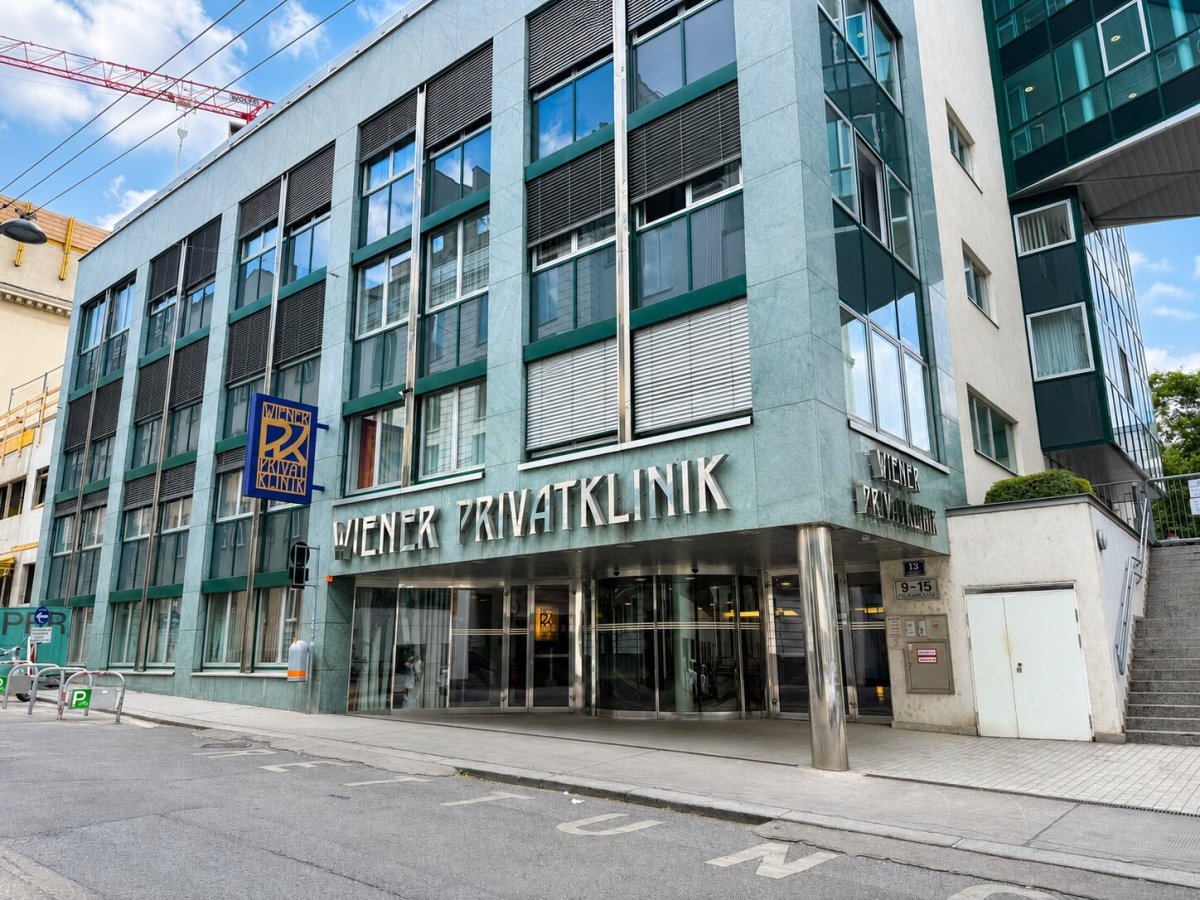
Clínica privada Wiener (Wiener Privatklinik)
4.6170 reseñas
Precio a consultar
Más información
Vienna General Hospital
4.519 reseñas
Precio a consultar
Más información
Confraternitaet & Goldenes Kreuz Private Hospital
3.88 reseñas
Precio a consultar
Más información
Clínica Privada Leech

Obtenga una evaluación médica para Glaucoma en Austria: consulte con doctores experimentados ahora

Ver todos los médicos
verificado

Rupert Menapace

45 años de experiencia

Uno de los oftalmólogos líderes en Europa, el Prof. Menapace, se especializa en cirugías avanzadas de cataratas y lentes intraoculares en la Wiener Privatklinik.

  • Más de 40 años de experiencia en oftalmología y microcirugía
  • Pionero en técnicas modernas de cirugía de cataratas y diseños de lentes intraoculares
  • Exprofesor de Oftalmología en la Universidad Médica de Viena
  • Autor de cientos de publicaciones científicas sobre avances quirúrgicos
verificado

Ursula Schmidt-Erfurth

Dirige el departamento de oftalmología del renombrado Hospital General de Viena.

  • Un oftalmólogo experto especializado en enfermedades oculares complejas
  • Dirige una clínica especializada para pacientes con glaucoma
  • Autor de publicaciones clave sobre la investigación del glaucoma

Compartir contenido

Historias en video de pacientes de Bookimed

Dayana
Combiné mis vacaciones en Antalya con un chequeo médico.
Procedimiento: Chequeo femenino
Igor
¡Fue genial! Traslados, alojamiento, tratamiento, todo incluido.
Procedimiento: Implante dental
Clínica: WestDent Clinic
Marina
Bookimed se encargó de todo. No tuve que preocuparme por nada.
Procedimiento: Chequeo femenino
Actualizado: 05/27/2022
Escrito por
Olena Sikoza
Olena Sikoza
Сopywriter en español
Copywriter médica certificada responsable del contenido en español de Bookimed. Más de 7 años de experiencia en redacción sobre salud y turismo médico, con formación académica en edición científica y desarrollo de contenidos.
Fahad Mawlood
Editor médico y Científico de datos
Médico general. Ganador de 4 premios científicos. Sirvió en Asia Occidental. Es el ex jefe del equipo médico que soporta a pacientes de habla árabe. Ahora es responsable del procesamiento de datos y la precisión del contenido médico.
Fahad Mawlood Linkedin
Esta página puede incluir información relacionada con diversas afecciones médicas, tratamientos y servicios de salud disponibles en diferentes países. Tenga en cuenta que el contenido se proporciona sólo con fines informativos y no debe interpretarse como asesoramiento médico o orientación. Por favor consulte con su médico o con un profesional médico calificado antes de comenzar o cambiar el tratamiento médico.

Preguntas frecuentes sobre el tratamiento de Glaucoma en Austria

Estas preguntas frecuentes provienen de pacientes reales que buscan atención médica a través de Bookimed. Las respuestas son proporcionadas por coordinadores médicos experimentados y representantes autorizados de las clínicas.

What advanced glaucoma treatments are available in Austria?

Advanced glaucoma treatment in Austria focuses on precision laser therapies and minimally invasive micro-surgeries. Key options include Selective Laser Trabeculoplasty (SLT) and micro-bypass stents. Austrian clinics also perform combined cataract-glaucoma procedures. All medical facilities use high-resolution Optical Coherence Tomography (OCT) for diagnosis and monitoring.

  • Laser options: SLT clears drainage pathways using low-energy automated laser pulses.
  • Micro-surgery: Surgeons implant micro-bypass stents to route fluid out the eye.
  • Surgical alternatives: Trabeculotomy and trabeculectomy provide relief when non-invasive treatments fail.
  • Combined procedures: Clinics address cataracts while simultaneously implanting glaucoma drainage devices.

Bookimed Expert Insight: Austria offers a unique concentration of expertise in anterior segment reconstruction. For example, Wiener Privatklinik hosts over 400 physicians, including pioneers like Dr. Rupert Menapace. He has developed modern intraocular lens techniques used globally. Patients needing both cataract and glaucoma care benefit from this high-volume surgical proficiency. Large public centers like Vienna General Hospital manage nearly 600,000 patients yearly. This ensures infrastructure for even the most complex glaucoma cases.

Patient Consensus: Patients note that Selective Laser Trabeculoplasty serves as an efficient outpatient option to delay or reduce daily eye drops. Many highlight that surgical decisions often depend more on visual field loss than intraocular pressure alone.

Are glaucoma treatments fully covered by the Austrian health system?

Austrian statutory health insurance extensively subsidizes glaucoma treatments but does not always offer complete coverage. Essential services like doctor consultations, eye drops, and medically necessary surgeries are covered. However, patients often face 7.10 Euro prescription fees and out-of-pocket costs for advanced diagnostic imaging like OCT.

  • Public coverage: Insurance covers visits to contracted doctors and essential glaucoma surgeries.
  • Prescription costs: Patients pay a standard fee of 7.10 Euro per medication item.
  • Private options: Choosing a private doctor may leave 70% of costs unreimbursed.
  • Diagnostic fees: Specialized screenings like OCT often require private payments of 100+ Euro.

Bookimed Expert Insight: Leading Austrian institutions like Vienna General Hospital (AKH) provide high-volume specialized care. While clinics like Wiener Privatklinik host globally recognized experts like Dr. Rupert Menapace, these facilities operate privately. Patients should verify if their specialist is a Kassenarzt to avoid paying 200 Euro or more for a single consultation.

Patient Consensus: Patients emphasize that while the public system handles the diagnosis basics, lifelong costs for brand-name drops or premium tests can add up. Many recommend confirming whether a specialist is public or private before the first visit to avoid unexpected bills.

Where should I go in Austria to receive specialized glaucoma care?

For specialized glaucoma care, Vienna General Hospital (AKH) and Wiener Privatklinik in Vienna are the primary destinations. These centers provide high-resolution OCT imaging and advanced surgeries. Options include laser trabeculoplasty and trabeculotomy performed by surgeons with extensive academic backgrounds and ISO-certified quality standards.

  • Vienna General Hospital: This university hospital treats 595,000 patients yearly with 1,600 specialized doctors.
  • Wiener Privatklinik: Features surgeons like Dr. Rupert Menapace, a leading professor of ophthalmology.
  • Specialized treatments: Centers offer laser trabeculoplasty and trabeculotomy to lower intraocular pressure effectively.
  • Diagnostic precision: Facilities use Optical Coherence Tomography (OCT) to monitor optic nerve health accurately.

Bookimed Expert Insight: Patients seeking treatment in Vienna often choose between public and private care. Vienna General Hospital (AKH) offers immense clinical data with its 595,000 annual patients. However, Wiener Privatklinik often provides direct access to the same medical professors through private consultation. Choosing the private route in Vienna frequently bypasses long university wait times while maintaining high academic standards.

Patient Consensus: Patients emphasize choosing university hospitals for complex cases to ensure continuity of care. They suggest bringing all historical scans to track disease progression rather than just pressure readings.

Can I walk into an eye clinic without a referral?

You can generally walk into an Austrian eye clinic for emergencies without a referral. Private clinics like Wiener Privatklinik also accept direct bookings. However, public university hospitals often require a referral from a general practitioner or optometrist for non-urgent glaucoma care or specialized surgeries.

  • Referral necessity: Mandatory for government insurance rebates at public university hospitals.
  • Private access: Wiener Privatklinik and Leech Private Clinic allow direct specialist appointments.
  • Emergency care: Immediate treatment is available for acute symptoms without prior paperwork.
  • Diagnostic tools: Clinics utilize OCT and laser trabeculoplasty for advanced glaucoma management.

Bookimed Expert Insight: Choosing a private facility in Vienna often bypasses the standard referral wait times seen at larger public institutions. While Vienna General Hospital (AKH) serves over 595,000 patients annually, private hospitals like Wiener Privatklinik provide direct access to top experts. For example, Dr. Rupert Menapace, a professor at the Medical University of Vienna, treats patients across both systems but is more accessible for direct consultation in a private setting.

Patient Consensus: Patients note it is possible to enter a clinic without a referral, but having one helps with faster specialist triage. For chronic conditions like glaucoma, many find that a referral simplifies the reimbursement process with insurers.

What tests are performed during a glaucoma diagnostic visit in Austria?

Glaucoma diagnostics in Austria include intraocular pressure measurement, optic nerve evaluation, and visual field testing. Specialists at facilities like Vienna General Hospital (AKH) use optical coherence tomography (OCT) to detect nerve damage. These structural and functional assessments ensure early detection before vision loss occurs.

  • Intraocular pressure: Applanation tonometry measures fluid pressure by lightly touching the numbed cornea.
  • Optic nerve: Dilated fundus exams check for nerve cupping at the back of the eye.
  • Visual field: Computerized perimetry maps peripheral vision to identify any existing blind spots.
  • Structural imaging: Optical coherence tomography (OCT) measures retinal nerve fiber layer thickness with precision.
  • Drainage angle: Gonioscopy uses a mirrored lens to distinguish between open-angle and angle-closure types.

Bookimed Expert Insight: While public hospitals like Vienna General Hospital (AKH) serve nearly 600,000 patients annually, private facilities like Wiener Privatklinik offer faster access to professors like Dr. Rupert Menapace. Choosing a clinic with university-affiliated surgeons ensures your diagnostic plan follows the most recent protocols for lens-related glaucoma risks. Private clinics often bundle advanced OCT imaging, which might be an add-on cost in public settings.

Patient Consensus: Patients note that a normal pressure reading doesn't always rule out glaucoma, making the dilated nerve exam essential. Many suggest arranging transport after the visit since dilating drops temporarily prevent driving.

Will my vision that has already been lost to glaucoma be restored?

Vision already lost to glaucoma cannot be restored. This condition permanently damages the optic nerve. Nerve cells in the eye do not naturally regenerate. Austrian ophthalmologists focus on advanced diagnostics like OCT to preserve remaining vision and prevent further deterioration through specialized clinical interventions.

  • Treatment goal: Preserve remaining sight by lowering intraocular pressure.
  • Advanced diagnostics: Optical coherence tomography (OCT) maps nerve fiber thickness precisely.
  • Surgical options: Laser trabeculoplasty and trabeculotomy improve fluid drainage in the eye.
  • Expert surgical care: Surgeons utilize phacoemulsification and microsurgery to manage complex cases.

Bookimed Expert Insight: Patient volume often signals where the most clinical refined expertise resides. Vienna General Hospital (AKH) serves 595,000 patients annually. This massive scale suggests their ophthalmologists handle high-risk glaucoma cases daily. At Wiener Privatklinik, many doctors are university professors. They often have access to ongoing clinical research before it reaches general practice.

Patient Consensus: Patients note that lowering eye pressure might make vision feel less foggy. However, they emphasize that peripheral field loss usually doesn't return after successful treatment.

What advantages do private clinics offer over public hospitals in Austria?

Private clinics in Austria offer faster access to care and complete freedom to choose your specialist. Patients benefit from shorter waiting times for procedures like laser trabeculoplasty. These facilities prioritize personalized service, offering direct scheduling and expanded consultation times with preferred ophthalmologists.

  • Choice of doctor: Patients select specific specialists, often professors from the Medical University of Vienna.
  • Wait time reduction: Appointments and diagnostic imaging occur much faster than in the public system.
  • Enhanced monitoring: Clinics provide consistent follow-up with the same specialist to track eye pressure.
  • Superior comfort: Accommodations typically include private rooms and quiet environments optimized for recovery.

Bookimed Expert Insight: While Vienna General Hospital handles over 595,000 patients annually, private facilities like Wiener Privatklinik offer a lower patient-to-doctor ratio. This structural difference allows top surgeons like Dr. Rupert Menapace to focus on complex microsurgery without the heavy load of a public university hospital. Patients seeking specialized glaucoma care often find that private clinics provide quicker access to advanced diagnostics like optical coherence tomography (OCT).

Patient Consensus: Patients note that private clinics feel less rushed and provide more time for detailed explanations about optic nerve findings. Many value the ability to book second opinions directly without navigating a long referral chain.

Pedir una consulta gratis

Seleccione la mejor manera de contactarle