Sarcoma en Corea del Sur: las 10 mejores clínicas para su tratamiento


Revisado médicamente por
Fahad Mawlood
¿Cuál es el precio del diagnóstico y los tratamientos de Sarcoma en Corea del Sur? Descubra ahora
El costo del tratamiento del sarcoma en la República de Corea oscila entre Precio a consultar y Precio a consultar para una evaluación diagnóstica compleja. De $8,000. Los gastos totales dependen de la histología del tumor, la estadificación y la elección del hospital. Los pacientes suelen ahorrar entre un 30 y un 50% en comparación con los EE. UU. Las principales ciudades para recibir atención médica incluyen Seúl, Seongnam e Incheon.
Costos típicos del tratamiento del sarcoma en la República de Corea
- Consulta con un oncólogo: $50 – $75
- Exploración PET-TC: $1,100 – $1,400
- Diagnóstico complejo de sarcoma: Precio a consultar
- Biopsia: de $370
- Revisión histopatológica: de $350
- Cirugía de sarcoma: de $8,000
- Terapia de protones: $22,000 – $45,000
- Ablación por HIFU: $6,500 – $10,500
- Gammagrafía: de $120
- Consulta con un ortopedista: $90 – $200
Perspectiva de los expertos de Bookimed: Para casos complejos de sarcoma, los equipos multidisciplinarios en grandes centros universitarios ofrecen el mayor valor. El Samsung Medical Center proporciona sistemas avanzados de IGRT y cirugía Da Vinci para la extirpación precisa de tumores. Los pacientes que buscan una atención digitalizada para minimizar los errores médicos deberían considerar el Seoul National University Bundang Hospital. Para los sarcomas relacionados con los huesos, el Korea University Anam Hospital se especializa en técnicas robóticas que resultan en cicatrices 10 veces más pequeñas. El profesor Lim Do Hoon en Samsung es un especialista recomendado para protocolos combinados de radiación y sarcoma.
| Corea del Sur | España | Turquía | |
|---|---|---|---|
| Terapia de protones para el cáncer de próstata | ≈ $22,000 | de $34,000 | ≈ $30,000 |
| Terapia de protones para el cáncer de mama | ≈ $24,000 | de $34,900 | ≈ $28,000 |
| Terapia con haz de protones | ≈ $22,000 | de $43,300 | de $25,000 |
| Radioterapia para sarcomas | ≈ $9,000 | de $9,000 | de $5,000 |
| Radioterapia para el cáncer colorrectal | ≈ $9,000 | de $7,500 | de $5,000 |
Sus beneficios y garantías con Bookimed
Precios directos
Bookimed no añade cargos extra a los precios de los tratamientos de Sarcoma. Las tarifas proceden de las listas de precios oficiales de las clínicas. Pagará directamente en la clínica por su tratamiento a su llegada al país.
Sólo clínicas y médicos verificados
Bookimed está comprometido con su seguridad. Solo trabajamos con las clínicas que mantienen altos estándares internacionales en el tratamiento de Sarcoma y cuentan con las licencias necesarias para atender a pacientes internacionales en todo el mundo.
Asistencia 24/7 gratuita
Bookimed ofrece asistencia experta gratuita. Un coordinador médico personal le apoya antes, durante y después de su tratamiento, resolviendo cualquier problema. Nunca estará solo en su viaje médico de tratamiento de Sarcoma.

Su coordinador médico personal de Bookimed
- Le apoya en cada etapa
- Ayuda a elegir la clínica y el médico adecuados
- Asegura un acceso rápido y conveniente a la información
Descubra las mejores clínicas de tratamiento de Sarcoma en Corea del Sur: 10 opciones verificadas y Precios







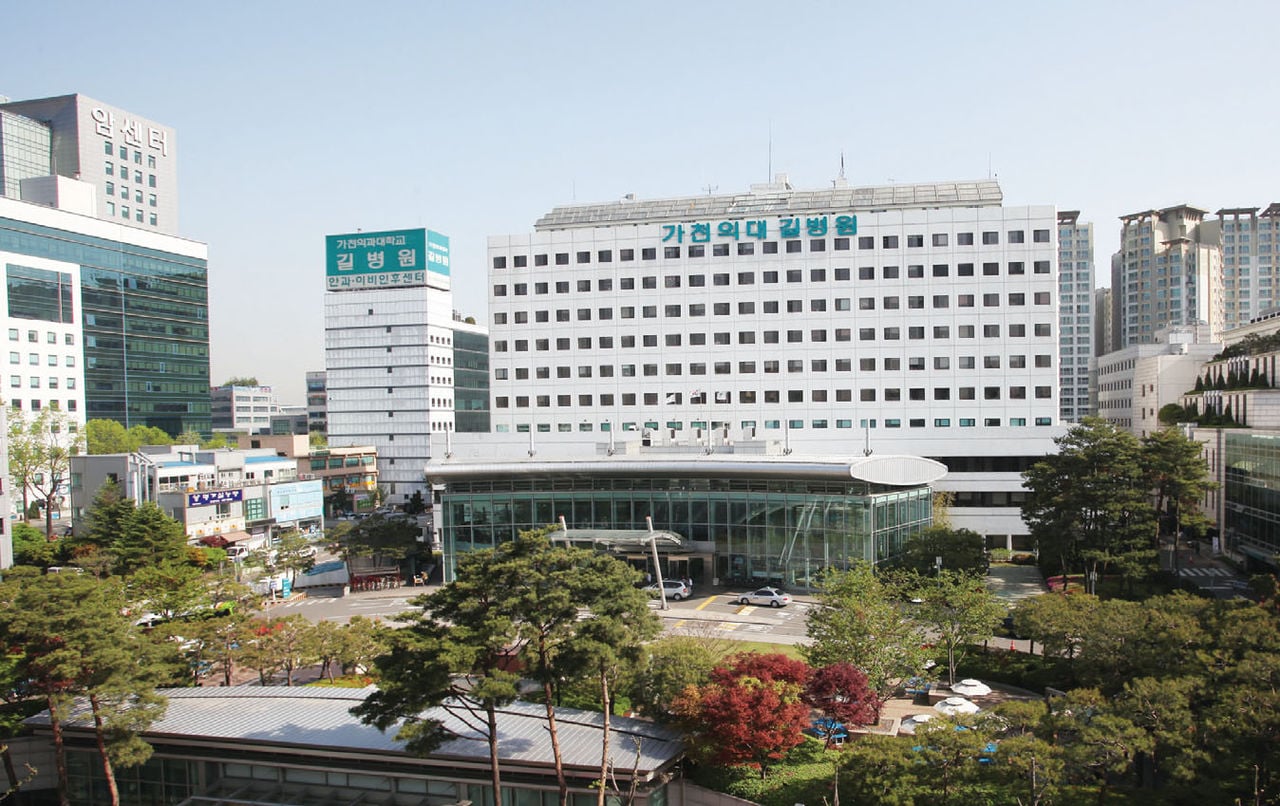

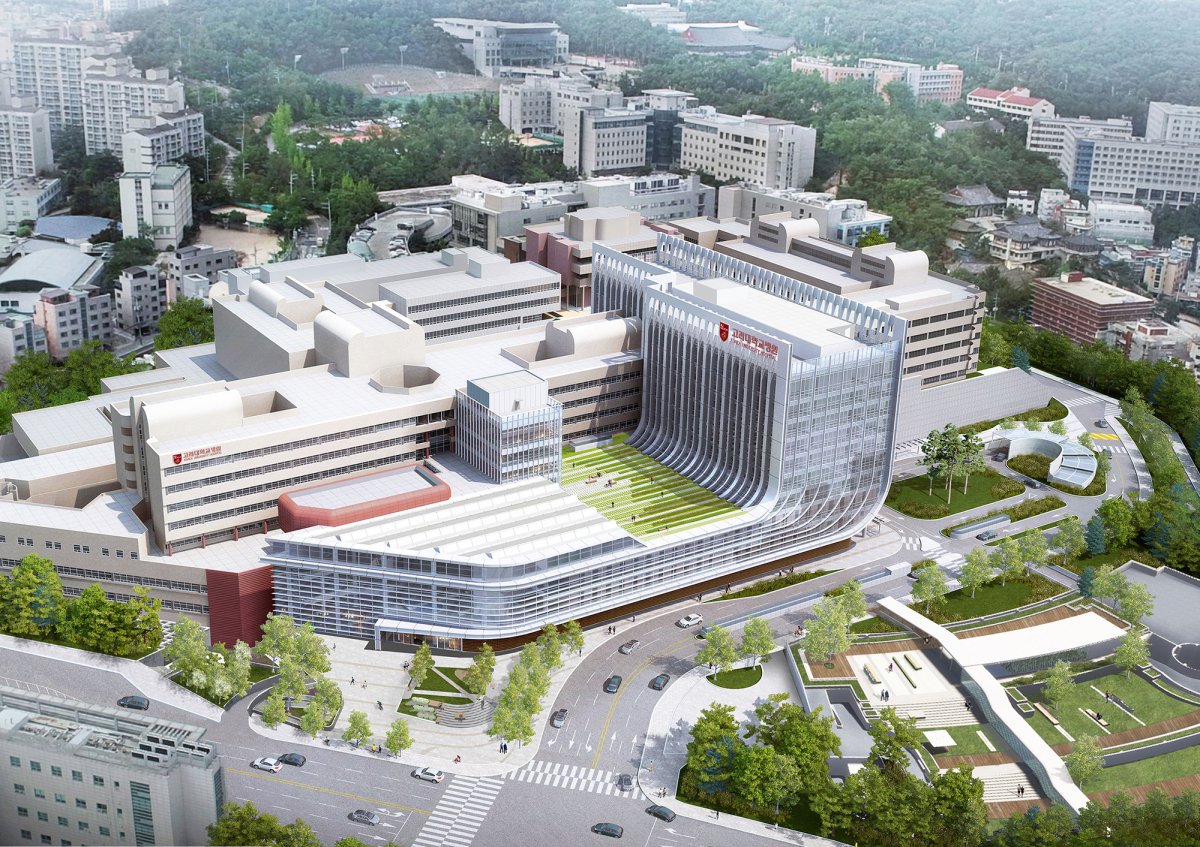
Hospital Severance (Severance Hospital)




Obtenga una evaluación médica para Sarcoma en Corea del Sur: consulte con doctores experimentados ahora
Ver todos los médicos
Lim Do Hoon
El profesor Lim Do Hoon dirige el Departamento de Oncología Radioterápica del Samsung Medical Center, especializándose en sarcomas y tumores pediátricos raros.
- Especializado en tumores gástricos, pancreatobiliares y del SNC
- Amplia formación en el Hospital de la Universidad Nacional de Seúl
- Se centra en técnicas innovadoras de radioterapia
- Experto en oncología tanto de adultos como pediátrica

Sung Hoon Noh
El Prof. Sung Hoon Noh se especializa en cáncer gástrico avanzado y se desempeña como Director del Centro Oncológico Yonsei. Ha dirigido importantes asociaciones oncológicas en Corea y a nivel internacional.
- Experto en cirugía y oncología de cáncer gástrico
- Ex presidente de la Asociación Coreana de Cáncer Gástrico
- Ganador del Premio Académico de Cáncer
- Dirige uno de los principales centros oncológicos de Corea
Compartir contenido
Historias en video de pacientes de Bookimed
 Olena Sikoza
Preguntas frecuentes sobre el tratamiento de Sarcoma en Corea del Sur
¿Qué hospitales en Corea del Sur se especializan en el tratamiento de sarcomas?
La República de Corea alberga centros oncológicos de clase mundial como el Samsung Medical Center y el Asan Medical Center, especializados en el cuidado complejo de sarcomas. Estas instituciones utilizan equipos multidisciplinarios y tecnologías avanzadas. Los pacientes tienen acceso a terapia de protones, cirugía robótica Da Vinci y ablación por ultrasonido focalizado de alta intensidad.
- Samsung Medical Center: Se centra en cánceres raros utilizando Novalis y radioterapia guiada por imagen.
- Seoul National University: Reporta altas tasas de éxito utilizando sistemas especializados de monitoreo digital para tratamientos seguros.
- Korea University Anam: Reconocido por sus habilidades de clase mundial en cirugía robótica oncológica que preserva la función.
- Severance Hospital: Un centro acreditado por la JCI que ofrece atención integral, incluidas opciones avanzadas de inmunoterapia.
Perspectiva del experto de Bookimed: Aunque muchos eligen centros famosos por su reputación, la relación entre volumen y resultados es una señal vital. El Samsung Medical Center atiende a más de 2.000.000 de pacientes al año y emplea a especialistas como el Prof. Lim Do Hoon. Este inmenso volumen de casos raros a menudo se traduce en una mayor precisión quirúrgica y una mejor preservación a largo plazo de la función de las extremidades.
Consenso d
¿Qué tecnologías avanzadas se utilizan para el tratamiento del sarcoma en Corea del Sur?
Corea del Sur utiliza terapia avanzada de iones pesados y ultrasonido focalizado de alta intensidad (HIFU) para el tratamiento del sarcoma. Los centros médicos integran la secuenciación de próxima generación (NGS) y sistemas robóticos como Da Vinci para mayor precisión. Estas tecnologías permiten la destrucción dirigida del tumor mientras se preservan las estructuras óseas y tisulares sanas.
- Terapia de iones pesados: Los iones de carbono acelerados proporcionan una destrucción más precisa que la radioterapia tradicional.
- Ablación HIFU: Las ondas de ultrasonido de alta intensidad destruyen tumores de tejidos blandos sin necesidad de incisiones quirúrgicas.
- Impresión 3D: Los cirujanos utilizan implantes personalizados impresos en 3D para reconstruir el hueso después de la extirpación del sarcoma.
- Mapeo genético: La secuenciación de próxima generación identifica subtipos moleculares específicos para adaptar protocolos de quimioterapia personalizados.
Perspectiva del experto de Bookimed: Corea del Sur ofrece una combinación poco común de terapia de iones pesados y ablación HIFU para sarcomas. Solo unos pocos centros globales poseen esta mezcla específica. Nuestros datos muestran que hospitales como Severance y Samsung Medical Center se centran en técnicas de preservación de órganos. Este enfoque ayuda a los pacientes a evitar la amputación
¿Ofrece Corea del Sur servicios de rehabilitación especializados después de la terapia contra el sarcoma?
Corea del Sur ofrece rehabilitación especializada para pacientes con sarcoma en centros multidisciplinarios. Los hospitales líderes en Seúl integran la fisioterapia avanzada directamente en las rutas de tratamiento oncológico. Estos programas se centran en la recuperación de la movilidad tras cirugías musculoesqueléticas complejas y utilizan sistemas de asistencia robótica de última generación.
- Centros especializados: El Hospital Severance cuenta con sus propios centros de oncología y rehabilitación.
- Análisis de la marcha: El análisis avanzado de la marcha y las prótesis computarizadas ayudan a los pacientes después de una amputación.
- Enfoques integradores: El centro G SAM combina la fisioterapia con la medicina tradicional coreana.
- Manejo del dolor: Clínicas dedicadas tratan el dolor crónico y el linfedema después de la radioterapia.
Perspectiva del experto de Bookimed: Una ventaja importante en Corea es la alta densidad de atención en instituciones como el Samsung Medical Center. Con más de 1.400 médicos y equipos de última generación como el sistema Da Vinci, la rehabilitación a menudo se conecta perfectamente con la cirugía. El SNUBH también utiliza el sistema BESTcare para evitar errores durante toda la fase de recuperación.
Consenso de los pacientes: Los pacientes a menudo destacan lo valiosa que es la estr