Tratamiento de Enfermedad fibroquística de la mama en España — obtenga 3 coincidencias personalizadas de clínicas


Revisado médicamente por
Fahad Mawlood
Cómo funciona
¿Cuál es el precio del diagnóstico y los tratamientos de Enfermedad fibroquística de la mama en España? Descubra ahora
Descubra las mejores clínicas de tratamiento de Enfermedad fibroquística de la mama en España: 5 opciones verificadas y Precios













Obtenga una evaluación médica para Enfermedad fibroquística de la mama en España: consulte con doctores experimentados ahora
Ver todos los médicos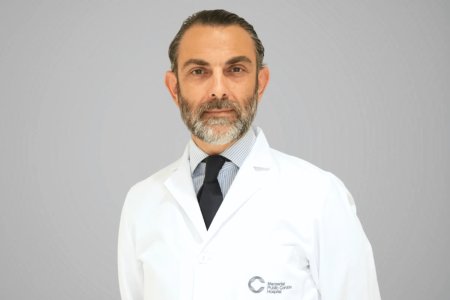
Jorge Ruiz Rodríguez
El Dr. Jorge Ruiz Rodríguez es ginecólogo-obstetra y cirujano de mama en el Hospital Memorial Publio Cordón de Madrid. Está especializado en mastología y oncología quirúrgica para el cáncer de mama. El Dr. Ruiz Rodríguez trata la mastopatía fibroquística y realiza extirpaciones de tumores.
Trabaja en un centro acreditado por la Joint Commission International. El hospital también cuenta con acreditaciones de la Sociedad Europea de Reproducción Humana y Embriología. El equipo médico inclu
Compartir contenido
Historias en video de pacientes de Bookimed
 Olena Sikoza
Preguntas frecuentes sobre el tratamiento de Enfermedad fibroquística de la mama en España
¿Es la enfermedad fibroquística de mama realmente una enfermedad y se convertirá en cáncer?
La enfermedad fibroquística de mama no es una enfermedad médica. Es una afección benigna que ahora se denomina cambios fibroquísticos en los senos. Estas variaciones tisulares no se convierten en cáncer. Representan respuestas anatómicas naturales a los cambios hormonales durante el ciclo menstrual en más del 50% de las mujeres.
- Estado de la afección: Los profesionales médicos clasifican estos cambios como variaciones normales en lugar de una patología.
- Riesgo de cáncer: El tejido fibroquístico es totalmente no canceroso y no evoluciona hacia la malignidad.
- Enmascaramiento diagnóstico: El tejido denso o con bultos a veces puede hacer que las mamografías sean más difíciles de interpretar.
- Señales de alerta: Consulte a un especialista si presenta secreción sanguinolenta por el pezón, hoyuelos en la piel o bultos firmes persistentes.
Perspectiva de expertos de Bookimed: España sigue siendo un destino principal para diagnósticos complejos, ocupando el séptimo lugar a nivel mundial en nuestros datos de mercado. Centros como la Clínica Universidad de Navarra o el Centro Médico Teknon atienden entre 140.000 y 400.000 pacientes al año. Su alto volumen y acreditación JCI garantizan que incluso los cambios mamarios comunes se examinen utilizando imágenes avanzadas para descartar problemas subyacentes de manera decisiva.
Consenso de
¿Cuáles son los principales tratamientos médicos para controlar los síntomas graves?
El manejo médico de los síntomas fibroquísticos graves en España se centra en la regulación hormonal y el alivio específico del dolor, proporcionado en centros acreditados por la JCI. Los equipos de especialistas emplean farmacología recetada, aspiración con aguja e intervenciones basadas en el ciclo para reducir la sensibilidad y la nodularidad mamaria. Estos tratamientos estabilizan eficazmente la calidad de vida durante los brotes.
- Manejo del dolor: Los antiinflamatorios no esteroideos (AINE) de dosis alta o los agentes tópicos se dirigen a la sensibilidad mamaria focal.
- Terapia hormonal: Los anticonceptivos recetados o los supresores hormonales regulan las fluctuaciones relacionadas con el ciclo y los cambios mamarios.
- Aspiración de quistes: La aspiración con aguja fina elimina el líquido de los quistes dolorosos para un alivio inmediato de la presión.
- Seguimiento diagnóstico especializado: Centros como el Hospital HM Nou Delfos utilizan imágenes avanzadas para monitorear los cambios en los tejidos.
Perspectiva del experto de Bookimed: Los datos sobre el volumen de pacientes destacan al Hospital HM Nou Delfos y a los centros académicos de España como centros dominantes, que atienden hasta 400.000 pacientes al año. Esta escala masiva sugiere protocolos de diagnóstico altamente optimizados. Si bien clínicas como el Centro Médico Tekno
¿Qué centros médicos se especializan en el tratamiento de afecciones mamarias benignas en España?
Los centros médicos españoles brindan atención especializada para afecciones mamarias benignas a través de Unidades de Patología Mamaria dedicadas. Centros como el Centro Médico Teknon y la Clínica Universidad de Navarra ofrecen diagnósticos integrados y atención quirúrgica. Estas instituciones cuentan con la acreditación de la Joint Commission International. La mayoría garantiza flujos de trabajo rápidos de imagenología y biopsia en un plazo de 24 horas.
- Enfoque multidisciplinario: Los equipos integran ginecología, radiología y cirugía mamaria para evaluaciones diagnósticas simultáneas.
- Diagnóstico avanzado: Los centros utilizan mamografía digital y ecografía de alta precisión para distinguir los cambios fibroquísticos benignos.
- Unidades especializadas: Centros de referencia como Vall d'Hebron gestionan grandes volúmenes de anomalías no cancerosas.
- Estándares internacionales: Los principales hospitales privados mantienen certificaciones ISO y clasificaciones de la revista Newsweek.
Perspectiva del experto de Bookimed: Los grupos de salud españoles como HM Hospitales ofrecen una ventaja logística significativa para las afecciones benignas crónicas. Con 400,000 pacientes atendidos anualmente en su red, estas instalaciones ofrecen un intercambio de datos fluido entre Madrid y Barcelona. Esto permite a los pacientes mantener seguimientos a
¿Esta afección desaparece alguna vez de forma permanente?
La enfermedad fibroquística de mama se considera generalmente un patrón hormonal recurrente más que una afección que desaparece de forma permanente. Los síntomas a menudo se resuelven de forma natural después de la menopausia a medida que los niveles hormonales se estabilizan. El manejo de los síntomas implica un seguimiento individualizado a largo plazo en centros españoles acreditados por la JCI, como el Centro Médico Teknon.
- Patrones hormonales: Los cambios suelen seguir el ciclo menstrual o las fluctuaciones hormonales.
- Resolución posmenopáusica: Los síntomas suelen mejorar significativamente o desaparecer después de la menopausia.
- Manejo a largo plazo: La atención se centra en el control de los síntomas en lugar de una cura única.
- Seguimiento de señales de alerta: Los especialistas vigilan la aparición de bultos mamarios duros, fijos o que cambian rápidamente.
Perspectiva de expertos de Bookimed: Los centros oncológicos españoles como la Clínica Universidad de Navarra mantienen un alto volumen de pacientes anuales. Esta experiencia significativa ayuda a los especialistas a diferenciar entre los cambios fibroquísticos benignos y las neoplasias malignas en etapa temprana. Los pacientes se benefician de la experiencia que se encuentra en instalaciones que atienden a más de 140.000 pacientes cada año.
Consenso de los pac
¿Qué diagnósticos debo esperar durante una evaluación mamaria en España?
Las evaluaciones mamarias en España suelen incluir un examen físico, una mamografía digital bilateral y una ecografía complementaria. Las clínicas privadas especializadas a menudo combinan estas pruebas de imagen en una sola sesión. Los centros acreditados por la JCI en Madrid y Barcelona utilizan tomosíntesis 3D y biopsias con aguja gruesa para confirmar diagnósticos en un plazo de 24 a 48 horas.
- Examen físico: Los médicos evalúan el tejido, los ganglios linfáticos y el historial de cambios relacionados con el ciclo.
- Ecografía mamaria: Se utiliza como herramienta principal para distinguir quistes llenos de líquido de masas sólidas.
- Mamografía digital: El cribado estándar implica que dos radiólogos realicen una doble lectura a ciegas obligatoria.
- Biopsia guiada: Los cirujanos realizan técnicas de biopsia con aguja gruesa o asistida por vacío para validar la patología.
Perspectiva del experto de Bookimed: España ocupa el séptimo lugar a nivel mundial en Bookimed en cuanto a solicitudes de pacientes, impulsado por el marco especializado «Acto Único». Este modelo permite a los pacientes en centros como el Centro Médico Teknon o la Clínica Universidad de Navarra completar las pruebas de imagen y la biopsia el mismo día. Para los síntomas fibroquísticos, esto reduce significativamente la ansiedad de espera para los pacientes internacionales
¿Cómo accedo a un especialista en mamas a través del sistema sanitario español?
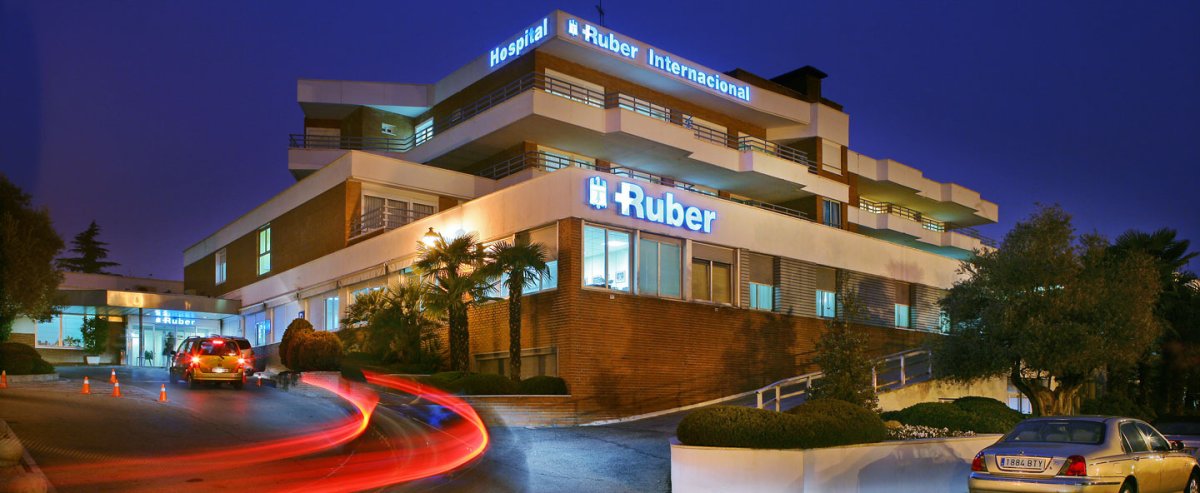
Acceder a un especialista en mamas en España requiere una derivación de un médico de cabecera para la atención pública. Debe visitar su centro de salud local para una evaluación inicial. El seguro privado permite la reserva directa con especialistas en clínicas acreditadas por la JCI como el Centro Médico Teknon o el Hospital Ruber Internacional.
- Derivación pública: Los médicos de cabecera emiten un volante a las unidades de mama de los hospitales por necesidad médica.
- Acceso privado: Los pacientes pueden evitar las derivaciones y reservar citas directamente con especialistas privados.
- Edad de cribado: Los programas nacionales ofrecen mamografías bienales para mujeres de 45 a 74 años.
- Registro: El acceso público requiere una tarjeta sanitaria obtenida mediante un certificado de residencia.
Perspectiva del experto de Bookimed: España ocupa el séptimo lugar a nivel mundial con 83 clínicas especializadas en nuestra red. Los principales centros como la Clínica Universidad de Navarra atienden a más de 140.000 pacientes al año. Aunque existen clínicas más pequeñas, estas instalaciones de gran volumen suelen obtener primero la acreditación de la JCI. Vemos que los pacientes eligen Madrid o Barcelona para tecnologías de diagnóstico especializadas como la imagen EOS.
Consenso de los pacientes: Los pacientes recomiendan de
¿Qué modificaciones en el estilo de vida y la dieta pueden ayudar a reducir el dolor mamario?
La reducción del dolor mamario se centra en la estabilización hormonal y el soporte físico mediante ajustes específicos en el estilo de vida. Las modificaciones clave incluyen reducir los niveles de estrógeno mediante dietas ricas en fibra y minimizar la inflamación. Usar un sostén de soporte y reducir la ingesta de cafeína son formas principales de controlar la sensibilidad en centros acreditados por la JCI en España.
- Dieta baja en grasas: Reducir las grasas disminuye los niveles de estrógeno para minimizar la hinchazón mamaria hormonal.
- Restricción de cafeína: Limitar el café y el chocolate ayuda a prevenir la constricción de los vasos sanguíneos.
- Reducción de sodio: Disminuir la ingesta de sal previene la retención de líquidos y la sensibilidad mamaria cíclica.
- Soporte mecánico: Usar un sostén deportivo ajustado profesionalmente reduce la tensión dolorosa en los tejidos.
Perspectiva de expertos de Bookimed: España ocupa un lugar destacado en la atención global con 83 clínicas especializadas y más de 500 solicitudes atendidas. Grandes instituciones como la Clínica Universidad de Navarra tratan a más de 140,000 pacientes al año. Nuestros datos muestran que estos centros académicos combinan tecnología de diagnóstico como la resonancia magnética de alta precisión en el Hospital HM Nou Delfos con un manejo hormonal multidisciplinario.