Enfermedad fibroquística de la mama en Israel: las 3 mejores clínicas para su tratamiento


Revisado médicamente por
Fahad Mawlood
Cómo funciona
¿Cuál es el precio del diagnóstico y los tratamientos de Enfermedad fibroquística de la mama en Israel? Descubra ahora
Descubra las mejores clínicas de tratamiento de Enfermedad fibroquística de la mama en Israel: 3 opciones verificadas y Precios








Obtenga una evaluación médica para Enfermedad fibroquística de la mama en Israel: consulte con doctores experimentados ahora
Ver todos los médicos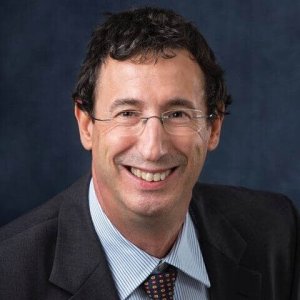
Dov Zippel
El profesor Dov Zippel es cirujano general y oncólogo quirúrgico. Está especializado en patología mamaria y melanoma. Dirige el Centro de Mama Meirav del Centro Médico Sheba. También ejerce en el Instituto Ella Lemelbaum de Inmuno-Oncología. En 2025, Forbes Israel lo incluyó en su lista de Mejores Médicos.
Experiencia: atención avanzada para tumores mamarios benignos y malignos. Cirugía mínimamente invasiva y conservadora de mama. Tratamiento quirúrgico del melanoma y otros cánceres de

Oscar Aballay
Certificado por el consejo en medicina interna y cardiología, con más de _doctor_3429_ años de experiencia clínica. El Dr. Aballay ofrece atención integral en el Sourasky Medical Center.
- Trata un amplio espectro de enfermedades y condiciones médicas
- Especializado en cardiología, neumología y medicina de cuidados críticos
- Ofrece consultas a pacientes tanto en español como en inglés
Compartir contenido
Historias en video de pacientes de Bookimed
 Olena Sikoza
Preguntas frecuentes sobre el tratamiento de Enfermedad fibroquística de la mama en Israel
¿Se considera la enfermedad fibroquística de mama una enfermedad peligrosa?
La enfermedad fibroquística de mama no es una enfermedad peligrosa. Los médicos ahora la clasifican como una variación normal llamada cambios fibroquísticos en los senos. Estas modificaciones benignas afectan a más del 50% de las mujeres antes de la menopausia. Aunque no ponen en peligro la vida, estos cambios requieren un control regular para asegurar y confirmar que cualquier nuevo crecimiento de tejido no sea canceroso.
- Riesgo de cáncer: Los cambios fibroquísticos estándar no aumentan su riesgo general de desarrollar cáncer.
- Desencadenantes hormonales: Los síntomas suelen alcanzar su punto máximo antes de la menstruación debido a las fluctuaciones normales de estrógeno y progesterona.
- Densidad del tejido: El tejido denso puede dificultar la lectura de las mamografías. La imagenología digital avanzada es esencial.
- Cambios posmenopáusicos: Los síntomas suelen desaparecer después de la menopausia, a menos que la paciente utilice terapia de reemplazo hormonal.
Perspectiva del experto de Bookimed: Los centros médicos israelíes como Assuta y Sourasky priorizan el monitoreo multidisciplinario. El Centro Médico Assuta permite a los pacientes seleccionar a su propio médico tratante. Esta elección personal es vital para el manejo de afecciones benignas crónicas. Los pacientes a menudo se benefician de consultar a cirujanos como el Dr. Dov Zipp
¿Tener mamas fibroquísticas hace que el cáncer de mama sea más difícil de detectar?
Las mamas fibroquísticas dificultan la detección del cáncer debido al enmascaramiento físico y radiográfico. El tejido fibroso denso y los tumores cancerosos aparecen blancos en las mamografías. Las imágenes especializadas, como la mamografía 3D o la resonancia magnética mamaria, ayudan a los médicos en los centros médicos israelíes a distinguir los quistes benignos de las masas malignas sólidas.
- Enmascaramiento físico: La textura grumosa del tejido oculta nuevos tumores durante los exámenes clínicos y los autoexámenes de mama.
- Límites radiográficos: El tejido mamario denso reduce la sensibilidad de la mamografía al crear un fondo blanco.
- Beneficio de la ecografía: Las ondas de ultrasonido identifican eficazmente los quistes llenos de líquido frente a las lesiones mamarias sólidas y sospechosas.
- Imágenes avanzadas: La tomosíntesis digital proporciona vistas en 3D para ver a través de las estructuras fibroquísticas superpuestas.
Perspectiva del experto de Bookimed: Los centros israelíes como el Sourasky Medical Center utilizan imágenes digitales avanzadas para superar los obstáculos de detección. Sus especialistas utilizan diagnósticos integrados con IA para analizar patrones de tejido denso. Esta tecnología ayuda a diferenciar entre las fluctuaciones hormonales normales y las posibles neoplasias en etapa temprana con mayor precisión que
¿Qué procedimientos clínicos se realizan en Israel si un quiste se vuelve grande o muy doloroso?
Los centros médicos israelíes realizan drenaje mínimamente invasivo o escisión quirúrgica para quistes grandes o dolorosos. Los médicos priorizan la aspiración con aguja fina para un alivio inmediato. En casos avanzados, se utiliza la cistectomía laparoscópica o la cirugía asistida por robot en centros acreditados por la JCI, como el Sourasky Medical Center, para preservar el tejido sano.
- Aspiración con aguja: El drenaje guiado por ultrasonido elimina el líquido para resolver el dolor en entornos ambulatorios.
- Cirugía laparoscópica: Los cirujanos utilizan incisiones de 5 milímetros para la cistectomía mientras protegen los órganos circundantes.
- Extirpación asistida por robot: Los sistemas Da Vinci en centros como Sourasky proporcionan precisión cerca de los nervios.
- Escisión quirúrgica: La extirpación definitiva del saco del quiste evita que la cavidad se vuelva a llenar.
Perspectiva del experto de Bookimed: Aunque muchos buscan cirujanos generales, buscar especialistas como el Dr. Dov Zippel en el Sheba Medical Center ofrece una gran ventaja. Los especialistas en oncología mamaria o quirúrgica a menudo utilizan técnicas como la escisión intacta de la lesión. Este enfoque asegura que se elimine toda la pared del quiste. Reduce significativamente la posibilidad de que el quiste regrese en comparación con el drenaje simple.
¿Qué centros israelíes son más conocidos por el diagnóstico y cuidado avanzado de mama?
Los principales centros israelíes para el cuidado avanzado de mama incluyen el Sheba Medical Center, el Sourasky Medical Center y el Assuta Medical Center. Estas instalaciones utilizan diagnósticos basados en IA, escaneos MIRA 3D e imágenes de alta precisión para gestionar la salud mamaria. Reconocidos por Newsweek y la Joint Commission International, se especializan en diferenciar condiciones benignas de malignidad.
- Herramientas de diagnóstico especializadas: Las instalaciones utilizan tomosíntesis mamaria 3D e imágenes mejoradas por IA para mayor precisión.
- Expertos líderes en oncología: El Dr. Dov Zippel en Sheba lidera la oncología quirúrgica mamaria especializada.
- Altas tasas de éxito: El Sourasky Medical Center reporta una tasa de éxito promedio del 90% en oncología.
- Opciones de atención privada: El Assuta Medical Center ofrece atención quirúrgica acreditada por la JCI con selección de médico privado.
Perspectiva de expertos de Bookimed: Los centros médicos israelíes demuestran un alto nivel de integración de la investigación. El Sourasky Medical Center alberga más de 240 departamentos y se centra fuertemente en el descubrimiento científico. Los pacientes a menudo encuentran que centros como Rambam y Sourasky operan a una escala masiva, atendiendo a casi 1,000,000 y 1,800,000 pacientes anualmente respectivamente. Este volumen ultr
¿Es necesaria alguna vez la cirugía para los cambios fibroquísticos de mama en las clínicas israelíes?
La cirugía para los cambios fibroquísticos de mama en Israel es poco frecuente porque la afección es benigna. Las clínicas israelíes priorizan el manejo no invasivo y la vigilancia activa. Centros especializados como el Meirav Breast Cancer Center en el Sheba Medical Center siguen estándares basados en evidencia. Solo consideran la cirugía ante masas sospechosas o dolor intratable.
- Sospecha de malignidad: La cirugía se realiza si las imágenes muestran puntuaciones BI-RADS altas que requieren una biopsia definitiva.
- Quistes persistentes: Los cirujanos intervienen si los quistes llenos de líquido se vuelven a llenar después de múltiples aspiraciones guiadas por ultrasonido.
- Células atípicas: Los cambios proliferativos como la hiperplasia ductal atípica pueden requerir márgenes quirúrgicos claros.
- Manejo del dolor: La escisión localizada es una opción final para el dolor severo que no responde a la terapia hormonal.
Perspectiva del experto de Bookimed: Especialistas israelíes como el Dr. Dov Zippel utilizan el sistema de escisión de lesiones mamarias Intact. Esta tecnología permite la extirpación de lesiones benignas a través de una pequeña incisión. A menudo se realiza como un procedimiento ambulatorio en centros como Sheba o Assuta Medical Center. Este enfoque cierra la brecha entre la biopsia tradicional y la cirugía mayor.
¿Se utilizan terapias hormonales en Israel para tratar los cambios fibroquísticos?
Los especialistas israelíes utilizan terapias hormonales para tratar la enfermedad fibroquística de mama solo en casos de síntomas graves o persistentes. Los médicos priorizan el manejo conservador para la mayoría de las pacientes. Centros especializados como el Sourasky Medical Center utilizan geles de progesterona locales para minimizar los efectos secundarios. Los casos con dolor intratable pueden requerir medicamentos bloqueadores de estrógeno.
- Tratamiento localizado: Los geles de progesterona se dirigen a tejidos dolorosos específicos mientras reducen los efectos secundarios sistémicos.
- Estabilización hormonal: Se pueden utilizar anticonceptivos orales de baja dosis para regular las fluctuaciones hormonales mensuales.
- Prioridad conservadora: Los protocolos iniciales se centran en medidas de apoyo y fármacos antiinflamatorios no esteroideos.
- Supervisión experta: Los mamólogos especializados en centros acreditados por la JCI supervisan estrictamente el uso de antagonistas hormonales.
Perspectiva del experto de Bookimed: Los centros médicos israelíes muestran una tendencia hacia departamentos integrados de oncología y mamología. Por ejemplo, el Sourasky Medical Center atiende a más de 1,800,000 pacientes anualmente en 240 departamentos. Este alto volumen permite a los médicos diferenciar entre fluctuaciones fisiológicas y enfermedades
¿Por qué Israel es uno de los principales destinos para la neurocirugía?
Israel es un centro líder en neurocirugía gracias a su combinación de avances médicos de alta tecnología y una experiencia quirúrgica de primer nivel. Instalaciones avanzadas como el Centro Médico Sheba utilizan sistemas de navegación basados en IA y resonancia magnética intraoperatoria en tiempo real. Centros especializados reportan una tasa de éxito del 98% en procedimientos complejos, como la craneotomía con el paciente despierto y el tratamiento de trastornos del movimiento.
- Tecnología avanzada: Las clínicas utilizan ultrasonido enfocado guiado por resonancia magnética (MRgFUS) y sistemas robóticos para realizar incisiones.
- Experiencia quirúrgica: Cirujanos como el Dr. Zvi Ram lideran asociaciones internacionales con más de 25 años de experiencia.
- Acceso rápido: Los pacientes internacionales generalmente pueden programar cirugías complejas de cerebro o columna en un plazo de 2 a 4 semanas.
- Atención médica acreditada: Grandes centros como Sourasky (Ichilov) y Assuta están acreditados por la JCI, lo que confirma su seguridad.
Opinión experta de Bookimed: Los datos muestran una clara diferencia entre las opciones de tratamiento públicas y privadas en Israel. Centros privados, como el Centro Médico Assuta, realizan más de 92.000 cirugías al año y permiten a los pacientes elegir a un cirujano líder específico. Esto supone una ventaja signi
¿Qué tipos de enfermedades neuroquirúrgicas se tratan en Israel?
Los neurocirujanos israelíes tratan una amplia gama de afecciones, desde tumores cerebrales y de médula espinal hasta trastornos funcionales complejos. Los centros especializados utilizan tecnologías de vanguardia, como el bisturí de rayos gamma, la estimulación cerebral profunda y la resonancia magnética intraoperatoria, para un diagnóstico altamente preciso de la epilepsia, la enfermedad de Parkinson y las patologías cerebrovasculares.
- Enfermedades oncológicas: tratamiento de gliomas, meningiomas y tumores hipofisarios mediante resección de la base del cráneo.
- Trastornos funcionales: tratamiento de la enfermedad de Parkinson y del temblor esencial mediante estimulación cerebral profunda.
- Patologías de columna: corrección de escoliosis, hernias discales y tumores espinales mediante sistemas robóticos.
- Tratamiento de las enfermedades cerebrovasculares: tratamiento quirúrgico de aneurismas cerebrales y malformaciones arteriovenosas mediante intervenciones endovasculares.
- Neurocirugía pediátrica: atención especializada en hidrocefalia y anomalías congénitas en centros pediátricos especializados.
Opinión experta de Bookimed: Los hospitales israelíes suelen combinar diversas especialidades para abordar casos complejos. En el Centro Médico Sourasky, neurocirujanos como el Dr. Zvi Lidar combinan neurocirugía y ortopedi
¿Qué hospitales en Israel son más conocidos por sus departamentos de neurocirugía?
Israel alberga centros neuroquirúrgicos de renombre mundial, como el Centro Médico Sourasky, el Centro Médico Sheba y el Centro Médico Hadassah. Estas instituciones son líderes mundiales en el tratamiento de tumores cerebrales complejos, enfermedades de la columna vertebral y trastornos del movimiento. Utilizan tecnologías de vanguardia como el bisturí de rayos gamma, sistemas robóticos y resonancia magnética intraoperatoria.
- Suraski (Ichilov): realiza más de 2.500 operaciones neuroquirúrgicas al año en Tel Aviv con una tasa de éxito del 98%.
- Centro Médico Sheba: clasificado entre los diez mejores hospitales del mundo, trata a 1,9 millones de pacientes al año.
- Centro Médico Hadassah: Nominado al Premio Nobel de la Paz. Líder en neurocirugía pediátrica y terapia génica.
- Centro Médico Assuta: el centro médico privado más grande de Israel. Especializado en cirugías mínimamente invasivas de columna y cerebro.
- Hospital Infantil Schneider: un centro líder en neurocirugía pediátrica que trata a 275.000 niños al año.
Opinión experta de Bookimed: Nuestros datos muestran que, si bien la mayoría de los pacientes buscan tratamiento en Tel Aviv, el Centro Médico Rambam en Haifa ofrece una atención única para neurotraumatismos. Cuenta con una unidad especializada en cuidados neurocríticos que atiende a aproximadamente un milló
¿Quiénes son los principales neurocirujanos en Israel?
Entre los neurocirujanos israelíes más destacados se encuentran los profesores Zvi Ram, Shlomi Constantini e Itzhak Fried, del Centro Médico Sourasky. Estos especialistas ocupan puestos de liderazgo en la Asociación Europea de Sociedades de Neurocirugía (EANS) y la Sociedad Mundial de Neurocirugía Estereotáctica y Funcional (WSSFN). Utilizan técnicas avanzadas de mapeo intraoperatorio y sistemas robóticos.
- Profesor Zvi Ram: experto en cirugía mínimamente invasiva de tumores cerebrales y terapia genética para el cáncer.
- Profesor Shlomi Constantini: Se especializa en procedimientos neuroendoscópicos pediátricos complejos y microcirugía para tumores cerebrales.
- Profesor Itzhak Fried: una autoridad en cirugía de epilepsia, mapeo cerebral funcional y estimulación cerebral profunda.
- Dr. Eli Ashkenazi: Cirujano ortopédico líder en el Hospital Assuta, especializado en el innovador sistema TOPS.
Opinión de los expertos de Bookimed: Los datos de Sourasky y Sheba indican una fuerte correlación entre un alto volumen quirúrgico y la seguridad del paciente. Por ejemplo, Sourasky realiza más de 34.000 cirugías oncológicas al año con una tasa de éxito del 90 %. Los pacientes que requieren la extirpación de un tumor complejo deberían priorizar centros como estos, donde los cirujanos realizan cientos de procedimientos especializados al año.