Enfermedad fibroquística de la mama Tratamiento en Alemania — Costos 2026


Revisado médicamente por
Fahad Mawlood
¿Cuál es el precio del diagnóstico y los tratamientos de Enfermedad fibroquística de la mama en Alemania? Descubra ahora
Sus beneficios y garantías con Bookimed
Precios directos
Bookimed no añade cargos extra a los precios de los tratamientos de Enfermedad fibroquística de la mama. Las tarifas proceden de las listas de precios oficiales de las clínicas. Pagará directamente en la clínica por su tratamiento a su llegada al país.
Sólo clínicas y médicos verificados
Bookimed está comprometido con su seguridad. Solo trabajamos con las clínicas que mantienen altos estándares internacionales en el tratamiento de Enfermedad fibroquística de la mama y cuentan con las licencias necesarias para atender a pacientes internacionales en todo el mundo.
Asistencia 24/7 gratuita
Bookimed ofrece asistencia experta gratuita. Un coordinador médico personal le apoya antes, durante y después de su tratamiento, resolviendo cualquier problema. Nunca estará solo en su viaje médico de tratamiento de Enfermedad fibroquística de la mama.

Su coordinador médico personal de Bookimed
- Le apoya en cada etapa
- Ayuda a elegir la clínica y el médico adecuados
- Asegura un acceso rápido y conveniente a la información
Descubra las mejores clínicas de tratamiento de Enfermedad fibroquística de la mama en Alemania: 5 opciones verificadas y Precios




Hospital in the Pfeiffer`s foundations
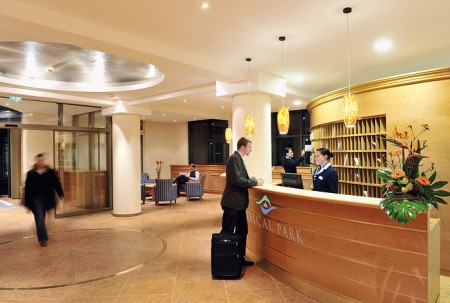
Medical Park AG

Obtenga una evaluación médica para Enfermedad fibroquística de la mama en Alemania: consulte con doctores experimentados ahora
Ver todos los médicos
Manuela Seifert
26 años dirige el Centro de Cáncer de Mama en Solingen – el Dr. Seifert se especializa en cirugías de conservación de mama y reconstrucción estética.
- Experto en cirugía plástica para la conservación y reconstrucción mamaria
- Utiliza técnicas avanzadas como la mamografía 3D y la resonancia magnética para un diagnóstico preciso
- Proporciona apoyo psicológico durante todo el tratamiento y la recuperación
- Director de un centro líder en el tratamiento del cáncer de mama en Alemania

Séverine Iborra
La Dra. Séverine Iborra dirige el Departamento de Ginecología y Obstetricia en Städtisches Klinikum Solingen, con experiencia especializada en salud mamaria en el Bergisches Breast Center Solingen.
- Certificada en oncología ginecológica y obstetricia especial
- Amplia experiencia en procedimientos mínimamente invasivos, incluida la laparoscopia
- Miembro activo de las principales sociedades médicas alemanas de ginecología
- Ha publicado numerosos artículos y ha sido ponente en importantes conferencias
Compartir contenido
Historias en video de pacientes de Bookimed
 Olena Sikoza
Preguntas frecuentes sobre el tratamiento de Enfermedad fibroquística de la mama en Alemania
¿Aumenta la enfermedad fibroquística de mama el riesgo de cáncer de mama?
Los cambios fibroquísticos en los senos son benignos y no aumentan el riesgo de cáncer de mama. La mayoría de los expertos médicos consideran estos cambios como una respuesta normal a las fluctuaciones hormonales. La afección es común e inofensiva. La fibrosis estándar o los quistes simples llenos de líquido no conllevan ningún riesgo adicional para las pacientes.
- Factores de riesgo: El riesgo solo aumenta si las biopsias muestran hiperplasia atípica o crecimiento celular excesivo.
- Desafíos diagnósticos: El tejido denso puede dificultar la detección de cambios tempranos en las mamografías estándar.
- Protocolos alemanes: Las clínicas suelen utilizar ecografía 3D para evaluar a mujeres más jóvenes o tejido denso.
- Patrones de crecimiento: Las lesiones proliferativas sin atipia pueden aumentar ligeramente el riesgo a largo plazo en 1,5 veces.
Perspectiva de expertos de Bookimed: Alemania mantiene una alta densidad de centros especializados en mama. El complejo clínico de Renania del Norte-Westfalia y la Clínica Nordwest están certificados por la Sociedad Alemana del Cáncer. Estas instituciones manejan volúmenes masivos de pacientes, superando los 60.000 casos anuales. Los datos muestran que especialistas alemanes como la Dra. Manuela Seifert enfatizan las técnicas de conservación de mama. Los grandes centros académicos a menudo proporcionan
¿Qué clínicas y especialistas alemanes líderes gestionan la enfermedad fibroquística de mama?
Los departamentos de senología y los centros mamarios especializados alemanes gestionan la enfermedad fibroquística utilizando diagnósticos avanzados. Clínicas líderes como la Clínica Nordwest y el Complejo Clínico de Renania del Norte-Westfalia ofrecen ecografía 3D y mamografía. Expertos como la Prof. Dra. Manuela Seifert se especializan en técnicas de conservación mamaria y en la diferenciación diagnóstica precisa de afecciones benignas.
- Departamentos especializados: Las unidades de senología y mamología manejan patologías benignas dentro de los departamentos de ginecología.
- Imágenes de alta precisión: La Clínica Nordwest utiliza tecnología avanzada de ecografía 3D para monitorear los cambios en el tejido.
- Credenciales de expertos: La Prof. Dra. Manuela Seifert cuenta con más de 20 años de experiencia en senología.
- Certificaciones de calidad: Busque la acreditación de la Sociedad Alemana del Cáncer (DKG) o la Sociedad Alemana de Senología (DGS).
Perspectiva del experto de Bookimed: La infraestructura médica alemana favorece los complejos clínicos masivos para el cuidado mamario benigno. El Complejo Clínico de Renania del Norte-Westfalia atiende a 145.000 pacientes anualmente en 27 departamentos. Este alto volumen en redes integradas asegura que los radiólogos y ginecólogos colaboren diariamente en la diferenciación diagnóstica complej
¿Qué tratamientos farmacéuticos prescriben los ginecólogos alemanes para los síntomas fibroquísticos graves?
Los ginecólogos alemanes tratan los síntomas fibroquísticos graves mediante una estrategia farmacéutica escalonada. Comúnmente prescriben geles de progesterona tópicos y progestágenos orales. Los inhibidores de la prolactina, como la bromocriptina, abordan los desequilibrios hormonales. El manejo dirigido del dolor a menudo incluye antiinflamatorios no esteroideos tópicos. Estas intervenciones se centran en estabilizar las fluctuaciones hormonales.
- Hormonoterapia local: Los especialistas prescriben gel de progesterona al 1% para el dolor mamario cíclico.
- Regulación sistémica de progestágenos: La didrogesterona o medrogestona oral equilibra las proporciones de estrógeno-progesterona durante los ciclos.
- Inhibición de la secreción de prolactina: La bromocriptina reduce la hinchazón y la sensibilidad relacionadas con niveles elevados de prolactina.
- Alivio antiinflamatorio tópico: Los ginecólogos recomiendan diclofenaco tópico para tratar directamente el dolor inflamatorio agudo.
Perspectiva del experto de Bookimed: La atención alemana para los síntomas fibroquísticos a menudo involucra centros especializados en cáncer de mama, incluso para casos benignos. La Dra. Manuela Seifert, del Centro Médico de Solingen, tiene más de 20 años de experiencia en ginecología. Su enfoque en la ecografía y el diagnóstico conservador de mama asegura que medi
¿Se utilizan procedimientos quirúrgicos o basados en agujas para la enfermedad fibroquística de mama en Alemania?
Las clínicas alemanas utilizan procedimientos con aguja guiados por ultrasonido y cirugía conservadora de mama para la enfermedad fibroquística, principalmente para confirmar el estado benigno o aliviar el dolor. Los centros especializados priorizan la aspiración con aguja fina para la descompresión inmediata de quistes y la biopsia con aguja gruesa para un diagnóstico histológico definitivo. La escisión quirúrgica se reserva para cambios de alto riesgo o masas recurrentes.
- Aspiración con aguja fina: El drenaje guiado por ultrasonido alivia la presión de quistes grandes y dolorosos llenos de líquido.
- Biopsia con aguja gruesa: Procedimiento percutáneo estándar utilizado para descartar histológicamente la malignidad.
- Escisión quirúrgica: Eliminación como último recurso para hiperplasia atípica o masas que reaparecen repetidamente.
- Marco diagnóstico: La acreditación de la Sociedad Alemana del Cáncer garantiza protocolos de diagnóstico estructurados y basados en directrices.
Perspectiva del experto de Bookimed: Clínicas alemanas como el Complejo Clínico de Renania del Norte-Westfalia y la Clínica Nordwest enfatizan la mamología especializada dentro de entornos de investigación multidisciplinarios. Los datos muestran que la experiencia enfocada en ultrasonido 3D y centros certificados en oncología conduce a un manejo altamente conservador. C
¿Qué cambios en el estilo de vida o suplementos de apoyo ayudan a controlar las molestias mamarias fibroquísticas?
El control de las molestias mamarias fibroquísticas implica estabilizar las fluctuaciones hormonales y reducir la tensión física de los tejidos. Las estrategias eficaces incluyen el uso de sujetadores de soporte ajustados profesionalmente y la reducción de la ingesta de cafeína del café o el chocolate. Las opciones clínicas en Alemania a menudo se centran en ajustes dietéticos y suplementos como la vitamina E y el aceite de onagra.
- Soporte mecánico: Use sujetadores estructurados durante el día y sujetadores deportivos suaves durante el sueño.
- Reducción de cafeína: Limite el café, el té y el chocolate para reducir la sensibilidad del tejido mamario.
- Equilibrio dietético: Aumente la fibra mientras reduce las grasas saturadas y el sodio para controlar la hinchazón.
- Suplementos: Use vitamina E o aceite de onagra para regular el equilibrio de ácidos grasos.
- Terapia de temperatura: Aplique compresas calientes o frías para un alivio rápido y localizado de la sensibilidad.
Perspectiva del experto de Bookimed: Las clínicas alemanas como Nordwest o Nordrhein-Westfalen enfatizan la senología integrada. Si bien los suplementos ayudan a controlar el dolor, los grandes centros alemanes a menudo priorizan diagnósticos avanzados como la ecografía 3D para confirmar que los cambios son benignos. Las pacientes deben centrarse en
¿Qué tan común es la enfermedad fibroquística de mama en Alemania?
Los cambios fibroquísticos en los senos son excepcionalmente comunes en Alemania. Afectan aproximadamente al 50% de las mujeres mayores de 30 años. Las directrices médicas alemanas los clasifican como variaciones fisiológicas normales. Los expertos a menudo se refieren a esta condición como mastopatía en lugar de una enfermedad real.
- Edad de prevalencia: Más frecuente en mujeres entre 30 y 50 años.
- Frecuencia de síntomas: Aproximadamente el 60% de las mujeres permanecen totalmente asintomáticas.
- Presentación clínica: Alrededor del 40% experimenta dolor e hinchazón mamaria cíclica.
- Perfil de riesgo: Estos cambios son benignos y no aumentan el riesgo de cáncer.
Perspectiva del experto de Bookimed: Alemania ocupa el tercer lugar a nivel mundial en solicitudes médicas dentro de nuestra red. Este alto volumen respalda centros especializados como el Complejo Clínico de Renania del Norte-Westfalia. Dichas instalaciones cuentan con la certificación de la Sociedad Alemana del Cáncer. Esto garantiza una diferenciación diagnóstica precisa entre el tejido fibroquístico benigno y los tumores malignos mediante ecografía 3D.
Consenso de los pacientes: Las pacientes señalan que el tejido nodular a menudo hace que los autoexámenes sean confusos y estresantes. Sugieren realizar un seguimiento de su ciclo para ver si la sensibilida
¿Qué hospitales en Alemania tienen las calificaciones más altas en neurocirugía?
Alemania alberga algunos de los departamentos de neurocirugía más prestigiosos del mundo, liderados por la Charité – Universitätsmedizin Berlin y el Hospital Universitario de Heidelberg. Estos centros destacan en el tratamiento de tumores cerebrales complejos y enfermedades cerebrovasculares. Para maximizar la eficacia de sus procedimientos, utilizan tecnologías de vanguardia como la resonancia magnética intraoperatoria y la neuronavegación asistida por computadora.
- Charité Berlín: Realiza más de 5000 cirugías al año. La clínica está dirigida por el reconocido neurocirujano Dr. Peter Vaikoczy.
- Centro Médico Solingen: El Dr. Ralf Buhl ha realizado más de 4.000 cirugías, incluidas cirugías de columna mínimamente invasivas.
- Clínica Asklepios Nord: equipada con el único sistema de resonancia magnética intraoperatoria bilateral de Alemania para garantizar precisión quirúrgica en tiempo real durante la extirpación del tumor.
- Clínica Nordwest: reconocida por la revista Newsweek como un hospital líder por su innovación en tecnología de ultrasonido 3D.
Opinión experta de Bookimed: Los datos muestran que elegir centros con un alto volumen quirúrgico suele llevar a recomendaciones de tratamiento más conservadoras. En el Centro Médico Solingen, que atiende a más de 60.000 pacientes al año, los cirujanos suelen sugerir fisioterapia en lugar de cirugía
¿Cuáles son las tasas de éxito de los procedimientos neuroquirúrgicos complejos en Alemania?
En Alemania, los procedimientos neuroquirúrgicos de alta complejidad demuestran una seguridad excepcional. Las tasas de éxito en las fusiones espinales alcanzan el 99 %. La tasa de supervivencia en las resecciones de tumores cerebrales primarios es del 97 %. La independencia funcional es alta. Más del 82 % de los pacientes reciben el alta inmediatamente después del tratamiento. Los centros alemanes priorizan la preservación de la función neurológica mediante técnicas modernas de mapeo.
- Resección de tumores: los cirujanos logran una resección tumoral completa en el 87,2% de los casos de metástasis cerebrales.
- Éxito en el tratamiento de enfermedades vasculares: los hospitales alemanes informan de una tasa de supervivencia del 98,7% para aneurismas no rotos.
- Mejora del estado neurológico: casi el 43% de los pacientes experimentan una mejora de los parámetros funcionales después de resecciones complejas.
- Seguridad de las intervenciones quirúrgicas: En grandes centros quirúrgicos, las tasas de supervivencia de los pacientes después de la cirugía de columna son del 98-99%.
Opinión experta de Bookimed: Cirujanos experimentados como el Dr. Uwe Köhler, de la Clínica Asklepios Altona, realizan más de 2000 cirugías al año. Los datos muestran que estos especialistas mantienen tasas de éxito de hasta el 90 %, incluso en los tumores cerebrales más comp
¿Qué tecnologías avanzadas suelen estar disponibles en las clínicas neuroquirúrgicas alemanas?
Las clínicas neuroquirúrgicas alemanas incorporan regularmente instrumentos digitales de alta precisión y visualización en tiempo real a la práctica quirúrgica. Entre las tecnologías clave se encuentra la neuronavegación computarizada para cirugías de cerebro y médula espinal. Instituciones como la Clínica Asklepios Nord utilizan la resonancia magnética intraoperatoria para verificar la extirpación de tumores en tiempo real. Estos sistemas proporcionan a los cirujanos navegación GPS 3D.
- Neuronavegación: proporciona visualización 3D y seguimiento de instrumentos en tiempo real para lograr precisión quirúrgica hasta el nivel submilimétrico.
- Imágenes intraoperatorias: sistemas como iMRI y O-arm CT permiten la confirmación inmediata de una resección exitosa.
- Neuromonitorización: Monitorea las funciones motoras y sensoriales durante la cirugía para proteger el sistema nervioso.
- Diagnóstico de fluorescencia: se utiliza el colorante 5-ALA para resaltar los bordes del tumor para una eliminación más completa.
- Asistencia robótica: Sistemas como el Da Vinci mejoran la precisión en procedimientos complejos y mínimamente invasivos.
Opinión experta de Bookimed: Grandes centros como la Charité – Universitätsmedizin de Berlín realizan más de 4000 procedimientos neuroquirúrgicos al año, lo que crea un entorno rico en datos para p
¿Qué formación especializada reciben los neurocirujanos en ejercicio en Alemania?
En Alemania, los neurocirujanos deben completar una residencia especializada de seis años tras graduarse de la facultad de medicina. Este programa estructurado incluye cuidados intensivos, práctica clínica y una revista quirúrgica obligatoria. Posteriormente, los candidatos aprueban un examen estatal para obtener el título de residente (Facharzt für Neurochirurgie).
- Residencia clínica: requiere de 48 a 72 meses de práctica neuroquirúrgica especializada.
- Cuidados intensivos: incluye una pasantía obligatoria de 6 meses en una unidad de cuidados intensivos neuroquirúrgicos.
- Revista quirúrgica: los cirujanos documentan cientos de cirugías, incluidas craneotomías y cirugías de columna.
- Examen de licencia: Los solicitantes deben aprobar un examen médico oral y práctico administrado por el estado.
Opinión experta de Bookimed: La formación neuroquirúrgica alemana se centra en una amplia experiencia quirúrgica. Por ejemplo, el Dr. Ralf Buhl, del Centro Médico Solingen, ha realizado más de 4000 cirugías. El Dr. Jürgen Kiwit, del Hospital Meoklinik, cuenta con más de 25 años de experiencia. Este riguroso sistema garantiza que los especialistas de los principales centros aborden casos complejos con una precisión demostrada.
Comentarios de los pacientes: Los pacientes se sienten seguros al saber que sus médicos han recibido año