Tratamiento de Enfermedad fibroquística de la mama en Turquía — obtenga 3 coincidencias personalizadas de clínicas


Revisado médicamente por
Fahad Mawlood
Cómo funciona
¿Cuál es el precio del diagnóstico y los tratamientos de Enfermedad fibroquística de la mama en Turquía? Descubra ahora
El costo del tratamiento de la enfermedad fibroquística de mama en Turquía varía según los procedimientos y diagnósticos específicos requeridos. Una evaluación integral, que incluye una consulta con un especialista y una ecografía de mama, cuesta aproximadamente 665 €. Las pruebas de laboratorio y diagnósticos adicionales, como mamografía y ecografía, pueden oscilar entre 190 € y 1.140 €. La imagen avanzada, como la resonancia magnética bilateral de mama sin contraste, tiene un precio de 340 €. Los procedimientos de biopsia cuestan alrededor de 710 €. El plan de tratamiento general se adapta a la condición de cada paciente y se determina después de una evaluación exhaustiva por parte del equipo de atención médica.
Descubra las mejores clínicas de tratamiento de Enfermedad fibroquística de la mama en Turquía: 22 opciones verificadas y Precios
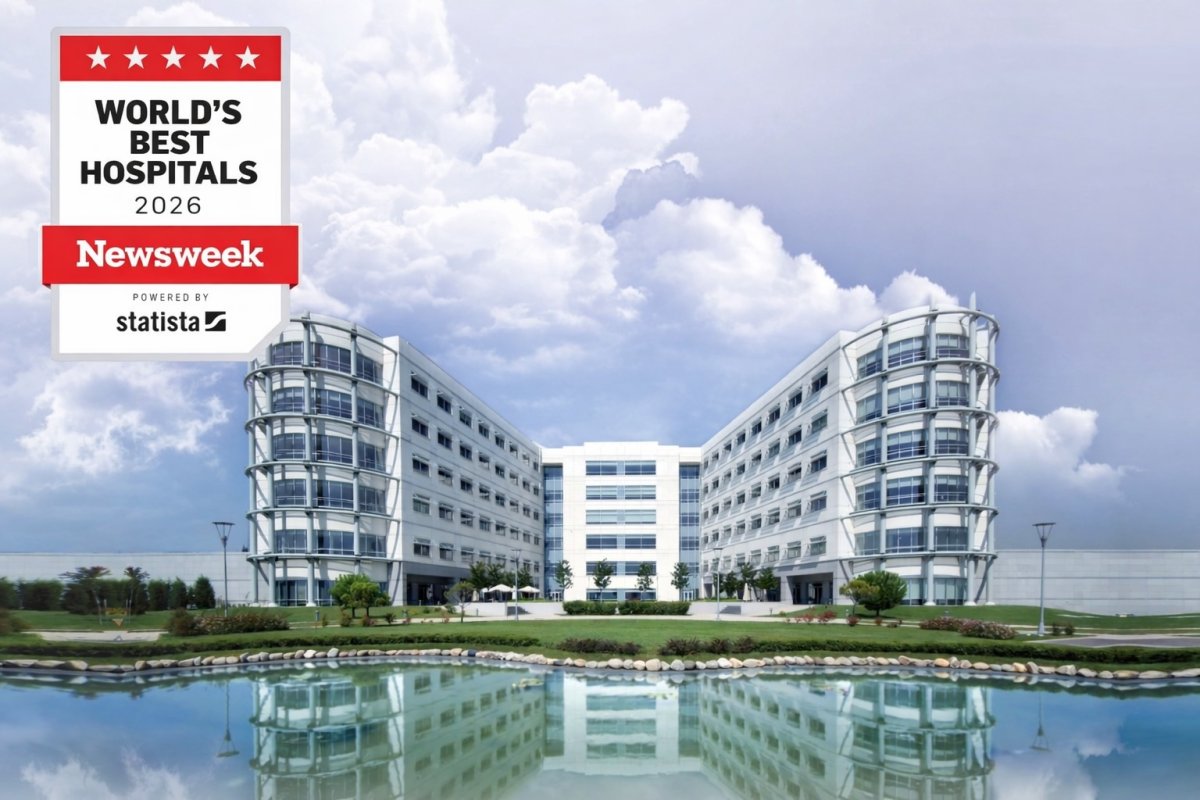






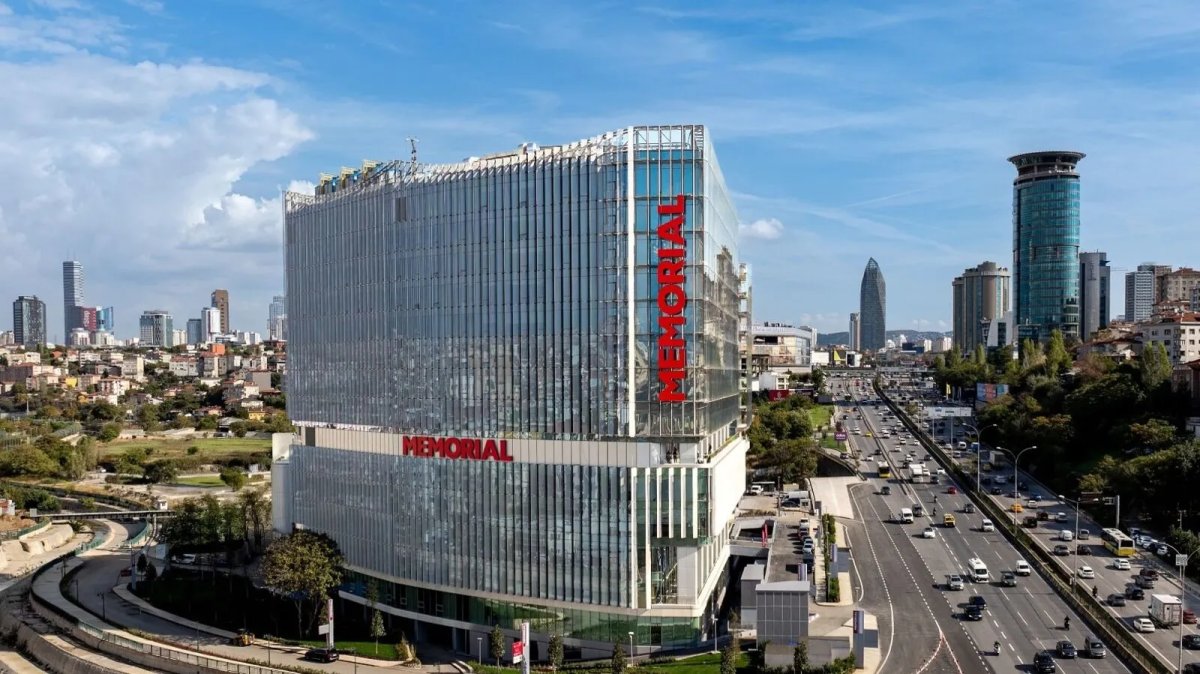
Memorial Göztepe Hospital




Memorial Ankara Hospital


Obtenga una evaluación médica de tratamiento de Enfermedad fibroquística de la mama en Turquía: haga una consulta con 24 médicos experimentados ahora
Ver todos los médicos
Murat Yaman
El Dr. Murat Yaman es un experimentado cirujano plástico y estético. Es conocido por su experiencia en cirugías de abdominoplastia y el empleo de técnicas quirúrgicas avanzadas para obtener resultados óptimos. Ha realizado un número impresionante de diversas cirugías, incluyendo más de 1 500 operaciones de nariz y aumento de senos, 500 estiramientos faciales, 1 000 cirugías de lifting, y alrededor de 1 000 liposucciones utilizando la tecnología VASER lipo.

Murat Atay
Especializado en cirugía de mama y tiroides con más de _doctor_6725_años_ de experiencia, el Dr. Atay combina formación internacional con técnicas de diagnóstico avanzadas.
- Formado en el Hospital Universitario de Lille y en el MDA Cancer Center
- Experto en mapeo linfático y procedimientos de ganglio centinela
- Utiliza técnicas de monitorización sofisticadas en el Centro de Diagnóstico Medmar
- Miembro del equipo de cirugía de mama del American Cancer Center

Mehmet Akif Aydin
El Dr. Aydin aporta más de 28 años de experiencia quirúrgica al Hospital Medical Park Bahçelievler, con un enfoque en la salud mamaria.
- Especializado en cirugía general con amplia formación en el Hospital de Formación e Investigación Göztepe del Ministerio de Salud
- Miembro de múltiples sociedades quirúrgicas prestigiosas, incluida la Sociedad Quirúrgica Turca
- Profesor asociado en el Hospital Medical Park Bahçelievler desde 2007
- Su experiencia incluye cirugía endocrina relevante para afecciones mamarias
Compartir contenido
Historias en video de pacientes de Bookimed
 Olena Sikoza
Preguntas frecuentes sobre el tratamiento de Enfermedad fibroquística de la mama en Turquía
¿Qué pasos diagnósticos se toman para confirmar la enfermedad fibroquística mamaria en Turquía?
Los pasos diagnósticos en Turquía se centran en diferenciar los cambios fibroquísticos benignos de la malignidad. Los especialistas realizan exámenes físicos para evaluar la textura de los bultos y los patrones hormonales. La imagen primaria incluye ultrasonido mamario para la detección de fluidos. Las pacientes mayores de 40 años generalmente reciben una mamografía diagnóstica para evaluar la densidad del tejido y las calcificaciones.
- Examen físico: Los especialistas verifican la movilidad, sensibilidad y fluctuaciones de textura de los bultos.
- Ultrasonido mamario: Herramienta principal para diferenciar quistes llenos de líquido de masas sólidas.
- Mamografía diagnóstica: Imagen estándar para mujeres mayores de 40 años o hallazgos sospechosos.
- Biopsia con aguja gruesa: Muestreo preciso de tejido que se utiliza cuando los resultados de imagen siguen siendo no concluyentes.
Perspectiva del experto de Bookimed: Muchas pacientes pasan por alto que los centros oncológicos turcos suelen utilizar un enfoque multidisciplinario. En el Hospital Memorial Göztepe, especialistas en radiología y oncología revisan casos complejos juntos. Esta revisión colaborativa asegura una distinción más precisa entre quistes benignos y tumores en etapa temprana.
Consenso de los pacientes: Las pacientes señalan que es útil llevar informes de
¿Qué tratamientos específicos se ofrecen para el alivio de los síntomas?
El alivio de los síntomas de la enfermedad fibroquística mamaria en Turquía implica principalmente el manejo médico de la sensibilidad y la aspiración de quistes. Los centros especializados en salud mamaria ofrecen alivio del dolor dirigido. Esto incluye medicamentos antiinflamatorios y terapias hormonales. La mayoría de las pacientes experimentan alivio a través de protocolos no invasivos y ajustes dietéticos.
- Manejo del dolor: Los analgésicos orales como el ibuprofeno o el naproxeno reducen el dolor mamario cíclico recurrente.
- Aspiración de quistes: Los especialistas utilizan la aspiración con aguja fina para drenar quistes grandes y dolorosos para un alivio inmediato.
- Terapia hormonal: Los médicos pueden recetar anticonceptivos orales para regular los ciclos y minimizar los cambios mamarios mensuales.
- Cuidados de apoyo: Los centros turcos a menudo recomiendan sostenes de apoyo especializados para minimizar el dolor relacionado con el movimiento.
Perspectiva del experto de Bookimed: Los especialistas turcos enfatizan la importancia de una imagen diagnóstica integral antes de comenzar el manejo de los síntomas. El Dr. Nuri Alper Sahbaz en el Hisar Hospital Intercontinental generalmente revisa escaneos de alta resolución para pacientes con más de 2000 procedimientos. Esto asegura que los síntomas sean puramente fibroquísticos y no enmas
¿Se pueden completar el diagnóstico y el tratamiento durante un solo viaje de turismo médico?
El diagnóstico y tratamiento de la enfermedad fibroquística de mama en Turquía generalmente se puede completar en un solo viaje. Los centros médicos turcos ofrecen imágenes de diagnóstico y patología rápidas en el lugar. Las instalaciones acreditadas por la JCI en Estambul suelen coordinar estos servicios en un plazo de 3 a 5 días hábiles.
- Diagnóstico in situ: Las clínicas utilizan ecografía de alta resolución y resonancia magnética (RM) de 3 Teslas asistida por IA para una evaluación inmediata del seno.
- Velocidad de patología: Los laboratorios modernos a menudo pueden procesar los resultados de las biopsias unos pocos días después de la recolección.
- Experiencia especializada: Cirujanos como el Dr. Nuri Alper Sahbaz han realizado más de 2,000 procedimientos relevantes.
- Atención integrada: Grandes instituciones como el Anadolu Medical Center combinan departamentos de oncología y salud de la mujer.
Perspectiva de expertos de Bookimed: Los centros oncológicos turcos están estructurados de manera única para diagnósticos de alta velocidad, con algunas clínicas atendiendo a más de 250,000 pacientes al año. Aunque muchos asumen que un diagnóstico es sencillo, los cirujanos experimentados a menudo encuentran quistes o fibroadenomas que requieren un manejo diferente. Elegir una clínica con tomografía computarizada (TC) de 512 cortes o PET/CT dig
¿Cuándo debo buscar una reevaluación urgente entre o después de los tratamientos?
Busque una reevaluación urgente si nota un bulto nuevo o endurecido en el seno. Un cambio rápido en la textura de la piel o secreción por el pezón requiere una revisión profesional inmediata. El enrojecimiento, la fiebre persistente o el dolor intenso después de un procedimiento sugieren una posible infección. Siempre investigue los síntomas que se desvíen de su ciclo habitual.
- Cambios en los senos: Vuelva a examinarse si un bulto se siente duro o fijo en su lugar.
- Anomalías en la piel: Revise inmediatamente si hay hoyuelos, arrugas o enrojecimiento en el seno.
- Patrones de dolor: Reevalúe si la molestia es severa o no está relacionada con su ciclo.
- Signos post-procedimiento: Esté atento a fiebre alta, hinchazón o pus después de una biopsia.
- Síntomas localizados: Busque atención si los cambios ocurren solo en un área específica.
Perspectiva de expertos de Bookimed: Los centros oncológicos turcos como Memorial Sisli y Anadolu Medical Center utilizan resonancia magnética (RM) de 3 Teslas asistida por IA y PET/CT digital para un monitoreo preciso. Si sus síntomas cambian, no dependa solo de los resultados de ecografías anteriores. Estos centros de alto volumen ven miles de casos complejos al año, lo que ayuda a los médicos a distinguir con mayor precisión entre quistes benignos y lesiones sospechosas.
¿Qué medidas de estilo de vida y autocuidado recomiendan los especialistas en mamas turcos?
Los especialistas en mamas turcos recomiendan controlar la enfermedad fibroquística a través de una dieta mediterránea y autoexámenes mensuales. Especialistas como el Dr. Nuri Alper Sahbaz en el Hospital Hisar enfatizan el cuidado conservador sobre la cirugía. Aconsejan a las pacientes que realicen un seguimiento de los cambios hormonales de 5 a 7 días después de su período para distinguir las fluctuaciones normales de las masas nuevas.
- Ajuste dietético: Enfóquese en granos integrales, aceite de oliva y cafeína limitada para reducir la inflamación.
- Soporte físico: Use sostenes de soporte ajustados profesionalmente para minimizar la tensión del tejido durante el movimiento.
- Seguimiento de síntomas: Registre los patrones de sensibilidad e hinchazón durante ciclos menstruales consecutivos para mayor precisión.
- Protocolo de detección: Comience las mamografías de rutina a los 40 o 50 años según los antecedentes familiares.
Opinión de expertos de Bookimed: Si bien a muchas pacientes les preocupa el dolor, los centros turcos como el Centro Médico Anadolu se centran en juntas multidisciplinarias de tumores incluso para afecciones benignas. Esta experiencia de gran volumen, que atiende a 65,000 pacientes al año, asegura que los especialistas puedan distinguir los cambios fibroquísticos de los riesgos que requieren biopsia. Si los escaneos locale
¿Qué tipo de médico debo visitar para el tratamiento de mamas fibroquísticas en Turquía?
Debe consultar a un cirujano general especializado en enfermedades mamarias o a un ginecólogo para el tratamiento de la enfermedad fibroquística en Turquía. Estos especialistas trabajan en equipos multidisciplinarios en centros acreditados por la JCI en Estambul. Utilizan ultrasonido y aspiración con aguja fina para tratar eficazmente los quistes benignos y el dolor.
- Rol del especialista: Los cirujanos de mama tratan los bultos persistentes y realizan las aspiraciones con aguja fina necesarias.
- Contacto inicial: Los ginecólogos evalúan el dolor cíclico y a menudo prescriben terapias de regulación hormonal.
- Herramientas de diagnóstico: Los radiólogos utilizan el ultrasonido mamario como imagen de primera línea para pacientes menores de 40 años.
- Centros clínicos: Grandes instalaciones como el Anadolu Medical Center brindan servicios integrados de diagnóstico mamario.
Opinión del experto de Bookimed: Los centros de salud mamaria en Turquía a menudo consolidan especialistas. El Dr. Nuri Alper Sahbaz en el Hospital Hisar es uno de los cinco cirujanos endocrinos certificados por el consejo europeo en Turquía. Elegir cirujanos tan altamente cualificados asegura que incluso los cambios fibroquísticos benignos reciban un escrutinio diagnóstico experto para descartar afecciones graves.
Consenso de los pacientes: Los pacien