Tratamiento de Complicaciones del accidente cerebrovascular en España — obtenga 3 coincidencias personalizadas de clínicas


Revisado médicamente por
Fahad Mawlood
Cómo funciona
¿Cuál es el precio del diagnóstico y los tratamientos de Complicaciones del accidente cerebrovascular en España? Descubra ahora
Descubra las mejores clínicas de tratamiento de Complicaciones del accidente cerebrovascular en España: 3 opciones verificadas y Precios






Obtenga una evaluación médica para Complicaciones del accidente cerebrovascular en España: consulte con doctores experimentados ahora
Ver todos los médicos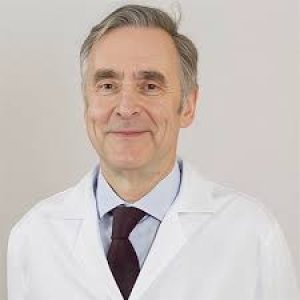
Oriol Franch
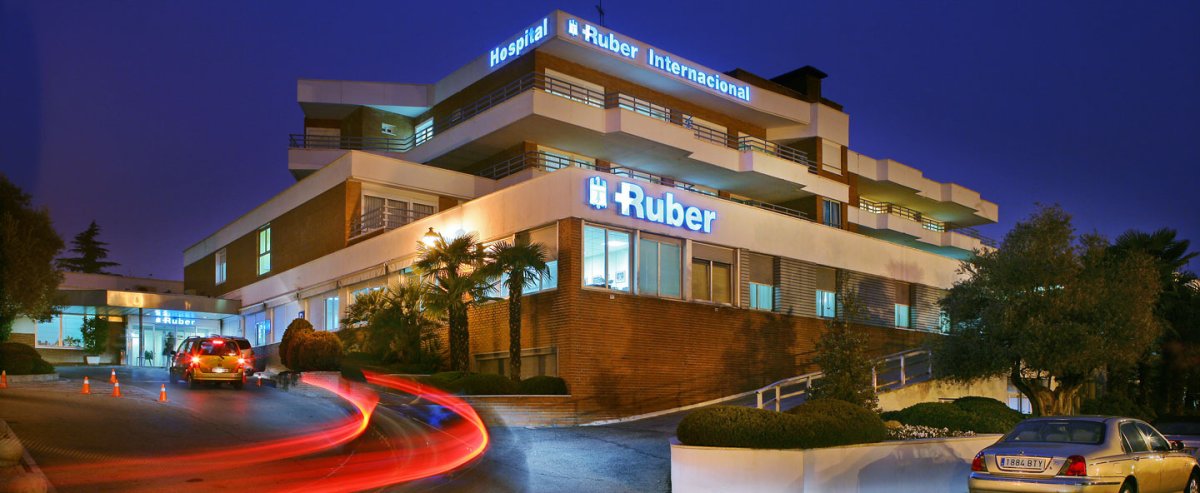
El Dr. Oriol Franch es Jefe del Servicio de Neurología del Hospital Ruber Internacional. También dirige el Servicio de Neurología del Hospital La Luz (Madrid). Es un neurólogo sénior centrado en casos diagnósticos complejos y segundas opiniones. Sus especialidades incluyen la neurooftalmología, los trastornos del movimiento (incluida la enfermedad de Parkinson), las enfermedades neuromusculares y las enfermedades neurogenéticas raras.
Es miembro de la Sociedad Española de Neurología (S
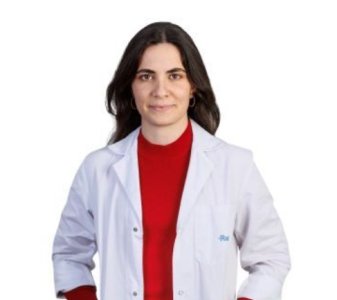
Irene Sánchez Miranda
Compartir contenido
Historias en video de pacientes de Bookimed
 Olena Sikoza
Preguntas frecuentes sobre el tratamiento de Complicaciones del accidente cerebrovascular en España
¿Qué terapias especializadas están disponibles en España para las complicaciones de un accidente cerebrovascular?
Las terapias especializadas en España incluyen neurorrehabilitación de alta intensidad, entrenamiento robótico de la marcha y neuromodulación. Centros como el Hospital Ruber Internacional utilizan diagnósticos avanzados para trastornos del movimiento. Los programas a menudo combinan la tecnología Lokomat con interfaces cerebro-computadora para restaurar las funciones motoras y cognitivas. Los métodos biomecánicos especializados se dirigen específicamente a la regeneración fisiológica.
- Entrenamiento robótico: Lokomat y los exoesqueletos proporcionan un apoyo intensivo para la restauración mecanizada de la marcha.
- Neuromodulación: Las interfaces cerebro-computadora como recoveriX vinculan la intención mental con el movimiento físico.
- Manejo de la espasticidad: Las inyecciones de toxina botulínica y los protocolos de estiramiento alivian la rigidez muscular severa.
- Terapia cognitiva: La rehabilitación neuropsicológica aborda los problemas de memoria, atención y funciones ejecutivas.
Perspectiva del experto de Bookimed: España ofrece un contraste único entre grandes hospitales acreditados por la JCI y clínicas boutique especializadas. Por ejemplo, el Hospital Ruber Internacional atiende a 25.000 pacientes al año con imágenes de alta tecnología. Mientras tanto, el Centro de Biomecánica del Dr. Blum trata solo a 120 pacientes con protocolos p
¿Qué tan pronto después de un accidente cerebrovascular comienza la rehabilitación en España?
La rehabilitación de accidentes cerebrovasculares (ACV) en España comienza dentro de las 24 a 48 horas posteriores al inicio. Los protocolos clínicos requieren una evaluación y movilización tempranas en unidades de ACV agudo. La terapia comienza una vez que el paciente alcanza la estabilidad médica. Este inicio temprano utiliza la neuroplasticidad para mejorar los resultados de la recuperación.
- Fase aguda: La fisioterapia junto a la cama comienza dentro de las 48 horas posteriores al ingreso hospitalario.
- Estabilidad médica: Los médicos dan el alta a los pacientes después de que las imágenes confirman un estado neurológico estable.
- Atención hospitalaria: Los objetivos iniciales se centran en prevenir la rigidez y las úlceras por presión.
- Transición subaguda: Los programas intensivos para pacientes hospitalizados suelen seguir dentro de las 6 semanas posteriores al ACV.
Perspectiva del experto de Bookimed: Si bien los hospitales públicos comienzan el movimiento junto a la cama rápidamente, las instalaciones privadas como el Hospital Ruber Internacional ofrecen una ventaja distinta para los casos complejos. Combinan la seguridad acreditada por la JCI con el acceso inmediato a especialistas como el Dr. Oriol Franch. Esta experiencia de alto volumen es fundamental porque el éxito de la movilización temprana depende de una evaluación neuroló
¿Cuánto dura un programa típico de recuperación hospitalaria tras un ictus en España?
Los programas de recuperación hospitalaria tras un ictus en España suelen durar entre 14 y 30 días en centros públicos. Los centros privados de neurorrehabilitación especializada a menudo ofrecen planes integrales que van desde las 6 semanas hasta los 3 meses. La duración depende de la gravedad del ictus y de la capacidad del paciente para participar en sesiones de terapia diarias.
- Programas públicos: Las estancias intensivas suelen promediar de 16 a 21 días en unidades de referencia especializadas.
- Rehabilitación privada: Los centros especializados a menudo estructuran programas que abarcan de 30 a 90 días para la recuperación.
- Intensidad diaria: Los programas estándar de alta intensidad proporcionan 3 horas de terapia física y del habla activa.
- Criterios de alta: La duración de la estancia a menudo depende de alcanzar hitos en la marcha, la deglución y el autocuidado.
Perspectiva del experto de Bookimed: Centros españoles como el Hospital Ruber Internacional integran diagnósticos avanzados, incluyendo resonancia magnética de 3 Teslas y equipos de neurología especializados para precisar los plazos de recuperación. Los datos muestran que las instalaciones privadas en Madrid o Marbella a menudo manejan volúmenes de pacientes más bajos que las salas públicas. Esto permite ajustes de terapia más personalizados. Los pacientes deben buscar i
¿Dónde se encuentran los mejores centros para el tratamiento de accidentes cerebrovasculares (ictus) en España?
Los mejores centros para el tratamiento de ictus en España se encuentran en Madrid y Barcelona. Estas ciudades albergan instalaciones acreditadas por la Joint Commission International que ofrecen servicios de urgencias neurológicas 24/7. Centros especializados en Marbella y Pamplona ofrecen neurorrehabilitación avanzada. Los hospitales líderes utilizan trombectomía mecánica y protocolos de recuperación asistidos por robots.
- Hospital Ruber Internacional: Instalación en Madrid que ofrece servicios de urgencias neurológicas 24/7 y atención acreditada por la JCI.
- Liderazgo en neurología especializada: El Dr. Oriol Franch dirige diagnósticos complejos y atención neurovascular en Madrid.
- Centros de rehabilitación avanzada: El Centro de Biomecánica del Dr. Blum en Marbella utiliza métodos patentados para la recuperación motora.
- Diagnóstico de alto volumen: Los centros españoles ofrecen resonancia magnética de 3 Teslas y neuroimagen especializada para una respuesta rápida ante el ictus.
Perspectiva del experto de Bookimed: Madrid destaca por su alta capacidad asistencial, con el Hospital Ruber Internacional gestionando más de 25.000 pacientes al año. Si bien Barcelona es un centro importante, las instalaciones privadas de Madrid a menudo ofrecen un acceso más rápido a equipos multidisciplinarios. El Dr. Oriol Franch es un especialista clave aqu
¿Los programas de rehabilitación españoles se adaptan a pacientes de habla inglesa?
Los programas de rehabilitación españoles ofrecen una adaptación significativa para pacientes de habla inglesa a través de equipos médicos bilingües y departamentos internacionales dedicados. Las instalaciones privadas en Madrid y Marbella utilizan protocolos acreditados por la JCI. Neurólogos líderes como el Dr. Oriol Franch en el Hospital Ruber Internacional hablan inglés con fluidez, lo que garantiza una comunicación clara para la recuperación de accidentes cerebrovasculares.
- Fluidez del personal médico: Los neurólogos jefes y consultores senior a menudo mantienen un dominio total del inglés.
- Coordinación hospitalaria internacional: Los principales centros privados emplean coordinadores dedicados para gestionar la logística en inglés.
- Clínicas de recuperación especializadas: Los centros en Marbella tratan frecuentemente a pacientes internacionales de EE. UU. y los EAU.
- Acreditación lingüística: Los hospitales acreditados por la JCI siguen estándares globales para la comunicación y seguridad del paciente.
Perspectiva del experto de Bookimed: Si bien los grandes hospitales como el Hospital Ruber Internacional manejan más de 90,000 consultas anuales con personal bilingüe, los centros especializados más pequeños ofrecen ventajas únicas. El Centro de Biomecánica del Dr. Blum en Marbella atiende solo a 120 pacientes por año. Este menor vol
¿Cuántas horas de terapia reciben los pacientes diariamente en España?
Los pacientes que han sufrido un accidente cerebrovascular en España suelen recibir de 3 a 4 horas de terapia intensiva diaria en centros de rehabilitación hospitalaria especializados. Esta atención multidisciplinaria incluye fisioterapia, terapia ocupacional y logopedia. Las sesiones ambulatorias estándar en las clínicas públicas españolas suelen durar de 30 a 45 minutos al día.
- Rehabilitación intensiva: Los pacientes suelen someterse a 3 o 4 horas de estimulación multidisciplinaria al día.
- Estructura del tratamiento: Los horarios de terapia diaria combinan sesiones de fisioterapia, terapia ocupacional y logopedia especializada.
- Proveedores clínicos: Centros acreditados por la JCI como el Hospital Ruber Internacional ofrecen neurología y diagnóstico especializados.
- Atención ambulatoria pública: Las sesiones en el sistema público suelen durar solo de 30 a 45 minutos.
Perspectiva del experto de Bookimed: Si bien los centros de alta capacidad como el Hospital Ruber Internacional gestionan más de 25.000 pacientes al año, la intensidad de la terapia varía según el centro. Los centros especializados más pequeños, como el Dr. Blums Biomechanics Center, se centran en un volumen bajo de 120 pacientes al año. Estas clínicas más pequeñas a menudo utilizan métodos patentados exclusivos para centrarse en una recuperación biomecánica específica.
¿Pueden los familiares quedarse con los pacientes durante la rehabilitación hospitalaria tras un ictus?
Por lo general, los familiares no pueden pasar la noche en los centros hospitalarios españoles. Sin embargo, los centros suelen ofrecer habitaciones privadas o suites de lujo para facilitar la participación durante el día. Se recomienda encarecidamente la presencia de familiares para apoyar la recuperación a largo plazo. Las clínicas especializadas suelen incluir a la familia en los equipos de atención multidisciplinares para formar a los futuros cuidadores.
- Tipos de habitaciones: El Hospital Ruber Internacional ofrece 108 habitaciones privadas y 15 suites de lujo.
- Participación clínica: Los familiares suelen unirse a la fisioterapia o logopedia para aprender técnicas de manejo seguro.
- Excepciones para pernoctar: Las políticas pueden ser más flexibles para pacientes con afasia grave o alto riesgo de caídas.
- Coordinación con el personal: Los familiares ayudan con la alimentación y a interpretar las necesidades durante el proceso de recuperación.
Opinión de experto de Bookimed: Los hospitales privados españoles como el Hospital Ruber Internacional se centran mucho en la comodidad del paciente con más de 100 habitaciones privadas. Esta infraestructura hace que la participación familiar durante el día sea mucho más fácil que en los centros públicos. Los centros de gran volumen suelen permitir un ayudante designado si esto reduce la agitació