Complicaciones del accidente cerebrovascular en Tailandia: las 5 mejores clínicas para su tratamiento


Revisado médicamente por
Fahad Mawlood
Cómo funciona
¿Cuál es el precio del diagnóstico y los tratamientos de Complicaciones del accidente cerebrovascular en Tailandia? Descubra ahora
Descubra las mejores clínicas de tratamiento de Complicaciones del accidente cerebrovascular en Tailandia: 5 opciones verificadas y Precios

Obtenga una evaluación médica de tratamiento de Complicaciones del accidente cerebrovascular en Tailandia: haga una consulta con 12 médicos experimentados ahora
Ver todos los médicos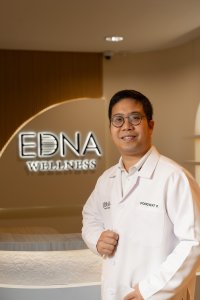
Pongwat Polpong
Dirigió la primera cirugía endoscópica transesfenoidal en el Bangkok Hospital Chanthaburi, un avance mínimamente invasivo para procedimientos cerebrales. El Dr. Pongwat combina la neurocirugía con la medicina regenerativa en EDNA Wellness.
- 16 años en neurocirugía y trastornos de la columna vertebral
- Formado en el Hospital Siriraj y el Instituto Internacional de Neurociencias
- Experto en discectomía lumbar endoscópica percutánea
- Autor de investigaciones sobre lesiones de la médula espinal y trastornos cerebrovasculares
- Jefe del Departamento de Terapia con Células Madre y Neurología
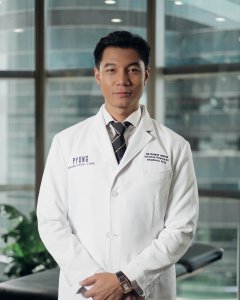
Kantaphong Thongrong
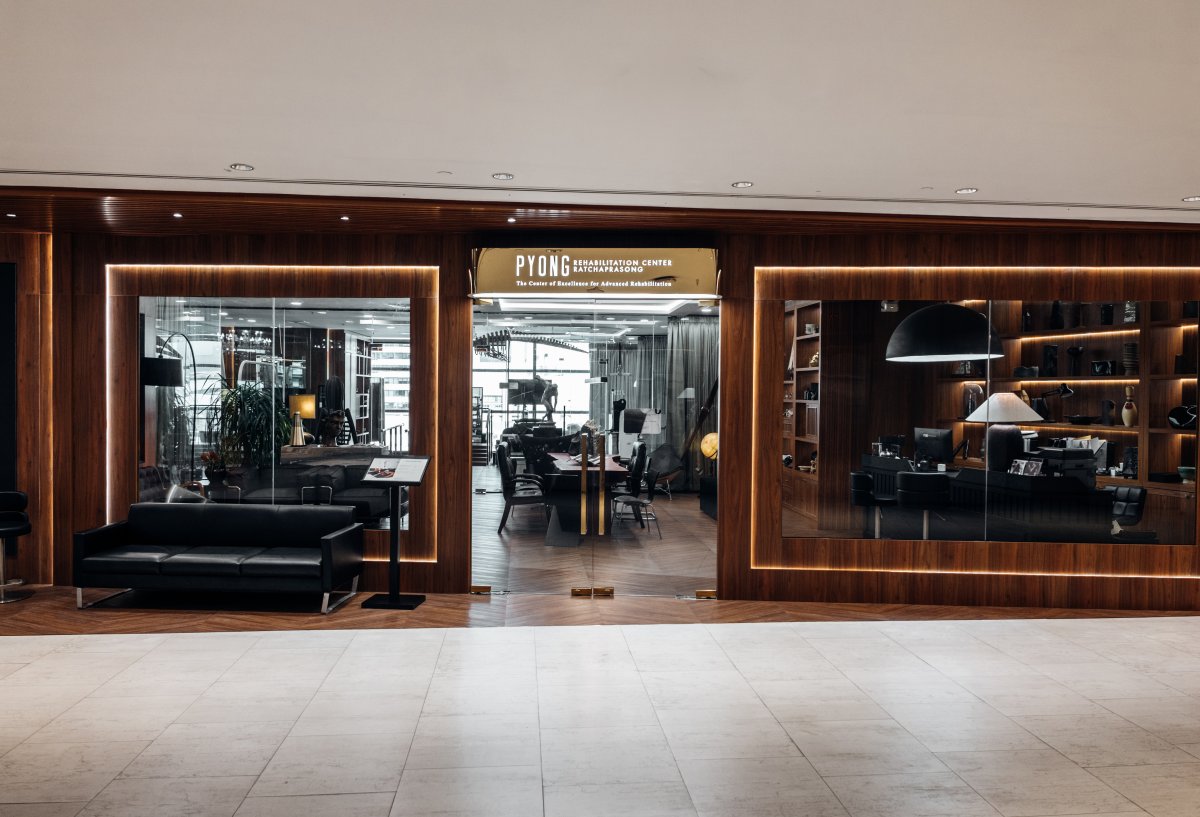
El Dr. PYONG es pionero en neurorrehabilitación con exoesqueletos robóticos y terapia láser avanzada, integrando la innovación para la recuperación tras un ictus en PYONG Rehabilitation Group.
- Fisiatra certificado con experiencia en ictus y neurorrehabilitación
- Dirigió ensayos clínicos sobre entrenamiento de la marcha con exoesqueletos portátiles para pacientes con ictus
- Jefe de Rehabilitación en un importante hospital de Bangkok
- Instructor en el Instituto de Tecnología King Mongkut de Ladkrabang
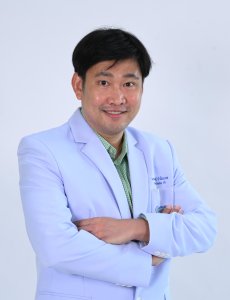
chutichate Pawaropart
El Dr. Chutichate Pawaropart es oftalmólogo con 22 años de experiencia. Tiene una subespecialidad en neuro-oftalmología. Ejerce en el Hospital Navamin9 en Bangkok. Habla inglés, tailandés y francés.
Acreditaciones y formación: MD por la Facultad de Medicina de la Universidad de Chulalongkorn. Certificado en Oftalmología, Facultad de Medicina, Universidad de Chulalongkorn. Formación de subespecialidad en Neuro-oftalmología, Universidad de la Sorbona, París, Francia.
Enfoque clíni
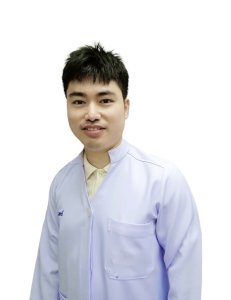
Wuttipong Wilaiwarangkul
El Dr. Wutthiphong Wilaiwarangkun es neurólogo con licencia del Consejo Médico de Tailandia (licencia ว.49590). Trabaja en la Clínica Neuro Med del Hospital Pacific Garden, en Sriracha, Chonburi. Ofrece consulta, diagnóstico y atención a largo plazo para trastornos neurológicos.
Obtuvo el título de médico (M.D.) en la Universidad Walailak. Posee el Diploma del Consejo Tailandés de Neurología, obtenido en el Hospital Rajavithi, que forma parte del Departamento de Servicios Médicos del M
Compartir contenido
Historias en video de pacientes de Bookimed
 Olena Sikoza
Preguntas frecuentes sobre el tratamiento de Complicaciones del accidente cerebrovascular en Tailandia
¿Qué tipos de tratamiento están disponibles en Tailandia para las complicaciones por accidente cerebrovascular (ACV)?
Tailandia ofrece tratamientos avanzados para las complicaciones por ACV, incluyendo neurorrehabilitación, entrenamiento de marcha robótico y medicina regenerativa. Centros especializados en Bangkok utilizan estimulación magnética transcraneal y terapia cognitiva basada en realidad virtual. Equipos multidisciplinarios de neurólogos y fisiatras coordinan programas hospitalarios intensivos para restaurar la movilidad y las funciones cognitivas.
- Neurorrehabilitación: Programas intensivos utilizan entrenamiento de marcha robótico y exoesqueletos portátiles para la movilidad.
- Medicina regenerativa: Clínicas con certificación GMP ofrecen terapias de células madre de médula ósea y exosomas.
- Terapia cognitiva: Los especialistas emplean herramientas basadas en realidad virtual y estimulación magnética transcraneal para la recuperación cerebral.
- Diagnóstico especializado: El seguimiento avanzado incluye tomografías PET-CT y exámenes neuro-oftalmológicos integrales.
Perspectiva del experto de Bookimed: Aunque muchos buscan fisioterapia básica, los centros especializados de Tailandia, como el Grupo de Rehabilitación PYONG, integran tecnologías únicas como el entrenamiento de marcha robótico supervisado por fisiatras certificados. Instalaciones como el Hospital Panacee Rama 2 se diferencian además al combinar la neurología convencional con protocolos
¿Cuáles son los mejores hospitales para la rehabilitación tras un ictus en Tailandia?
Los mejores hospitales para la rehabilitación tras un ictus en Tailandia incluyen PYONG Rehabilitation Group, Panacee Hospital Rama 2 y Navamin 9 Hospital. Estos centros se especializan en neurorrehabilitación utilizando entrenamiento robótico de la marcha y terapias celulares certificadas. Los centros en Bangkok a menudo cuentan con certificaciones ISO 9001:2015 para el manejo especializado de enfermedades crónicas.
- Tecnología especializada: PYONG Rehabilitation Group utiliza entrenamiento robótico de la marcha y terapia cognitiva basada en realidad virtual.
- Experiencia médica: El Dr. Kantaphong Thongrong es un fisiatra certificado e investigador principal en neurorrehabilitación.
- Tratamientos integrados: Panacee Hospital Rama 2 ofrece terapias de células madre y exosomas con certificación GMP.
- Cirugía neurológica: El Dr. Pongwat Polpong en EDNA Wellness ha realizado más de 2.000 procedimientos neuroquirúrgicos.
Perspectiva del experto de Bookimed: Aunque muchos eligen hospitales estándar, las clínicas especializadas como PYONG brindan atención de mayor intensidad. Sus programas están dirigidos exclusivamente por especialistas en rehabilitación certificados. Este enfoque es ideal para la recuperación, ya que los hospitales más grandes pueden priorizar la atención de emergencia aguda sobre las sesiones de terapia intensiva diaria. Verif
¿Cuánto suele durar la rehabilitación para pacientes con accidente cerebrovascular (ACV) en Tailandia?
La rehabilitación para pacientes con ACV en Tailandia generalmente requiere una estancia intensiva de 2 a 6 semanas. Para obtener ganancias funcionales significativas, los centros especializados recomiendan programas residenciales de 30 a 90 días. Estos protocolos aprovechan la neuroplasticidad mediante entrenamiento robótico diario y terapia especializada supervisada por fisiatras certificados.
- Programa intensivo: Las estancias residenciales mensuales se centran en el entrenamiento diario de la marcha y cognitivo.
- Tecnologías avanzadas: Las clínicas utilizan exoesqueletos robóticos y estimulación magnética transcraneal para la recuperación.
- Ventana a largo plazo: La recuperación funcional completa a menudo abarca de 6 a 12 meses después del ACV.
- Supervisión especializada: Los programas son gestionados por especialistas en neurología cognitiva y medicina de rehabilitación.
Perspectiva del experto de Bookimed: Si bien muchos buscan hospitales generales, los grupos de rehabilitación especializados de Tailandia como PYONG o Panacee ofrecen un mayor valor a través de una atención boutique dirigida por médicos. Estos centros a menudo están dirigidos directamente por especialistas en rehabilitación o neurocirujanos como el Dr. Pongwat Polpong, con más de 15 años de experiencia. Elegir un centro de rehabilitación dedicado en lugar de un hospit
¿Qué tipos de terapia post-ictus se ofrecen?
La terapia post-ictus en Tailandia integra entrenamiento robótico de la marcha, terapia con células madre y estimulación magnética transcraneal para restaurar la función. Los centros especializados se centran en la neurorrehabilitación utilizando exoesqueletos portátiles y ejercicios cognitivos de realidad virtual. Fisiatras y neurólogos certificados lideran estos programas intensivos para mejorar la movilidad y el habla.
- Entrenamiento robótico de la marcha: Utiliza sistemas automatizados para reaprender patrones de marcha y mejorar el equilibrio.
- Medicina regenerativa: Emplea terapias con células madre y exosomas con certificación GMP para la recuperación a nivel celular.
- Terapia cognitiva en RV: Implementa entornos de realidad virtual para mejorar la memoria y las habilidades de resolución de problemas.
- Neuromodulación: Utiliza estimulación magnética transcraneal para estimular la reorganización cerebral y la recuperación motora.
Perspectiva del experto de Bookimed: Los centros de rehabilitación tailandeses como el PYONG Rehabilitation Group destacan por el uso de exoesqueletos portátiles de alta tecnología para el entrenamiento de la movilidad. Sus programas mensuales intensivos a menudo combinan consultas con neurólogos y ortopedistas. Este enfoque multidisciplinario es supervisado por especialistas con formación internacional de in
¿Pueden las víctimas de un derrame cerebral recuperarse totalmente de sus complicaciones?
La recuperación completa de las complicaciones de un derrame cerebral es posible. Aproximadamente el 10 % de los pacientes logra una recuperación casi total, mientras que el 25 % experimenta solo deficiencias menores. El éxito depende de un tratamiento rápido y una rehabilitación intensiva. Los centros tailandeses utilizan entrenamiento de marcha robótico y terapias celulares regenerativas para maximizar la curación neurológica.
- Estadísticas de recuperación: Alrededor del 35 % de los pacientes logran resultados de recuperación completa o casi completa.
- Ventana de rehabilitación: Los avances físicos y cognitivos más significativos ocurren dentro de los primeros 6 meses.
- Tecnologías avanzadas: Los especialistas utilizan entrenamiento de marcha robótico, terapia cognitiva con realidad virtual y estimulación magnética transcraneal.
- Medicina regenerativa: La terapia celular certificada por GMP y los tratamientos con exosomas ayudan a reparar las vías neuronales dañadas.
Perspectiva de expertos de Bookimed: Tailandia destaca porque sus centros de rehabilitación suelen estar supervisados por fisiatras con más de 15 años de experiencia. Por ejemplo, el Dr. Kantaphong Thongrong de PYONG Rehabilitation dirige ensayos clínicos con exoesqueletos robóticos portátiles. Este acceso a entrenamiento de marcha experimental proporciona opciones de recuper