Ir a inicio
820К+ pacientes han recibido asistencia desde 2014
50 países
1,500 clínicas
6K+ reseñas
3K+ médicos calificados

¿Cuál es el precio del diagnóstico y los tratamientos de Complicaciones del accidente cerebrovascular en China? Descubra ahora

El precio se proporciona bajo petición

Sus beneficios y garantías con Bookimed

Precios directos

Bookimed no añade cargos extra a los precios de los tratamientos de Complicaciones del accidente cerebrovascular. Las tarifas proceden de las listas de precios oficiales de las clínicas. Pagará directamente en la clínica por su tratamiento a su llegada al país.

Sólo clínicas y médicos verificados

Bookimed está comprometido con su seguridad. Solo trabajamos con las clínicas que mantienen altos estándares internacionales en el tratamiento de Complicaciones del accidente cerebrovascular y cuentan con las licencias necesarias para atender a pacientes internacionales en todo el mundo.

Asistencia 24/7 gratuita

Bookimed ofrece asistencia experta gratuita. Un coordinador médico personal le apoya antes, durante y después de su tratamiento, resolviendo cualquier problema. Nunca estará solo en su viaje médico de tratamiento de Complicaciones del accidente cerebrovascular.

¿Por qué nosotros?

Su coordinador médico personal de Bookimed

  • Le apoya en cada etapa
  • Ayuda a elegir la clínica y el médico adecuados
  • Asegura un acceso rápido y conveniente a la información

Descubra las mejores clínicas de tratamiento de Complicaciones del accidente cerebrovascular en China: 1 opciones verificadas y Precios

El ranking de clínicas de Bookimed se basa en algoritmos de data science, ofreciendo una comparación confiable, transparente y objetiva. Tiene en cuenta la demanda de pacientes, las puntuaciones de reseñas (positivas y negativas), la frecuencia de actualización de opciones de tratamiento y precios, la rapidez de respuesta y las certificaciones de las clínicas.

Obtenga una evaluación médica para Complicaciones del accidente cerebrovascular en China: consulte con doctores experimentados ahora

Ver todos los médicos
verificado

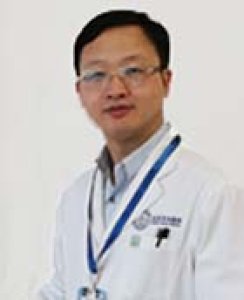
Shao Ming

32 años de experiencia

El Dr. Shao Ming introdujo el propofol para el test de Wada en China, mejorando la seguridad quirúrgica. Es un neurólogo líder con amplia experiencia en la investigación y el tratamiento de la epilepsia.

  • Doctor en Ciencias Médicas con formación posdoctoral en Harvard y Dartmouth
  • Autor de más de 50 artículos científicos, incluidos 30 en revistas internacionales
  • Destacado en «The Journal of Neuroscience» por su investigación sobre la epilepsia
  • Presidente de múltiples grupos de monitoreo neurofisiológico en China
  • Especializarse en el diagnóstico y tratamiento de la epilepsia para todas las edades

Compartir contenido

Historias en video de pacientes de Bookimed

Dayana
Combiné mis vacaciones en Antalya con un chequeo médico.
Procedimiento: Chequeo femenino
Igor
¡Fue genial! Traslados, alojamiento, tratamiento, todo incluido.
Procedimiento: Implante dental
Clínica: WestDent Clinic
Marina
Bookimed se encargó de todo. No tuve que preocuparme por nada.
Procedimiento: Chequeo femenino
Actualizado: 10/23/2024
Escrito por
Olena Sikoza
Olena Sikoza
Сopywriter en español
Copywriter médica certificada responsable del contenido en español de Bookimed. Más de 7 años de experiencia en redacción sobre salud y turismo médico, con formación académica en edición científica y desarrollo de contenidos.
Fahad Mawlood
Editor médico y Científico de datos
Médico general. Ganador de 4 premios científicos. Sirvió en Asia Occidental. Es el ex jefe del equipo médico que soporta a pacientes de habla árabe. Ahora es responsable del procesamiento de datos y la precisión del contenido médico.
Fahad Mawlood Linkedin
Esta página puede incluir información relacionada con diversas afecciones médicas, tratamientos y servicios de salud disponibles en diferentes países. Tenga en cuenta que el contenido se proporciona sólo con fines informativos y no debe interpretarse como asesoramiento médico o orientación. Por favor consulte con su médico o con un profesional médico calificado antes de comenzar o cambiar el tratamiento médico.

Preguntas frecuentes sobre el tratamiento de Complicaciones del accidente cerebrovascular en China

Estas preguntas frecuentes provienen de pacientes reales que buscan atención médica a través de Bookimed. Las respuestas son proporcionadas por coordinadores médicos experimentados y representantes autorizados de las clínicas.

What is the standard approach to treating stroke complications in China?

The standard treatment for stroke complications in China integrates advanced Western medical protocols with traditional therapies. Specialists utilize a three-stage rehabilitation network focused on early mobilization. Hospitals prioritize neural protection and aggressive management of systemic issues like pneumonia to ensure high survival rates and functional recovery.

  • Diagnostic imaging: Specialized centers use brain MRI, EEG, and CT scans for precise monitoring.
  • Integrated therapy: Clinical protocols combine evidence-based medicine with acupuncture to maximize neurological function.
  • Neurological stabilization: Acute care includes intracranial pressure management and specific neuroprotective drug therapies.
  • Systemic care: Aggressive antibiotic protocols and bedside respiratory rehabilitation prevent post-stroke pneumonia.

Bookimed Expert Insight: Chinese stroke centers like Dr. Eber Brain Hospital emphasize exceptionally long inpatient stays for recovery. While many global clinics offer 7-day programs, Chinese packages often include 30 days of hospitalization. This allows for intensive daily supervision by neurologists and neurosurgeons in a controlled clinical environment.

Patient Consensus: Patients note that family members are expected to be highly involved in daily care and logistics. They emphasize that moving to a specialized neurology hospital quickly provides much better access to swallowing support and pneumonia prevention.

Are stroke complication treatments in China safe and regulated?

China regulates stroke complication treatments through the National Medical Products Administration and the Chinese Stroke Association. Major tertiary hospitals follow international standards for mechanical thrombectomy and thrombolysis. Evidence-based guidelines manage risks while ensuring standard safety protocols for acute care.

  • Regulatory oversight: The National Medical Products Administration enforces rigorous evidence-based management safety updates.
  • Safety benchmarks: Carotid interventions maintain complication rates below the 3% global safety ceiling.
  • Specialized facilities: Modern hospitals like Dr. Eber Brain Hospital utilize advanced neurophysiological monitoring.
  • Academic expertise: Leading specialists like Dr. Shao Ming hold postdoctoral fellowships from Harvard University.

Bookimed Expert Insight: The $25,000 diagnostics packages in regions like Tianjin often include an exceptional 30-day hospital stay. This long-term monitoring is rare in Western facilities and provides a significant safety buffer for stroke recovery. It ensures patients are supervised during the high-risk window for secondary complications.

Patient Consensus: Patients note that care quality varies significantly and emphasize choosing high-volume hospitals in major cities. They recommend getting all rehabilitation plans in writing to avoid communication barriers regarding medication and post-stroke monitoring.

How effective is Chinese stroke treatment for treating post-stroke paralysis?

Chinese stroke treatment effectively restores mobility by combining Traditional Chinese Medicine with modern neurorehabilitation. Techniques like electroacupuncture reduce spasticity and improve limb motor function when started early. International patients often access these therapies through structured inpatient programs at specialized neurological hospitals in cities like Tianjin.

  • Acupuncture protocol: Electroacupuncture significantly outperforms standard techniques in reducing joint stiffness and spasticity.
  • Neurological recovery: Specialized systems like Xing Nao Kai Qiao target nerve regeneration for paralysis.
  • Early intervention: Starting rehabilitation within the first 3 months maximizes chances for physical independence.
  • Inpatient stay: Rehabilitation packages often include 30 days of hospital stay for intensive therapy.

Bookimed Expert Insight: Clinical data shows that the most effective Chinese stroke centers are not just using acupuncture. Hospitals like Dr. Eber Brain Hospital in Tianjin provide 30-day intensive stays with consultations from neurologists, neurosurgeons, and recreation therapists. This suggests that the strength of Chinese treatment lies in a comprehensive medical environment more than any single herbal or needle therapy.

Patient Consensus: Patients note it is important to view Chinese methods as a way to boost standard rehab when progress plateaus. Many emphasize that while acupuncture helps manage pain and stiffness, intense daily physical therapy remains the primary driver for regaining motor control.

How soon after a stroke can a patient start acupuncture in a Chinese hospital?

Acupuncture typically starts within 24 to 72 hours after an ischemic stroke. Patients must have stable vital signs first. Hemorrhagic stroke cases require a longer wait of 7 to 14 days. This delay ensures brain bleeding has fully stopped before treatment begins.

  • Ischemic protocol: Treatment starts within 24–48 hours to protect brain cells near the clot.
  • Hemorrhagic protocol: Practitioners wait 1–2 weeks until intracranial pressure and bleeding stabilize completely.
  • Session frequency: Intensive regimens involve sessions once or twice daily, 5–6 days per week.
  • Course duration: Standard recovery programs include 12 to 30 sessions over 3–4 weeks.

Bookimed Expert Insight: Chinese stroke rehabilitation packages often prioritize a 30-day inpatient stay to maximize recovery. At Dr. Eber Brain Hospital, programs integrate Traditional Chinese Medicine with Western diagnostics like MRI and EEG. This one-month window allows for an intensive, daily acupuncture regimen that is difficult to replicate in outpatient settings. These coordinated packages, often costing around $25,000, ensure all neurological consultations are handled in one facility.

Patient Consensus: Patients note that acupuncture is part of a larger bundle including physical therapy and herbal medicine. They emphasize that stability, such as controlled blood pressure, determines the exact start date.

What options exist in China for post-stroke cognitive decline and depression?

China offers an integrated East-meets-West rehabilitation model for post-stroke cognitive decline and depression. Treatment centers combine modern neuro-rehabilitation like repetitive transcranial magnetic stimulation with traditional acupuncture. Specialized brain hospitals provide comprehensive 30-day inpatient diagnostics including brain MRI and neuropsychological screening.

  • Integrative therapies: Centers like Dr. Eber Brain Hospital combine traditional medicine with modern neurology.
  • Specialized diagnostics: Packages include CT scans, brain MRI, and EEG for precise brain mapping.
  • Neuromodulation technology: Advanced centers use magnetic stimulation to re-route signals around damaged brain tissue.
  • Multi-disciplinary teams: Patients consult with neurologists, neurosurgeons, and recreation therapists for holistic care.

Bookimed Expert Insight: Reviewing the 30-day diagnostics package at Tianjin Eber Perennial Brain Hospital reveals a deep focus on long-term observation. While many global clinics offer outpatient assessments, Chinese protocols prioritize an extended hospital stay. This month-long period allows doctors like Dr. Sun Chen Yang to monitor cognitive fluctuations daily. It ensures medication adjustments for depression happen under direct medical supervision to avoid over-sedation.

Patient Consensus: Patients note that addressing mood and memory together often yields the best results. They emphasize that while acupuncture provides relaxation, consistent caregiver-supported exercises and early antidepressant use are vital for recovery.

Can Chinese herbal medicine improve motor and speech complications?

Chinese herbal medicine improves motor and speech complications naturally when used with Western rehabilitation. Formulations like Buyang Huanwu Decoction enhance motor assessment scores efficiently. Specialized herbs such as Jie Yu Dan work synergistically with speech therapy to restore spontaneous communication. These treatments optimize cerebral blood flow effectively.

  • Motor recovery: Herbal formulas improve motor function scores and reduce physical stiffness.
  • Speech restoration: Integrative therapy reduces motor aphasia severity and improves naming capabilities.
  • Daily independence: Combining herbs with subacute rehab boosts scores for independent living.
  • Synergistic effects: Scalp or tongue acupuncture often pairs with herbs for neural conduction.

Bookimed Expert Insight: China's top neurological centers utilize specialized directors like Dr. Sun Chen Yang to lead integrative medicine institutes. Data shows these facilities often require a 30-day hospital stay for intensive stroke rehabilitation. This timeframe allows doctors to monitor herbal interactions while providing daily specialized medical consultations.

Patient Consensus: Patients note that herbs work best as support for circulation and sleep rather than as a standalone cure. They emphasize prioritizing speech and physical therapy while checking for interactions with blood thinners.

Pedir una consulta gratis

Seleccione la mejor manera de contactarle