Radioterapia para el cáncer de ovario en España: las 4 mejores clínicas y sus precios


Revisado médicamente por
Fahad Mawlood
¿Cuál es el precio de Radioterapia para el cáncer de ovario en España? Descubra ahora
Sus beneficios y garantías con Bookimed
Precios directos
Bookimed no añade cargos adicionales a los precios de Radioterapia para el cáncer de ovario. Las tarifas proceden de las listas de precios oficiales de las clínicas. Pagará directamente en la clínica por su Radioterapia para el cáncer de ovario a su llegada al país.
Sólo clínicas y médicos verificados
Bookimed está comprometido con su seguridad. Solo trabajamos con las clínicas que mantienen altos estándares internacionales en Radioterapia para el cáncer de ovario y tienen las licencias necesarias para atender a pacientes internacionales en todo el mundo.
Asistencia 24/7 gratuita
Bookimed ofrece asistencia experta gratuita. Un coordinador médico personal le apoya antes, durante y después del tratamiento, resolviendo cualquier problema. Nunca estará solo en su viaje médico de Radioterapia para el cáncer de ovario.

Su coordinador médico personal de Bookimed
- Le apoya en cada etapa
- Ayuda a elegir la clínica y el médico adecuados
- Asegura un acceso rápido y conveniente a la información
Descubra las mejores clínicas de Radioterapia para el cáncer de ovario en España: 4 opciones verificadas y Precios









GenesisCare Clinics
Descripción general de Radioterapia para el cáncer de ovario en España
- Radioterapia - de $12,500Esta terapia utiliza ondas de alta energía para destruir las células cancerosas, proporcionando un tratamiento no quirúrgico con pocos efectos secundarios.
- TrueBeam - de $6,500Esta terapia es una técnica de radiación de alta potencia para tratar el cáncer con gran precisión y rapidez.
- Radiocirugía estereotáxica - de $18,100Esta terapia se dirige a los tumores con radiación precisa, reduciendo el daño a los tejidos circundantes y evitando la cirugía invasiva.
- Tomoterapia - de $7,500Esta terapia es un tratamiento de radiación de vanguardia, que se dirige con precisión a los tumores y reduce el daño al tejido sano cercano.
- Radiocirugía de un tumor cerebral - de $12,000Esta terapia se enfoca selectivamente en los tumores cerebrales, utilizando radiación precisa para eliminar las células sin afectar el tejido circundante.
- Radioterapia para el cáncer colorrectal - de $7,500Este procedimiento utiliza rayos de alta energía para destruir las células de cáncer colorrectal, un método de tratamiento eficaz y específico.
- Radioterapia para tumor cerebral - de $9,500Esta terapia tiene como objetivo destruir los tumores cerebrales utilizando rayos de alta energía, reduciendo los síntomas y mejorando las tasas de supervivencia.
- Radioterapia para el cáncer de garganta. - de $14,000Esta terapia tiene como objetivo destruir las células cancerosas de la garganta utilizando radiación de alta energía, mejorando la supervivencia y el control de los síntomas.
Día 1
- Llegada al hospital para consulta inicial.
- Reúnase con un oncólogo para discutir el plan de tratamiento.
- Someterse a un examen físico y revisión de la historia clínica.
Dia 2
- Hágase análisis de sangre para comprobar el estado general de salud.
- Someterse a una tomografía computarizada para determinar el campo de radiación.
- Hágase un examen físico por un oncólogo radioterápico.
Día 3
- Reciba un plan de tratamiento individualizado del oncólogo.
- Someterse a una simulación para marcar el área de radiación.
Semana 1-6
- Someterse a radioterapia, normalmente 5 días a la semana.
- Cada sesión dura unos 15-30 minutos.
- No se requiere anestesia, ya que el proceso es indoloro.
Semana 7
- Completar la última sesión de radioterapia.
- Tenga una consulta con el oncólogo para discutir el seguimiento.
Semana 8-10
- Comience el período de recuperación posterior al tratamiento.
- Experimente una reducción gradual de los efectos secundarios.
Semana 11-12
- Tener una cita de seguimiento con el oncólogo.
- Sométete a una tomografía computarizada para evaluar la efectividad del tratamiento.
Semana 13
- Regreso al trabajo, dependiendo de la recuperación del individuo.
- Reanudar actividades físicas ligeras.
Semana 16-20
- Regreso a las actividades normales de la vida.
- Observar el resultado final del tratamiento.
Tenga en cuenta que el proceso de recuperación de cada individuo puede variar.
- Depósito de Bookimed: 200 $ o 200 €.
- Depósito de la clínica: Pague un porcentaje fijo por adelantado.
Obtenga una evaluación médica para Radioterapia para el cáncer de ovario en España: Elija su especialista entre los mejores en el campo
Ver todos los médicos
Silvia Daniela Camacho Arellano
El doctor es un oncólogo médico altamente cualificado especializado en cáncer de mama en todas las etapas clínicas, incluyendo cuidados curativos y paliativos. Con un título de medicina de la Pontificia Universidad Católica del Ecuador y una residencia de cinco años en el Hospital de la Santa Creu i Sant Pau, el doctor posee un Máster en Oncología Médica por la Sociedad Española de Oncología Médica (SEOM).
Actualmente ejerce en el International Breast Cancer Center (IBCC) y en el IOB In
Javier Cortes Castan
El Dr. Javier Cortés Castán, MD, PhD, es oncólogo médico. Es director y fundador del International Breast Cancer Center (IBCC) en el Centro Médico Teknon (Quirónsalud), en Barcelona. Tiene más de 25 años de experiencia. Se especializa en cáncer de mama HER2 positivo y triple negativo. Expertscape lo clasifica como el n.º 1 mundial en HER2+.
Ha publicado más de 550 publicaciones y ha impartido más de 800 presentaciones. Dirige más de 150 ensayos clínicos activos. Su labor contribuyó a l
Historias en video de pacientes de Bookimed
Reseñas
Todas las reseñas


Compartir contenido
 Olena Sikoza
Preguntas frecuentes sobre Radioterapia para el cáncer de ovario en España
¿Cuáles son los efectos secundarios de la radioterapia para el cáncer de ovario?
¿Cuándo se utiliza la radioterapia para el cáncer de ovario en España?
La radioterapia en España se utiliza principalmente para la recurrencia localizada y los cuidados paliativos. Aunque no es un tratamiento de primera línea, los centros oncológicos españoles utilizan técnicas avanzadas de CyberKnife y tomoterapia para atacar tumores específicos o aliviar el dolor de las metástasis óseas y cerebrales cuando la quimioterapia o la cirugía estándar no son suficientes.
- Recurrencia dirigida: Trata tumores localizados en los márgenes quirúrgicos o en el manguito vaginal.
- Tecnología avanzada: Las clínicas españolas utilizan CyberKnife para una radiocirugía robótica precisa y no invasiva.
- Alivio paliativo: Reduce el dolor y los síntomas al reducir el tamaño de los tumores que han hecho metástasis.
- Técnicas especializadas: La tomoterapia y la braquiterapia proporcionan radiación enfocada mientras protegen el tejido sano.
Perspectiva del experto de Bookimed: Centros españoles como el Hospital Ruber Internacional y el Centro Médico Teknon integran la radiación en departamentos de oncología de alta tecnología. Aunque la cirugía sigue siendo la prioridad, estas clínicas ofrecen la radiación como una herramienta especializada para casos en los que la resonancia magnética de 3 Teslas confirma una propagación localizada que la quimioterapia sistémica no puede abordar por completo.
Consenso de los pacientes
¿Cómo se maneja la recurrencia con radioterapia en España?
El manejo de la recurrencia del cáncer en España utiliza protocolos de reirradiación de precisión dentro de comités de tumores multidisciplinarios en instalaciones acreditadas por la Joint Commission International (JCI). Los centros especializados en Madrid y Barcelona aprovechan CyberKnife, tomoterapia y braquiterapia para atacar tumores localizados mientras minimizan el daño a los tejidos sanos tratados previamente.
- Precisión tecnológica: CyberKnife y la tomoterapia permiten la administración de altas dosis a nódulos recurrentes localizados.
- Reirradiación especializada: Los expertos evalúan las dosis de radiación e intervalos previos para garantizar la seguridad del paciente.
- Revisión del comité de tumores: Los oncólogos radioterápicos y los cirujanos personalizan la atención para recurrencias aisladas y no sistémicas.
- Técnicas innovadoras: La radioterapia intraoperatoria (IORT) proporciona un tratamiento dirigido durante la extirpación quirúrgica del tumor.
Perspectiva del experto de Bookimed: La infraestructura técnica avanzada en Madrid y Barcelona crea una brecha de calidad significativa. Los hospitales de primer nivel como el Hospital Ruber Internacional utilizan Gamma Knife ICON y CyberKnife para casos complejos. Estas tecnologías a menudo no están disponibles en centros regionales más pequeños. Centrarse en clínicas con más de
¿Qué tipos de radioterapia están disponibles para el cáncer de ovario en España?
España ofrece radioterapia de alta tecnología para recurrencias de cáncer de ovario o manejo de síntomas en centros oncológicos especializados. Las técnicas comunes incluyen CyberKnife, tomoterapia, braquiterapia, radioterapia externa (EBRT) y radioterapia de intensidad modulada (IMRT). Estos métodos no invasivos atacan eficazmente los tumores localizados mientras preservan el tejido circundante.
- Precisión dirigida: La IMRT utiliza imágenes en 3D para administrar haces delgados desde múltiples ángulos.
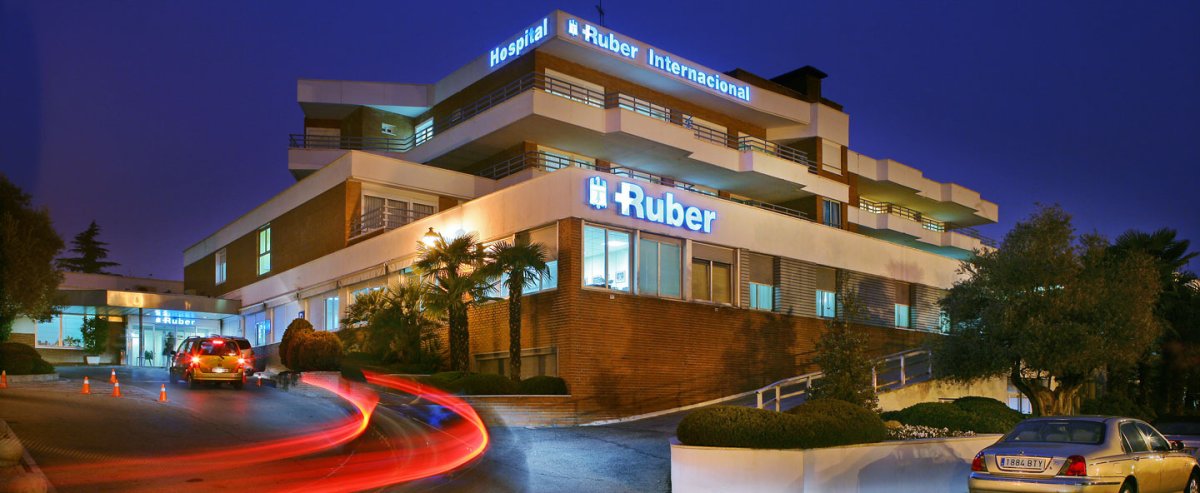
- Tecnología CyberKnife: El Hospital Ruber Internacional utiliza este sistema no invasivo para la destrucción precisa de tumores.
- Radiación interna: La braquiterapia coloca fuentes radiactivas cerca de los tumores, a menudo para recurrencias vaginales localizadas.
- Redes especializadas: GenesisCare ofrece tomoterapia y radiación guiada por imagen en toda su red de clínicas españolas.
Perspectiva del experto de Bookimed: La infraestructura oncológica de España está altamente centralizada en Madrid y Barcelona. Clínicas como el Centro Médico Teknon y el Hospital Ruber Internacional cuentan con la acreditación JCI, lo cual es raro para centros centrados en radioterapia. Esta alta certificación garantiza que los protocolos avanzados como CyberKnife se realicen bajo estándares de seguridad globales similares a los de EE. UU., pero a costos más ba
¿Cuántas sesiones de tratamiento se necesitan para el cáncer de ovario en España?
La radioterapia para el cáncer de ovario en España suele implicar de 25 a 30 sesiones diarias durante un protocolo de 6 semanas. De $12,500.
- Frecuencia del tratamiento: Los pacientes reciben terapia 5 días a la semana durante 5 a 6 semanas.
- Ciclos de quimioterapia: La mayoría de los protocolos españoles priorizan 6 ciclos de quimioterapia con un intervalo de 3 semanas.
- Enfoque combinado: Los médicos pueden utilizar 3 ciclos de quimioterapia antes de la cirugía y 3 ciclos después.
- Tecnología avanzada: Clínicas como el Hospital Ruber Internacional utilizan CyberKnife para una focalización tumoral precisa y no invasiva.
Perspectiva del experto de Bookimed: España ofrece atención oncológica de alto nivel a una fracción de los costes de EE. UU. Mientras que la radioterapia en EE. UU.
Consenso de los pacientes: Los pacientes a menudo consider
¿Dónde puedo recibir un tratamiento de radioterapia de primer nivel para el cáncer de ovario en España?
El tratamiento de radioterapia de primer nivel para el cáncer de ovario en España se concentra en Madrid y Barcelona en instalaciones acreditadas por la JCI. Centros expertos como el Hospital Ruber Internacional y el Centro Médico Teknon utilizan tecnologías avanzadas, incluyendo CyberKnife, Gamma Knife ICON y braquiterapia, para atacar los tumores preservando el tejido sano.
- Tecnología especializada: El Hospital Ruber Internacional utiliza Gamma Knife ICON y CyberKnife para una focalización precisa del tumor.
- Certificaciones clínicas: El Centro Médico Teknon y el Hospital Ruber Internacional mantienen la acreditación de la Joint Commission International (JCI).
- Centros de tratamiento: Madrid y Barcelona sirven como las ubicaciones principales para departamentos de oncología de alto volumen.
- Modalidades avanzadas: Los centros especializados ofrecen braquiterapia de alta tasa de dosis (HDR) y terapia de protones para casos complejos.
Perspectiva del experto de Bookimed: Los datos muestran una alta concentración de certificaciones en clínicas de Barcelona y Madrid. El volumen clínico es una señal clave de calidad; por ejemplo, el Centro Médico Teknon realiza 23,500 operaciones anualmente. Elegir estas instalaciones de alto volumen garantiza el acceso a equipos multidisciplinarios que manejan casos complejos de cáncer de ovario con más frec