Cirugía en España: las 5 mejores clínicas y sus precios


Revisado médicamente por
Fahad Mawlood
¿Cuál es el precio de Cirugía en España? Descubra ahora
De $5,600. Los precios pueden variar según el tipo de procedimiento, la clínica, la experiencia del cirujano y la complejidad de tu caso. UU.
Las clínicas españolas suelen incluir en el precio los honorarios del cirujano, la anestesia, los cargos por quirófano, las pruebas preoperatorias, la hospitalización y la atención postoperatoria básica. En EE. UU., el precio anunciado a menudo cubre solo los honorarios del cirujano, mientras que la anestesia, la estancia hospitalaria y las consultas de seguimiento se facturan por separado. Siempre confirmar exactamente qué está incluido en el presupuesto antes de reservar.
Sus beneficios y garantías con Bookimed
Precios directos
Bookimed no añade cargos adicionales a los precios de Cirugía. Las tarifas proceden de las listas de precios oficiales de las clínicas. Pagará directamente en la clínica por su Cirugía a su llegada al país.
Sólo clínicas y médicos verificados
Bookimed está comprometido con su seguridad. Solo trabajamos con las clínicas que mantienen altos estándares internacionales en Cirugía y tienen las licencias necesarias para atender a pacientes internacionales en todo el mundo.
Asistencia 24/7 gratuita
Bookimed ofrece asistencia experta gratuita. Un coordinador médico personal le apoya antes, durante y después del tratamiento, resolviendo cualquier problema. Nunca estará solo en su viaje médico de Cirugía.

Su coordinador médico personal de Bookimed
- Le apoya en cada etapa
- Ayuda a elegir la clínica y el médico adecuados
- Asegura un acceso rápido y conveniente a la información
Descubra las mejores clínicas de Cirugía en España: 5 opciones verificadas y Precios







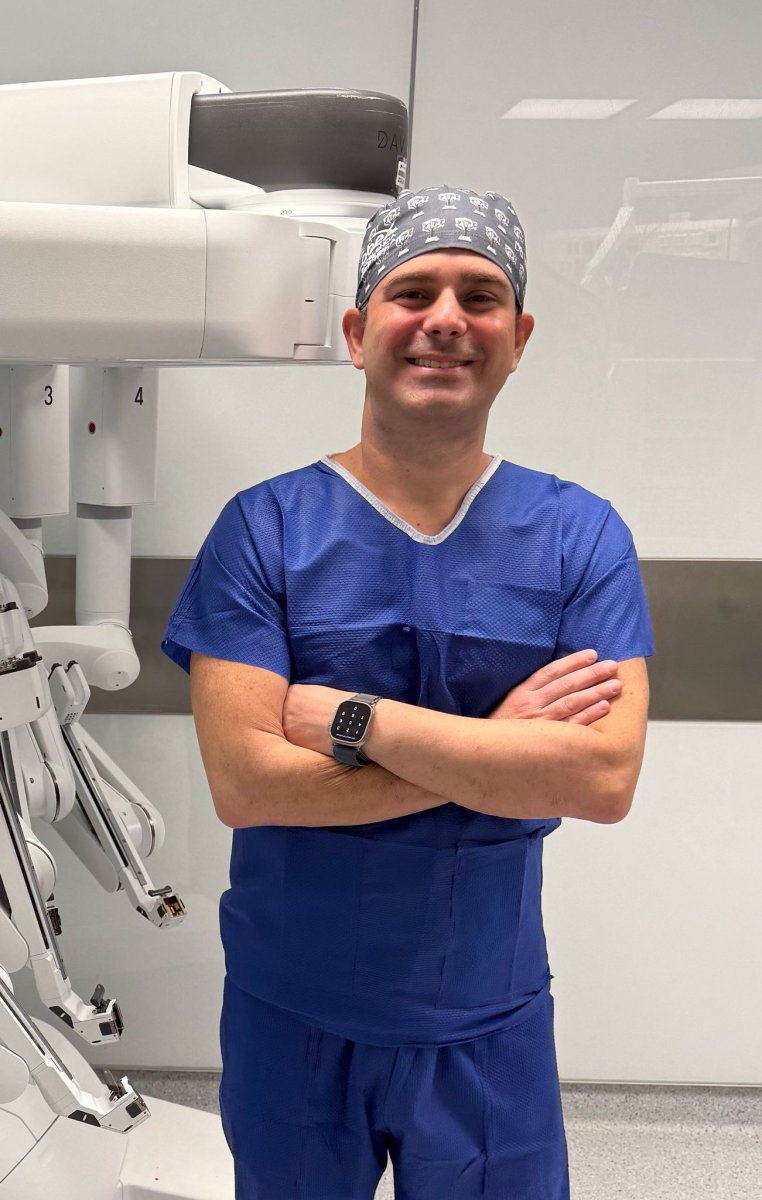


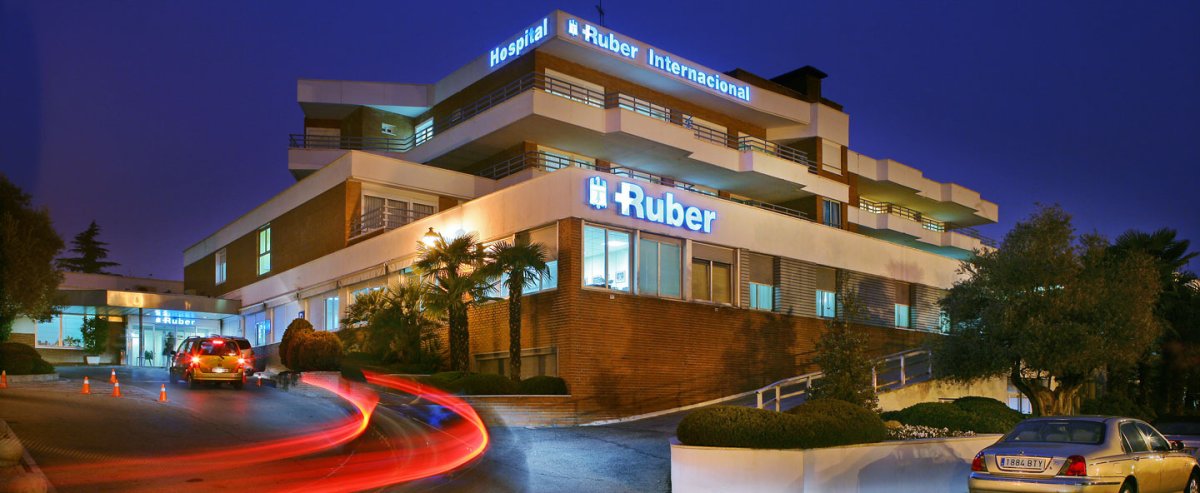


Hospital Sant Joan de Déu Barcelona






Medical and Surgical Center ServiDigest





Descripción general de Cirugía en España
- Reparación de hernia umbilical - de $6,200La operación corrige un bulto cerca del ombligo, lo que reduce la incomodidad y previene complicaciones peligrosas.
- Resección de estómago - de $20,000El procedimiento consiste en extirpar parte del estómago para tratar afecciones como el cáncer, lo que brinda resultados potencialmente curativos.
- Amputación - de $6,500El procedimiento consiste en extirpar una parte del cuerpo para salvar vidas, aliviar el dolor o abordar el progreso de la enfermedad.
- Cirugía de hernia inguinal - de $7,300El procedimiento trata un bulto en el área de la ingle empujándolo hacia atrás y fortaleciendo la pared abdominal.
- Reparación de hernia de hiato - de $12,100El procedimiento repara las protuberancias del tejido abdominal a través del diafragma, mejorando la digestión y reduciendo las molestias.
- Colecistectomía - de $7,900La operación extirpa la vesícula biliar para tratar cálculos biliares, inflamación o cáncer con menos cicatrices y una recuperación más rápida.
- Cirugía - de $5,600El procedimiento consiste en corregir defectos corporales o enfermedades mediante operaciones manuales, generalmente bajo anestesia.
- Aterectomía - de $16,800El procedimiento elimina la placa en las arterias, mejora el flujo sanguíneo y reduce el riesgo de enfermedades cardíacas con una cirugía mínimamente invasiva.
Día 1 - Llegada
- Encuentro con traslado VIP en el aeropuerto.
- Traslado al hospital u hotel según hora de llegada.
Día 2 - Preoperatorio
- Consulta con cirujano y anestesiólogo.
- Hágase exámenes médicos y procedimientos adicionales si es necesario.
Día 3 - Cirugía
- Llegue al hospital temprano en la mañana.
- Preparación para la cirugía incluida la anestesia.
- Someterse a una cirugía (la duración varía según el procedimiento).
Día 4 - Postoperatorio
- Estancia en el hospital para seguimiento postoperatorio.
- Reúnase con el cirujano para la evaluación posoperatoria.
Día 5 a Día 7 - Hospitalización
- Permanezca en el hospital para observación y recuperación temprana.
- Inicie actividades físicas suaves según lo aconseje el médico.
Semana 1 a Semana 2 - Rehabilitación
- Traslado al hotel para continuar con la recuperación.
- Seguir el programa de rehabilitación aconsejado por el médico.
Semana 3
- Regreso gradual al trabajo liviano y actividades diarias.
Semana 4
- Retorno paulatino a actividades moderadas y algunos deportes.
Semana 6
- Ver el resultado final de la cirugía.
- Posible regreso a todas las actividades normales y deportivas.
El proceso de recuperación y el cronograma de cada individuo pueden variar. Siga siempre los consejos de su médico.
- Depósito de Bookimed: 200 $ o 200 €.
- Depósito de la clínica: Pague un porcentaje fijo por adelantado.
Obtenga una evaluación médica de Cirugía en España: haga una consulta con 9 médicos experimentados ahora
Ver todos los médicos
Gerardo Conesa Bertran
El doctor tiene un título médico de la Universidad de Barcelona y completó una especialización en neurocirugía en el Hospital Universitario de Bellvitge. Con un enfoque extenso en tumores cerebrales y de la médula espinal, neurocirugía vascular y tratamientos neuroquirúrgicos para la epilepsia, la enfermedad de Parkinson y los trastornos mentales, el doctor tiene una experiencia significativa en cirugías que involucran áreas altamente funcionales y el tronco cerebral. El doctor ha contribuido
Carlos Garcia Vasquez
Especialista en cirugía colorrectal y de pared abdominal mínimamente invasiva – El Dr. García Vásquez combina su experiencia en robótica con técnicas innovadoras en el Hospital Universitario Infanta Elena.
- Cirujano robótico certificado en plataformas Da Vinci X/Xi/5
- Investigación de doctorado centrada en la curación de anastomosis intestinales de alto riesgo
- Titular de patentes para sistemas de implantación de prótesis de pared abdominal
- Colaborador docente en la Universidad Francisco de Vitoria desde 2013
- Investigador activo en el Instituto de Investigación Sanitaria Jiménez Díaz

Xavier Centeno Fornies
El Dr. Centeno se formó en la Clínica Mayo en cirugía colorrectal y dirige el departamento de cirugía en el Centro Médico Teknon.
- Especializado en Cirugía General y Gastrointestinal con 32 años de experiencia
- Completó formación avanzada en cirugía colorrectal laparoscópica
- Acreditado por la ERAS-Society para la recuperación mejorada después de la cirugía
- Miembro de la Sociedad Americana de Cirujanos de Colon y Recto

Salvador Pedrero Elsuso
Historias en video de pacientes de Bookimed
Reseñas
Todas las reseñasCompartir contenido
 Olena Sikoza
Preguntas frecuentes sobre Cirugía en España
¿Es segura la cirugía en España para pacientes extranjeros?
Los procedimientos quirúrgicos en España son excepcionalmente seguros para pacientes internacionales, gracias a los altos estándares clínicos y las protecciones legales de la Unión Europea. Instituciones médicas como el Centro Médico Teknon y el Hospital Ruber Internacional están acreditados por la Joint Commission International y utilizan tecnologías de vanguardia como el sistema robótico da Vinci Xi y el Gamma Knife ICON.
- Requisitos para ser médico: Los cirujanos suelen tener un doctorado con honores y estar certificados por la Junta Estadounidense de Cirugía.
- Tecnologías clínicas: Los centros líderes utilizan sistemas de navegación StealthStation para enfermedades otorrinolaringológicas, máquinas PET/RM de Siemens y CyberKnife.
- Estándares de acreditación: Los hospitales líderes del mundo son clasificados por Newsweek y certificados según las normas ISO y JCI.
- Seguridad del paciente: Las leyes de la UE brindan una sólida protección jurídica y oportunidades para proteger los derechos de todos los pacientes extranjeros.
Opinión de expertos de Bookimed: Si bien muchos eligen España por su seguridad, su verdadero valor reside en la concentración de departamentos de oncología especializados. Clínicas como el Hospital Quirón de Barcelona y la Clínica de la Universidad de Navarra funcionan como centros de alto volumen, algunos realizando más d
¿Cómo elegir una clínica para operarse en España?
Para elegir una clínica quirúrgica en España, es fundamental verificar la acreditación JCI o ISO 9001, así como la cualificación del cirujano, como la certificación del American Board of Surgery. Se recomienda priorizar los centros de referencia en Madrid para el tratamiento de cánceres gastrointestinales o en Barcelona para cirugías robóticas. Asegúrese de que la clínica cuente con coordinadores de pacientes internacionales y personal médico que hable inglés.
- Certificaciones de especialización: Busque cirujanos con un doctorado o una certificación de la Junta Estadounidense de Cirugía (ABS).
- Acceso a la tecnología: Se debe dar prioridad a las clínicas que utilicen los sistemas robóticos Da Vinci Xi o Gamma Knife ICON.
- Ámbito de actuación de la clínica: Hospitales seleccionados con una larga trayectoria, que reciben anualmente entre 10.000 y 25.000 pacientes extranjeros.
- Especialización geográfica: Elija Madrid para neurocirugía y Barcelona para oncología avanzada o tratamientos robóticos.
Opinión de expertos de Bookimed: Si bien muchos buscan clínicas con nombres reconocidos, cirujanos españoles de élite como el Dr. César Canales Bedoya suelen ocupar puestos destacados en la lista Forbes Top 100. Los niveles de experiencia varían significativamente, y los especialistas de primer nivel realizan resecciones robóticas complejas que no están
¿Existen requisitos especiales para los pacientes extranjeros?
Los pacientes extranjeros que deseen someterse a una intervención quirúrgica en España deben presentar certificados médicos, resultados recientes de análisis de sangre y derivaciones médicas. Los ciudadanos de países no pertenecientes a la UE generalmente necesitan un visado Schengen para estancias inferiores a 90 días, mientras que los pacientes privados deben demostrar solvencia económica para cubrir los costes de la cirugía en instituciones acreditadas por la JCI u hospitales clasificados por Newsweek.
- Documentos de viaje: Los ciudadanos de fuera de la UE generalmente necesitan un visado Schengen o un visado médico especial.
- Comprobante de solvencia económica: Las clínicas privadas exigen un comprobante de pago total por los servicios, ya que los no residentes no tienen acceso a los subsidios gubernamentales.
- Historial médico: Los pacientes deben proporcionar informes de diagnóstico, resultados de pruebas de imagen y derivaciones médicas traducidas.
- Asistencia lingüística: Se recomienda recurrir a intérpretes profesionales para las consultas y las instrucciones sobre los cuidados postoperatorios.
Opinión de expertos de Bookimed: Si bien España ocupa el octavo lugar a nivel mundial en cuanto a solicitudes médicas, la infraestructura clínica varía significativamente según la ciudad. Madrid y Barcelona son pioneras, con centros como el Ce
¿Los cirujanos en España hablan inglés?
La mayoría de los cirujanos del sector sanitario privado español hablan inglés, sobre todo en grandes ciudades como Madrid y Barcelona. Si bien el dominio del inglés es alto entre los jóvenes profesionales y los médicos que trabajan en instituciones acreditadas por la JCI, no está garantizado en los hospitales públicos a menos que lo solicite específicamente el departamento de pacientes internacionales.
- Clínicas privadas: Centros como el Centro Médico Teknon en Barcelona suelen contar con cirujanos que hablan inglés.
- Unidades especializadas: Los departamentos internacionales del Hospital Quirón de Barcelona cuentan con personal cualificado de habla inglesa y traductores.
- Formación médica: Muchos cirujanos españoles, como la Dra. Lana Bielich, han completado su formación avanzada en hospitales estadounidenses.
- Filtros de idioma: Las grandes cadenas de hospitales privados permiten a los pacientes filtrar a los especialistas en función de su dominio verificado del idioma.
Opinión de expertos de Bookimed: Un excelente indicador del dominio del inglés en España es la experiencia internacional de un médico en prácticas. Los cirujanos formados en instituciones como la Clínica Mayo o el IRCAD de Francia suelen tener un excelente nivel de inglés. Centros privados como HM Madrid incluso ofrecen servicios de traducción para garantizar que la comunic