Implante dental en dos fases en España — obtén 3 clínicas con costos


Revisado médicamente por
Fahad Mawlood
¿Cuál es el precio de Implante dental en dos fases en España? Descubra ahora
El costo de un implante dental de dos fases en España suele oscilar entre _price_from_ y _price_to_. El precio puede variar según la marca del implante, la experiencia del dentista y si se necesita injerto óseo. UU.
Las clínicas españolas suelen incluir la colocación quirúrgica del implante, el pilar, la corona, la anestesia local y las visitas de seguimiento. En EE. UU., el precio anunciado a menudo solo cubre el implante, cobrando aparte el pilar, la corona, las radiografías y la sedación. Siempre confirmar exactamente qué está incluido antes de reservar el procedimiento.
Sus beneficios y garantías con Bookimed
Precios directos
Bookimed no añade cargos adicionales a los precios de Implante dental en dos fases. Las tarifas proceden de las listas de precios oficiales de las clínicas. Pagará directamente en la clínica por su Implante dental en dos fases a su llegada al país.
Sólo clínicas y médicos verificados
Bookimed está comprometido con su seguridad. Solo trabajamos con las clínicas que mantienen altos estándares internacionales en Implante dental en dos fases y tienen las licencias necesarias para atender a pacientes internacionales en todo el mundo.
Asistencia 24/7 gratuita
Bookimed ofrece asistencia experta gratuita. Un coordinador médico personal le apoya antes, durante y después del tratamiento, resolviendo cualquier problema. Nunca estará solo en su viaje médico de Implante dental en dos fases.

Su coordinador médico personal de Bookimed
- Le apoya en cada etapa
- Ayuda a elegir la clínica y el médico adecuados
- Asegura un acceso rápido y conveniente a la información
Descubra las mejores clínicas de Implante dental en dos fases en España: 3 opciones verificadas y Precios




Descripción general de Implante dental en dos fases en España
- Implantes dentales All-on-4 - de $6,300Esta terapia restaura un juego completo de dientes usando cuatro implantes por maxilar, ofreciendo durabilidad, comodidad y una apariencia natural.
- Implantes dentales All-on-6 - de $8,000Esta terapia reemplaza arcos dentales completos usando solo seis implantes, ofreciendo a los pacientes estabilidad y comodidad.
- Mini-implantes - de $1,700Esta terapia reemplaza los dientes perdidos con pequeños postes de metal, lo que garantiza un aspecto natural y una masticación fácil.
- Instalación de un implante dental con corona - de $2,200Esta terapia consiste en colocar una raíz dental artificial y una tapa para restaurar un diente faltante, ofreciendo durabilidad y apariencia natural.
- Implante dental - de $900Esta terapia instala raíces dentales artificiales para restaurar la función y la apariencia, ofreciendo durabilidad, comodidad y una sensación natural.
- Implante Dental con Pilar - de $890El procedimiento instala una raíz de diente protésico y un conector para un diente postizo, mejorando la salud bucal y la sonrisa.
- Implantes dentales todo en 2 - de $6,200Esta terapia reemplaza los dientes perdidos con dos implantes y un puente dental completo, para una mejor calidad de vida.
Día 1
- Llegada al país y traslado a un hotel 4*.
- Descansar y aclimatarse al nuevo entorno.
Dia 2
- Visite la clínica dental para la consulta inicial.
- Conozca al especialista y discuta su historial médico.
- Someterse a las pruebas médicas pertinentes como radiografías.
Día 3
- Realice procedimientos preoperatorios si es necesario.
- Reciba una explicación detallada sobre el proceso de implante dental en dos etapas.
Día 4
- Someterse a la primera etapa del proceso de implante dental.
- Se administra anestesia local durante el procedimiento.
- La duración del procedimiento es de aproximadamente 1-2 horas.
Día 5-7
- Descansa en el hotel y recupérate de la primera etapa del procedimiento.
Semana 2-6
- Período de cicatrización antes de la segunda etapa del proceso de implante.
Semana 7
- Someterse a la segunda etapa del proceso de implante dental.
- Después de la operación, permanezca en la clínica durante unas horas para observación.
Semana 8-12
- Iniciar proceso de rehabilitación, evitar actividades extenuantes.
- Visitas regulares de seguimiento a la clínica para chequeos.
Semana 13
- Regreso al trabajo y actividades normales.
- Empieza a disfrutar de los beneficios de tu nuevo implante dental.
Tenga en cuenta: cada paciente es único y este cronograma puede variar ligeramente según las circunstancias individuales.
- Depósito de Bookimed: 200 $ o 200 €.
- Depósito de la clínica: Pague un porcentaje fijo por adelantado.
Obtenga una evaluación médica para Implante dental en dos fases en España: Elija su especialista entre los mejores en el campo
Ver todos los médicos
Dr Alaa Ghuzlan
La Dra. Alaa Ghuzlan es odontóloga con más de 10 años de experiencia. Ha tratado a miles de pacientes en varios países. Cuenta con una especialización en implantología dental de la Universidad de Barcelona. Continúa formándose para ofrecer tratamientos actualizados.
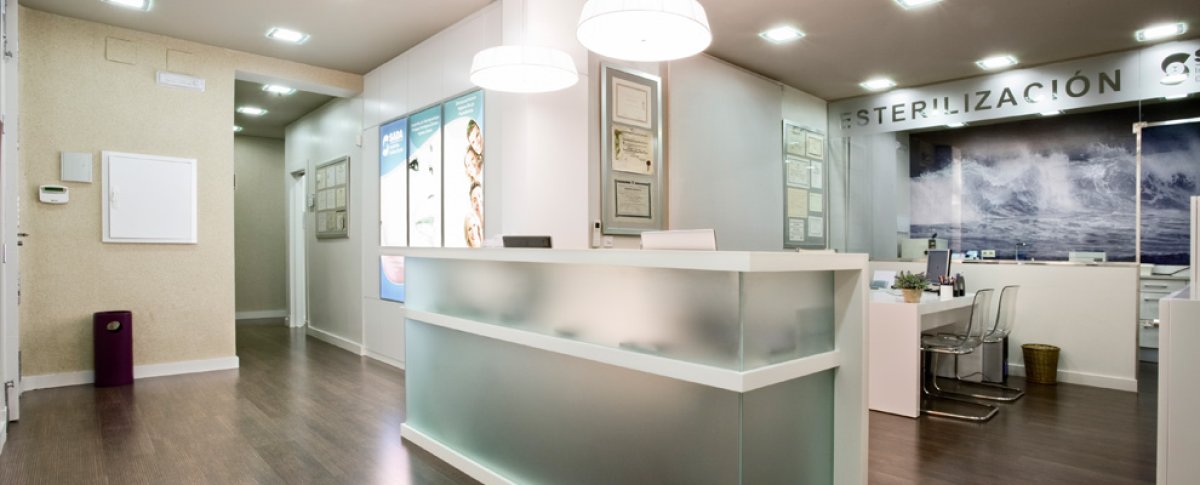
Su consulta utiliza radiología 2D y 3D y un escáner intraoral 3D. Estas herramientas mejoran la experiencia del paciente y agilizan los flujos de trabajo. También permiten ofrecer una atención más rápida.
Historias en video de pacientes de Bookimed
Reseñas
Todas las reseñasCompartir contenido
 Olena Sikoza
Preguntas frecuentes sobre Implante dental en dos fases en España
¿Es seguro el procedimiento de implante dental en dos etapas y cómo es el proceso de recuperación?
Los implantes dentales en dos etapas son altamente seguros, con tasas de éxito superiores al 95% en clínicas españolas acreditadas. Este método estándar protege los implantes bajo la línea de las encías, minimizando el riesgo de infección. El proceso de recuperación implica dos fases distintas, que generalmente requieren de 3 a 12 meses para la integración ósea total y la restauración.
- Cronograma de curación: La integración ósea generalmente requiere de 3 a 4 meses de curación por cada etapa quirúrgica.
- Manejo de síntomas: La hinchazón leve y las molestias son comunes durante las 48 horas posteriores a la cirugía.
- Cuidado dietético: Los pacientes deben seguir una dieta de alimentos blandos inmediatamente después de la primera etapa.
- Retirada de puntos: Los puntos no reabsorbibles generalmente se retiran entre 7 y 14 días después de la operación.
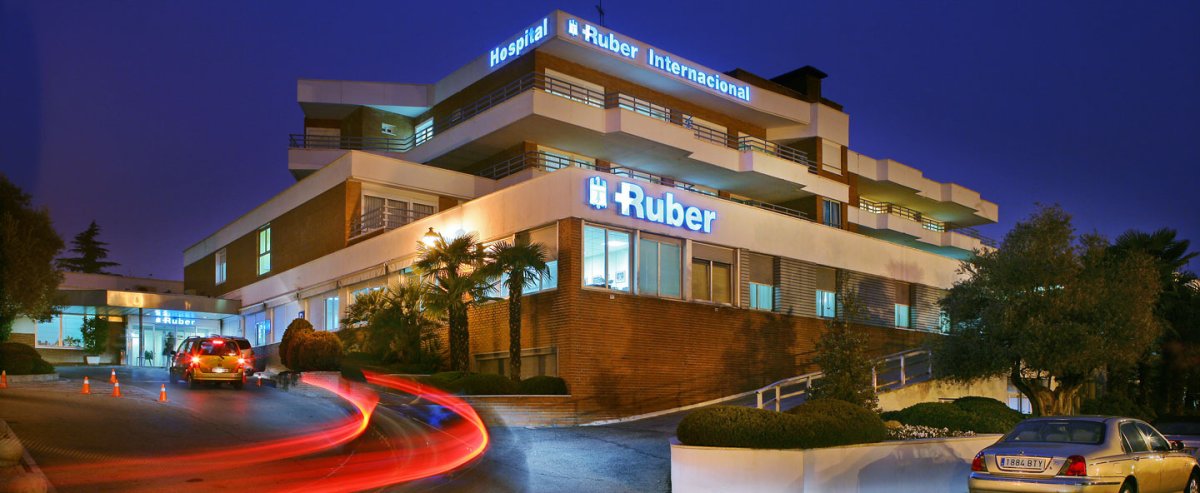
Perspectiva del experto de Bookimed: El enfoque de dos etapas en España a menudo integra radiología 3D avanzada para la planificación. El Dr. Alaa Ghuzlan de Clinica Dental Raices utiliza escáneres intraorales para garantizar la precisión. Esta tecnología reduce el trauma quirúrgico, lo que ayuda a mantener las altas tasas de éxito observadas en instalaciones de primer nivel como el Hospital Ruber Internacional, acreditado por la JCI.
Consenso de los pacientes: Los pacien
¿Cuáles son los beneficios del proceso de implante dental de dos etapas en comparación con las técnicas de una sola etapa?
El proceso de implante dental de dos etapas proporciona una estabilidad superior al proteger el implante bajo el tejido de la encía durante la fase de osteointegración de 6 meses. Este enfoque sumergido evita infecciones bacterianas y alteraciones mecánicas por la masticación. Es el estándar de oro para rehabilitaciones complejas que involucran injertos óseos o disminución de la densidad ósea.
- Osteointegración mejorada: Sumergir el implante lo protege de la presión de la lengua y las fuerzas de masticación.
- Control de infecciones: El tejido gingival cerrado actúa como una barrera contra las bacterias durante la cicatrización temprana.
- Éxito del injerto óseo: Esencial al realizar elevaciones de seno o regeneración ósea para asegurar la maduración del injerto.
- Resultados predecibles: Preferido para pacientes con antecedentes de tabaquismo, diabetes o menor calidad ósea.
Opinión de expertos de Bookimed: Aunque los implantes de una sola etapa son populares por su rapidez, nuestros datos muestran que clínicas como el Hospital Ruber Internacional utilizan protocolos de dos etapas para casos complejos. El Dr. Alaa Ghuzlan de la Clinica Dental Raices a menudo combina este enfoque por etapas con radiología 3D. Esta combinación asegura una fusión ósea precisa antes de la carga, lo que aumenta significativamente la supervivencia del implante a lar
¿Cuánto tiempo dura el proceso de implante dental de dos etapas de principio a fin?
Un proceso de implante dental de dos etapas suele durar de 6 a 12 meses de principio a fin. Este marco de tiempo permite la curación necesaria para la osteointegración, donde el tornillo de titanio se fusiona con el hueso de la mandíbula. Los procedimientos avanzados como los injertos óseos o las elevaciones de seno pueden extender la duración total más allá de 1 año.
- Período de osteointegración: La fusión del hueso de la mandíbula y el implante generalmente requiere de 3 a 6 meses de curación.
- Sitios de extracción: Los sitios de extracción dental previa a menudo necesitan de 3 a 5 meses para sanar de manera segura.
- Regeneración ósea: Los procedimientos de injerto añaden de 4 a 6 meses antes de la etapa de colocación del implante.
- Requisitos de viaje: Las clínicas españolas requieren 2 viajes separados con un intervalo de 4 a 6 meses.
Perspectiva del experto de Bookimed: Aunque los pacientes a menudo se centran en la cirugía, la ventana biológica para el crecimiento óseo es el verdadero motor del cronograma. Centros como el Hospital Ruber Internacional utilizan escáneres intraorales 3D para optimizar la precisión de la colocación, pero mantienen estrictamente el intervalo de curación de 4 a 6 meses. Esta adherencia a los límites biológicos es la razón por la cual estos protocolos de múltiples etapas ofrecen tasas de éxito más altas que las alt
¿Qué debo buscar al seleccionar una clínica dental en España para implantes?
Al seleccionar una clínica dental en España para implantes, priorice los centros con acreditación de la Joint Commission International (JCI) y cirujanos especializados en cirugía oral o periodoncia. Asegúrese de que la instalación utilice odontología digital 3D para una colocación precisa y proporcione planes de tratamiento transparentes y de varias etapas, incluido el monitoreo de la osteointegración.
- Credenciales de especialistas: Busque cirujanos con títulos avanzados en implantología de instituciones como la Universidad de Barcelona.
- Estándares de acreditación: Priorice instalaciones como el Hospital Ruber Internacional con certificaciones ISO 9001 y JCI.
- Tecnología de diagnóstico: Elija clínicas que utilicen escáneres intraorales 3D y radiología 3D para una evaluación ósea precisa.
- Alcance quirúrgico: Confirme que la clínica realice procedimientos avanzados como elevación de seno y regeneración ósea internamente.
Perspectiva del experto de Bookimed: Si bien muchos buscan clínicas dentales independientes, elegir un departamento dentro de un gran hospital privado a menudo garantiza estándares de seguridad más altos. Los hospitales de gran volumen en Madrid y Barcelona mantienen certificaciones extensas como ISO 14001, de las que suelen carecer las clínicas más pequeñas. Esta infraestructura es vital para los implantes de dos etapas q
¿Por qué los pacientes eligen España para implantes dentales en dos etapas?
Los pacientes eligen España para implantes dentales en dos etapas para acceder a estándares de seguridad europeos y ahorros significativos. UU. Cirujanos expertos en Madrid y Tenerife utilizan odontología digital 3D para obtener altas tasas de éxito.
- UU. o el Reino Unido.
- Tecnología avanzada: Las clínicas utilizan escáneres intraorales 3D y radiología 3D para una colocación precisa de los implantes.
- Instalaciones acreditadas: Hospitales de primer nivel como el Hospital Ruber Internacional cuentan con certificaciones JCI e ISO 9001.
- Cirujanos expertos: Especialistas como el Dr. Alaa Ghuzlan poseen títulos avanzados de la Universidad de Barcelona.
Perspectiva del experto de Bookimed: Mientras que muchos países promocionan la rapidez, las clínicas españolas priorizan la curación fisiológica. Los datos muestran que observan estrictamente la ventana de curación ósea de 3 a 4 meses entre etapas. Este enfoque reduce los riesgos de fracaso a largo plazo para los pacientes internacionales que no pueden regresar fácilmente para revisiones. Elegir una