Ectropión cervical en Turquía: las 5 mejores clínicas para su tratamiento


Revisado médicamente por
Fahad Mawlood
Cómo funciona
¿Cuál es el precio del diagnóstico y los tratamientos de Ectropión cervical en Turquía? Descubra ahora
| España | Turquía | México | |
|---|---|---|---|
| Cryothérapie cervicale | ≈ $220 | ≈ $250 | ≈ $350 |
| Cauterio cervical | ≈ $450 | ≈ $450 | ≈ $450 |
Descubra las mejores clínicas de tratamiento de Ectropión cervical en Turquía: 5 opciones verificadas y Precios






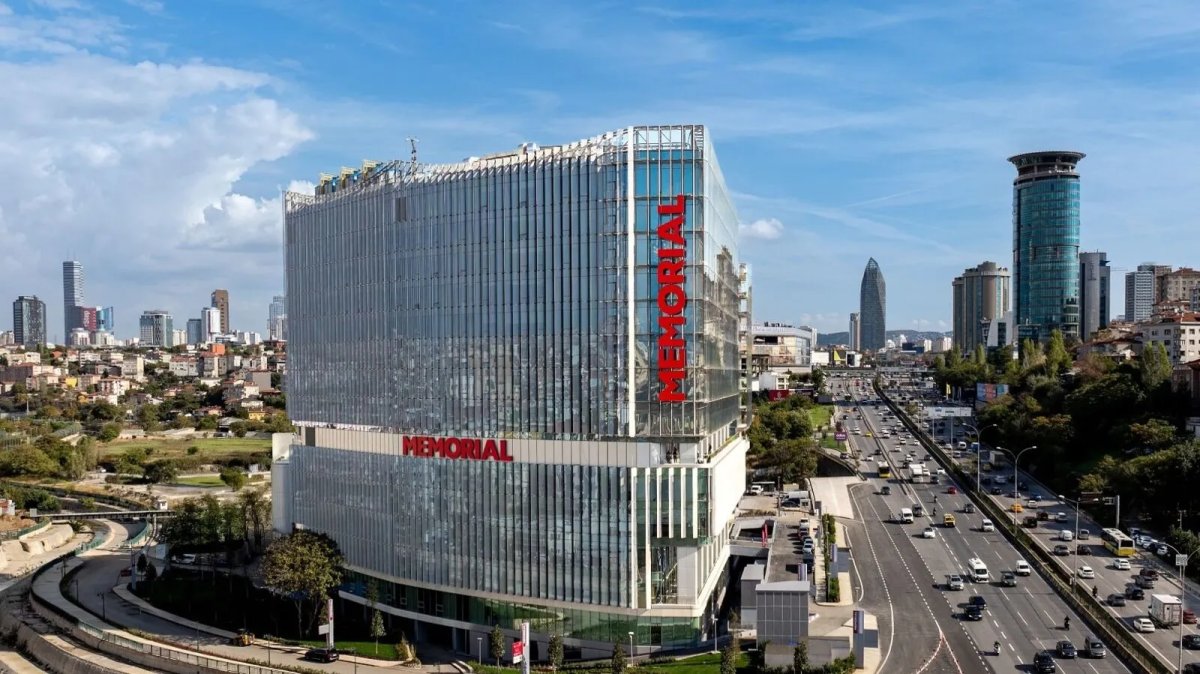
Memorial Göztepe Hospital

Assoc. Prof. Dr. Esra Özbaşlı OBGYN & Women Genital Aesthetics




Dr. Berra Önsoy – Kadın Hastalıkları ve Doğum Uzmanı
Obtenga una evaluación médica de tratamiento de Ectropión cervical en Turquía: haga una consulta con 10 médicos experimentados ahora
Ver todos los médicos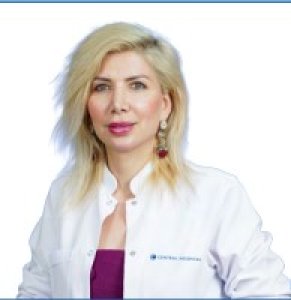
Nazli Korkmaz
La Profesora Asociada Dra. Nazlı Korkmaz es especialista en obstetricia, ginecología y fecundación in vitro (FIV). Tiene amplia experiencia en salud de la mujer, cirugía mínimamente invasiva y medicina reproductiva. Ha trabajado en hospitales de toda Turquía y ha contribuido a publicaciones científicas nacionales e internacionales.
Su labor clínica incluye el seguimiento del embarazo, afecciones ginecológicas, cirugía laparoscópica, ginecología estética, parto en agua, terapia sexual,
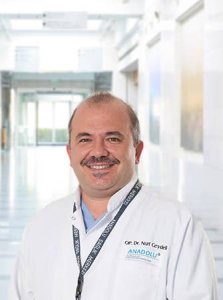
Nuri Ceydeli
El médico es un ginecólogo y obstetra experimentado con una carrera que abarca más de dos décadas. Después de completar su educación médica en la Universidad de Estambul en la Facultad de Medicina de Estambul en 1995, el médico se especializó en Ginecología y Obstetricia en la Facultad de Medicina Cerrahpaşa de la Universidad de Estambul en 2002. El médico ha estado sirviendo en el Centro Médico Anadolu desde 2005, centrándose en ginecología, obstetricia y uroginecología. El médico es miembro

Hediye Dagdeviren
La Dra. Hediye Dagdeviren es profesora asociada de Obstetricia y Ginecología en VM Medical Park Florya. Se especializa en FIV y dificultades reproductivas. Posee una certificación oficial en Terapia de Reproducción Asistida. La Dra. Dagdeviren ejerce en un hospital universitario acreditado por la JCI en Estambul.
- Realiza laparoscopia e histeroscopia robótica para la extirpación de fibromas uterinos complejos.
- Trata la disfunción sexual, el vaginismo y ofrece procedimientos
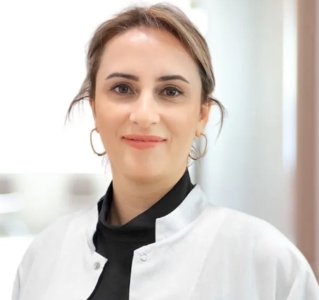
Meryem Eken
El profesor Eken se especializa en ectropión cervical en el Hospital Medical Park Göztepe, con una amplia experiencia en procedimientos y condiciones ginecológicas.
- Más de _doctor_10693_años_ en obstetricia y ginecología
- Jefe de la unidad de FIV en hospitales universitarios líderes
- Investigación galardonada sobre la salud uterina
- Publicación de más de 30 artículos revisados por pares en revistas de primer nivel
- Experto en cirugías ginecológicas mínimamente invasivas
Compartir contenido
Historias en video de pacientes de Bookimed
 Olena Sikoza
Preguntas frecuentes sobre el tratamiento de Ectropión cervical en Turquía
¿Es necesario tratar el ectropión cervical?
El ectropión cervical rara vez requiere intervención médica. Es una afección inofensiva donde las células cervicales internas crecen en la superficie externa. El tratamiento solo es necesario si síntomas como sangrado persistente o flujo abundante afectan su vida. La mayoría de los casos se resuelven naturalmente a medida que los niveles hormonales se estabilizan.
- Casos asintomáticos: Se recomienda la observación, ya que la afección a menudo se cura sin ninguna intervención clínica.
- Manejo de síntomas: El tratamiento ayuda a resolver el molesto manchado postcoital, dolor pélvico o flujo vaginal excesivo.
- Métodos de tratamiento: Los médicos pueden usar crioterapia cervical o cauterización para eliminar las células sensibles.
- Detección previa al tratamiento: Los especialistas priorizan descartar infecciones o lesiones cervicales antes de realizar cualquier procedimiento.
Perspectiva del experto de Bookimed: Los especialistas turcos enfatizan diagnósticos precisos sobre la cirugía inmediata. Centros como el Hospital Istanbul Florence Nightingale utilizan equipos multidisciplinarios para garantizar que los síntomas no sean causados por problemas ginecológicos no relacionados. La Dra. Asena Ayar Madenli del Liv Hospital Vadistanbul aprovecha la colposcopia para confirmar el diagnóstico antes de sugerir intervenciones como láser o cauterizaci
¿Es el ectropión cervical una forma de cáncer?
El ectropión cervical es una condición benigna y no es una forma de cáncer. No es precanceroso y no aumenta el riesgo de cáncer. Las células glandulares que normalmente se encuentran dentro del canal cervical crecen en la superficie externa. Los centros turcos acreditados por la Joint Commission International ofrecen crioterapia y cauterización para el manejo de los síntomas.
- Naturaleza de la condición: Es una variante biológica normal causada a menudo por cambios hormonales.
- Superposición de síntomas: Los síntomas del ectropión, como el sangrado poscoital, pueden imitar signos de cáncer cervical.
- Herramientas de diagnóstico: Los especialistas utilizan pruebas de Papanicolaou y exámenes pélvicos para confirmar este diagnóstico benigno.
- Objetivo del tratamiento: Procedimientos como la crioterapia cervical se centran en el alivio de los síntomas en lugar de en la prevención del cáncer.
Perspectiva del experto de Bookimed: Aunque el ectropión no es canceroso, muchos especialistas turcos certificados en oncología, como el Dr. Nuri Ceydeli, lo tratan. Estos médicos utilizan su experiencia en displasia cervical para asegurarse de que no se pase por alto ningún problema subyacente. Los pacientes se benefician de este cribado de alto nivel incluso para condiciones benignas en centros como el Anadolu Medical Center.
Consenso de lo
¿Qué tan exitoso es el tratamiento del ectropión cervical en Turquía?
El tratamiento del ectropión cervical en Turquía es altamente exitoso. Las clínicas turcas reportan tasas de éxito del 92% al 96% para los procedimientos estándar. Los centros especializados utilizan crioterapia y ablación láser para eliminar los síntomas. Estas técnicas resuelven eficazmente el flujo anormal y el sangrado poscoital en la mayoría de las pacientes.
- Tasas de éxito: La crioterapia logra el éxito clínico en aproximadamente el 96% de las pacientes turcas.
- Resolución de síntomas: Los tratamientos específicos alivian el flujo vaginal excesivo en casi el 90% de los casos.
- Eficacia del método: Los procedimientos estándar de cauterización mantienen una tasa de éxito de aproximadamente el 90% a nivel nacional.
- Calidad de la clínica: Muchos hospitales como el Istanbul Florence Nightingale poseen acreditaciones JCI e ISO.
Opinión del experto de Bookimed: Los datos del mundo real del Istanbul Florence Nightingale y el Medical Park Antalya sugieren un volumen alto de más de 300,000 pacientes anuales. Esta escala masiva crea una ventaja en la curva de aprendizaje para los ginecólogos. Especialistas como el Dr. Nuri Ceydeli en el Anadolu Medical Center integran protocolos de la American Association of Gynecologic Laparoscopists. Este entorno de gran volumen garantiza que los médicos turcos vean casos raros y perfeccionen su precisión de
¿Es doloroso el tratamiento del ectropión cervical?
El tratamiento del ectropión cervical se describe generalmente como incómodo más que doloroso. La mayoría de las pacientes experimentan calambres leves similares a los de la menstruación. Procedimientos como la crioterapia o la cauterización son tratamientos ambulatorios de 10 minutos que rara vez requieren anestesia general para controlar eficazmente las molestias.
- Sensación durante el procedimiento: Las pacientes suelen sentir una leve sensación de ardor o calor durante la cauterización.
- Intensidad de los calambres: La mayor parte de las molestias se manifiestan como calambres breves, similares a los menstruales, durante y después del tratamiento.
- Uso de anestesia: A menudo se aplica anestesia local para minimizar las molestias técnicas en la mayoría de las pacientes.
- Periodo de recuperación: Las pacientes suelen reanudar sus actividades normales el mismo día con un dolor post-procedimiento mínimo.
Perspectiva del experto de Bookimed: Si bien muchas clínicas generales ofrecen bastoncillos básicos de nitrato de plata, los centros académicos turcos como el Hospital Istanbul Florence Nightingale integran la colposcopia avanzada. Esto asegura que las células anormales se identifiquen con precisión antes de la cauterización. Elegir un centro con diagnóstico integrado a menudo conduce a un tratamiento más preciso y a tasas de recurrencia má
¿Puede el ectropión cervical reaparecer después del tratamiento?
El ectropión cervical puede reaparecer después de una ablación, crioterapia o cauterización. La recurrencia suele ocurrir porque los desencadenantes subyacentes, como las fluctuaciones hormonales, permanecen activos. Las hormonas del embarazo, la pubertad o los anticonceptivos orales provocan con frecuencia que las células glandulares vuelvan a aparecer en la parte externa del cuello uterino. Los síntomas generalmente requieren seis semanas de curación antes de realizar un nuevo tratamiento.
- Riesgo de recurrencia: Los cambios hormonales debidos al embarazo o al control de la natalidad y la inflamación a menudo desencadenan el crecimiento de nuevo.
- Síntomas persistentes: El flujo abundante o el sangrado pueden regresar si el tejido glandular se regenera después del tratamiento.
- Métodos de tratamiento: Las clínicas turcas ofrecen crioterapia y cauterización para controlar los síntomas y eliminar las células.
- Tiempo de seguimiento: Los especialistas generalmente recomiendan esperar al menos 6 semanas antes de realizar procedimientos repetidos.
Perspectiva del experto de Bookimed: Aunque la crioterapia cuesta entre 550 y 1250 dólares en Turquía, el precio por sí solo no evita la recurrencia. Nuestros datos muestran que centros especializados como el Hospital Florence Nightingale de Estambul se centran en estándares de seguridad acreditados