Epilepsia en Turquía: las 50 mejores clínicas para su tratamiento


Revisado médicamente por
Fahad Mawlood
Cómo funciona
¿Cuál es el precio del diagnóstico y los tratamientos de Epilepsia en Turquía? Descubra ahora
El costo del tratamiento de la epilepsia en Turquía varía según el plan de tratamiento. Las consultas iniciales con un neurocirujano y un neurólogo cuestan aproximadamente 170 € cada una. El paquete de tratamiento con estimulador cerebral profundo tiene un precio de 25.500 €. Los procedimientos de estimulación del nervio vago varían de 20.800 € a 43.500 €, dependiendo del modelo utilizado. Además, los paquetes de diagnóstico, que incluyen resonancia magnética, EEG y otras pruebas, comienzan en 1.100 €. El plan de tratamiento es personalizado y se determina después de una evaluación individual por parte del equipo de atención médica.
| España | Turquía | México | |
|---|---|---|---|
| Tratamiento quirúrgico de la epilepsia | de $55,000 | de $13,500 | ≈ $18,000 |
| Terapia con células madre para la epilepsia | ≈ $9,000 | ≈ $6,500 | ≈ $28,000 |
| Múltiples transecciones subpiales | de $67,400 | ≈ $12,500 | ≈ $14,000 |
| Estimulación del nervio vago | de $50,500 | de $20,000 | ≈ $24,000 |
| Cirugías estereotáxicas | de $13,700 | de $6,100 | ≈ $8,000 |
Descubra las mejores clínicas de tratamiento de Epilepsia en Turquía: 50 opciones verificadas y Precios







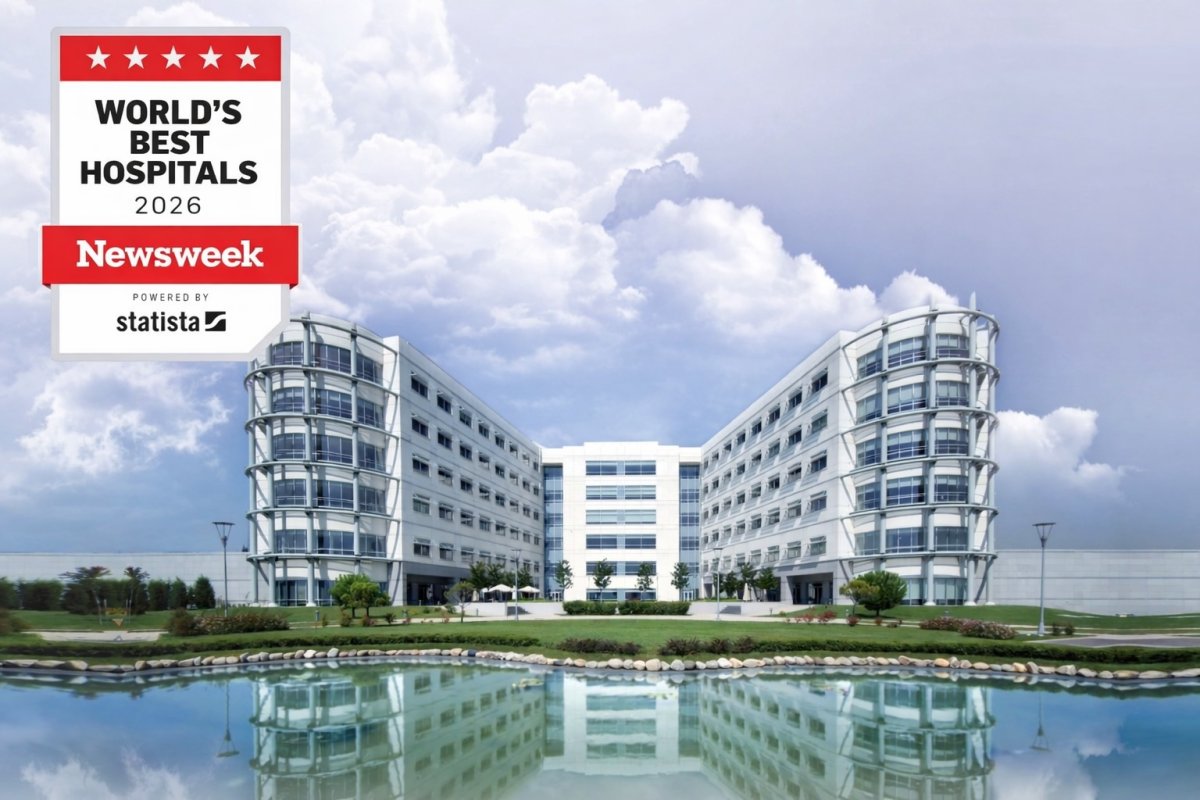


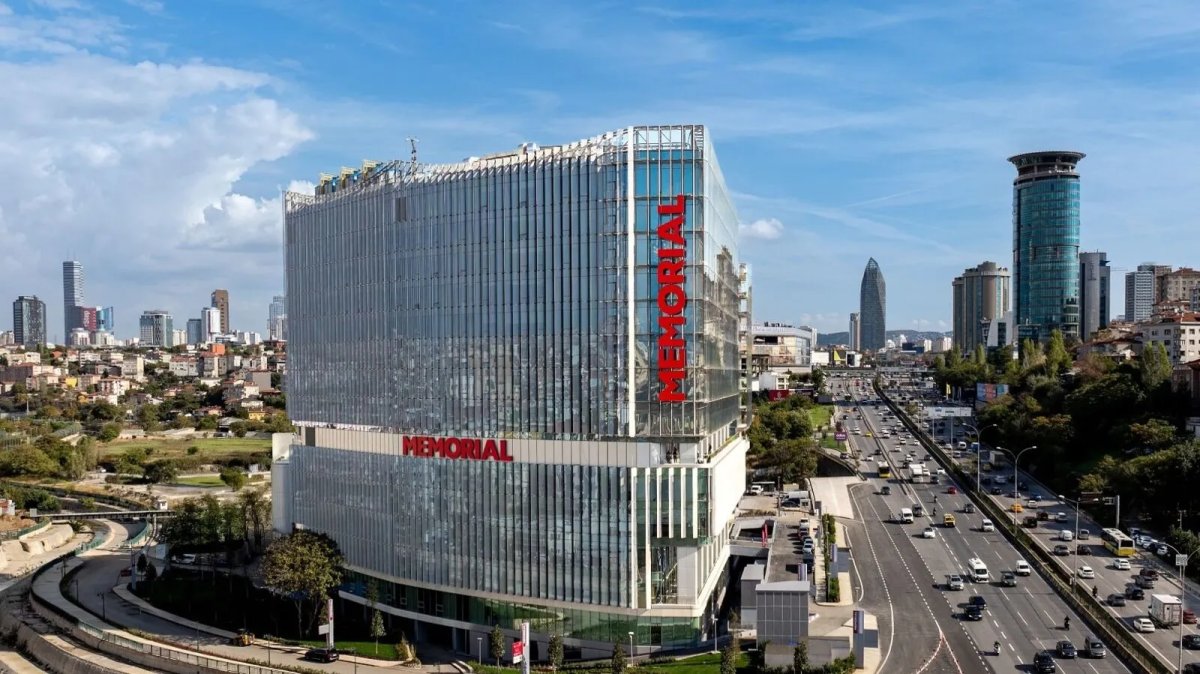
Memorial Göztepe Hospital



Obtenga una evaluación médica de tratamiento de Epilepsia en Turquía: haga una consulta con 68 médicos experimentados ahora
Ver todos los médicos
Betul Tavil
La Dra. Betül Tavil es profesora de hematología y oncología pediátricas, experta de clase mundial en trasplante de médula ósea para niños.
Por qué los pacientes confían en la Dra. Tavil:
- Médica con resultados sobresalientes — ha tratado con éxito a más de 500 niños con leucemia y ha realizado trasplantes de médula ósea a más de 100 niños.
- Especialista en los trastornos sanguín
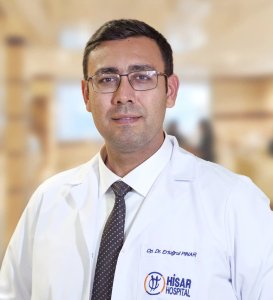
Ertugrul Pinar
El Dr. Ertugrul Pinar es neurocirujano en el Hisar Hospital Intercontinental de Estambul. Trata a pacientes adultos y pediátricos con enfermedades complejas del cerebro y la columna vertebral. El Dr. Pinar se centra en tumores cerebrales, aneurismas vasculares y patologías de la base del cráneo. Trabaja en un hospital acreditado por la JCI que atiende a más de 500.000 pacientes al año.
- Realiza procedimientos especializados, incluyendo la resección transnasal de tumores y la reparac
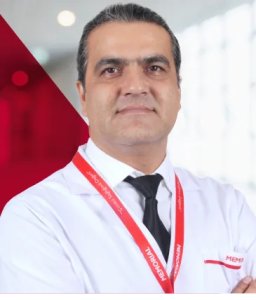
Mustafa Sakar
El Dr. Mustafa Sakar es especialista en neurocirugía en el Hospital Memorial Göztepe de Estambul (2025–presente). Anteriormente trabajó en el Hospital de Formación e Investigación de la Universidad de Marmara (Pendik) (2013–2025) y en el Hospital Estatal de Kahramanmaraş Elbistan (2011–2012).
Obtuvo el título de médico (MD) en la Facultad de Medicina de la Universidad Hacettepe, en Ankara (1997–2003). Completó allí la residencia en neurocirugía (2004–2010).
Afiliaciones profesio

Yasar Kutukcu
El profesor Yaşar Kütükçü se formó en neurología en la Universidad de California en San Francisco, aportando experiencia estadounidense al Centro Médico Anadolu.
- Especializado en neurofisiología y estimulación cerebral profunda para trastornos del movimiento
- Profesor de Neurología, lo que implica investigación avanzada y práctica clínica
- Miembro de la Sociedad Internacional de Parkinson y Trastornos del Movimiento
- Realiza investigación científica activa, lo que indica un enfoque en protocolos basados en evidencia
Reseñas
Todas las reseñas
Artículos relacionados

¿Cuánto cuesta la cirugía de epilepsia?
Escrito por Ana Hurevska

Los 8 mejores centros de epilepsia del mundo: Ranking de pacientes Bookimed
Escrito por Ana Hurevska
Compartir contenido
Historias en video de pacientes de Bookimed
 Olena Sikoza
Preguntas frecuentes sobre el tratamiento de Epilepsia en Turquía
¿Qué opciones avanzadas de tratamiento quirúrgico y no quirúrgico para la epilepsia están disponibles en Turquía?
Los centros turcos ofrecen tratamientos para la epilepsia resistente a los medicamentos, entre ellos la estimulación del nervio vago, la estimulación cerebral profunda y la amigdalohipocampectomía selectiva. Los cirujanos utilizan registro con microelectrodos y asistencia robótica en instalaciones acreditadas por JCI. También hay neurología pediátrica especializada y terapias regenerativas con células madre para casos infantiles complejos.
- Opciones de neuromodulación: la estimulación del nervio vago (VNS) y la estimulación cerebral profunda (DBS) se dirigen a las redes de las crisis.
- Técnicas resectivas: los cirujanos realizan amigdalohipocampectomía selectiva y lobectomía para extirpar zonas epileptogénicas específicas.
- Diagnóstico avanzado: la monitorización con video-EEG, la resonancia magnética de 3 teslas y los estudios farmacogenéticos garantizan una planificación quirúrgica precisa.
- Terapias alternativas: las aplicaciones regenerativas de células madre y las terapias dietéticas especializadas ofrecen opciones de manejo no quirúrgico.
Perspectiva de expertos de Bookimed: Las clínicas turcas suelen agrupar diagnósticos complejos, como la resonancia magnética de 3 teslas y la monitorización terapéutica de fármacos, en paquetes pediátricos de un solo día. Este enfoque rápido permite a las familias internacionales completar una evalua
¿Por qué Turquía es un destino popular para el tratamiento de la epilepsia?
Turquía es un destino líder para el tratamiento de la epilepsia gracias a sus centros especializados en neurocirugía e instalaciones acreditadas por la JCI. Los pacientes acceden a diagnósticos avanzados, como resonancia magnética de 3 teslas y monitorización por video-EEG. Neurocirujanos expertos realizan procedimientos complejos, incluida la estimulación cerebral profunda y la estimulación del nervio vago, siguiendo protocolos internacionales basados en la evidencia.
- Diagnóstico avanzado: Las instalaciones utilizan resonancia magnética Magnetom Skyra 3T y monitorización prolongada por video-EEG.
- Experiencia quirúrgica: Cirujanos como el Dr. Ali Zirh han realizado más de 1.400 procedimientos de DBS.
- Centros especializados: El Hospital Cerebral NP Istanbul ocupa el segundo lugar entre los hospitales cerebrales de Europa.
- Variedad de tratamientos: Las opciones incluyen terapia con células madre, neuroestimuladores Medtronic y amigdalohipocampectomía selectiva.
Perspectiva de expertos de Bookimed: Una ventaja importante en Turquía es la rapidez del diagnóstico integral. Mientras que algunos sistemas implican largos tiempos de espera, clínicas turcas como Medipol o Hisar Hospital agrupan análisis de sangre, resonancias magnéticas y monitorización EEG en estudios de dos días. Esta eficiencia es fundamental para los pacientes internacionales
¿Qué tipo de atención de seguimiento se brinda después de regresar a casa tras el tratamiento de la epilepsia en Turquía?
El seguimiento después del tratamiento de la epilepsia en Turquía incluye consultas remotas, monitorización de las crisis y manejo de la medicación. Los especialistas turcos proporcionan resúmenes médicos traducidos para su neurólogo local. Las revisiones remotas de EEG y los ajustes de medicación mediante telemedicina garantizan la seguridad y la continuidad de la atención después de su regreso a casa.
- Monitorización remota: Los epileptólogos turcos utilizan videollamadas para evaluar la recuperación y la frecuencia de las crisis.
- Intercambio de datos: Los pacientes envían por correo electrónico los resultados locales de EEG y los diarios de crisis para una revisión clínica especializada.
- Manejo de la medicación: Los médicos ajustan las dosis de los medicamentos según los análisis de laboratorio realizados en su país.
- Coordinación local: Los hospitales proporcionan notas quirúrgicas detalladas para garantizar que su médico local se mantenga informado.
Perspectiva del experto de Bookimed: Clínicas como NP Istanbul Brain Hospital o Memorial Bahçelievler suelen proporcionar acceso directo a neurólogos con más de 15–20 años de experiencia. Un patrón clave en nuestros datos muestra que los hospitales especializados en cerebro ofrecen paquetes de diagnóstico integrados que incluyen MRI, EEG y monitorización de medicamentos por aproximadament
¿Cómo se evalúa a los pacientes internacionales antes de viajar a Turquía para recibir tratamiento para la epilepsia?
Los pacientes internacionales pasan por una evaluación remota estructurada antes de viajar a Turquía. Los especialistas evalúan los historiales médicos digitales, incluidos informes de EEG y resonancias magnéticas cerebrales de alta resolución. Un equipo multidisciplinario determina en un plazo de 24 a 48 horas si el paciente es candidato a cirugía o a un ajuste de la medicación.
- Envío de documentación: Los pacientes proporcionan digitalmente el historial de crisis, listas de medicamentos y resúmenes de EEG anteriores.
- Revisión por especialistas: Epileptólogos y neurocirujanos analizan los archivos para confirmar casos de epilepsia farmacorresistente.
- Planificación del tratamiento: Las clínicas emiten evaluaciones por escrito que detallan las pruebas necesarias, como video-EEG o exploraciones PET.
- Autorización logística: Los departamentos internacionales proporcionan cartas para visa médica después de obtener la aprobación clínica formal.
Perspectiva de expertos de Bookimed: Una señal importante de calidad en Turquía es el volumen de centros especializados en el cerebro. NP Istanbul Brain Hospital trata a 4.000 pacientes al año y cuenta con acreditación JCI. Neurólogos expertos como la Dra. Ebru Erbayat Altay aportan más de 25 años de experiencia en instituciones de Estados Unidos. Este elevado volumen de pacientes a menudo permite obte