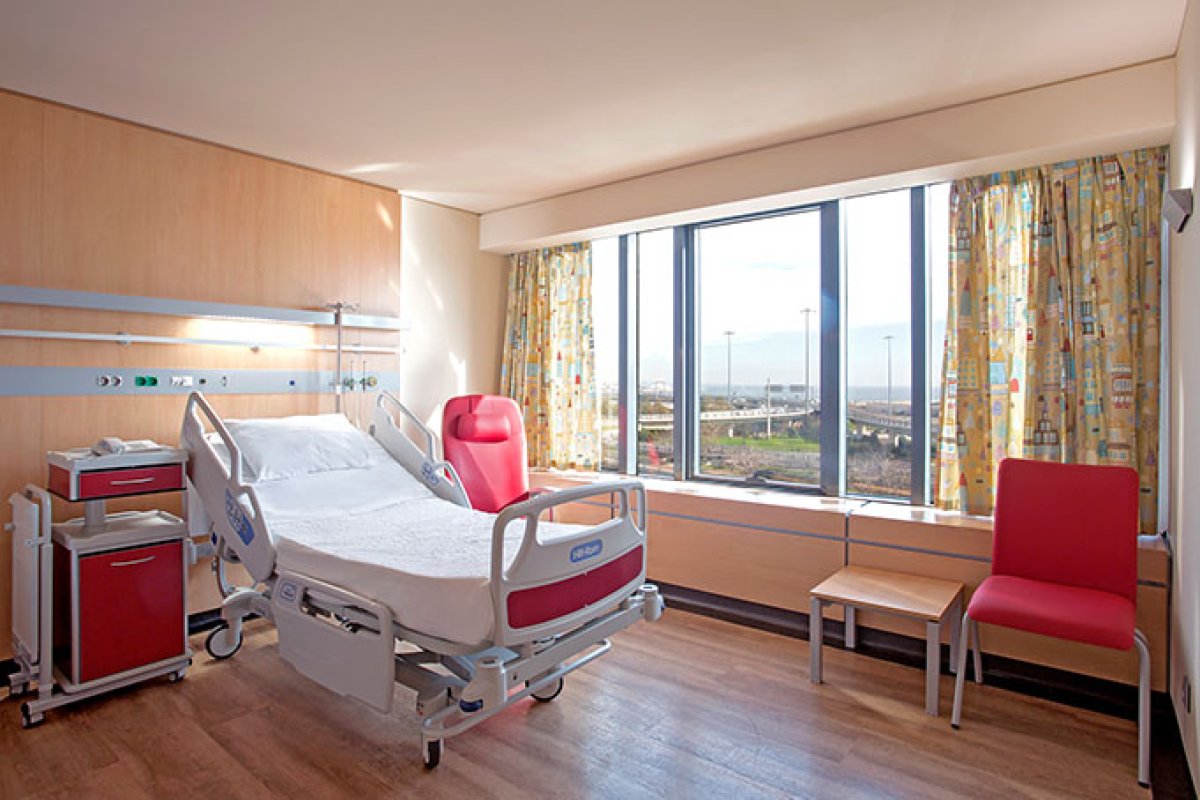
Metropolitan Hospital
Grecia, Atenas


Revisado médicamente por
Fahad Mawlood
Bookimed no añade cargos extra a los precios de los tratamientos de Epilepsia. Las tarifas proceden de las listas de precios oficiales de las clínicas. Pagará directamente en la clínica por su tratamiento a su llegada al país.
Bookimed está comprometido con su seguridad. Solo trabajamos con las clínicas que mantienen altos estándares internacionales en el tratamiento de Epilepsia y cuentan con las licencias necesarias para atender a pacientes internacionales en todo el mundo.
Bookimed ofrece asistencia experta gratuita. Un coordinador médico personal le apoya antes, durante y después de su tratamiento, resolviendo cualquier problema. Nunca estará solo en su viaje médico de tratamiento de Epilepsia.


Escrito por Ana Hurevska

Escrito por Ana Hurevska
 Olena Sikoza
Los hospitales en Grecia se especializan en el tratamiento de la epilepsia farmacorresistente mediante cirugía resectiva avanzada y neuromodulación. Centros especializados en Atenas y Tesalónica utilizan la electroencefalografía estereotáctica (sEEG) y la neuronavegación para mapear el origen de las convulsiones. Las instalaciones líderes integran sistemas robóticos y ablación láser para la cirugía cerebral mínimamente invasiva.
Opinión de expertos de Bookimed: Los centros de epilepsia griegos tienen un alto grado de especialización en Tesalónica. El Hospital St. Lukes informa una tasa de éxito del 85% en casos quirúrgicos desde 2006. Esto sugiere que, aunque el volumen es menor que en Turquía, los resultados clínicos siguen siendo altos. Los pacientes deben priorizar los centros con equipos multidisciplinarios qu
Los pacientes en Grecia son candidatos para la cirugía de epilepsia cuando los medicamentos no logran controlar las convulsiones. Este estado de resistencia a los fármacos requiere haber probado dos o más medicamentos antiepilépticos con la dosis adecuada. Los candidatos deben mostrar un foco convulsivo único y claro en escáneres cerebrales como una resonancia magnética de alta resolución o monitorización de video-EEG.
Perspectiva del experto de Bookimed: Los centros especializados griegos, como los de Tesalónica, atienden a aproximadamente 2.000 pacientes al año. Los datos muestran que las clínicas con autorización gubernamental para servicios internacionales priorizan los estudios diagnósticos integrales. Un centro local a menudo coordina el video-EEG y las imágenes de alta resolución para confirmar rápidamente la elegibilidad focal.
Consenso de los pacientes: Los
El tratamiento de la epilepsia en Grecia implica la gestión de riesgos como los efectos secundarios de la medicación y las infecciones en el lugar de la cirugía. Los pacientes deben vigilar la aparición de niebla mental, cambios de humor y fatiga durante la terapia farmacológica. Los centros especializados en Tesalónica ofrecen una atención que cumple con los estándares de calidad internacionales. Las tasas de éxito en el control de las convulsiones siguen siendo altas con una supervisión adecuada.
Perspectiva del experto de Bookimed: Las clínicas privadas griegas como la Clínica Veselibu priorizan las certificaciones de calidad internacionales para abordar las preocupaciones locales sobre higiene. Nuestros datos muestran que estas instalaciones atienden a aproximadamente 2.000 pacientes al año con departamentos
La cirugía de epilepsia en Grecia requiere normalmente una estancia hospitalaria de 3 a 7 días. Los procedimientos mínimamente invasivos como la ablación láser o la estimulación del nervio vago (VNS) implican de 2 a 4 días. Las resecciones mayores o la estimulación cerebral profunda (DBS) a menudo requieren de 5 a 7 días para su seguimiento.
Perspectiva de expertos de Bookimed: Las clínicas griegas como la Clínica Veselibu enfatizan la rehabilitación postquirúrgica para mejorar los resultados a largo plazo. Los datos muestran que comenzar la fisioterapia mientras aún se está hospitalizado acelera la transición a la atención domiciliaria. Las instalaciones con certificaciones gubernamentales internacionales a menudo proporcionan coordinadores dedicados para gestionar estos pasos iniciales de rehabilitación de manera efectiva.
Consen
Los centros mundiales de cirugía de epilepsia incluyen Rochester y Cleveland en EE. UU., junto con Estambul, Barcelona y Madrid en Europa. Estas ciudades albergan centros especializados en epilepsia de nivel 4. Proporcionan diagnósticos avanzados como resonancia magnética de 3 Teslas y electroencefalografía estereotáctica (SEEG) asistida por robot para casos resistentes a los medicamentos.
Perspectiva del experto de Bookimed: Aunque Grecia ofrece atención neurológica especializada, los pacientes internacionales que buscan intervención quirúrgica a menudo miran hacia Estambul o Barcelona. Los datos muestran que Turquía atiende más de 590.000 solicitudes internacionales al año en todas las especialidades. Los centros de alto volumen en estas regiones a menudo reportan tasas de éxito más altas en el mapeo de focos convulsivos complejos. Los médicos
Los viajeros que se dirigen a Grecia para una cirugía de epilepsia requieren un pasaporte válido por 6 meses. Los documentos esenciales incluyen una carta oficial de cita hospitalaria y registros médicos detallados. Los pacientes deben traer escaneos de diagnóstico como resonancias magnéticas. Un plan de acción contra convulsiones traducido garantiza su seguridad durante su estancia en Grecia.
Perspectiva del experto de Bookimed: Las necesidades de documentación varían significativamente según los acuerdos regulatorios de su país de origen con Grecia. Mientras que los pacientes de la UE dependen de las tarjetas EHIC, los pacientes internacionales de clínicas como la Clínica Veselibu deben priorizar la obtención de un historial médico apostillado. Este paso específico a menudo acelera e
Los resultados a largo plazo de la epilepsia en Grecia se centran en lograr la ausencia de crisis mediante medicación o cirugía. Aproximadamente el 70% de los pacientes controlan las crisis con terapias farmacológicas iniciales. Para los casos resistentes a los fármacos, la resección quirúrgica ofrece una probabilidad del 40% al 80% de ausencia de crisis, dependiendo de la ubicación específica en el cerebro.
Perspectiva de expertos de Bookimed: Los centros de gran volumen como la Clínica Veselibu en Tesalónica gestionan 2.000 pacientes al año. Este alto volumen de pacientes a menudo se correlaciona con mejores capacidades de monitoreo a largo plazo. Las instalaciones con autorización gubernamental para pacientes internacionales deben mantener estos estrictos estándares de seguimiento para conservar sus certificaciones.