Epilepsia en Estados Unidos: las 4 mejores clínicas para su tratamiento


Revisado médicamente por
Fahad Mawlood
¿Cuál es el precio del diagnóstico y los tratamientos de Epilepsia en Estados Unidos? Descubra ahora
El costo del tratamiento de la epilepsia en los Estados Unidos de América generalmente incluye diagnósticos esenciales como una resonancia magnética cerebral con contraste, que oscila entre $900 y $2,600. Las intervenciones quirúrgicas primarias, como la cirugía de estimulación cerebral profunda (DBS), cuestan entre $65,000 y $110,000, mientras que la estimulación del nervio vago cuesta entre $38,000 y $58,000. Los gastos totales dependen de los niveles de control de las convulsiones, los tipos de medicamentos y la duración de la estancia hospitalaria. Los principales centros médicos en Nueva York, Maryland y Princeton ofrecen atención avanzada para estas complejas afecciones neurológicas.
Costos típicos del tratamiento de la epilepsia en los Estados Unidos de América
- Consulta con un neurólogo: $450 – $750
- Resonancia magnética cerebral con contraste: $900 – $2,600
- EEG de sueño: $900 – $2,000
- Diagnóstico complejo de epilepsia: Precio a consultar
- Cirugía de estimulación cerebral profunda (DBS): $65,000 – $110,000
- Estimulación del nervio vago: $38,000 – $58,000
- Tratamiento quirúrgico de la epilepsia: $85,000 – $140,000
- Cirugías estereotácticas: $45,000 – $95,000
- Terapia con células madre para la epilepsia: $9,000 – $22,000
- Consulta en línea con un epileptólogo: Precio a consultar
Perspectiva de los expertos de Bookimed: La atención multidisciplinaria es esencial para la epilepsia refractaria. El Hospital Johns Hopkins es un líder mundial que atrae a pacientes de 49 estados por su escuela neurológica coordinada. Para casos pediátricos, el Memorial Sloan Kettering ofrece experiencia especializada en afecciones cerebrales complejas. Los pacientes que buscan una calidad reconocida deben tener en cuenta el Princeton Hospital en Plainsboro. Se clasifica entre el 5% de los mejores hospitales de EE. UU. según HealthGrades.
| Estados Unidos | España | Turquía | |
|---|---|---|---|
| Tratamiento quirúrgico de la epilepsia | ≈ $85,000 | de $76,200 | de $12,000 |
| Terapia con células madre para la epilepsia | ≈ $9,000 | ≈ $9,000 | ≈ $6,500 |
| Múltiples transecciones subpiales | ≈ $65,000 | de $67,200 | ≈ $12,500 |
| Estimulación del nervio vago | ≈ $38,000 | de $50,400 | de $20,000 |
| Cirugías estereotáxicas | ≈ $45,000 | de $13,700 | de $6,100 |
Sus beneficios y garantías con Bookimed
Precios directos
Bookimed no añade cargos extra a los precios de los tratamientos de Epilepsia. Las tarifas proceden de las listas de precios oficiales de las clínicas. Pagará directamente en la clínica por su tratamiento a su llegada al país.
Sólo clínicas y médicos verificados
Bookimed está comprometido con su seguridad. Solo trabajamos con las clínicas que mantienen altos estándares internacionales en el tratamiento de Epilepsia y cuentan con las licencias necesarias para atender a pacientes internacionales en todo el mundo.
Asistencia 24/7 gratuita
Bookimed ofrece asistencia experta gratuita. Un coordinador médico personal le apoya antes, durante y después de su tratamiento, resolviendo cualquier problema. Nunca estará solo en su viaje médico de tratamiento de Epilepsia.

Su coordinador médico personal de Bookimed
- Le apoya en cada etapa
- Ayuda a elegir la clínica y el médico adecuados
- Asegura un acceso rápido y conveniente a la información
Descubra las mejores clínicas de tratamiento de Epilepsia en Estados Unidos: 4 opciones verificadas y Precios
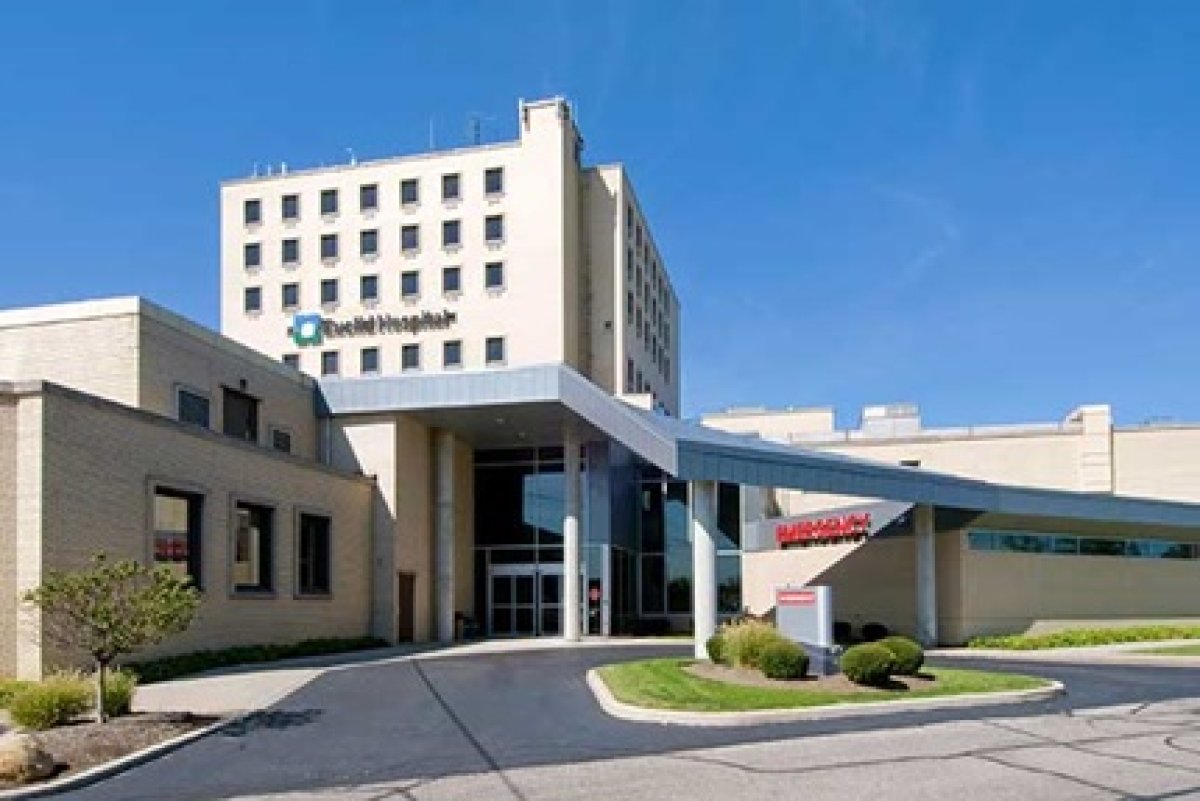




Princeton Hospital at Plainsboro

Johns Hopkins Hospital

Memorial Sloan Kettering Cancer Center
Obtenga una evaluación médica para Epilepsia en Estados Unidos: consulte con doctores experimentados ahora
Ver todos los médicos
Rafael Cruz
Artículos relacionados

¿Cuánto cuesta la cirugía de epilepsia?
Escrito por Ana Hurevska

Los 8 mejores centros de epilepsia del mundo: Ranking de pacientes Bookimed
Escrito por Ana Hurevska
Compartir contenido
Historias en video de pacientes de Bookimed
 Olena Sikoza
Preguntas frecuentes sobre el tratamiento de Epilepsia en Estados Unidos
¿Qué centros de epilepsia de EE. UU. son reconocidos internacionalmente por tratar a pacientes extranjeros?
Los principales centros de epilepsia de EE. UU., como el Johns Hopkins Hospital y la Cleveland Clinic, son reconocidos internacionalmente por tratar trastornos convulsivos complejos. Estas instalaciones suelen contar con la designación de Nivel 4 de la National Association of Epilepsy Centers. Ofrecen diagnósticos avanzados, incluyendo magnetoencefalografía y ablación láser guiada por resonancia magnética, para pacientes de todo el mundo.
- Programas especializados: NYU Langone y la Universidad de Miami operan centros internacionales de epilepsia dedicados.
- Diagnóstico avanzado: La Mayo Clinic ofrece evaluaciones integrales en un solo lugar con imágenes de alta resolución in situ.
- Innovación quirúrgica: El Nicklaus Children’s Hospital es un líder mundial en ablación láser pediátrica guiada por resonancia magnética.
- Experiencia en neuromodulación: El UCSF Epilepsy Center se especializa en estimulación del nervio vago e implantes de neuroestimulación responsiva.
Perspectiva del experto de Bookimed: Aunque muchos buscan tecnologías específicas, el verdadero factor diferenciador es el volumen de pacientes. El Johns Hopkins Hospital atrae a pacientes de 49 estados y del extranjero por su enfoque multidisciplinario. Este alto volumen en seis centros miembros garantiza que los equipos hayan visto incluso los tipos de convulsiones más raros.
¿Qué cronograma de viaje deben esperar los pacientes internacionales para la evaluación y el tratamiento de la cirugía de epilepsia en los Estados Unidos?
Los pacientes internacionales deben esperar un cronograma de 4 a 8 semanas para la cirugía de epilepsia en los Estados Unidos. Esto incluye la evaluación diagnóstica, la intervención quirúrgica y la recuperación inicial. Las consultas remotas a menudo acortan las estancias en el lugar. La mayoría de los planes requieren al menos 3 semanas de tiempo dedicado en el hospital.
- Evaluación remota: Las revisiones iniciales de los registros médicos suelen tardar de 2 a 6 semanas.
- Monitoreo de fase I: El video-EEG hospitalario generalmente requiere de 7 a 10 días en el hospital.
- Monitoreo invasivo: Si es necesario, la colocación de electrodos internos añade de 5 a 14 días.
- Recuperación quirúrgica: Los pacientes permanecen de 1 a 5 días después de la cirugía antes de un seguimiento local de 2 semanas.
Perspectiva del experto de Bookimed: Los datos muestran un rango de precios significativo para los procedimientos de epilepsia, con la estimulación del nervio vago comenzando en $40,000, mientras que la estimulación cerebral profunda puede alcanzar los $110,000. Los pacientes a menudo ahorran tiempo eligiendo centros académicos como el Princeton Hospital en Plainsboro. Estas instituciones frecuentemente agilizan la transición del diagnóstico a la cirugía dentro de un solo viaje de 4 semanas.
Consenso de los pacientes: Los pac
¿Cómo determinan los principales centros de EE. UU. la candidatura para la cirugía de epilepsia mínimamente invasiva?
Los principales centros de EE. UU. determinan la candidatura a través de una evaluación multifásica que identifica la epilepsia focal resistente a los fármacos. Los pacientes deben haber fallado al menos a dos medicamentos con la dosis adecuada. Los equipos de especialistas utilizan video-EEG y resonancia magnética de 3 Teslas para confirmar que las convulsiones se originan en una única región cerebral accesible. Las evaluaciones aseguran que la cirugía no afectará las funciones lingüísticas o motoras.
- Pruebas de fase 1: El EEG de cuero cabelludo no invasivo y las imágenes descartan a la mayoría de los candidatos iniciales.
- Precisión diagnóstica: Las resonancias magnéticas de alta resolución y las tomografías por emisión de positrones (PET) identifican anomalías estructurales o metabólicas.
- Monitoreo invasivo: El estéreo-EEG (SEEG) utiliza electrodos de profundidad para mapear el foco convulsivo exacto.
- Revisión multidisciplinaria: Los epileptólogos y neurocirujanos deben llegar a un consenso sobre la seguridad.
Perspectiva de expertos de Bookimed: Los datos de las principales instituciones de EE. UU., como el Hospital Johns Hopkins, indican que el volumen es el indicador principal de la selección de candidatos. Los centros que atienden a pacientes de 49 estados a menudo utilizan estéreo-EEG avanzado para casos en los que los resultados
¿Qué cuidados postoperatorios y acuerdos de monitorización remota están disponibles para pacientes internacionales de cirugía de epilepsia?
El cuidado postoperatorio para pacientes internacionales con epilepsia en los EE. UU. implica un período de estabilización de 3 a 7 días. Los centros ofrecen monitorización remota del paciente a través de dispositivos portátiles aprobados por la FDA y aplicaciones de seguimiento de convulsiones. Las consultas virtuales y la coordinación con neurólogos locales aseguran la continuidad de la atención después de que los pacientes regresan a sus países de origen.
- Monitorización clínica: Los médicos observan si hay infecciones o estado epiléptico durante una estancia hospitalaria de 7 días.
- Seguimiento digital: Los pacientes utilizan aplicaciones como Epsy o Seizure Tracker para registrar su actividad de forma remota.
- Tecnología portátil: Dispositivos como Empatica Embrace2 detectan convulsiones y alertan a los cuidadores en tiempo real.
- Diagnóstico remoto: Los sistemas de EEG ambulatorio permiten la transmisión de datos de ondas cerebrales desde el país de origen del paciente.
Perspectiva del experto de Bookimed: Los pacientes en centros de primer nivel como el Johns Hopkins Hospital pueden evitar viajes frecuentes utilizando portales seguros para compartir resonancias magnéticas. Nuestros datos indican que, aunque las instituciones académicas ofrecen diagnósticos avanzados, los pacientes internacionales deben confirmar la compatibilidad del
¿Qué documentación médica deben llevar los pacientes extranjeros para su consulta de cirugía de epilepsia?
Los pacientes extranjeros deben proporcionar registros neurológicos completos traducidos al inglés para una consulta de cirugía de epilepsia. Los documentos esenciales incluyen resonancias magnéticas 3T de alta resolución y grabaciones de video-EEG a largo plazo que muestren los eventos convulsivos. También se requiere un historial detallado de medicamentos y un diario de convulsiones de 12 meses para la candidatura quirúrgica. Traiga las láminas de patología originales si se realizó una cirugía cerebral previa.
- Estudios de imagen: Resonancias magnéticas 3T de alta resolución y tomografías computarizadas en medios digitales para una revisión independiente.
- Registros de convulsiones: Un diario de 6 a 12 meses que documente la frecuencia, duración y desencadenantes específicos.
- Historial de tratamiento: Registros de todos los medicamentos anticonvulsivos, incluidas las dosis y los motivos de la interrupción.
- Informes de diagnóstico: Resultados de pruebas neuropsicológicas, PET scans o pruebas genéticas si se han completado.
- Documentos legales: Pasaporte válido, visa médica y prueba de fondos para pacientes que pagan por cuenta propia.
Perspectiva del experto de Bookimed: Los datos de centros académicos de primer nivel como Johns Hopkins muestran una preferencia por las resonancias magnéticas 3T realizadas durante
¿Ofrecen los hospitales de EE. UU. servicios de alojamiento e interpretación para pacientes extranjeros operados de epilepsia y sus familias?
La mayoría de los principales centros de epilepsia de EE. UU. ofrecen servicios de interpretación médica gratuitos las 24 horas del día, los 7 días de la semana, por ley. Estas instalaciones también ofrecen una coordinación dedicada para familias internacionales. Si bien la interpretación médica es estándar, los hospitales generalmente no cubren los costos de alojamiento. Los departamentos especializados ayudan a encontrar alojamiento cercano y a gestionar visas médicas.
- Asistencia lingüística: Los hospitales proporcionan intérpretes cualificados en persona, por vídeo o por teléfono.
- Requisito legal: Las instalaciones de EE. UU. deben ofrecer servicios lingüísticos gratuitos para garantizar la precisión clínica.
- Apoyo con el alojamiento: El personal ayuda a las familias a reservar hoteles, alquileres a corto plazo o casas Ronald McDonald.
- Coordinación logística: Equipos dedicados gestionan traslados al aeropuerto, programación de citas y orientación local.
Perspectiva del experto de Bookimed: Los centros académicos de primer nivel, como el Johns Hopkins Hospital o el Princeton Hospital en Plainsboro, atienden a miles de pacientes de fuera del estado y del extranjero. Los datos sugieren que estas instituciones de gran volumen tienen una infraestructura más sólida para las familias. Sin embargo, los pacientes deben presupuestar los altos
¿Qué grandes ciudades de EE. UU. ofrecen una excelente conectividad aérea para viajes relacionados con la cirugía de epilepsia?
Grandes ciudades de EE. UU. como Nueva York, Cleveland y Boston ofrecen una conectividad aérea superior para la cirugía de epilepsia a través de amplios centros internacionales. Estas ubicaciones cuentan con centros de epilepsia de nivel 4 que brindan atención quirúrgica compleja. Los vuelos directos frecuentes a JFK, CLE y BOS minimizan el estrés del viaje y reducen los riesgos de convulsiones asociados con largas escalas.
- Conectividad de Cleveland: El Aeropuerto Internacional Cleveland Hopkins (CLE) ofrece vuelos directos eficientes para pacientes que visitan la Clínica Cleveland.
- Centros de Nueva York: Tres aeropuertos principales (JFK, EWR, LGA) sirven a NYU Langone y al Hospital Mount Sinai.
- Acceso a Boston: El Aeropuerto Internacional Logan (BOS) sirve al Hospital General de Massachusetts con vuelos directos al 90 % de las ciudades.
- Opciones en Chicago: O'Hare (ORD) y Midway (MDW) ofrecen amplios enlaces nacionales al Northwestern Memorial Hospital.
Perspectiva de expertos de Bookimed: Aunque los pacientes a menudo se centran en los centros más grandes, los aeropuertos de tamaño mediano como Cleveland (CLE) pueden ser superiores para los viajes médicos. Los datos muestran que estas terminales a menudo experimentan menos retrasos que los mega-centros como LAX u ORD. Los horarios confiables son vitales para mantener el horario de lo