Epilepsia Tratamiento en Corea del Sur — Costos 2026


Revisado médicamente por
Fahad Mawlood
¿Cuál es el precio del diagnóstico y los tratamientos de Epilepsia en Corea del Sur? Descubra ahora
| Corea del Sur | España | Turquía | |
|---|---|---|---|
| Tratamiento quirúrgico de la epilepsia | ≈ $18,000 | de $54,900 | de $13,500 |
| Terapia con células madre para la epilepsia | ≈ $12,000 | ≈ $9,000 | ≈ $6,500 |
| Múltiples transecciones subpiales | ≈ $14,000 | de $67,300 | ≈ $12,500 |
| Estimulación del nervio vago | ≈ $22,000 | de $50,500 | de $20,000 |
| Cirugías estereotáxicas | ≈ $9,000 | de $13,700 | de $6,100 |
Sus beneficios y garantías con Bookimed
Precios directos
Bookimed no añade cargos extra a los precios de los tratamientos de Epilepsia. Las tarifas proceden de las listas de precios oficiales de las clínicas. Pagará directamente en la clínica por su tratamiento a su llegada al país.
Sólo clínicas y médicos verificados
Bookimed está comprometido con su seguridad. Solo trabajamos con las clínicas que mantienen altos estándares internacionales en el tratamiento de Epilepsia y cuentan con las licencias necesarias para atender a pacientes internacionales en todo el mundo.
Asistencia 24/7 gratuita
Bookimed ofrece asistencia experta gratuita. Un coordinador médico personal le apoya antes, durante y después de su tratamiento, resolviendo cualquier problema. Nunca estará solo en su viaje médico de tratamiento de Epilepsia.

Su coordinador médico personal de Bookimed
- Le apoya en cada etapa
- Ayuda a elegir la clínica y el médico adecuados
- Asegura un acceso rápido y conveniente a la información
Descubra las mejores clínicas de tratamiento de Epilepsia en Corea del Sur: 8 opciones verificadas y Precios







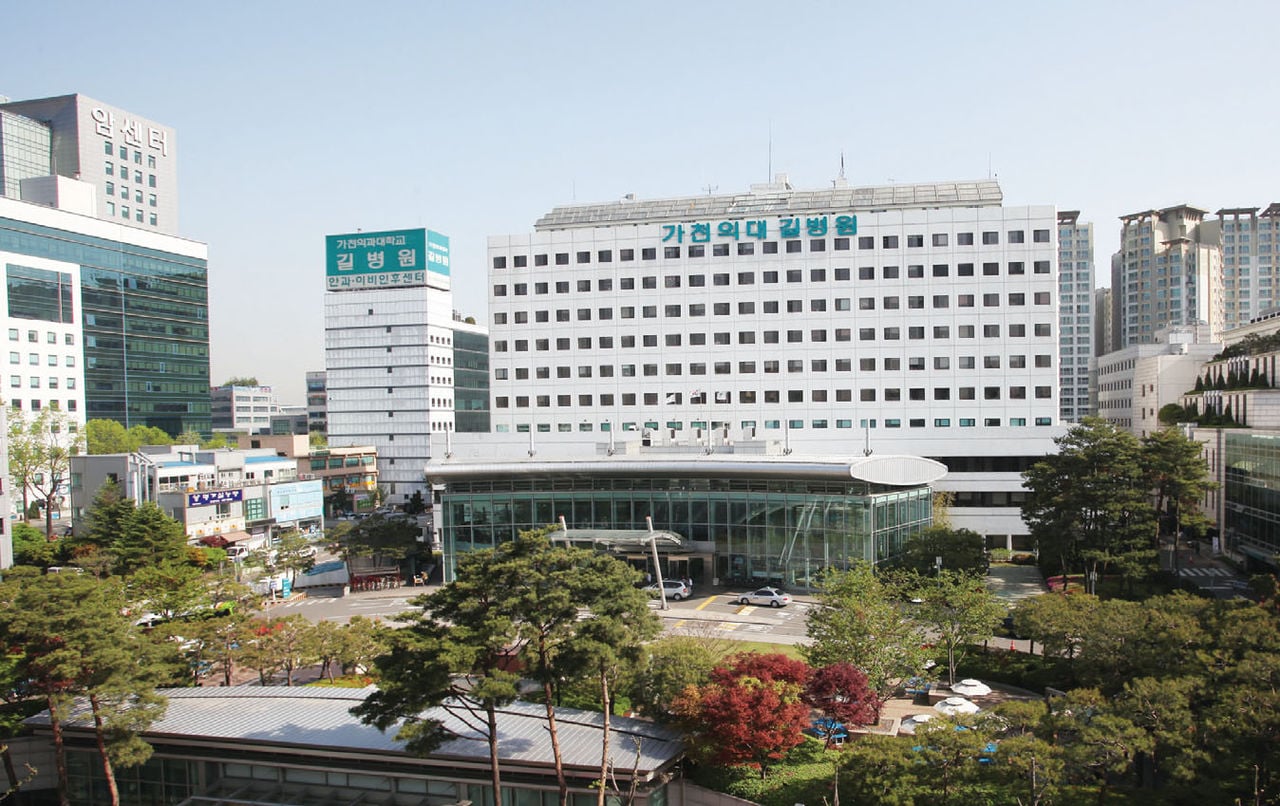

Hospital Severance (Severance Hospital)





RE:YOUTH (YONSEI BH Arterial Stemcell Clinic)
Byung-hee Lee


Obtenga una evaluación médica para Epilepsia en Corea del Sur: consulte con doctores experimentados ahora
Ver todos los médicos
Shon, Young Min
El Dr. Shon se especializa en el tratamiento de la epilepsia en el Samsung Medical Center, un centro de neurología líder.
- Neurólogo con enfoque en el cuidado de la epilepsia
- Ejerce en el Samsung Medical Center, reconocido en neurología
- Dedicado a planes de tratamiento personalizados para pacientes con epilepsia
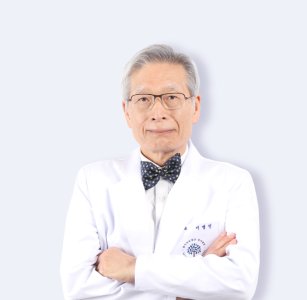
Lee Byung In
El profesor Byung-in Lee es neurólogo y especialista en epilepsia. Dirige el Centro de Epilepsia Lee Byung-in del Hospital Myongji. Obtuvo el título de médico en la Universidad de Yonsei. Estudió neurociencia en la Universidad de Indiana. Completó la residencia en neurología en la Universidad de Minnesota. Realizó una subespecialización en neurofisiología clínica en la Cleveland Clinic.
Anteriormente dirigió el Centro de Epilepsia del Hospital Inje Haeundae Paik. También dirigió el Cen
Byung-hee Lee
El Dr. Lee es miembro fundador de la Sociedad Coreana de Neurología Intervencionista y ha presentado 24 tesis SCI sobre temas cerebrovasculares.
- Miembro titular de la American Stroke Association y de la World Stroke Society
- Impartir 50 conferencias en congresos internacionales y nacionales
- Especializarse en enfoques de neurología intervencionista
- Trabajar en RE:YOUTH (YONSEI BH Arterial Stemcell Clinic)

Kyoung Heo
Como neurólogo líder en epilepsia, el Prof. Heo dirige el Departamento de Neurología en el renombrado Hospital Yonsei Severance.
- Especializado exclusivamente en el tratamiento de la epilepsia y los trastornos convulsivos
- Jefe del Departamento de Neurología del hospital, formando a otros especialistas
- Miembro de la Sociedad Coreana de Epilepsia y de la Asociación Neurológica Coreana
- Posee un título de la prestigiosa Facultad de Medicina de la Universidad de Yonsei
Artículos relacionados

¿Cuánto cuesta la cirugía de epilepsia?
Escrito por Ana Hurevska

Los 8 mejores centros de epilepsia del mundo: Ranking de pacientes Bookimed
Escrito por Ana Hurevska
Compartir contenido
Historias en video de pacientes de Bookimed
 Olena Sikoza
Preguntas frecuentes sobre el tratamiento de Epilepsia en Corea del Sur
¿Cuánto tiempo suele durar la estancia hospitalaria si viajo a Corea del Sur para una cirugía de epilepsia?
La cirugía de epilepsia en Corea del Sur requiere una estancia hospitalaria de 2 semanas. La monitorización prequirúrgica suele durar de 3 a 7 días. La fase de recuperación postoperatoria en el hospital tarda otros 4 a 7 días. Los pacientes deben permanecer en el país entre 2 y 4 semanas en total.
- Fase de evaluación: La monitorización mediante EEG y el mapeo añaden de 4 a 7 días antes del procedimiento.
- Duración de la cirugía: Los procedimientos suelen durar de 3 a 5 horas, según la complejidad.
- Recuperación hospitalaria: Los pacientes permanecen de 4 a 7 días para el cuidado de la herida y el control de los síntomas.
- Duración total: Los pacientes internacionales necesitan aproximadamente 1 mes en Corea para los controles de seguimiento.
Perspectiva de expertos de Bookimed: Samsung Medical Center y Severance Hospital atienden a un enorme volumen de pacientes; Severance recibe a más de 4.000.000 de pacientes al año. Esta escala permite a neurólogos como el Dr. Kyoung Heo manejar casos muy complejos. Los pacientes internacionales a menudo pasan por alto la fase prequirúrgica. La monitorización prequirúrgica, como el estéreo-EEG, puede duplicar su estancia hospitalaria incluso antes de que comience la operación.
Consenso de los pacientes: Los pacientes señalan que recibir el alta hospitalaria no es lo mismo que esta