Epilepsia en República Checa: clínicas verificadas para su tratamiento


Revisado médicamente por
Fahad Mawlood
¿Cuál es el precio del diagnóstico y los tratamientos de Epilepsia en República Checa? Descubra ahora
El costo del tratamiento de la epilepsia en la República Checa varía según el enfoque. Los diagnósticos esenciales como la resonancia magnética cerebral oscilan entre Precio a consultar y Precio a consultar. Las opciones quirúrgicas como la cirugía de estimulación cerebral profunda (DBS) cuestan entre $28,000 y $41,000, mientras que la terapia con células madre para la epilepsia varía de $6,500 a $12,500. Los gastos dependen de la complejidad de la enfermedad y la elección de la clínica. Los pacientes ahorran entre un 60 y un 70% en comparación con los costos en EE. UU. Los principales centros de tratamiento incluyen Praga y Beroun.
Costos típicos del tratamiento de la epilepsia en la República Checa
- Resonancia magnética cerebral: Precio a consultar
- Cirugía de estimulación cerebral profunda (DBS): $28,000 – $41,000
- Tratamiento quirúrgico de la epilepsia: $11,000 – $20,000
- Estimulación del nervio vago: $17,500 – $24,500
- Cirugías estereotáxicas: $9,000 – $15,000
- Terapia con células madre para la epilepsia: $6,500 – $12,500
Perspectiva de los expertos de Bookimed: Los pacientes que buscan atención neurológica de alta calidad encuentran un valor excelente en las instalaciones privadas checas. Centros como el Premium Center of Gynecology and Obstetrics Neratovice operan bajo los estándares del holding internacional VAMED Mediterra. Estas clínicas cumplen con rigurosos protocolos de seguridad y puntos de referencia de calidad europeos. El volumen de pacientes extranjeros aumenta cada año debido a estos altos niveles de seguridad. Elegir una clínica con dicho respaldo corporativo garantiza resultados quirúrgicos consistentes para los pacientes internacionales.
| República Checa | España | Turquía | |
|---|---|---|---|
| Tratamiento quirúrgico de la epilepsia | ≈ $11,000 | de $76,200 | de $12,000 |
| Terapia con células madre para la epilepsia | ≈ $6,500 | ≈ $9,000 | ≈ $6,500 |
| Múltiples transecciones subpiales | ≈ $9,500 | de $67,200 | ≈ $12,500 |
| Estimulación del nervio vago | ≈ $17,500 | de $50,400 | de $20,000 |
| Cirugías estereotáxicas | ≈ $9,000 | de $13,700 | de $6,100 |
Sus beneficios y garantías con Bookimed
Precios directos
Bookimed no añade cargos extra a los precios de los tratamientos de Epilepsia. Las tarifas proceden de las listas de precios oficiales de las clínicas. Pagará directamente en la clínica por su tratamiento a su llegada al país.
Sólo clínicas y médicos verificados
Bookimed está comprometido con su seguridad. Solo trabajamos con las clínicas que mantienen altos estándares internacionales en el tratamiento de Epilepsia y cuentan con las licencias necesarias para atender a pacientes internacionales en todo el mundo.
Asistencia 24/7 gratuita
Bookimed ofrece asistencia experta gratuita. Un coordinador médico personal le apoya antes, durante y después de su tratamiento, resolviendo cualquier problema. Nunca estará solo en su viaje médico de tratamiento de Epilepsia.

Su coordinador médico personal de Bookimed
- Le apoya en cada etapa
- Ayuda a elegir la clínica y el médico adecuados
- Asegura un acceso rápido y conveniente a la información
Descubra las mejores clínicas de tratamiento de Epilepsia en República Checa: 2 opciones verificadas y Precios
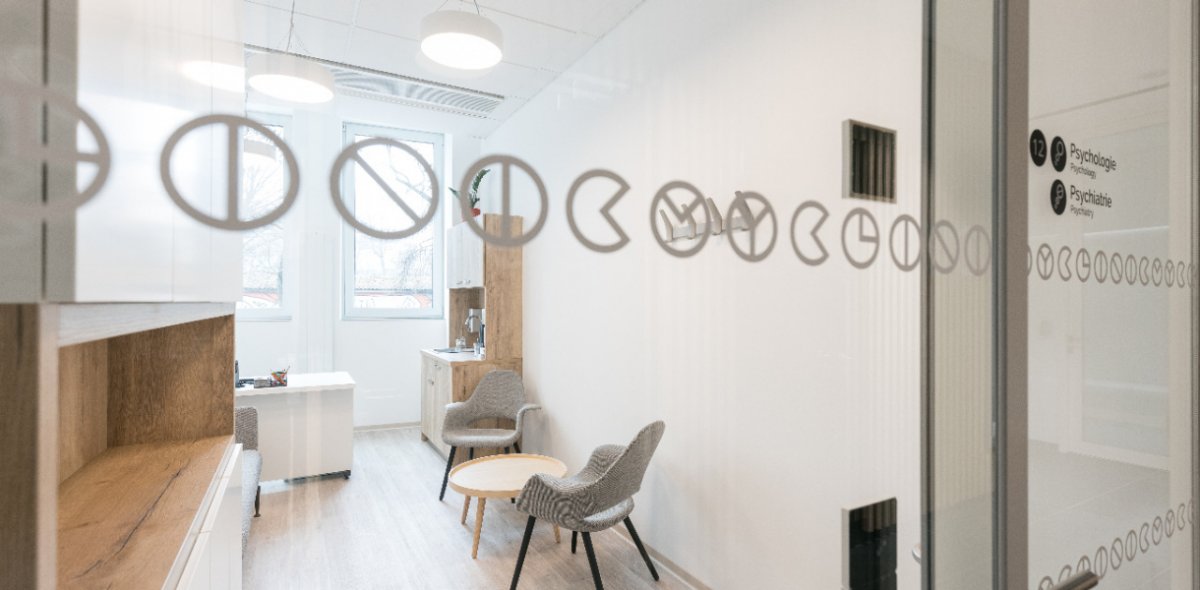



Premium Center of Gynecology and Obstetrics Neratovice
Artículos relacionados

¿Cuánto cuesta la cirugía de epilepsia?
Escrito por Ana Hurevska

Los 8 mejores centros de epilepsia del mundo: Ranking de pacientes Bookimed
Escrito por Ana Hurevska
Compartir contenido
Historias en video de pacientes de Bookimed
 Olena Sikoza
Preguntas frecuentes sobre el tratamiento de Epilepsia en República Checa
¿Qué tan seguras son las cirugías de epilepsia realizadas en la República Checa?
La cirugía de epilepsia en la República Checa es altamente segura. Los centros especializados reportan tasas de complicaciones mayores de entre el 3,5% y el 4,7%. Las clínicas modernas mantienen tasas de supervivencia del 99% para estos procedimientos. Instalaciones como el Hospital Universitario Motol siguen estrictos protocolos europeos y utilizan mapeo cerebral intraoperatorio avanzado.
- Tasas de éxito: Las resecciones del lóbulo temporal logran la ausencia de convulsiones en el 77% al 80% de los casos.
- Complicaciones mayores: Los datos recientes muestran un riesgo bajo de aproximadamente el 3,5% para problemas graves.
- Opciones mínimamente invasivas: Los procedimientos de estimulación del nervio vago (VNS) reportan tasas de complicaciones mayores del 0% en los estudios.
- Estándares de seguridad: Los centros utilizan la electroencefalografía estereotáctica (SEEG) asistida por robot para minimizar la invasividad quirúrgica y el trauma.
Perspectiva del experto de Bookimed: Aunque la seguridad es alta en todo el país, es mejor centrarse en centros de gran volumen como el Hospital Universitario Motol. Esta instalación gestiona más de 1.600 operaciones al año. Los grandes centros académicos a menudo mantienen tasas de infección mucho más bajas en comparación con los hospitales regionales más pequeños. Sus grandes equipos especializados reduc
¿Qué procedimientos para la epilepsia están disponibles para pacientes internacionales en la República Checa?
Los pacientes internacionales en la República Checa acceden a tratamientos avanzados para la epilepsia, incluyendo cirugía resectiva, estimulación cerebral profunda (DBS) y estimulación del nervio vago (VNS). Centros especializados en Praga y Brno ofrecen estos procedimientos para casos resistentes a los medicamentos. Evaluaciones diagnósticas como la SEEG y el cribado genético aseguran un mapeo quirúrgico preciso.
- Resección quirúrgica: Extirpación de áreas cerebrales que causan convulsiones con altas tasas de éxito.
- Neuroestimulación: Los implantes DBS y VNS utilizan impulsos eléctricos para gestionar las señales de las convulsiones.
- Procedimientos estereotácticos: La SEEG y la termocoagulación por radiofrecuencia proporcionan un enfoque mínimamente invasivo para localizar el foco de las convulsiones.
- Diagnóstico avanzado: Inclusión de estudios farmacogenéticos y resonancia magnética cerebral con contraste para la localización.
Perspectiva del experto de Bookimed: Aunque muchos pacientes se centran en la cirugía, la República Checa destaca por sus protocolos de diagnóstico integrales. Centros como el Hospital Universitario Motol realizan más de 300 cirugías relacionadas con la epilepsia al año. Este alto volumen en departamentos pediátricos y de adultos garantiza que los equipos tengan experiencia con casos complejos y resistentes a lo
¿Soy un candidato adecuado para la cirugía de epilepsia en la República Checa?
Los candidatos para la cirugía de epilepsia en la República Checa deben tener epilepsia farmacorresistente. Esto significa haber fallado con dos o más medicamentos anticonvulsivos tolerados. Los cirujanos requieren un foco convulsivo claramente identificable. Este foco se localiza mediante resonancia magnética de alta resolución y monitorización de video-EEG en centros especializados en Praga o Brno.
- Localización de las crisis: Los cirujanos requieren un foco claro y resecable mediante exploraciones PET o SPECT.
- Fallo del tratamiento: Los pacientes deben haber probado al menos 2 medicamentos sin lograr la ausencia de crisis.
- Evaluación de seguridad: Las pruebas neuropsicológicas aseguran que la cirugía no causará déficits cognitivos o de memoria significativos.
- Expectativa de resultados: Los especialistas aprueban la cirugía solo si el potencial de reducción de las crisis supera el 50%.
Perspectiva del experto de Bookimed: Mientras que muchos países se centran únicamente en la cirugía resectiva tradicional, los centros checos como el Hospital Universitario Motol utilizan un enfoque multidisciplinario más amplio. Los datos muestran un énfasis en la neuromodulación avanzada, incluida la estimulación cerebral profunda y la estimulación del nervio vago. Estas son opciones vitales para los pacientes cuyo foco convulsivo no puede ser eliminad
¿Qué resultados puedo esperar de manera realista de una cirugía de epilepsia en la República Checa?
Los pacientes que se someten a cirugía de epilepsia en la República Checa logran altas tasas de éxito. Aproximadamente el 80% de los niños alcanzan la libertad total de convulsiones. Los adultos con lesiones en el lóbulo temporal muestran resultados similares. Alrededor del 77% al 80% de estos pacientes permanecen libres de convulsiones. Los casos sin lesiones visibles ven éxito en el 42% al 54% de los pacientes.
- Reducción de convulsiones: Más del 84% de los pacientes ven una disminución del 50% en la frecuencia de las convulsiones.
- Objetivos de medicación: Aproximadamente el 65% de los pacientes con cirugía exitosa pueden suspender al menos un medicamento.
- Estabilidad a largo plazo: Casi el 58% de los pacientes permanecen libres de convulsiones incapacitantes después de 15 años.
- Resultados alternativos: La estimulación del nervio vago (ENV) reduce las convulsiones a la mitad para el 57% de los adultos.
Perspectiva del experto de Bookimed: Aunque muchos creen que la cirugía es la única opción, los centros checos como el Hospital Universitario Motol utilizan la estimulación del nervio vago (ENV) y la estimulación cerebral profunda (ECP). Estas técnicas de neuromodulación proporcionan una tasa de éxito del 40% al 57% para pacientes que no pueden someterse a una cirugía resectiva tradicional. Esta variedad permite una atención personalizad
¿Cuál es la recuperación típica y la estancia hospitalaria después de una cirugía de epilepsia en la República Checa?
Las estancias hospitalarias para la cirugía de epilepsia en la República Checa suelen durar alrededor de 7 días. Los pacientes generalmente pasan de 1 a 2 días en cuidados intensivos para su monitoreo. La recuperación completa suele tomar de 1 a 3 meses. La mayoría de las personas retoman actividades ligeras en un plazo de 2 a 8 semanas.
- Cuidados intensivos: Los pacientes pasan de 1 a 2 días en la UCI después de la cirugía.
- Estancia en planta: La recuperación continúa en una unidad estándar de neurocirugía durante aproximadamente 5 días.
- Baja laboral: Los médicos recomiendan de 1 a 3 meses de baja laboral según el caso.
- Recuperación inicial: La fatiga y los dolores de cabeza son comunes durante la primera semana postoperatoria.
Opinión de expertos de Bookimed: Los datos clínicos muestran que la preparación diagnóstica es tan importante como la cirugía misma. Los pacientes deben prepararse para una posible estancia de 14 días si se requiere un monitoreo de video-EEG prequirúrgico. Esta fase es esencial en centros como el Hospital Universitario Motol para localizar con precisión los focos convulsivos. Esto garantiza el menor tiempo quirúrgico posible y una transición más segura a la vía de recuperación postoperatoria estándar de 7 días.
Consenso de los pacientes: Los pacientes señalan que, aunque el dolor quirúrgic
¿Para qué pruebas preoperatorias deben prepararse los pacientes internacionales antes de viajar a la República Checa?
Los pacientes que visitan la República Checa para una cirugía de epilepsia necesitan exámenes neurodiagnósticos y de salud sistémica integrales. Los registros obligatorios incluyen una resonancia magnética cerebral 3T de alta resolución y resultados de video-EEG de telemetría a largo plazo. Las clínicas los requieren para localizar los focos convulsivos. Los paneles sanguíneos estándar y las evaluaciones de autorización cardíaca también son necesarios antes de cualquier intervención quirúrgica.
- Datos de imagen: Proporcione los archivos DICOM originales en una unidad portátil, no solo informes médicos.
- Pruebas neurológicas: Traiga estudios recientes de EEG de transición de vigilia a sueño y potenciales evocados visuales.
- Autorización quirúrgica: El hemograma completo, las pruebas de coagulación y el ECG deben tener menos de 30 días de antigüedad.
- Consultas con especialistas: Los estudios farmacogenéticos y el cribado genético ayudan a determinar el mejor enfoque quirúrgico o médico.
Perspectiva de expertos de Bookimed: Si bien los análisis de sangre básicos se pueden realizar el mismo día en las instalaciones checas, programar neuroimágenes avanzadas como la resonancia magnética 3T a menudo requiere reservar con varias semanas de anticipación. Centros como el Hospital Universitario Motol se especializan en diagnósticos complejos, pero lo
¿Serán visibles las incisiones o cicatrices después de una cirugía de epilepsia en la República Checa?
Las incisiones de la cirugía de epilepsia en la República Checa suelen ocultarse detrás de la línea natural del cabello. Los cirujanos utilizan una colocación estratégica y patrones de incisión ondulados para garantizar que las cicatrices permanezcan discretas. Las técnicas avanzadas, como las cirugías estereotácticas o la estimulación del nervio vago, implican puntos de entrada mínimos. La mayoría de las cicatrices se desvanecen significativamente en un plazo de 6 a 12 meses.
- Colocación de la incisión: Los cirujanos posicionan los cortes detrás de la línea del cabello para asegurar una cobertura natural con el pelo.
- Técnica quirúrgica: Las incisiones onduladas o en zigzag se alinean con el crecimiento del cabello para minimizar la visibilidad.
- Opciones mínimamente invasivas: Los procedimientos estereotácticos utilizan pequeñas aberturas del tamaño de una goma de borrar que dejan marcas mínimas.
- Cronología de curación: El enrojecimiento y la hinchazón generalmente se aplanan hasta convertirse en una línea tenue después de un año.
Perspectiva del experto de Bookimed: Los centros neuroquirúrgicos checos, como el Hospital Universitario Motol, se especializan en cirugías estereotácticas complejas. Estos procedimientos a menudo requieren solo pequeños orificios de trépano en lugar de grandes craneotomías. Este enfoque reduce significativamen