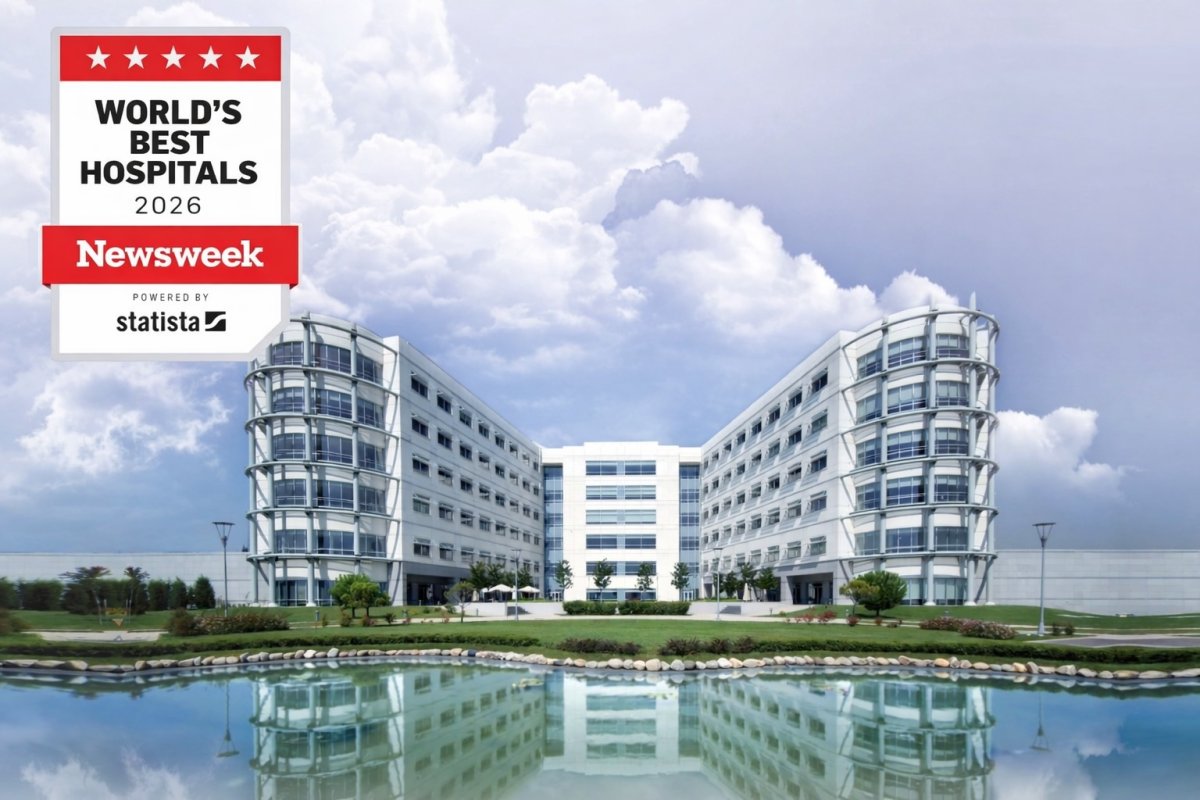
Centro médico Anadolu
Turquía, Estambul
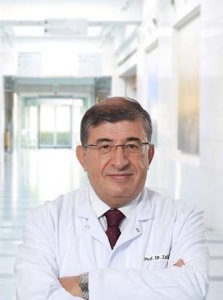
Zafer Gulbas
49 años de experiencia • 3315+ tratamientos realizados
acreditaciones : 
Clínica certificada por : 


Revisado médicamente por
Fahad Mawlood
El costo total del tratamiento del linfoma de Hodgkin en Turquía varía según su plan de tratamiento. Los diagnósticos completos, que incluyen análisis de sangre, PET/CT y biopsia de médula ósea, pueden variar de 3.800 € a 4.750 €. La quimioterapia por ciclo cuesta aproximadamente 1.425 €, con un adicional de 330 € para el protocolo de quimioterapia. Un trasplante autólogo de células madre tiene un precio de 30.850 €. El programa de tratamiento se personaliza según la evaluación individual del paciente por parte del equipo médico.
| España | Turquía | México | |
|---|---|---|---|
| Terapia biológica | ≈ $3,800 | ≈ $2,500 | ≈ $4,500 |
| Radioterapia para el cáncer colorrectal | de $7,500 | de $5,000 | ≈ $6,000 |
| Quimioterapia para el cáncer de mama | de $1,700 | de $3,000 | ≈ $4,500 |
| Quimioterapia | de $2,200 | de $1,800 | ≈ $2,500 |
| Inmunoterapia con Keytruda (Pembolizumab) | de $10,300 | de $3,900 | ≈ $3,800 |



El Prof. Dr. Zafer Gulbas ha realizado más de 900 procedimientos para el linfoma de Hodgkin y fundó el Centro de Trasplante de Médula Ósea en Anadolu.

El Dr. Bülent Karagöz se especializa en biología tumoral e inmunoterapia, aportando más de 33 años de experiencia enfocada en el tratamiento del linfoma de Hodgkin en el Anadolu Medical Center.
El Prof. Sevindik ha publicado 18 artículos en revistas internacionales revisadas por pares y ha presentado 26 resúmenes en conferencias mundiales.

El profesor Bulent Eser se especializa en hematología y cuenta con más de 36 años de experiencia en el tratamiento del linfoma de Hodgkin. Trabaja en el complejo hospitalario Medical Park Antalya.

 Olena Sikoza
El tratamiento del linfoma de Hodgkin en Turquía alcanza una tasa de supervivencia a 5 años del 90% para casos estándar. Los centros especializados reportan una tasa de supervivencia del 79.4% para enfermedades recidivantes. Los hematólogos turcos utilizan instalaciones acreditadas por la JCI y protocolos internacionales como ABVD e inmunoterapia para mantener estos altos estándares de eficacia.
Perspectiva de expertos de Bookimed: El éxito en Turquía está impulsado por centros de médula ósea con alto volumen de pacientes. El Anadolu Medical Center atiende a 65,000 pacientes al año y está afiliado a Johns Hopkins. Esta profundidad clínica permite a los cirujanos mantener una tasa de éxito del 81% específicamente para trasplantes autólogos. Busque centros con oncólogos certificados por la ESMO, como los del Hospital Gayrettepe Florence Nightingale, para garantizar el cumplimiento de los protoco
El tratamiento basado en evidencia para el linfoma de Hodgkin en Turquía sigue las directrices internacionales de la ESMO y la NCCN. Los protocolos priorizan la quimioterapia basada en ABVD y la estadificación mediante PET-CT para determinar la intensidad de la terapia. Los centros acreditados por la JCI, como el Anadolu Medical Center, utilizan juntas tumorales para coordinar la quimioterapia, la radioterapia de sitio involucrado o los trasplantes autólogos de células madre.
Perspectiva de expertos de Bookimed: Los centros de hematología turcos ofrecen experiencia de alto nivel a tasas accesibles, como consultas de quimioterapia desde aproximadamente $2,700
Las estancias hospitalarias para trasplantes autólogos de células madre en Turquía suelen durar entre 14 y 28 días. Esta duración abarca la quimioterapia de acondicionamiento de alta dosis, la infusión de células madre y la fase crítica de prendimiento (engraftment). Los pacientes permanecen hospitalizados hasta que su recuento absoluto de neutrófilos alcanza niveles seguros para prevenir infecciones.
Perspectiva de expertos de Bookimed: Los datos sugieren que elegir centros con un alto volumen de pacientes afecta significativamente la eficiencia. El Dr. Zafer Gulbas, en el Centro Médico Anadolu, ha realizado más de 1,500 trasplantes y reporta una tasa de éxito del 81% específicamente para procedimientos autólogos. Los equipos experimentados como el suyo a menudo manejan la fase de prendimiento de manera más predecible, lo que puede evitar extensiones inesperadas de la estancia de 3 se
Los centros oncológicos turcos ofrecen un apoyo integral en inglés a través de departamentos dedicados a pacientes internacionales. Instalaciones como el Centro Médico Anadolu emplean intérpretes profesionales y coordinadores personales. Estos servicios aseguran una comunicación clara durante consultas complejas sobre linfoma de Hodgkin, procedimientos de diagnóstico y sesiones de quimioterapia de múltiples ciclos.
Opinión del experto de Bookimed: El Centro Médico Anadolu destaca por su apoyo en inglés debido a su asociación directa, acreditada por la JCI, con Johns Hopkins Medicine. Su alto volumen de más de 65.000 pacientes anuales crea un entorno altamente estandarizado para la terminología médica en inglés y los protocolos de atención al paciente internacional.
Consenso de los pacientes: Los pacientes señalan que, aunq