Nefroblastoma (tumor de Wilms) en Turquía: las 17 mejores clínicas para su tratamiento


Revisado médicamente por
Fahad Mawlood
Cómo funciona
¿Cuál es el precio del diagnóstico y los tratamientos de Nefroblastoma (tumor de Wilms) en Turquía? Descubra ahora
El costo del tratamiento del tumor de Wilms (nefroblastoma) en Turquía varía según el plan de tratamiento y las necesidades específicas del paciente. Un escaneo PET-CT tiene un precio de 950 €. Las sesiones de quimioterapia varían de 2.470 € a 10.740 €, dependiendo de la semana de tratamiento. Un paquete de trasplante de células madre autólogas cuesta 30.400 €. El plan de tratamiento se adapta al individuo después de una evaluación exhaustiva por parte del equipo médico.
| España | Turquía | México | |
|---|---|---|---|
| Radioterapia para el cáncer colorrectal | de $7,500 | de $5,000 | ≈ $6,500 |
| Quimioterapia para el cáncer de mama | de $1,700 | de $1,900 | ≈ $4,500 |
Descubra las mejores clínicas de tratamiento de Nefroblastoma (tumor de Wilms) en Turquía: 17 opciones verificadas y Precios







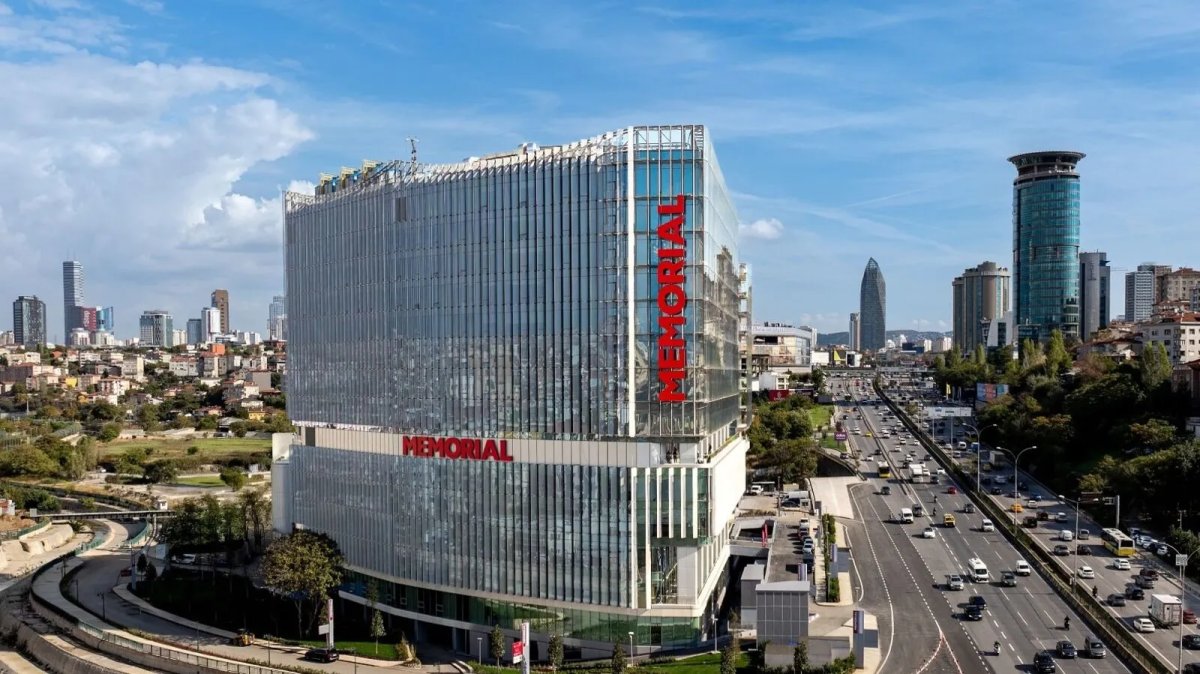
Memorial Göztepe Hospital


Memorial Ankara Hospital



Obtenga una evaluación médica de tratamiento de Nefroblastoma (tumor de Wilms) en Turquía: haga una consulta con 13 médicos experimentados ahora
Ver todos los médicos
Ceyhun Bozkurt
El profesor Ceyhun Bozkurt dirige la Clínica de Hematología y Oncología Pediátrica en el Hospital Medical Park Bahcelievler, con experiencia en cánceres infantiles.
- Especializado en oncología pediátrica desde 2004
- Formado en el Dana-Farber Cancer Institute de Harvard en neurooncología
- Autor de más de 40 artículos revisados por pares sobre cánceres pediátricos
- Subdirector de la Unidad de Trasplante de Células Madre
- Miembro de la Sociedad Internacional de Oncología Pediátrica (SIOP)
Ali Gozukucuk
El doctor se graduó de la Facultad de Medicina de la Universidad de Çukurova y completó una beca en Cirugía Pediátrica en la Universidad de Erciyes. Con un enfoque en la cirugía pediátrica, el doctor se especializa en condiciones como hernias inguinales y umbilicales, apendicitis, estreñimiento, fisuras anales, hemorroides, uñas encarnadas y anquiloglosia. El doctor ha publicado tres artículos en revistas internacionales revisadas por pares y ha presentado 13 artículos en reuniones científica
Yesim Yildirim
La profesora Yesim Yıldırım se especializa en inmunoterapia contra el cáncer y terapias dirigidas en el Anadolu Medical Center.
- Más de 80 publicaciones internacionales, incluida la coautoría en manuales de oncología
- Certificada por la ESMO con formación avanzada en el Mount Vernon Cancer Center
- Profesora en la Universidad Haliç, combina la práctica clínica con el liderazgo académico
- MBA en Gestión Sanitaria: comprende la atención al paciente desde una perspectiva administrativa
Reseñas
Todas las reseñasCompartir contenido
Historias en video de pacientes de Bookimed
 Olena Sikoza
Preguntas frecuentes sobre el tratamiento de Nefroblastoma (tumor de Wilms) en Turquía
¿Por qué Turquía es un destino preferido para el tratamiento del tumor de Wilms?
Turquía es un destino principal para el tratamiento del tumor de Wilms debido a sus hospitales acreditados por la JCI y al acceso inmediato a la atención. Los centros especializados ofrecen protocolos de diagnóstico integrales como la gammagrafía. Las familias se benefician de expertos en oncología quirúrgica formados en instituciones internacionales líderes. La atención oncológica pediátrica de alta calidad sigue siendo accesible sin largas listas de espera.
- Instalaciones acreditadas: El Centro Médico Anadolu cuenta con certificaciones de la Joint Commission International (JCI) y ESMO.
- Cirujanos expertos: El Dr. Murat Cakar se especializa en cirugía compleja de cáncer intraabdominal en niños.
- Tecnología avanzada: Las clínicas utilizan MR Linac y TC de 512 cortes para una estadificación precisa del tumor.
- Programación rápida: Los pacientes a menudo comienzan los protocolos de tratamiento sin los retrasos comunes en Europa Occidental.
Perspectiva del experto de Bookimed: Un factor diferenciador importante en la oncología turca es la asociación con líderes globales. Por ejemplo, el Centro Médico Anadolu está afiliado al Hospital Johns Hopkins. Esto asegura que los protocolos pediátricos se alineen con los estándares más altos de EE. UU. manteniendo la eficiencia de los centros privados de Estambul. Esta sinergia a menudo resulta en una ta
¿Cuáles son las tasas generales de éxito para el tumor de Wilms en hospitales turcos?
Los centros oncológicos turcos informan una tasa de supervivencia general del 81,2 % para el tumor de Wilms. Los centros especializados alcanzan tasas de éxito superiores al 90 % en casos de etapa temprana. El tratamiento implica atención multidisciplinaria, que incluye cirugía y quimioterapia. Los hospitales líderes mantienen la acreditación de la Joint Commission International para protocolos de cáncer pediátrico.
- Supervivencia general: Los datos de investigación turcos muestran una tasa de supervivencia a 5 años del 81,2 %.
- Éxito en etapa temprana: Las clínicas especializadas informan más del 90 % de éxito para tumores localizados.
- Herramientas de tratamiento: Los centros utilizan tomografías computarizadas y gammagrafías para la estadificación.
- Estándares de acreditación: Centros como el Hospital Memorial Sisli cuentan con la acreditación de la Joint Commission International.
Opinión experta de Bookimed: Las tasas de éxito en Turquía son altas porque los centros principales reflejan los protocolos de EE. UU. El Centro Médico Anadolu está afiliado al Hospital Johns Hopkins. Esta conexión garantiza que los pacientes reciban atención oncológica avanzada. La mayoría de los pacientes eligen los centros de Estambul. Estos hospitales atienden a más de 65,000 pacientes internacionales anualmente. Este alto volumen genera una experiencia qui
¿Qué plan de tratamiento multidisciplinario se sigue para el tumor de Wilms?
El plan multidisciplinario para el tumor de Wilms involucra a oncólogos pediátricos, cirujanos y especialistas en radiación para coordinar la atención. El tratamiento generalmente sigue los protocolos SIOP o COG. Estos combinan la nefrectomía quirúrgica con quimioterapia estratificada por riesgo. Algunos casos requieren radiación dirigida. Este enfoque integral genera tasas de supervivencia del 90% para casos localizados.
- Resección quirúrgica: La nefrectomía radical elimina el riñón y el tumor para prevenir la ruptura.
- Protocolos de quimioterapia: Los médicos usan medicamentos como vincristina para reducir los tumores o eliminar remanentes.
- Radioterapia: Los haces de precisión se dirigen a tumores de etapa alta mientras se preservan los tejidos sanos en desarrollo.
- Estadificación patológica: Los especialistas analizan la histología para determinar si el tumor es favorable o desfavorable.
Opinión experta de Bookimed: Los centros oncológicos turcos como Memorial Göztepe utilizan juntas de tumores multidisciplinarias para la revisión inmediata de los casos. Estas juntas a menudo incluyen cirujanos como el Dr. Murat Cakar, quien se especializa en cáncer intraabdominal. Este entorno colaborativo en centros acreditados por la JCI garantiza que los pacientes reciban planes personalizados que combinan cirugía y terapia sistémica.
¿Cuánto dura típicamente el curso completo de tratamiento?
El tratamiento del tumor de Wilms en Turquía generalmente abarca de 3 a 12 meses, dependiendo del estadio y la patología. Un curso estándar incluye estudios diagnósticos, resección quirúrgica y varios ciclos de quimioterapia. Los casos complejos que involucran enfermedad bilateral o metástasis a menudo requieren protocolos extendidos de radioterapia y terapia sistémica.
- Fase diagnóstica: Las imágenes integrales y el análisis de sangre suelen tomar de 3 a 5 días.
- Recuperación quirúrgica: La hospitalización después de la extirpación del tumor suele durar de 5 a 7 días.
- Curso de quimioterapia: Los ciclos se centran en 4 a 8 sesiones que se extienden durante 3 a 6 meses.
- Ciclo de seguimiento: Los escaneos periódicos y las consultas oncológicas continúan durante meses después del tratamiento principal.
Perspectiva del experto de Bookimed: Si bien muchos creen que la cirugía pediátrica es la fase más larga, los datos de clínicas como Memorial Şişli muestran que la recuperación es relativamente rápida. La duración real depende de los resultados patológicos, que dictan si la quimioterapia dura 18 o más de 30 semanas. Expertos como el Dr. Murat Cakar en el İstinye University Liv Hospital Topkapı a menudo gestionan estas transiciones quirúrgicas y oncológicas a largo plazo dentro de una misma instalación.
Consenso del paciente: