Tumor de la glándula salival en Turquía: las 5 mejores clínicas para su tratamiento


Revisado médicamente por
Fahad Mawlood
Cómo funciona
¿Cuál es el precio del diagnóstico y los tratamientos de Tumor de la glándula salival en Turquía? Descubra ahora
Descubra las mejores clínicas de tratamiento de Tumor de la glándula salival en Turquía: 5 opciones verificadas y Precios






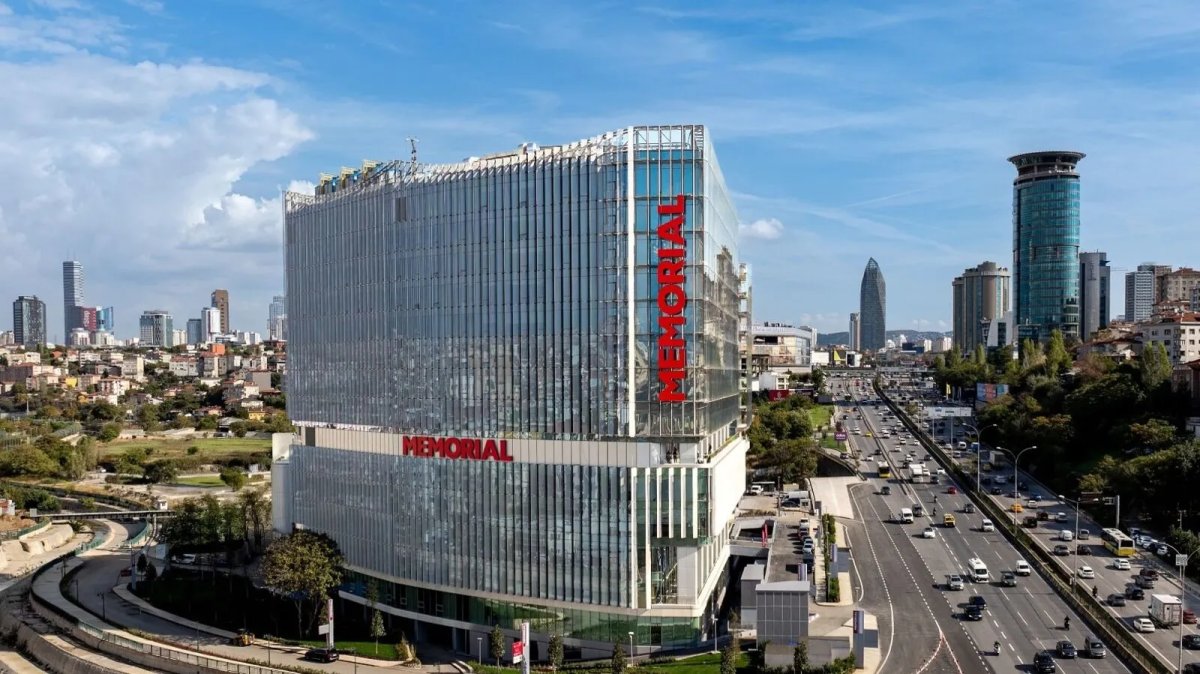
Memorial Göztepe Hospital
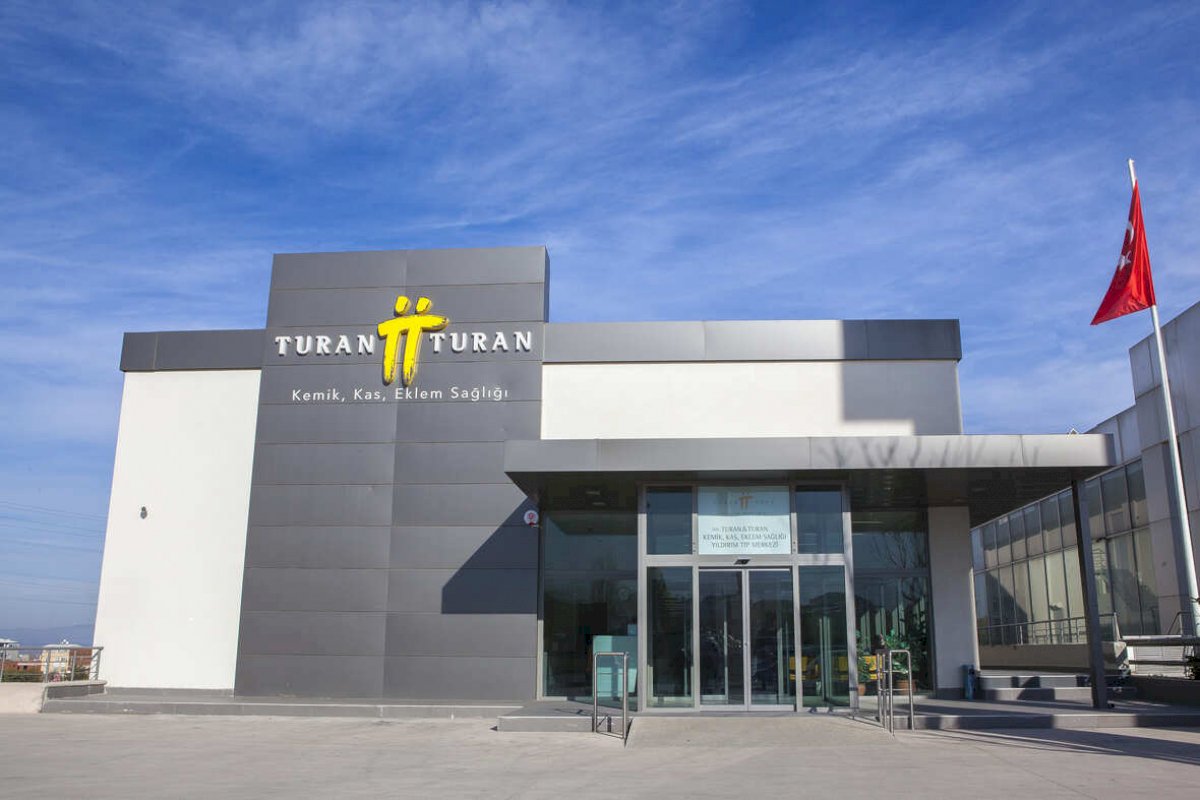
Turan Turan Health Group
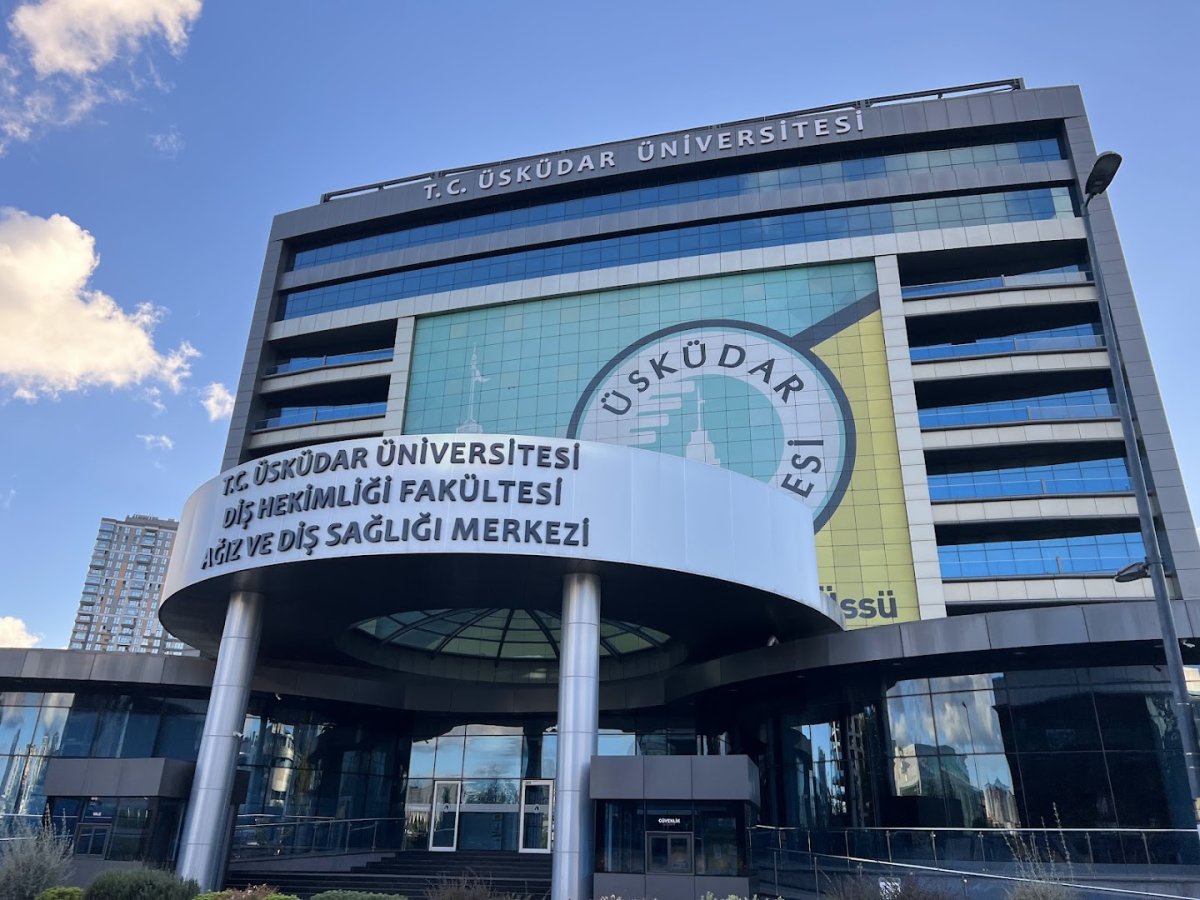
Üsküdar University Dental Hospital
Obtenga una evaluación médica para Tumor de la glándula salival en Turquía: consulte con doctores experimentados ahora
Ver todos los médicos
Halil Alis
El Dr. Halil Alis es cirujano gastrointestinal y director médico en VM Medical Park Florya. Es instructor de cirugía robótica utilizando el sistema Da Vinci. El Dr. Alis trata la obesidad, las afecciones colorrectales y las enfermedades digestivas complejas. Es autor de más de 70 artículos científicos en revistas médicas internacionales.
- Miembro activo de SAGES, EAES, IASGO, ISSO e IFSO.
- Realiza cirugías robóticas de manga gástrica y bypass con el sistema Da Vinci.
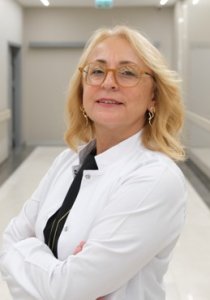
Selin Kapan
La profesora Selin Kapan es profesora de Cirugía General desde 2017. Actualmente trabaja en la Universidad Aydın de Estambul, Facultad de Medicina, Departamento de Cirugía General (2022–actualidad). Anteriormente trabajó en el Hospital de Formación e Investigación Bakırköy Dr. Sadi Konuk como especialista y profesora asociada. También se desempeñó como supervisora de docencia y administración en el Hospital de Formación e Investigación Kanuni Sultan Süleyman. Además, fue coordinadora médica y
Compartir contenido
Historias en video de pacientes de Bookimed
 Olena Sikoza
Preguntas frecuentes sobre el tratamiento de Tumor de la glándula salival en Turquía
¿Cuáles son los principales métodos de tratamiento para los tumores de las glándulas salivales en Turquía?
El tratamiento de los tumores de las glándulas salivales en Turquía se centra en la resección quirúrgica combinada con protocolos oncológicos avanzados. Los centros especializados priorizan la preservación del nervio facial durante la parotidectomía. Las juntas multidisciplinarias de tumores en instalaciones como el Hospital Memorial Göztepe adaptan las terapias utilizando sistemas robóticos, radiación MR Linac e inmunoterapia para casos malignos complejos.
- Resección quirúrgica: Los cirujanos realizan la extirpación parcial o total de la glándula para eliminar el tumor primario.
- Preservación nerviosa: Las técnicas especializadas protegen el nervio facial para mantener una función muscular normal.
- Radiación avanzada: La tecnología MR Linac proporciona un enfoque preciso para neoplasias malignas de alto grado o recurrentes.
- Asistencia robótica: Sistemas como da Vinci XI permiten enfoques mínimamente invasivos para tumores accesibles.
- Terapia sistémica: La terapia dirigida y la quimioterapia tratan las etapas avanzadas o la progresión de la enfermedad metastásica.
Perspectiva del experto de Bookimed: Los centros oncológicos turcos suelen integrar tecnología diagnóstica y quirúrgica en quirófanos híbridos. El Hospital Memorial Göztepe utiliza tomografía computarizada de 512 cortes y resonancia magnética de 3 Tesla
¿Es arriesgada la cirugía para tumores de las glándulas salivales?
La cirugía para tumores de las glándulas salivales suele ser exitosa. Los riesgos implican principalmente la proximidad al nervio facial. Si bien entre el 10% y el 20% de los pacientes experimentan debilidad temporal, el 99% evita la parálisis permanente. Los especialistas en Turquía utilizan juntas multidisciplinarias e imágenes avanzadas para garantizar la seguridad y precisión durante la extirpación del tumor.
- Protección nerviosa: Los cirujanos utilizan monitorización intraoperatoria para identificar y preservar la función del nervio facial.
- Debilidad temporal: La mayoría de las asimetrías o debilidades relacionadas con los nervios se resuelven por completo en un plazo de 6 a 9 meses.
- Síndrome de Frey: Este raro efecto secundario a largo plazo provoca sudoración facial solo al comer.
- Enfoque en la recuperación: El entumecimiento posoperatorio o la acumulación de líquido suelen desaparecer en unas pocas semanas.
Perspectiva del experto de Bookimed: Los datos sugieren que los centros de gran volumen como el Hospital Memorial Göztepe ofrecen resultados más seguros. Esta instalación integra tomografía computarizada de 512 cortes y resonancia magnética de 3 Tesla para un mapeo preciso. Los casos complejos se benefician de juntas de tumores donde colaboran 39 departamentos. Este enfoque multidisciplinario ayuda a los cirujanos a planificar
¿Cómo determinan los médicos en Turquía si un tumor de glándula salival es canceroso?
Los médicos en Turquía determinan si un tumor de glándula salival es canceroso mediante diagnóstico por imagen y biopsia de tejido. Los centros especializados utilizan RM de 3 Teslas y TC de 512 cortes para localizar masas. Los patólogos luego realizan una aspiración con aguja fina o biopsias por punción para identificar células malignas y guiar la cirugía.
- Tecnología de imagen: La TC de 512 cortes y la RM de 3 Teslas ayudan a definir los bordes del tumor claramente.
- Biopsia celular: La aspiración con aguja fina (FNA) recolecta células para verificar la malignidad microscópicamente.
- Análisis patológico: Patólogos especializados diferencian entre células salivales benignas y malignas de alto grado.
- Estadificación del cáncer: La imagen PET/TC digital determina si las células malignas se han extendido a otras partes.
Perspectiva del experto de Bookimed: Centros avanzados como el Memorial Göztepe Hospital utilizan comités multidisciplinarios de tumores para verificar los resultados. Esto es crucial porque las biopsias preliminares para tumores salivales a veces pueden ser inconclusas. Un comité de tumores asegura que los radiólogos y cirujanos revisen los mismos datos antes de comenzar procedimientos complejos que preservan los nervios.
Consenso de los pacientes: Los pacientes señalan que una biopsia rara vez es la ú
¿Cuál es la tasa de éxito del tratamiento de glándulas salivales en Turquía?
El tratamiento de glándulas salivales en Turquía muestra una tasa de éxito del 100% para la eliminación endoscópica de cálculos. Las cirugías de tumores benignos reportan un 79% de satisfacción del paciente. Los resultados en tumores malignos varían según el estadio, con tasas de supervivencia a 1 año que alcanzan el 79%. Los centros especializados utilizan sistemas robóticos da Vinci y comités multidisciplinarios de tumores para garantizar la precisión.
- Éxito de la sialendoscopia: La eliminación mínimamente invasiva de cálculos logra una resolución de síntomas del 100% en los pacientes.
- Cicatrices ductales: Los estudios realizados en Turquía reportan una tasa de éxito del 70% para el tratamiento de cicatrices ductales.
- Cuidado de tumores benignos: Aproximadamente el 79% de los pacientes reportan alta satisfacción después de la cirugía de glándula parótida.
- Supervivencia al cáncer: Las tasas de supervivencia a cinco años para tumores malignos de glándulas salivales promedian alrededor del 45%.
Perspectiva del experto de Bookimed: El éxito en Turquía depende del volumen quirúrgico y la disponibilidad de tecnología. El Memorial Göztepe Hospital, por ejemplo, integra comités multidisciplinarios de tumores y sistemas robóticos da Vinci XI. Especialistas como el Dr. Halil Alis han utilizado sistemas robóticos desde 2010. Esta profundidad tec
¿Qué implica el seguimiento post-tratamiento en Turquía?
El seguimiento post-tratamiento para tumores de glándulas salivales en Turquía incluye la supervisión del sitio quirúrgico y la revisión patológica. Los pacientes suelen permanecer de 5 a 7 días para la retirada de drenajes y revisión de heridas. Centros especializados como el Memorial Göztepe Hospital utilizan TC de 512 cortes y PET/TC digital para confirmar la eliminación del tumor antes de dar el alta al paciente.
- Revisión patológica: Los especialistas explican los hallazgos de los márgenes y los tipos de tumor para determinar el cuidado posterior.
- Evaluación física: Los cirujanos realizan revisiones finales en persona para retirar puntos o drenajes quirúrgicos.
- Protocolos de imagen: Los centros utilizan RM de 3 Teslas con soporte de IA para verificar la eliminación exitosa del tumor.
- Monitoreo remoto: Los equipos turcos coordinan la recuperación a largo plazo mediante videollamadas y revisión de fotos digitales.
Perspectiva del experto de Bookimed: Los comités multidisciplinarios de tumores son el estándar en las principales instalaciones de Estambul, como el Memorial Göztepe Hospital. Estos comités aseguran que los planes de seguimiento no sean solo quirúrgicos. Combinan la experiencia de más de 90 médicos para decidir si es necesaria una radioterapia inmediata o vigilancia oncológica.
Consenso de los pacientes:
¿Por qué elegir Turquía para el tratamiento de tumores de las glándulas salivales?
Turquía es un destino líder para el tratamiento de tumores de las glándulas salivales debido a su experiencia quirúrgica especializada y tecnología avanzada. Los centros turcos utilizan monitoreo del nervio facial para proteger las expresiones faciales durante la parotidectomía. Los pacientes se benefician de juntas multidisciplinarias de tumores y centros acreditados por la JCI que siguen estándares de seguridad internacionales para la oncología.
- Preservación nerviosa: Los cirujanos utilizan monitoreo intraoperatorio para prevenir la debilidad del nervio facial durante la extirpación del tumor.
- Diagnóstico avanzado: Centros como el Hospital Memorial Göztepe utilizan resonancia magnética de 3 Teslas asistida por IA para un mapeo preciso.
- Experiencia especializada: La Prof. Dra. Selin Kapan del Hospital Liv de la Universidad İstinye publica sobre casos complejos de glándulas salivales.
- Atención multidisciplinaria: Los planes de tratamiento son verificados por juntas de oncología, patología y cirugía para garantizar su precisión.
Perspectiva de expertos de Bookimed: Los hospitales turcos como Memorial Göztepe integran tecnología PET/CT digital y MR Linac dentro de centros oncológicos de 81 000 m². Esta escala les permite gestionar casos complejos submandibulares y parotídeos que clínicas más pequeñas podrían derivar a otros lugares. La pr