Tratamiento de Lesión cerebral traumática en Turquía — obtenga 3 coincidencias personalizadas de clínicas


Revisado médicamente por
Fahad Mawlood
Cómo funciona
¿Cuál es el precio del diagnóstico y los tratamientos de Lesión cerebral traumática en Turquía? Descubra ahora
El costo del tratamiento de lesiones cerebrales traumáticas en Turquía generalmente incluye evaluaciones diagnósticas como una consulta con un neurólogo que oscila entre $100 y $100. Los procedimientos esenciales como la rehabilitación hospitalaria van desde Precio a consultar hasta Precio a consultar, con programas integrales de un mes que promedian entre Precio a consultar y Precio a consultar. Los gastos totales dependen de la gravedad de la lesión, los requisitos de terapia robótica y la elección de la clínica. Los pacientes a menudo ahorran entre un 40 y un 70% en comparación con los precios de EE. UU. Los principales centros de tratamiento se encuentran en Estambul, Bursa y Ankara.
Costos típicos del tratamiento de lesiones cerebrales traumáticas en Turquía
- Consulta con un neurólogo: $100 – $100
- Rehabilitación tras una lesión cerebral traumática: Precio a consultar
- Rehabilitación hospitalaria: Precio a consultar
- Rehabilitación integral: Precio a consultar
- Rehabilitación con Lokomat: $300 – $400
- Rehabilitación con exoesqueleto: $4,000 – $7,000
- Terapia Bobath: Precio a consultar
- Terapia Vojta: $200 – $300
- Rehabilitación en verticalizador: Precio a consultar
- Terapia Snoezelen: $200 – $300
Perspectiva de los expertos de Bookimed: Los pacientes que requieren neurorrehabilitación avanzada encuentran la mejor relación calidad-precio en centros multidisciplinarios con capacidades robóticas. El Hospital Memorial Göztepe es ideal para casos complejos. Cuenta con el sistema robótico Lokomat y resonancia magnética de 3 Teslas asistida por IA para un monitoreo preciso. Para fisioterapia especializada, clínicas como Romatem en Bursa ofrecen terapeutas dedicados como Esin Selimoğlu. Estas instalaciones brindan atención de alto nivel a una fracción de los costos occidentales.
| España | Turquía | México | |
| Terapia de caricias | de $350 | de $200 | de $250 |
| Terapia Vojta | de $150 | de $200 | de $250 |
| Rehabilitación con sistema Re-step | de $1,800 | de $230 | de $2,000 |
| Rehabilitación con Exoesqueleto | de $9,000 | de $4,000 | de $7,000 |
| Rehabilitación con "Lokomat" | de $2,500 | de $300 | de $1,800 |
Descubra las mejores clínicas de tratamiento de Lesión cerebral traumática en Turquía: 5 opciones verificadas y Precios



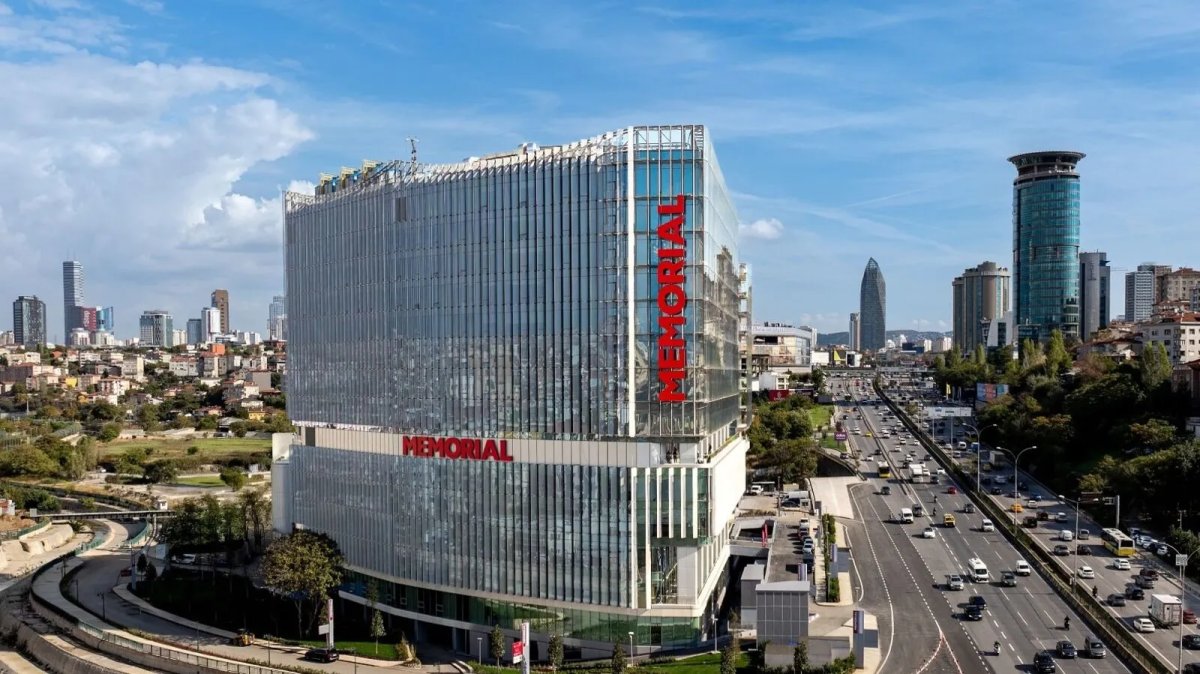
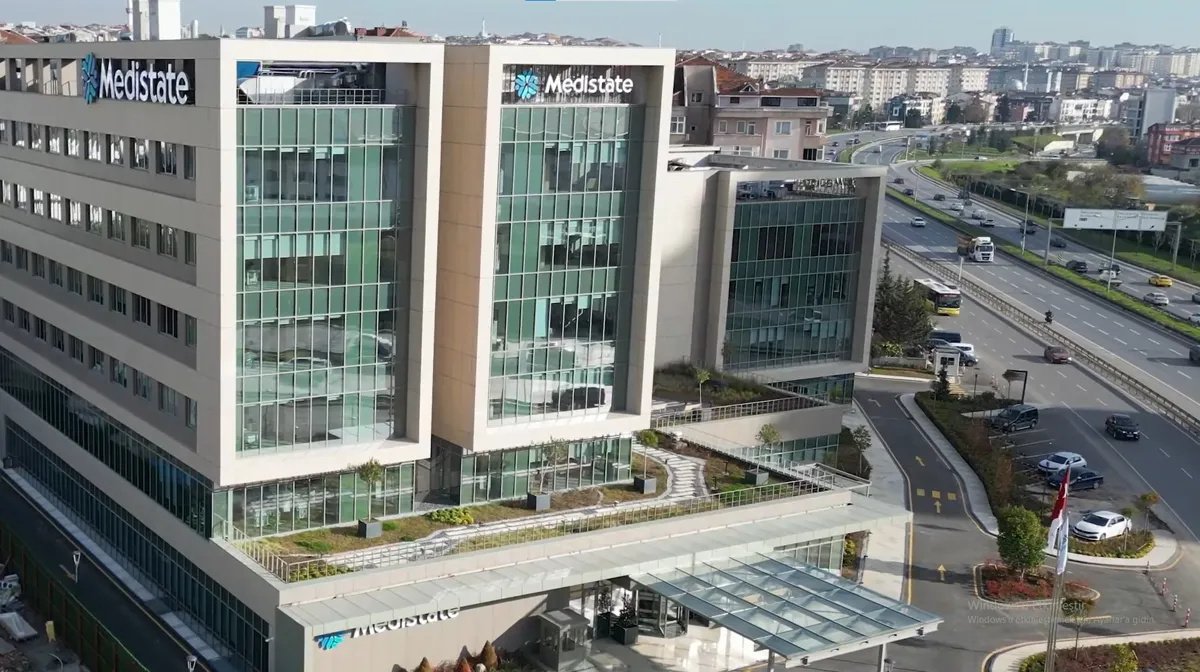
Memorial Göztepe Hospital
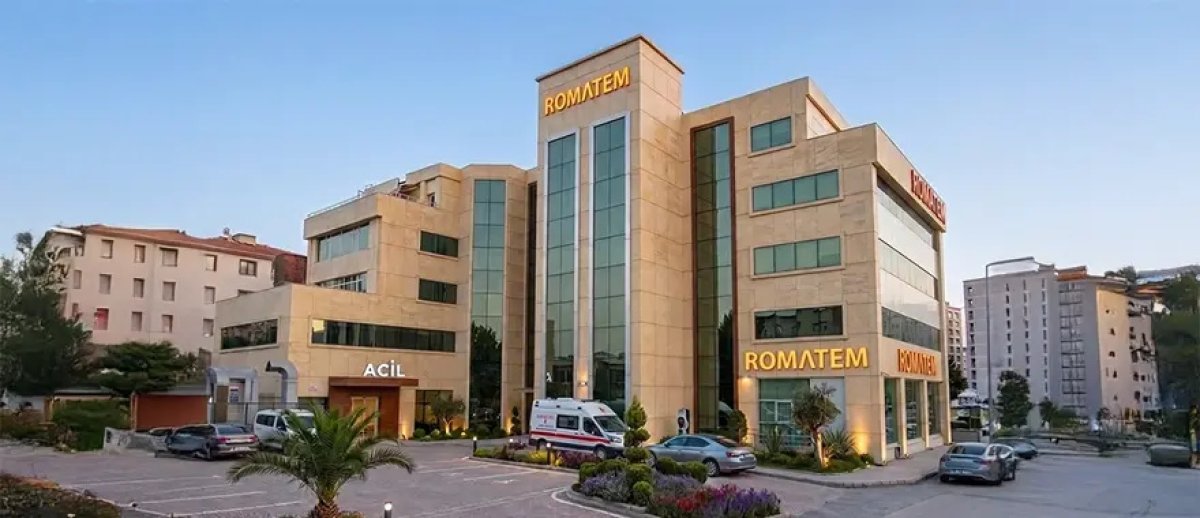
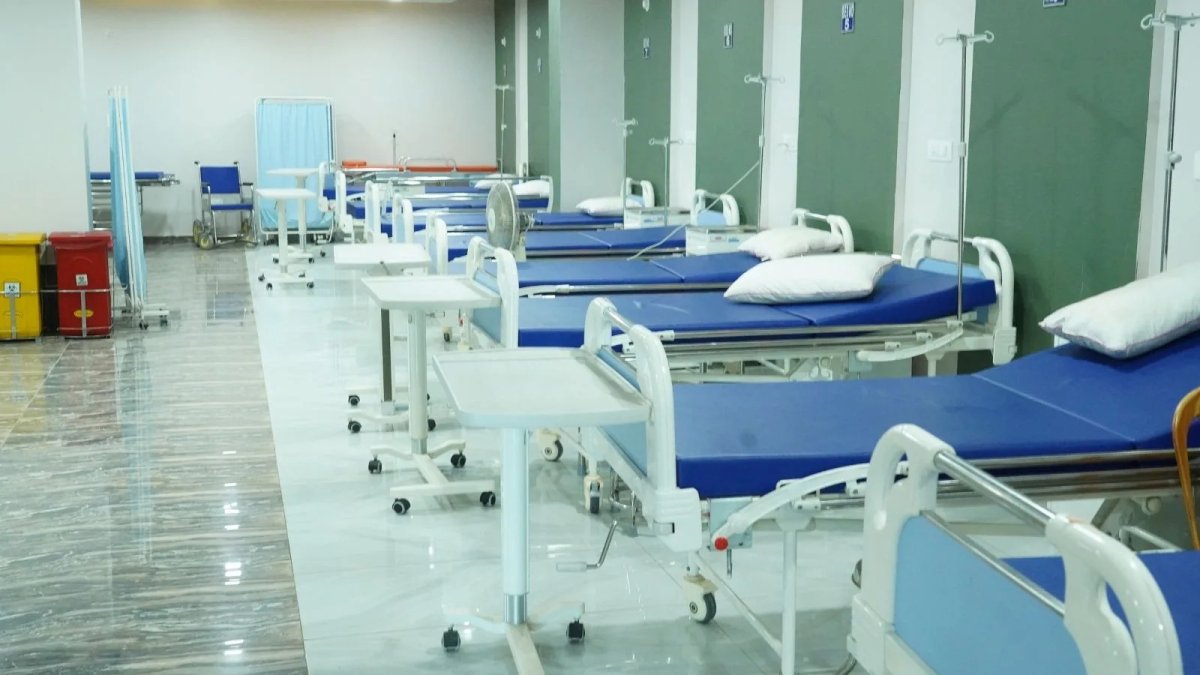
Romatem Move Çamlıca | Physical Therapy and Rehabilitation Hospital
Prof. Dr. İlknur EROL Pediatric Neurology Clinic
Obtenga una evaluación médica para Lesión cerebral traumática en Turquía: consulte con doctores experimentados ahora
Ver todos los médicos
Turkan Tunerir
Gunesh Yavuzer
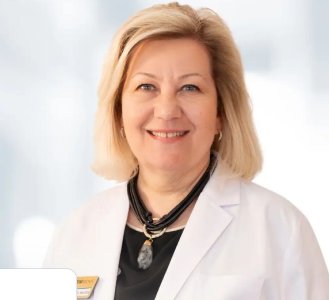
El Prof. Dr. Güneş Yavuzer es profesor de Medicina Física y Rehabilitación. Ostenta este título desde 2011. También es médico sénior en los Centros de Rehabilitación ROMATEM. Obtuvo el título de médico y la especialidad en Medicina Física y Rehabilitación en la Universidad de Ankara. Completó un doctorado en la Universidad Erasmus, en los Países Bajos.
Se centra en la rehabilitación neurológica y ortopédica. Sus áreas clínicas incluyen el ictus, la lesión medular, la esclerosis múltipl

Nurten Kuchukchakir
El doctor es un especialista en Fisioterapia y Rehabilitación con experiencia y Médico Jefe con un enfoque en la rehabilitación neurológica, ortopédica y musculoesquelética. El doctor tiene experiencia en técnicas de tratamiento avanzadas como la rehabilitación robótica, el manejo del dolor y las terapias integrativas.<\/p>
Graduado de la Facultad de Medicina de la Universidad de Uludağ, el doctor completó una especialización en Medicina Física y Rehabilitación. Desde 2014, el doc
Compartir contenido
Historias en video de pacientes de Bookimed
 Olena Sikoza
Preguntas frecuentes sobre el tratamiento de Lesión cerebral traumática en Turquía
¿Por qué elegir Turquía para el tratamiento y la rehabilitación de lesiones cerebrales traumáticas?
Turquía ofrece una rehabilitación avanzada de lesiones cerebrales traumáticas a través de instalaciones acreditadas por la JCI y tecnología robótica especializada. Los pacientes acceden a programas de alta intensidad que incluyen entrenamiento con Lokomat, trajes de exoesqueleto y el sistema Vector Gait. Estos centros clínicos reportan una tasa de eficacia del 85% en la mejora de la condición del paciente tras un trauma neurológico grave.
- Tecnología robótica: Las clínicas utilizan sistemas Lokomat, Re-step y TheraSuit para la recuperación intensiva de la marcha y la motricidad.
- Experiencia especializada: Médicos como la Dra. Nurten Kuchukchakir cuentan con formación avanzada en inyecciones musculoesqueléticas guiadas por ultrasonido.
- Terapia integral: Los programas integran terapia Snoezelen, técnicas Bobath y terapia Vojta para una recuperación sensorial holística.
- Instalaciones acreditadas: Hospitales modernos como Memorial Göztepe cuentan con resonancia magnética de 3 Tesla asistida por IA y PET/CT digital.
Perspectiva del experto de Bookimed: Una ventaja distintiva en Turquía es la concentración de centros de rehabilitación especializados como Romatem, donde el médico jefe suele tener certificaciones avanzadas tanto en medicina física como en inyectables neurológicos específicos. Esta doble experiencia garantiza que el manejo de la
¿Qué tipos de terapias se utilizan en las clínicas turcas para las lesiones cerebrales traumáticas?
Las clínicas turcas tratan las lesiones cerebrales traumáticas utilizando protocolos multidisciplinarios que integran el entrenamiento robótico de la marcha y la rehabilitación neurológica. Los especialistas combinan equipos avanzados como el Lokomat y la cinta de correr antigravedad con las terapias tradicionales de Bobath y Vojta para mejorar la función motora. Los centros acreditados por la JCI reportan tasas de éxito de hasta el 85 % en los resultados de rehabilitación.
- Sistemas robóticos: Las clínicas utilizan Lokomat, el exoesqueleto ReWalk y los sistemas de marcha Vector para el reentrenamiento intensivo de la marcha.
- Movilidad especializada: Las terapias incluyen el traje espacial TheraSuit y los trajes de carga Adele para mejorar la postura.
- Apoyo cognitivo: Los programas incorporan terapia Snoezelen y ejercicios del habla y lenguaje para la recuperación cognitiva y de la comunicación.
- Técnicas neuromusculares: Proveedores como los hospitales Romatem ofrecen inyecciones de Botox para controlar la espasticidad y terapia neural.
Perspectiva del experto de Bookimed: La coordinación de la atención está altamente centralizada en centros de rehabilitación especializados como los de Bursa y Estambul. Los médicos jefes como la Dra. Nurten Kuchukchakir en Romatem a menudo supervisan planes integrados que combinan la terapia de ozono de
¿Quién es elegible para los programas de neurorrehabilitación de TBI en Turquía?
Los pacientes elegibles para la neurorrehabilitación de TBI (lesión cerebral traumática) en Turquía deben estar médicamente estables después de la fase de lesión aguda. Los candidatos incluyen personas con déficits motores, del habla o cognitivos persistentes. Los programas suelen estar dirigidos a quienes están listos para una terapia intensiva y ya no requieren intervenciones quirúrgicas de emergencia o de soporte vital.
- Estabilidad médica: Los pacientes deben tener signos vitales estables y no presentar emergencias neuroquirúrgicas en curso.
- Deterioro neurológico: La elegibilidad cubre a personas con trastornos de la marcha, memoria, coordinación o deglución.
- Tolerancia a la terapia: Los candidatos deben ser capaces de participar en sesiones diarias estructuradas, ya sean robóticas o manuales.
- Criterios de exclusión: Las convulsiones no controladas o los trastornos psiquiátricos inestables pueden impedir el ingreso inmediato al programa.
Perspectiva del experto de Bookimed: Los centros de rehabilitación turcos como Romatem priorizan a los pacientes que pueden beneficiarse de los sistemas robóticos híbridos. La Dra. Nurten Kuchukchakir y el Prof. Dr. Gunesh Yavuzer utilizan herramientas de alta tecnología como el sistema Lokomat y Vector Gait. Esto permite que los pacientes con graves limitaciones de movilidad comiencen el entrenamien
¿Cuánto dura un programa típico de rehabilitación de TBI en centros turcos?
Los programas turcos para lesiones cerebrales traumáticas (TBI) suelen durar de 15 a 30 días para cuidados intensivos hospitalarios. Los casos neurológicos graves que involucran sistemas robóticos avanzados a menudo se extienden hasta 90 días. Los pacientes internacionales reciben protocolos combinados que ofrecen de 3 a 7 horas de sesiones diarias de terapia física y cognitiva.
- Fase intensiva: Las ganancias funcionales iniciales generalmente requieren de 15 a 26 días de tratamiento hospitalario.
- Paquetes estandarizados: Los hospitales acreditados por la JCI en Estambul ofrecen con frecuencia estancias de rehabilitación integral fijas de 30 días.
- Lesiones graves: Los programas de recuperación complejos pueden durar hasta 90 días después de evaluaciones detalladas por parte de los cirujanos.
- Intensidad de la terapia: Los horarios diarios incluyen varias horas de entrenamiento de marcha robótico y estimulación neurológica.
Perspectiva de expertos de Bookimed: Concéntrese en centros especializados en sistemas robóticos como Lokomat o Vector Gait. La Dra. Nurten Kuchukchakir en Romatem enfatiza las inyecciones basadas en evidencia junto con estas tecnologías. Esta combinación a menudo acelera la recuperación de manera más efectiva que solo la fisioterapia estándar. La experiencia en centros robóticos especializados asegura que el entrenamie
¿Qué ciudades turcas son más conocidas por sus centros especializados en neurorrehabilitación para pacientes internacionales con TBI?
Estambul, Ankara, Bursa y Eskisehir son las principales ciudades turcas para la rehabilitación especializada en lesiones cerebrales traumáticas (TBI). Estos centros cuentan con instalaciones acreditadas por la JCI con unidades de neurorrehabilitación multidisciplinarias. Los centros especializados ofrecen entrenamiento de marcha asistido por robot y programas intensivos para pacientes hospitalizados. Proporcionan atención adaptada para la recuperación cognitiva y motora.
- Tecnología robótica: Las clínicas utilizan Lokomat, exoesqueletos y cintas de correr antigravedad para el entrenamiento de la marcha.
- Experiencia clínica: Instalaciones como Romatem en Bursa emplean profesores especializados en neurorrehabilitación asistida por robot.
- Diagnóstico avanzado: Centros en Estambul como el Hospital Memorial Göztepe utilizan resonancia magnética de 3 Tesla asistida por IA.
- Métodos especializados: Las terapias de apoyo incluyen la terapia Snoezelen, TheraSuit y el sistema Re-step.
Perspectiva de expertos de Bookimed: Aunque Estambul ofrece la mayor concentración de hospitales, Bursa ha surgido como un centro especializado para la recuperación robótica. Profesores como el Dr. Gunesh Yavuzer en Romatem Bursa se enfocan específicamente en el análisis de la marcha y la recuperación funcional. Los pacientes a menudo encuentran que Bursa ofrece un en