Cirugía de deformidad nasal del labio leporino en Turquía — encuentre las 3 mejores clínicas con costos


Revisado médicamente por
Fahad Mawlood
Cómo funciona
¿Cuál es el precio de Cirugía de deformidad nasal del labio leporino en Turquía? Descubra ahora
De $3,500. Los precios varían según la complejidad de la reparación, la experiencia del cirujano y la ubicación de la clínica. En Estados Unidos, el costo promedio es de $13,800 (según la ASPS). Esto significa que la cirugía de deformidad nasal por labio leporino en Turquía cuesta aproximadamente un 75% menos que en EE. UU.
Las clínicas turcas suelen incluir la consulta inicial, análisis de sangre preoperatorios, medicación postoperatoria, comidas durante las visitas a la clínica, consultas de seguimiento y soporte 24/7. El personal que habla inglés y los planes de tratamiento personalizados son estándar. En EE. UU., muchos de estos servicios—como el cuidado postoperatorio y los seguimientos—suelen cobrarse por separado. Siempre confirmar con la clínica qué está incluido en el paquete.
Beneficios clave
- Obtén cirugía de deformidad nasal por labio leporino en Turquía a un 60-80% menos que en USA.
- Opciones principales: rinoplastia primaria, rinoplastia secundaria, y técnicas de injerto de cartílago.
- Revisión de fotos gratuita por un médico para determinar la mejor técnica y clínica para tu cirugía.
- 100% garantía de protección de datos y confidencialidad.
- Ofertas exclusivas de clínicas turcas de confianza de $3,500.
| Turquía | España | Estados Unidos | |
|---|---|---|---|
| Cirugía de deformidad nasal del labio leporino | de $3,500 | ≈ $5,000 | ≈ $9,500 |
Descubra las mejores clínicas de Cirugía de deformidad nasal del labio leporino en Turquía: 28 opciones verificadas y Precios







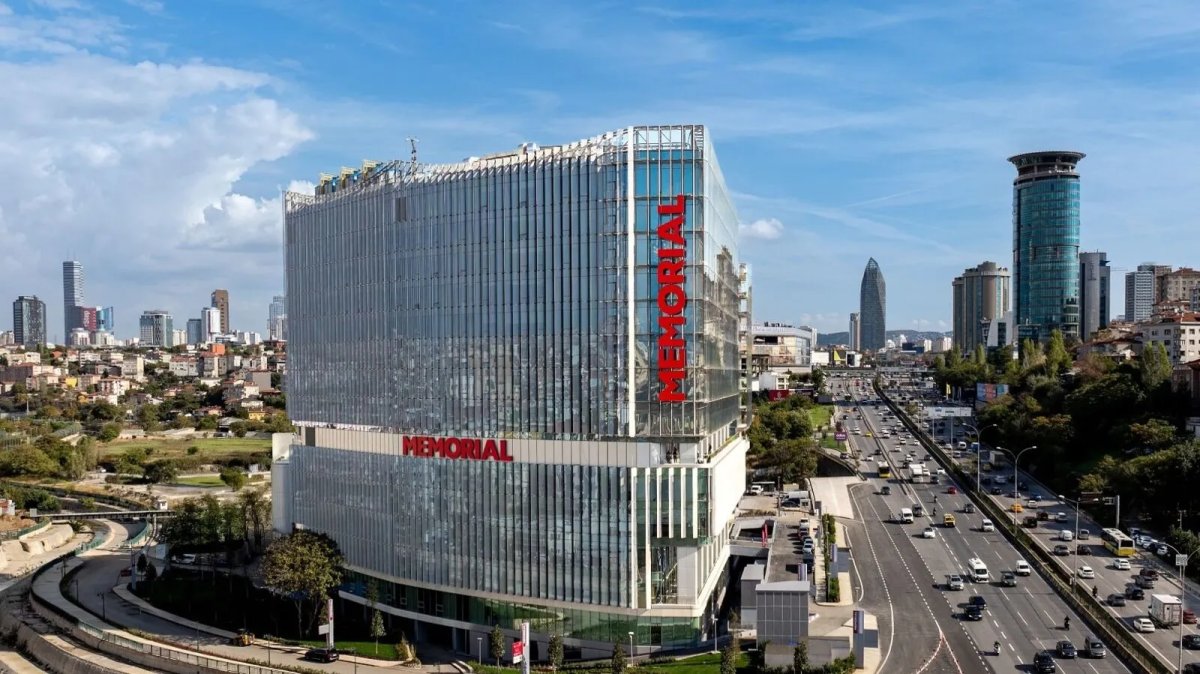
Memorial Göztepe Hospital










Descripción general de Cirugía de deformidad nasal del labio leporino en Turquía
- Reducción de labios - de $1,200Este procedimiento reduce el tamaño de los labios, mejorando la armonía y la simetría facial con un tiempo de recuperación y molestias mínimos.
- Cirugía de deformidad nasal del labio leporino - de $3,500La operación corrige deformidades de la nariz y el labio, mejorando la apariencia estética y la función respiratoria.
- Reparación de labio leporino o paladar hendido - de $2,600Este procedimiento corrige la división en el labio o paladar, mejorando el habla y la apariencia.
- Aumento de labios - de $1,300Esta terapia tiene como objetivo realzar el labio superior, creando forma y volumen a través de una intervención quirúrgica menor.
- Queiloplastia - de $2,000La queiloplastia es una intervención quirúrgica que remodela y repara los labios para mejorar su aspecto o función, lo que suele dar como resultado una mayor armonía facial y una mejora de las capacidades orales.
Día 1
- Llegada al país y registro en los alojamientos.
- Asistir a consulta preoperatoria con el cirujano.
Dia 2
- Sométete a las pruebas médicas necesarias, incluidos análisis de sangre e imágenes.
- Reúnase con un anestesiólogo para analizar las opciones de anestesia.
Día 3
- Se lleva a cabo la cirugía de deformidad nasal del labio hendido.
- La duración de la cirugía varía, por lo general dura de 2 a 3 horas.
- Generalmente se administra anestesia general durante la cirugía.
Día 4
- Comienza el seguimiento postoperatorio en la clínica.
- El paciente es evaluado por cualquier complicación inmediata.
Día 5-7
- El paciente permanece en la clínica para su recuperación y observación.
- Los puntos generalmente se retiran el día 7 después de la operación.
Semana 2
- Recuperación continua en casa o alojamiento.
- El paciente puede regresar al trabajo no extenuante.
Semana 3-4
- Se permite el regreso gradual a las actividades normales.
- Citas periódicas de seguimiento con el cirujano.
Semana 6
- El paciente puede regresar a un trabajo más exigente físicamente.
- La mayoría de los pacientes verán el resultado final de la cirugía.
Tenga en cuenta que la experiencia de cada paciente puede variar según las circunstancias individuales y los tiempos de recuperación.
Lo que les gusta a los pacientes:
- Precio. El costo de la cirugía de deformidad nasal del labio hendido en Turquía oscila entre $4000 y $10000. En comparación con los precios de EE. UU., que pueden alcanzar los $20 000, es significativamente más barato.
- Profesionalidad del médico. Los cirujanos turcos tienen un alto nivel de educación, a menudo con certificados internacionales y membresías en organizaciones globales. Poseen una vasta experiencia en la realización de cirugías complejas.
- Nivel de servicio. Los pacientes aprecian el paquete de atención integral que incluye consultas pre y postoperatorias, gastos hospitalarios y medicamentos. A menudo se incluyen servicios adicionales como alojamiento y traslados.
- Eficacia de la cirugía de deformidad nasal del labio hendido. Las técnicas y los equipos modernos utilizados en Turquía dan como resultado altas tasas de éxito y mejores resultados para los pacientes.
- Logística. Muchos pacientes disfrutan de la oportunidad de combinar el tratamiento con una visita a un hermoso país. La clínica a menudo se encarga de los arreglos de viaje y el alojamiento.
Lo que no les gusta a los pacientes:
- Tiempo de espera. A pesar de los sistemas eficientes, los pacientes ocasionalmente enfrentan largos tiempos de espera para consultas o cirugía.
- Barrera del idioma. Algunos pacientes informan que las barreras del idioma causan dificultades de comunicación.
- Distancia. Para pacientes de países lejanos, la distancia puede ser una desventaja. Significa un tiempo de viaje más largo y costos adicionales.
- Depósito de Bookimed: 200 $ o 200 €.
- Depósito de la clínica: Pague un porcentaje fijo por adelantado.
Bookimed, una plataforma líder mundial en turismo médico, se compromete a ayudar a los clientes que buscan una cirugía de deformidad nasal del labio hendido en Turquía ofreciéndoles asistencia experta y soluciones médicas confiables para cada situación. Se utiliza un sistema de clasificación automático inteligente para elaborar listas de clínicas transparentes, mantenidas meticulosamente por un científico de datos que utiliza IA para mayor precisión. La plataforma garantiza la autenticidad al publicar reseñas de pacientes reales después de sus tratamientos. Bookimed ofrece soluciones médicas integrales, con actualizaciones de las clínicas para garantizar la confiabilidad. El contenido sobre la cirugía de deformidad nasal del labio leporino en Turquía, elaborado por autores médicos experimentados y revisado por especialistas, cumple con las pautas editoriales de Bookimed , lo que refleja el compromiso de la plataforma de brindar información de salud clara y de alta calidad. Para obtener más detalles o consultas, no dude en contactarnos en marketing@bookimed.com o obtenga más información sobre nosotros y nuestra misión Acerca de Bookimed .
Obtenga una evaluación médica de Cirugía de deformidad nasal del labio leporino en Turquía: haga una consulta con 30 médicos experimentados ahora
Ver todos los médicos
Murat Yaman
El Dr. Yaman trata a entre 500 y 600 pacientes al año, especializándose en cirugías de nariz y oído con un enfoque en resultados de aspecto natural.
- Certificado en cirugía plástica y reconstructiva
- Formado en microcirugía en la Universidad de Hacettepe
- Miembro de la Sociedad Turca de Cirugía Reconstructiva, Estética y Plástica

Melikgazi Ozturk
Especialista en Cirugía Plástica, Reconstructiva y Estética en el Hospital Memorial Şişli.
- Formado en la Facultad de Medicina de la Universidad Hacettepe
- Asistente de investigación en la Facultad de Medicina de la Universidad Erciyes
- Realiza cirugía de deformidad nasal por labio leporino
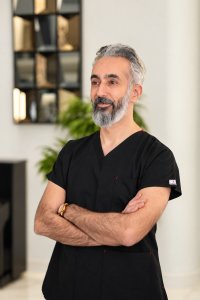
Furkan Erol Karabekmez
El Dr. Furkan Erol Karabekmez se especializa en cirugía de deformidad nasal por labio leporino, aportando precisión y experiencia a cada procedimiento.
- Realiza una amplia gama de cirugías estéticas y reconstructivas
- Experto en rinoplastia y otros procedimientos faciales
- Opera en su propia clínica dedicada a la cirugía estética

Cemal Firat
Especialista en cirugía de deformidad nasal por labio leporino con amplia experiencia en microcirugía y técnicas reconstructivas.
- Profesor en la Universidad İnönü con más de _doctor_9308_ años de experiencia
- Especializado en microcirugía, labio leporino y cirugía maxilofacial
- Investigaciones publicadas sobre la curación de heridas por quemaduras y regeneración nerviosa
- Dirigió tesis sobre lesiones de nervios periféricos y métodos de reconstrucción
Historias en video de pacientes de Bookimed
Reseñas
Todas las reseñasCompartir contenido
 Olena Sikoza
Preguntas frecuentes sobre Cirugía de deformidad nasal del labio leporino en Turquía
¿Es la cirugía de deformidad nasal por labio leporino puramente estética?
La cirugía de deformidad nasal por labio leporino es un procedimiento reconstructivo, no puramente cosmético. Aunque restaura la simetría de la parte media de la cara, su propósito médico principal es corregir las obstrucciones respiratorias, el colapso de la válvula nasal y las desviaciones del tabique. Los cirujanos en centros turcos como el Hospital Memorial Şişli utilizan injertos estructurales para garantizar la estabilidad de las vías respiratorias a largo plazo y la salud funcional.
- Reconstrucción de las vías respiratorias: Repara las válvulas nasales colapsadas y las desviaciones del tabique para estabilizar el flujo de aire diario.
- Calidad del sueño: Corrige los desequilibrios estructurales que causan respiración bucal crónica y trastornos del sueño.
- Resonancia del habla: Mejora la claridad vocal ajustando las estructuras nasales que afectan el sonido del habla.
- Bienestar psicológico: Reduce la ansiedad social documentada y el estrés causado por las diferencias faciales congénitas visibles.
Perspectiva del experto de Bookimed: Los datos muestran una distinción clara entre la rinoplastia estándar y la reparación de fisuras. Los mejores especialistas turcos como el profesor Furkan Erol Karabekmez, certificado por el Consejo Europeo, a menudo priorizan primero el injerto de cartílago estructural. Este enfoque por etapas asegura qu
¿Cuál es el mejor momento para someterse a esta cirugía?
El momento óptimo para la cirugía de deformidad nasal por labio leporino en Turquía depende de la madurez esquelética; las mujeres suelen alcanzar esta etapa entre los 14 y 16 años, mientras que los hombres deben esperar hasta los 16-18 años. Programar la intervención durante los meses más frescos, como otoño o invierno, minimiza la hinchazón postoperatoria y ayuda a proteger las cicatrices en proceso de curación de la exposición a los rayos UV.
- Madurez esquelética: Espere hasta los 16 años o más en hombres para asegurar la estabilidad del crecimiento facial.
- Injerto alveolar: Complete los injertos óseos entre los 9 y 11 años para proporcionar el soporte necesario a la base nasal.
- Ventaja estacional: La cirugía en invierno reduce los riesgos de infección y permite ocultar más fácilmente los vendajes quirúrgicos.
- Momento del día: Los turnos matutinos entre las 9:00 a. m. y las 12:00 p. m. ofrecen menos complicaciones anestésicas.
- Selección del día de la semana: Programar a principios de semana garantiza niveles máximos de personal para el monitoreo y cuidado postoperatorio inmediato.
Perspectiva del experto de Bookimed: Los datos de centros de primer nivel como el Hospital Memorial Şişli o el Hospital Hisar Intercontinental muestran que las revisiones de fisuras a menudo requieren equipos multidisciplinarios. El
¿Cuál es el cronograma de recuperación?
La recuperación de la cirugía de deformidad nasal por labio leporino en Turquía generalmente permite a los pacientes regresar al trabajo no físico dentro de 7 a 10 días. Si bien la hinchazón y los moretones iniciales alcanzan su punto máximo el día 4, la mayor parte de la curación funcional ocurre dentro de los primeros 3 meses a medida que los tejidos nasales se estabilizan y refinan.
- Tiempo de inactividad inicial: Las férulas o yesos nasales generalmente se retiran después de 5 a 7 días.
- Restricciones de actividad: Los pacientes deben evitar levantar objetos pesados y entrenamientos intensos en el gimnasio durante 4 semanas.
- Resolución de la hinchazón: Aproximadamente el 80% de la hinchazón quirúrgica disminuye dentro de los primeros 3 meses.
- Resultados finales: La forma nasal definitiva y la maduración de la cicatriz tardan 12 meses en asentarse.
Perspectiva del experto de Bookimed: Los datos de las clínicas de Ankara y Estambul muestran que profesores como el Dr. Furkan Erol Karabekmez enfatizan las técnicas craneofaciales especializadas. Estos métodos avanzados a menudo permiten que los pacientes internacionales vuelen a casa de manera segura para el día 8. Elegir un cirujano con más de 30 años de experiencia, como el Dr. Ali Nurhan Özbaba, garantiza la integridad estructural necesaria para prevenir problemas comunes a largo plazo,
¿Quiénes son algunos de los cirujanos líderes para este procedimiento en Turquía?
Entre los cirujanos líderes para la cirugía de deformidad nasal por labio leporino en Turquía se encuentra el profesor Furkan Erol Karabekmez, quien cuenta con certificación del Consejo Europeo y formación especializada en la Clínica Mayo. Otros expertos destacados incluyen al Dr. Bekir Zafer Akad y al Dr. Ilker Manavbasi, quienes se enfocan en procedimientos reconstructivos y craneofaciales complejos.
- Prof. Furkan Karabekmez: Profesor especializado en cirugía de labio leporino y maxilofacial en su clínica en Ankara.
- Dr. Bekir Akad: Ha realizado más de 3,000 cirugías reconstructivas, incluyendo reparación de fisuras, en los hospitales Egemed de Esmirna.
- Dr. Ilker Manavbasi: Especialista con sede en Estambul y miembro de la ASPS, enfocado en la reconstrucción nasal funcional y estética.
- Dr. Omer Deveci: Completó una formación especializada en cirugía craneofacial en el Seattle Children’s Hospital para la corrección de deformidades pediátricas.
Perspectiva del experto de Bookimed: Aunque muchos cirujanos turcos destacan en rinoplastia cosmética, las deformidades nasales relacionadas con fisuras requieren un especialista en reconstrucción. El Prof. Furkan Karabekmez destaca en nuestros datos porque posee tanto la certificación del Consejo Europeo como experiencia en investigación en la Clínica Mayo, específicamente en la corrección de defo
¿La cirugía requiere un injerto de cartílago?
La cirugía de deformidad nasal por labio leporino en Turquía a menudo requiere un injerto de cartílago para restaurar la simetría y el soporte estructural. Aunque no es universal, aproximadamente el 70% de los casos implican un injerto. Los cirujanos suelen extraer tejido autólogo del tabique, la oreja o la costilla para reconstruir la punta nasal y las fosas nasales colapsadas.
- Fuentes de injerto: Los cirujanos priorizan el tabique, seguido del cartílago de la oreja o la costilla para casos graves.
- Objetivos de simetría: Los injertos proporcionan el marco interno necesario para corregir la caída nasal característica del lado de la fisura.
- Estabilidad a largo plazo: Se prefiere el cartílago autólogo del paciente sobre los sintéticos para evitar el rechazo.
- Necesidad de revisión: Las reparaciones secundarias en adultos casi siempre requieren injertos debido a la pérdida previa de tejido.
Perspectiva del experto de Bookimed: Los datos de los principales centros turcos, como el Hospital Memorial Şişli, muestran que las reconstrucciones complejas a menudo utilizan cartílago costal. Si bien estos injertos ofrecen una resistencia estructural superior para deformidades graves, pueden extender el tiempo de recuperación inicial hasta 3 veces en comparación con el cartílago de la oreja. Los pacientes deben aclarar el sitio de extracción durante l
¿Quedarán cicatrices visibles?
La corrección quirúrgica de la deformidad nasal por labio leporino implica incisiones que dejan cicatrices permanentes pero de alta calidad. Los cirujanos en Turquía suelen utilizar técnicas de rinoplastia abierta o de base alar para ocultar las marcas dentro de los pliegues naturales de la piel. La mayoría de las cicatrices se desvanecen entre un 70 y un 80 % en 12 meses, convirtiéndose en líneas finas y pálidas a los 2 años.
- Ubicación de la incisión: Los cirujanos del Hospital Memorial Şişli utilizan los pliegues de las fosas nasales para camuflar las marcas quirúrgicas.
- Cronología de curación: El enrojecimiento inicial suele madurar hasta convertirse en líneas tenues y planas durante 12 a 18 meses.
- Impacto del tipo de piel: Los pacientes con piel oliva pueden experimentar cambios temporales de pigmentación que requieren una protección estricta con FPS 50+.
- Reducción de visibilidad: Profesionales expertos como el Dr. Furkan Erol Karabekmez buscan resultados casi imperceptibles.
Perspectiva de expertos de Bookimed: Aunque muchos se centran en la nariz, nuestros datos muestran que los mejores resultados incluyen un levantamiento de labios simultáneo. Esta combinación, practicada por especialistas como el Dr. Ali Nurhan Özbaba, alinea mejor la nariz y la boca. A menudo cuesta entre $1,300 y $1,900 como complemen
¿Existen paquetes de tratamiento disponibles para pacientes internacionales?
Los paquetes de tratamiento para la cirugía de deformidad nasal por labio leporino están ampliamente disponibles en Turquía, diseñados específicamente para pacientes internacionales. Estos paquetes integrales generalmente cubren el procedimiento quirúrgico, la estancia hospitalaria, de 4 a 7 noches en un hotel de 4 estrellas, traslados VIP al aeropuerto y coordinadores de pacientes que hablan inglés.
- Ahorro de costes: Ahorre hasta un 75% en comparación con los costes quirúrgicos en EE. UU.
- Precios típicos: Los procedimientos generalmente oscilan entre de $3,500 en las clínicas turcas.
- Servicios incluidos: La mayoría de los paquetes incluyen medicamentos, prendas de compresión y todos los exámenes preoperatorios.
- Experiencia del cirujano: Acceso a especialistas como el Dr. Furkan Erol Karabekmez, con formación en la Clínica Mayo.
Perspectiva del experto de Bookimed: Si bien muchas clínicas ofrecen paquetes con todo incluido, el valor real reside en la duración de la estancia hospitalaria. Las instalaciones de primer nivel, como el Hospital Memorial Şişli y el Hospital Hisar, ofrecen de 1 a 2 noches de monitoreo hospitalario, lo cual es vital para los casos de fisuras pediátricas. Algunas clínicas más pequeñas pueden ofrecer precios más bajos, pero solo incluyen cirugía ambulatoria, lo q