Inyección de rellenos en Turquía: las 106 mejores clínicas y sus precios


Revisado médicamente por
Fahad Mawlood
Cómo funciona
¿Cuál es el precio de Inyección de rellenos en Turquía? Descubra ahora
El costo de la inyección de rellenos en Turquía suele oscilar de $210 a $400. Los precios varían según el tipo de relleno (como ácido hialurónico, hidroxiapatita de calcio o ácido poli-L-láctico), la reputación de la clínica y la experiencia del profesional que realiza la aplicación. En Estados Unidos, el costo promedio es de $1,200 (según la ASPS). Esto significa que las inyecciones de rellenos en Turquía son aproximadamente un 74% más económicas que en EE. UU.
La mayoría de las clínicas turcas incluyen en el precio la consulta inicial, el material de relleno (como Juvederm, Restylane o Teosyal), anestesia tópica y el seguimiento posterior al tratamiento. En EE. UU., el precio anunciado suele cubrir solo el relleno, cobrando aparte la consulta o los retoques. Siempre confirmar exactamente qué está incluido antes de reservar el tratamiento.
| Turquía | España | Estados Unidos | |
|---|---|---|---|
| Inyección de rellenos | de $210 | de $270 | ≈ $800 |
| Rellenos de ácido hialurónico | de $310 | de $500 | ≈ $750 |
| Relleno vaginal | ≈ $350 | ≈ $1,800 | ≈ $800 |
| Relleno de mentón en hombres | de $1,200 | ≈ $480 | ≈ $1,600 |
| Relleno de labios en hombres | de $370 | ≈ $380 | ≈ $850 |
Descubra las mejores clínicas de Inyección de rellenos en Turquía: 106 opciones verificadas y Precios







Dr. MED Clinic



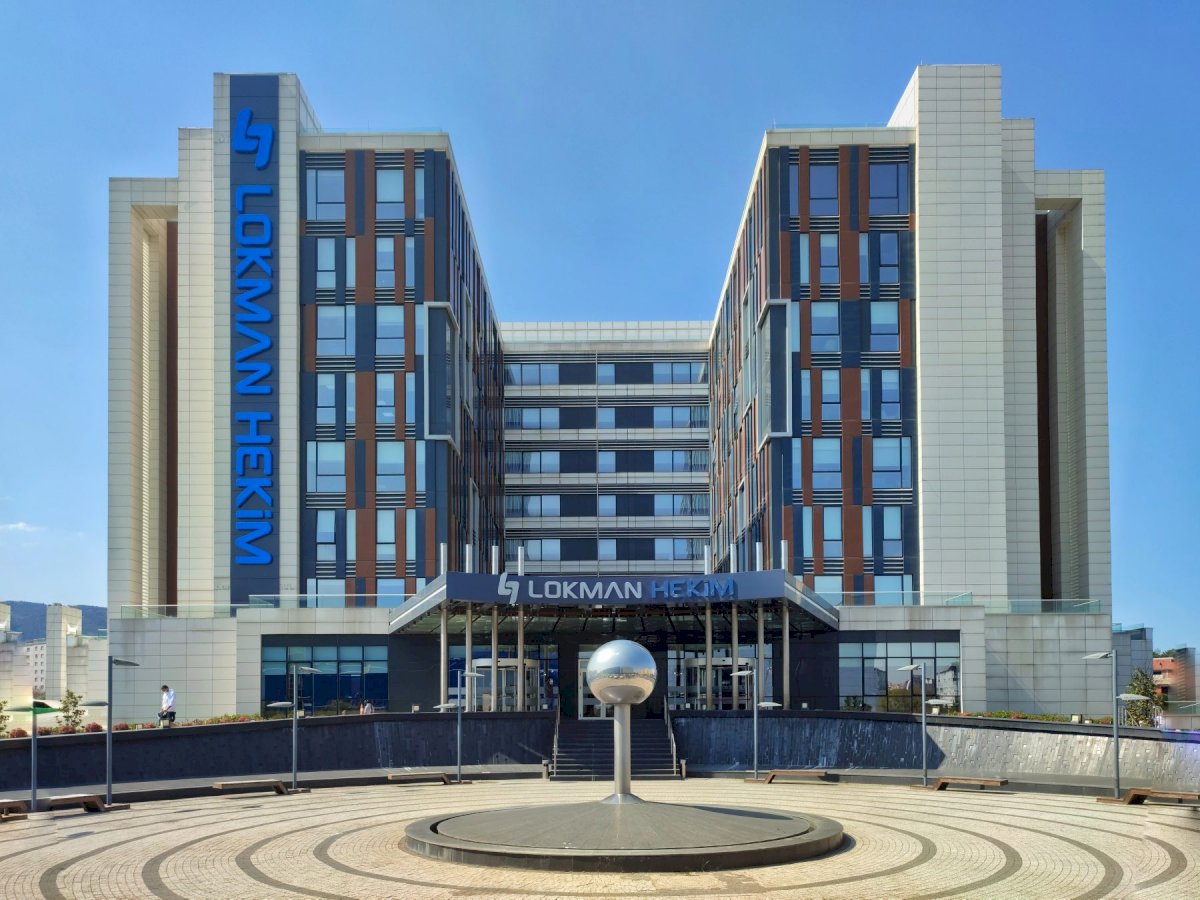
Hospital Lokman Hekim de Estambul (Lokman Hekim Istanbul Hospital)



Inyección de rellenos en Turquía: cronología día a día
Día 1: Llegada a Turquía
- Al aterrizar en Turquía, debe asegurarse de que tiene todos los documentos necesarios, incluida la confirmación de su cita y cualquier historial médico solicitado por la clínica.
- Regístrese en su alojamiento e instálese. Es importante que descanse antes de la intervención.
- Si tiene alguna pregunta o duda, póngase en contacto con la línea de urgencias 24 horas al día, 7 días a la semana, de la clínica.
- Evite el alcohol y mantenga una dieta sana para preparar su cuerpo para la intervención.
Día 2: Evaluación preoperatoria
- Debe asistir a la evaluación preoperatoria programada en la clínica.
- Se le realizará un historial médico completo y una exploración física para confirmar que es apto para la inyección de rellenos.
- Opcional: se pueden realizar imágenes en 3D para predecir los resultados posteriores al procedimiento y ayudar a planificar la colocación del relleno.
- Realice los análisis de sangre necesarios para asegurarse de que se encuentra en buen estado de salud para la intervención.
- Comente sus objetivos de contorno facial con el cirujano, centrándose en aspectos como la eliminación de grasa bucal y los rellenos maxilares.
- Revise las opciones de relleno, como el ácido hialurónico o Radiesse, y determine el número de jeringas necesarias.
Día 3: Día de la intervención
- Debe seguir las normas preoperatorias: deje de comer y beber 8 horas antes del procedimiento si se requiere sedación.
- Tome cualquier medicación necesaria para enfermedades crónicas con una pequeña cantidad de agua.
- Llegue a la clínica para su procedimiento de inyección de rellenos.
- El procedimiento puede incluir anestesia local o crema anestésica para mayor comodidad.
- En el caso de los rellenos maxilares, se inyectan rellenos dérmicos como el ácido hialurónico o Radiesse para añadir volumen y definir la línea de la mandíbula.
- El procedimiento suele durar entre 15 y 30 minutos.
Día 4: Cuidados postoperatorios inmediatos
- Aplique hielo en los puntos de inyección durante las primeras 48 horas para minimizar la inflamación.
- Evite aplicar maquillaje o loción en las zonas tratadas durante al menos 4 horas después del procedimiento.
- No nade ni utilice saunas durante 48 horas para reducir el riesgo de infección.
- Duerma con la cabeza elevada para ayudar a aliviar la hinchazón.
Día 5-7: Periodo de recuperación
- Siga evitando las actividades extenuantes durante al menos una semana después del procedimiento.
- Vigile cualquier signo de infección o síntoma inusual y póngase en contacto con la clínica si es necesario.
- La mayoría de los pacientes experimentan una hinchazón o hematomas mínimos y pueden reanudar sus actividades normales en pocos días.
- Los resultados finales del contorneado serán visibles una vez que haya desaparecido la inflamación, normalmente en 1 ó 2 semanas.
Día 8: Seguimiento y mantenimiento
- Acuda a una cita de seguimiento en la clínica para evaluar los resultados y garantizar una cicatrización adecuada.
- Comente con su médico cualquier preocupación adicional o ajuste deseado.
- Dependiendo del tipo de relleno utilizado, los resultados pueden durar entre 6 meses y 2 años.
- Programe las futuras citas de mantenimiento que le recomiende su médico.
Día 9: Salida y regreso a casa
- Asegúrese de que entiende todas las directrices posteriores al procedimiento antes de salir de Turquía.
- Manténgase en contacto con la clínica para cualquier pregunta o cita de seguimiento.
- Siga todas las instrucciones de postratamiento que se le proporcionen para garantizar unos resultados y una cicatrización óptimos.
Obtenga una evaluación médica de Inyección de rellenos en Turquía: haga una consulta con 66 médicos experimentados ahora
Ver todos los médicos
Murat Yaman
El Dr. Murat Yaman es un experimentado cirujano plástico y estético. Es conocido por su experiencia en cirugías de abdominoplastia y el empleo de técnicas quirúrgicas avanzadas para obtener resultados óptimos. Ha realizado un número impresionante de diversas cirugías, incluyendo más de 1 500 operaciones de nariz y aumento de senos, 500 estiramientos faciales, 1 000 cirugías de lifting, y alrededor de 1 000 liposucciones utilizando la tecnología VASER lipo.
Nur Afsar
La Dra. Nur Afsar combina 7 años de experiencia en estética médica con un enfoque personalizado y natural para las inyecciones de relleno.
- Especializada en rellenos dérmicos, toxina botulínica y contorno facial no quirúrgico
- Domina técnicas avanzadas como Ultherapy y Radiesse
- Asiste a congresos internacionales para mantenerse al día en tendencias estéticas
- Adapta los tratamientos para mejorar la armonía facial y la confianza en uno mismo
Yunus Emre Seker
Más de 800 procedimientos de relleno hasta la fecha: el Dr. Şeker aporta la precisión reconstructiva de la cirugía de trasplantes a la estética facial en Soraca Med en Antalya.
- Formado en técnicas de alta precisión bajo el Prof. Özkan, pionero del primer trasplante de cara en Turquía
- Especializado en la armonía facial de aspecto natural y la preservación de la función
- Colaborador académico con estudios de casos publicados sobre rejuvenecimiento facial

Hasan Sahin
El doctor se graduó de la Escuela de Medicina, GATA, y completó su residencia en la Universidad Dokuz Eylul de İzmir. Especializado en cirugía plástica reconstructiva estética, el doctor ha realizado más de 12,000 cirugías para más de 5,000 pacientes a nivel mundial. Las áreas de especialización incluyen cirugía craneofacial, cirugía de mano, procedimientos microquirúrgicos y diversas cirugías estéticas como rinoplastia, estética mamaria y abdominoplastia.<\/p>
El doctor es compet
Historias en video de pacientes de Bookimed
Reseñas
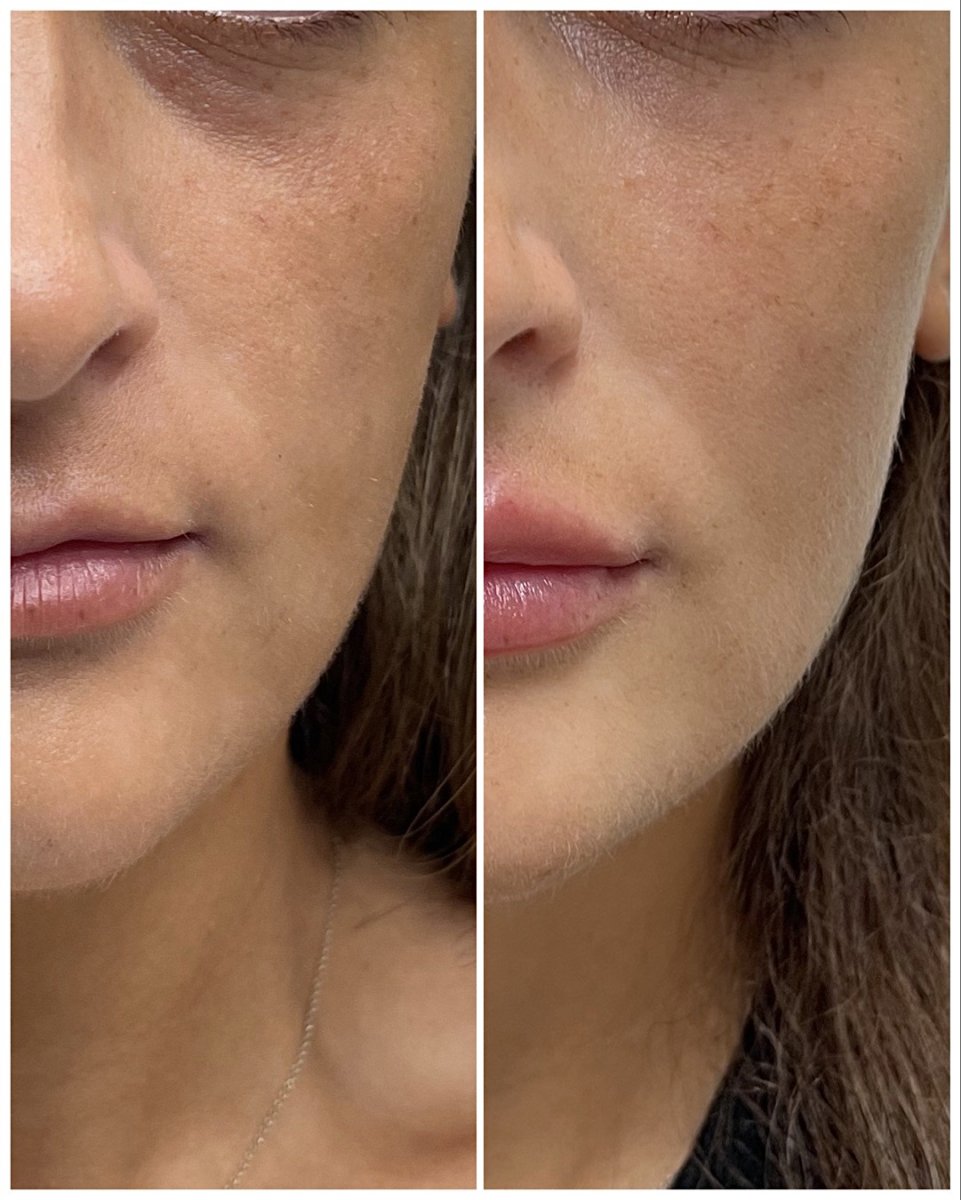
Todas las reseñasInyección de rellenos: Fotos de antes y después
Ver todos los Antes y Después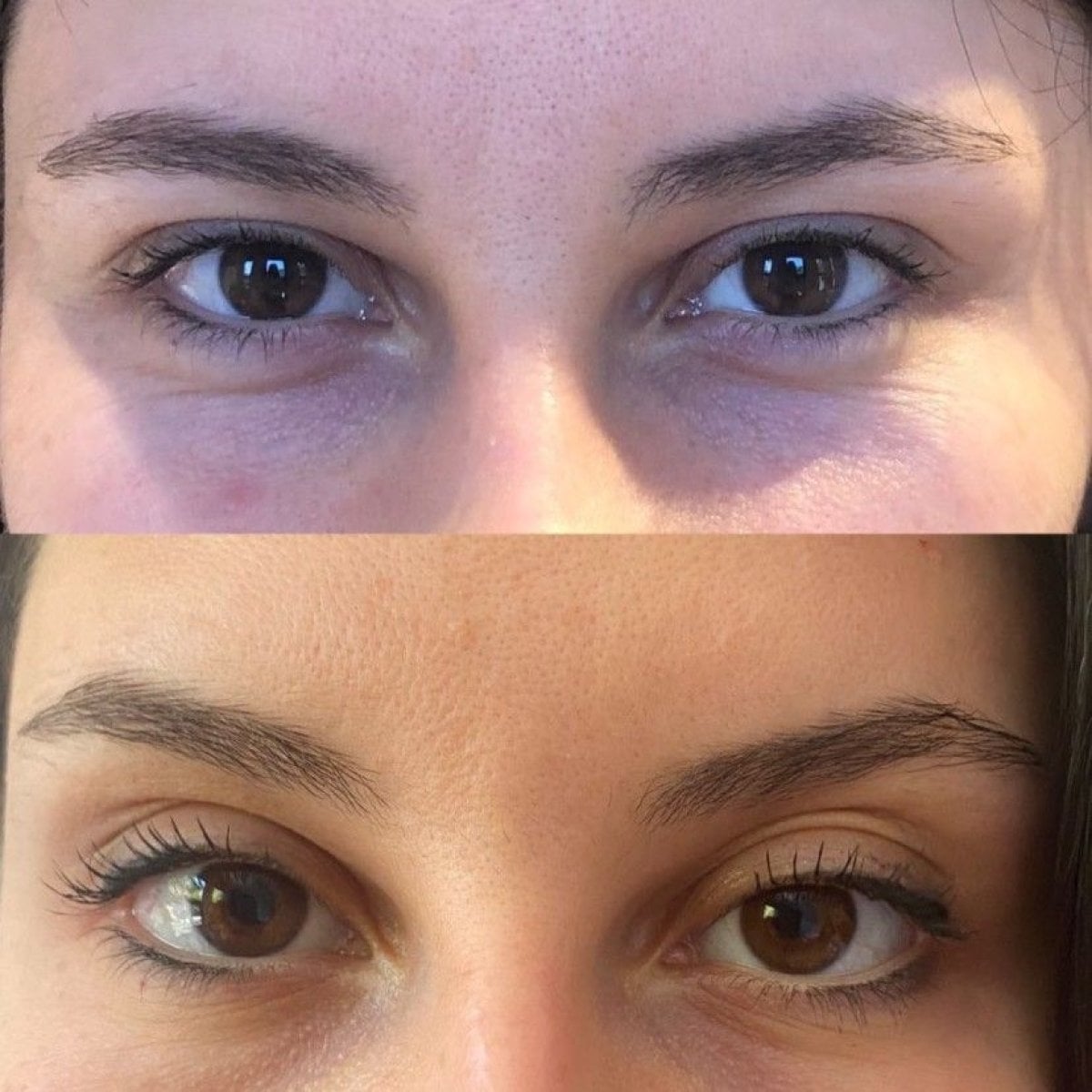

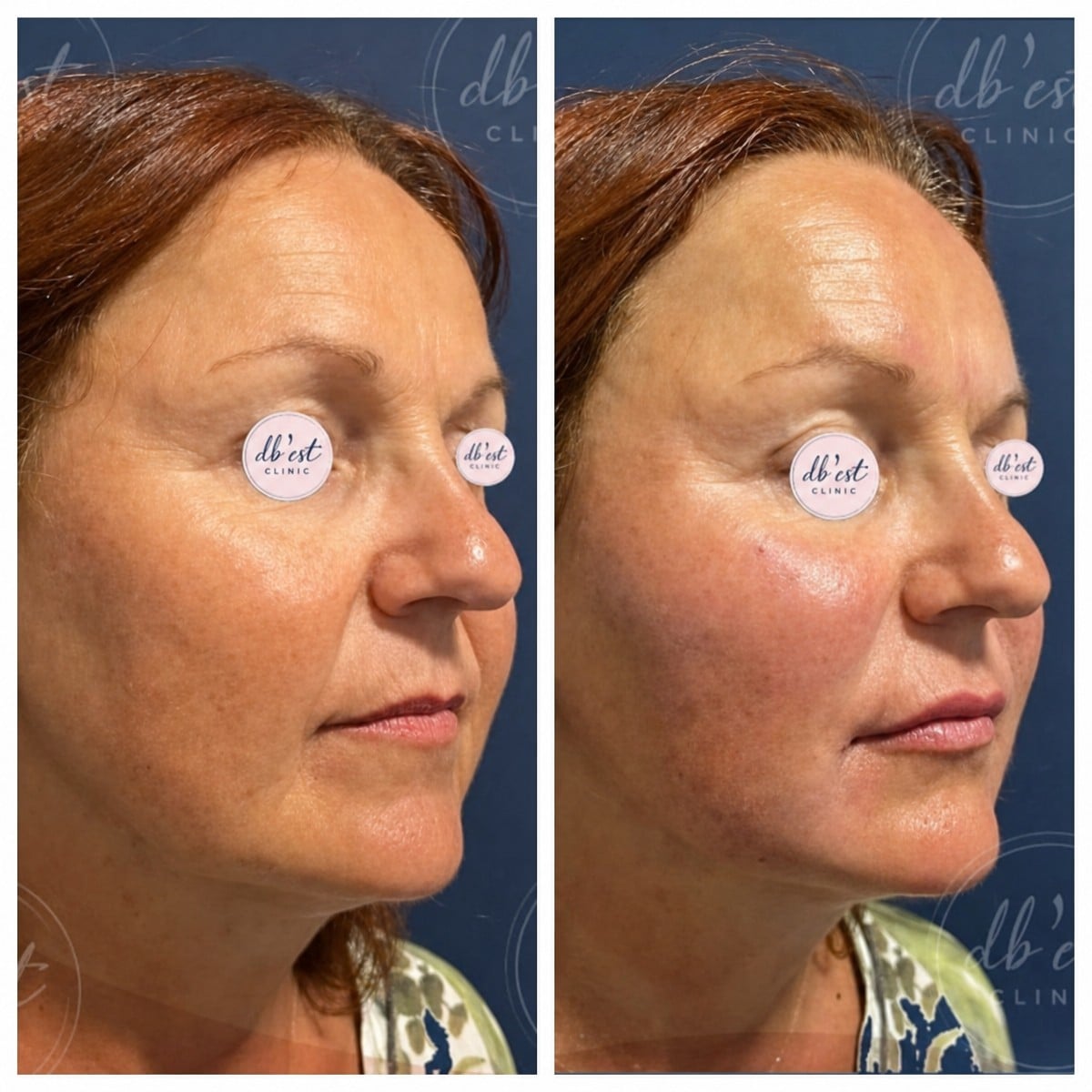
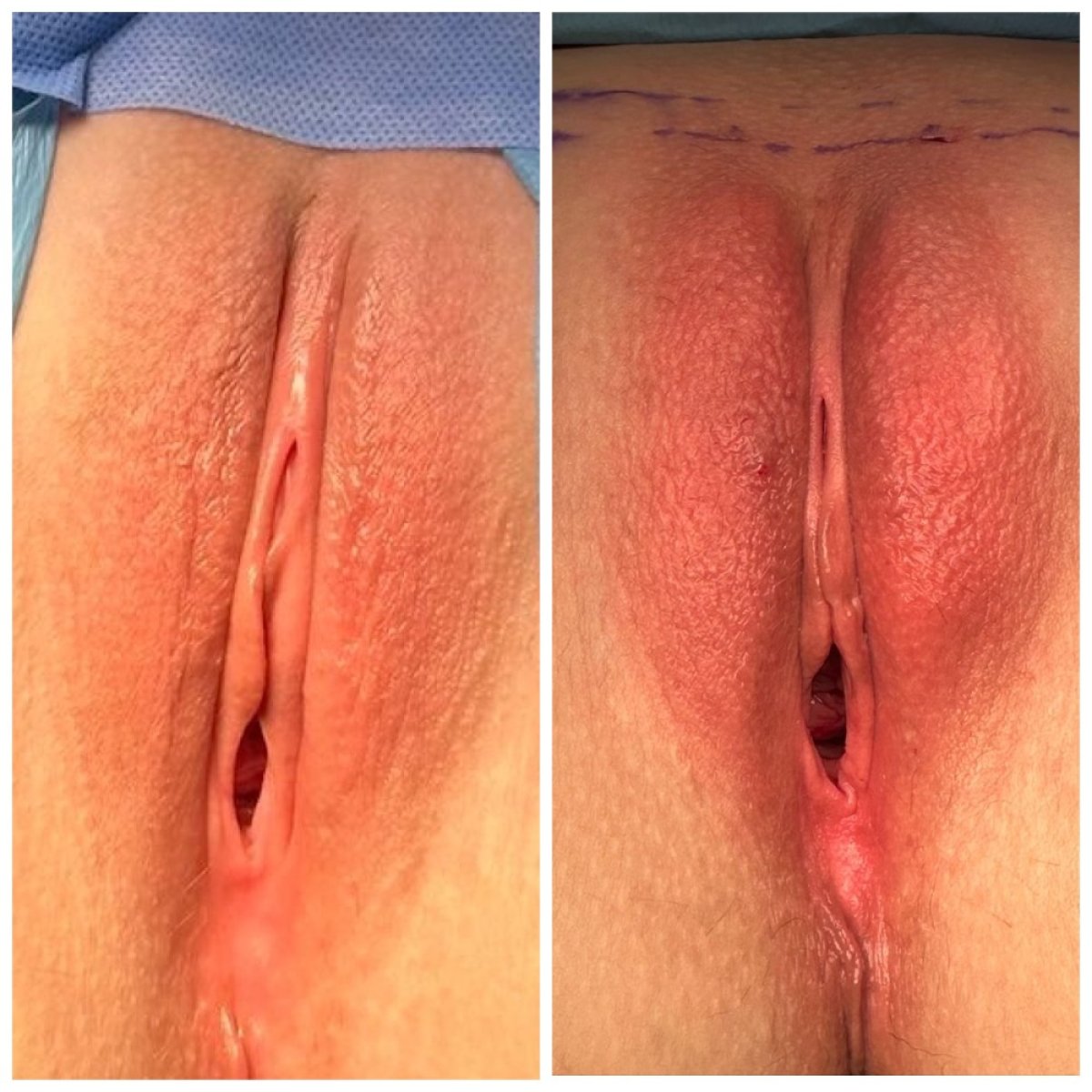
Compartir contenido
 Olena Sikoza
Preguntas frecuentes sobre Inyección de rellenos en Turquía
¿Es seguro ponerse rellenos en Turquía?
Los rellenos en Turquía son seguros cuando los realizan dermatólogos o cirujanos plásticos certificados en instalaciones autorizadas. Muchas clínicas cuentan con la acreditación de la Joint Commission International (JCI) o son miembros de la International Society of Aesthetic Plastic Surgery (ISAPS), lo que garantiza el cumplimiento de los estándares médicos globales y el uso de productos aprobados por la FDA.
- Credenciales del proveedor: Asegúrese de que un médico con licencia realice las inyecciones, no un esteticista o técnico.
- Estándares de las instalaciones: Elija clínicas registradas en el Ministerio de Salud de Turquía u hospitales acreditados por la JCI.
- Calidad del producto: Confirme el uso de marcas con certificación CE o aprobadas por la FDA, como Juvéderm o Restylane.
- Tiempo de viaje: Retrase los vuelos entre 48 y 72 horas para controlar la posible hinchazón y garantizar la seguridad vascular.
Perspectiva del experto de Bookimed: Los datos muestran una tendencia clara en la seguridad: las clínicas con menor volumen de pacientes a menudo carecen de los protocolos de emergencia especializados que se encuentran en los centros de alto volumen. Por ejemplo, el Hospital Quartz atiende a 6.500 pacientes al año y emplea a especialistas como la Dra. Leyla Arvas, quien es instructora certificada de VASER. Los centros de alto volumen a
¿Qué marcas de rellenos se utilizan?
Las clínicas estéticas turcas utilizan principalmente rellenos de ácido hialurónico reconocidos mundialmente y aprobados por la FDA, incluidos Juvederm, Restylane y Teosyal. Especialistas líderes como la Dra. Leyla Arvas en el Quartz Hospital o el Dr. Orhan Babucçu en el Memorial Şişli Hospital seleccionan estas marcas por sus perfiles de seguridad probados y resultados de aspecto natural.
- Colección Juvederm: Incluye Voluma para mejillas y Volbella para un realce sutil de labios.
- Familia Restylane: Utiliza una textura granular ideal para un contorno facial preciso.
- Teosyal: Frecuentemente seleccionado por especialistas turcos para tratamientos delicados de ojeras hundidas.
- Estimuladores de colágeno: Sculptra y Radiesse están disponibles para volumen a largo plazo y reafirmación de la piel.
Perspectiva del experto de Bookimed: Aunque los precios base comienzan en $210, las clínicas premium de Estambul en distritos como Nişantaşı priorizan la transparencia mostrando a los pacientes la caja sin abrir con un holograma. Esta autenticidad verificada a tarifas turcas ofrece hasta un 74% de ahorro en comparación con el promedio de EE. UU. de $1,200.
Consenso de los pacientes: Los pacientes enfatizan la importancia de verificar el número de lote y la etiqueta del fa
¿Quién realiza las inyecciones?
Los rellenos en Turquía son administrados idealmente por cirujanos plásticos certificados, dermatólogos o médicos estéticos especializados. La mayoría de las clínicas de renombre en Estambul y Antalya cuentan con expertos con credenciales internacionales de organizaciones como la Sociedad Internacional de Cirugía Plástica Estética (ISAPS) o la Asociación Médica Turca.
- Cirujanos plásticos: Especialistas como la Dra. Leyla Arvas en el Hospital Quartz realizan personalmente las inyecciones de relleno.
- Dermatólogos: Los médicos centrados en la salud de la piel a menudo dirigen los departamentos estéticos en las clínicas.
- Especialistas en ORL: Cirujanos certificados como la Dra. Ceren Durgun realizan rellenos faciales y rinoplastias.
- Personal clínico: Algunos centros de gran volumen utilizan enfermeras o esteticistas bajo la supervisión remota de un médico.
Perspectiva del experto de Bookimed: Mientras que muchas clínicas económicas utilizan técnicos para las inyecciones, las instalaciones premium como el Hospital Memorial Şişli o el Hospital Quartz aseguran que los médicos manejen la jeringa. Los datos de Bookimed muestran que las clínicas con más de 5.000 pacientes anuales a menudo tienen equipos estéticos dedicados. Confirme siempre que su médico específico realizará la inyección en lugar de solo supervisar a un técnico.
Co
¿Cuánto duran los resultados?
Los resultados de los rellenos en Turquía suelen durar entre 6 y 18 meses, con un promedio estándar de 9 a 12 meses. La longevidad depende del tipo de relleno, como Juvederm o Restylane, el área de inyección y el metabolismo individual. Los rellenos de ácido hialurónico de marca generalmente ofrecen los resultados más duraderos.
- Elección del producto: Los rellenos de marca como Juvederm o Restylane suelen durar de 12 a 18 meses.
- Área de inyección: Los rellenos labiales se desvanecen más rápido que las inyecciones en las mejillas o los surcos nasolabiales debido a una mayor movilidad.
- Cuidados posteriores: Evitar el sol y el calor intenso ayuda a maximizar la vida útil del relleno inyectado.
- Mantenimiento: Por lo general, son necesarios retoques anuales para mantener el volumen y el contorno estético deseados.
Perspectiva de expertos de Bookimed: Los datos de 388 clínicas turcas muestran una correlación entre la experiencia del especialista y la durabilidad del resultado. Cirujanos como la Dra. Leyla Arvas del Hospital Quartz, que cuenta con más de 25 años de experiencia, se centran en una colocación precisa. Las técnicas especializadas a menudo previenen la degradación más rápida observada con los rellenos genéricos, que pueden desvanecerse en solo 6 meses.
Consenso de los pacientes: Los pacientes a menudo señala
¿Qué tan pronto puedo volar después del tratamiento?
La mayoría de los profesionales médicos recomiendan esperar de 24 a 48 horas después de las inyecciones de relleno antes de volar desde Turquía. Este breve retraso permite que el producto se asiente, reduciendo los riesgos de migración o hinchazón asimétrica causada por los cambios de presión en la cabina durante su vuelo internacional.
- Período de asentamiento: Espere 48 horas para evitar el desplazamiento del relleno debido a la presión de altitud.
- Áreas específicas: Extienda la espera a 3–7 días para tratamientos en labios o debajo de los ojos.
- Manejo de la hinchazón: Use compresas de hielo y manténgase hidratado para minimizar la hinchazón común durante el vuelo.
- Consulta con expertos: Solicite un cronograma personalizado a su inyector turco basado en el volumen utilizado.
Perspectiva del experto de Bookimed: Los datos de las mejores clínicas de Estambul, como el Quartz Hospital, muestran que los inyectores más experimentados, como aquellos con membresía ISAPS, prefieren un margen de 48 horas. Este marco de tiempo es estratégico porque abarca el período pico de hinchazón. Curiosamente, las clínicas enfocadas en pacientes internacionales a menudo programan estos procedimientos de 15 minutos al principio de un viaje de 3 días para garantizar que el control final ocurra antes de la salida.
Consenso de los pacientes:
¿Es doloroso el procedimiento?
Las inyecciones de relleno en Turquía generalmente no son dolorosas. La mayoría de los pacientes describen la sensación como un pellizco rápido y leve o una pequeña picadura de abeja. Las clínicas especializadas utilizan cremas anestésicas tópicas, dispositivos de vibración y agujas ultrafinas para garantizar que el procedimiento de 15 minutos siga siendo altamente tolerable para los pacientes internacionales.
- Protocolos de anestesia: Las clínicas de alta calidad aplican crema anestésica de grado médico 20 a 30 minutos antes de la primera inyección.
- Herramientas avanzadas: Los cirujanos utilizan dispositivos de vibración y microcánulas para reducir aún más la sensibilidad nerviosa y las molestias.
- Áreas objetivo: Los rellenos labiales se sienten un poco más intensos, mientras que las inyecciones debajo de los ojos generalmente disminuyen a mitad del procedimiento.
- Tasas de éxito: Inyectores expertos como la Dra. Leyla Arvas mantienen una alta satisfacción al priorizar técnicas suaves y precisas.
Perspectiva del experto de Bookimed: Los datos sugieren una correlación entre la experiencia del cirujano y los niveles de comodidad del paciente. Las principales clínicas de Estambul a menudo emplean médicos con más de 20 años de experiencia, como los del Quartz Hospital. Estos inyectores veteranos utilizan agujas más finas que las prácticas es