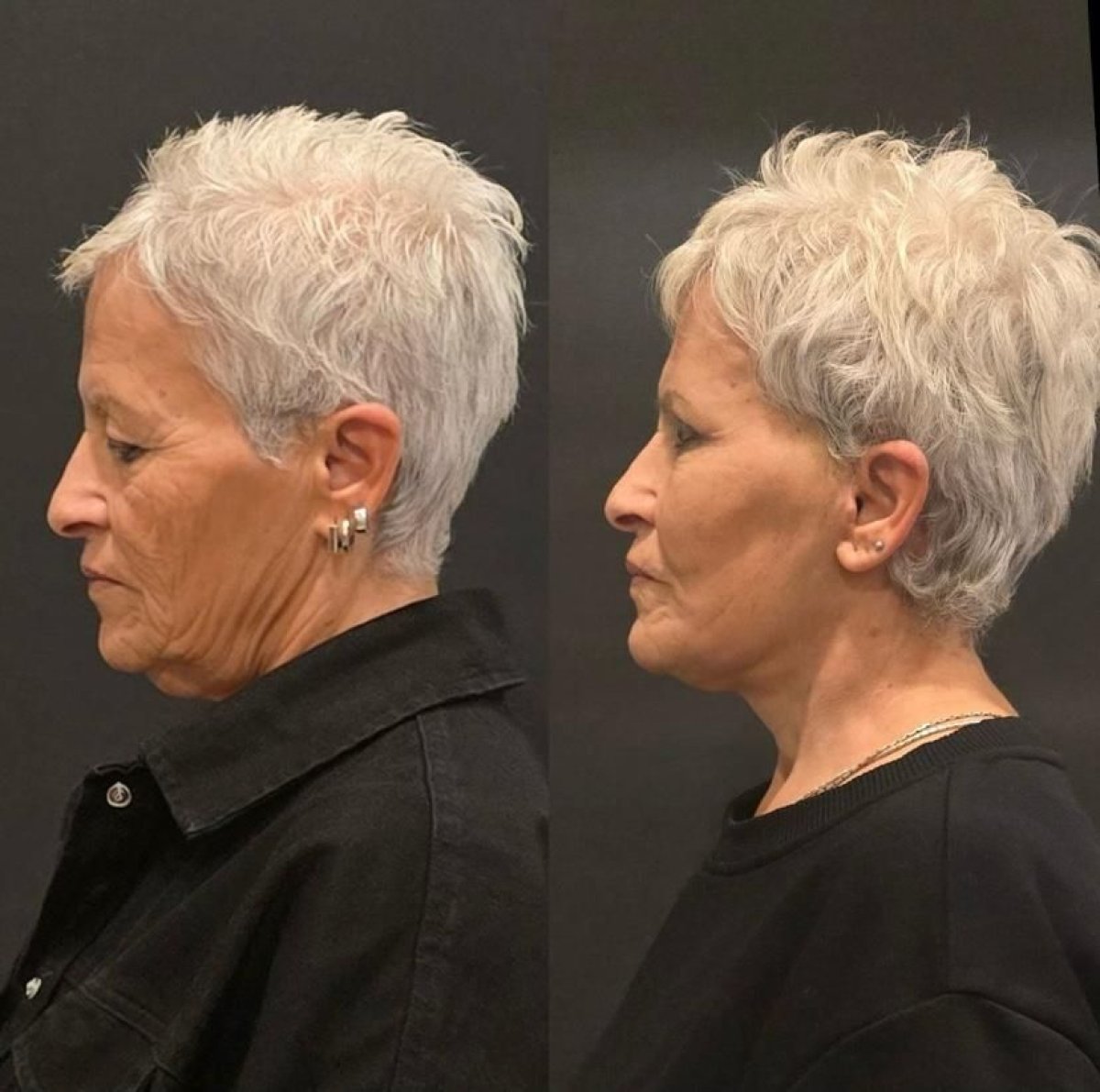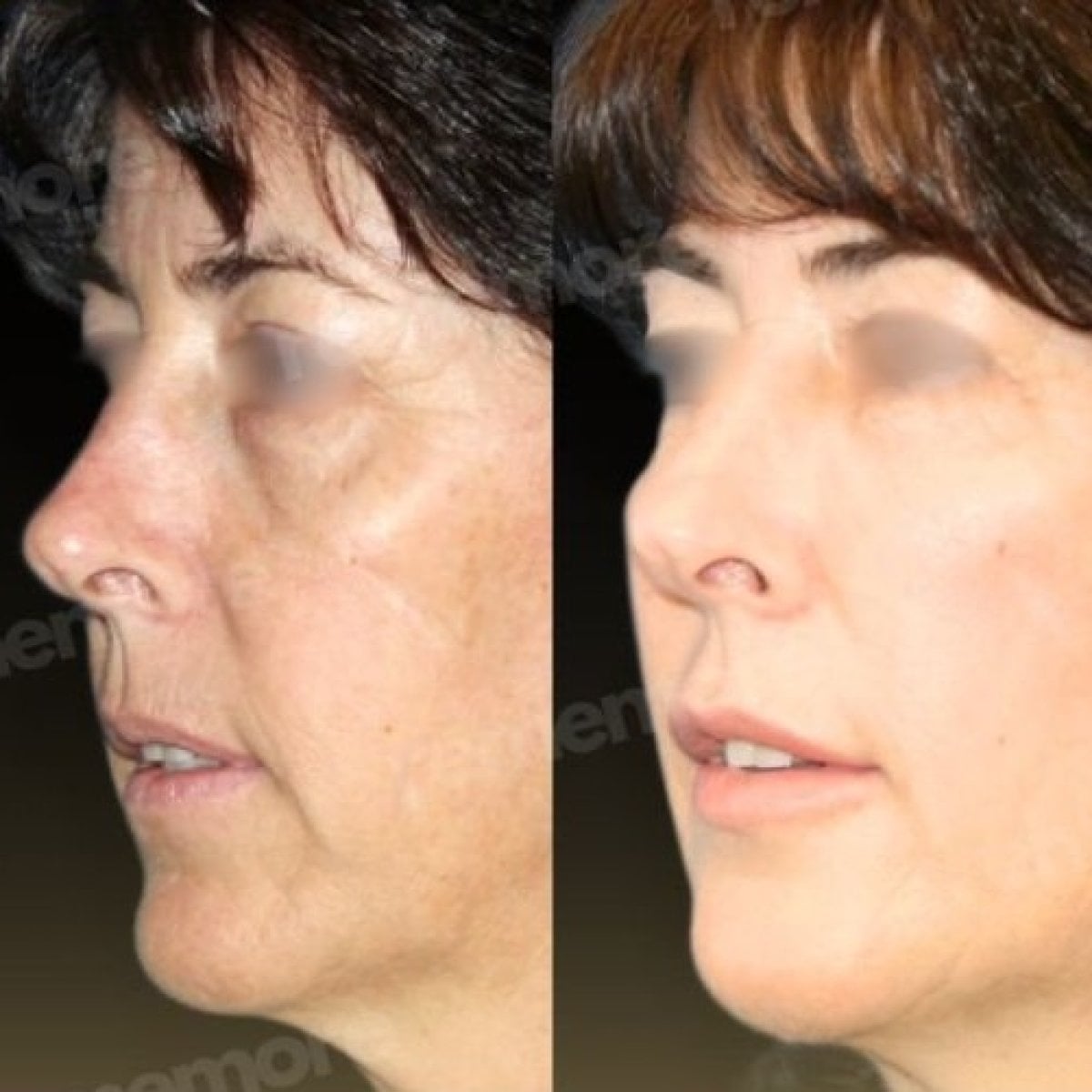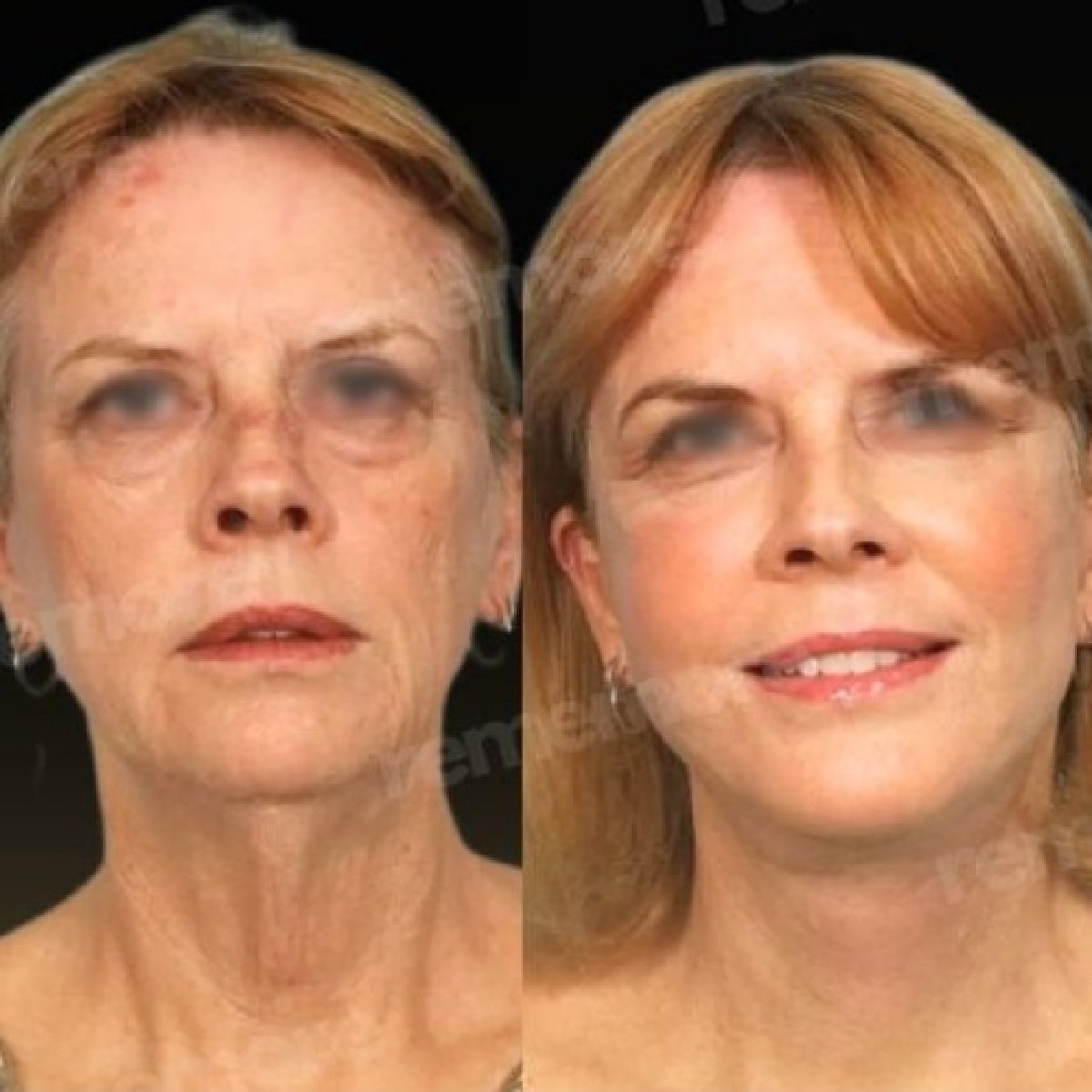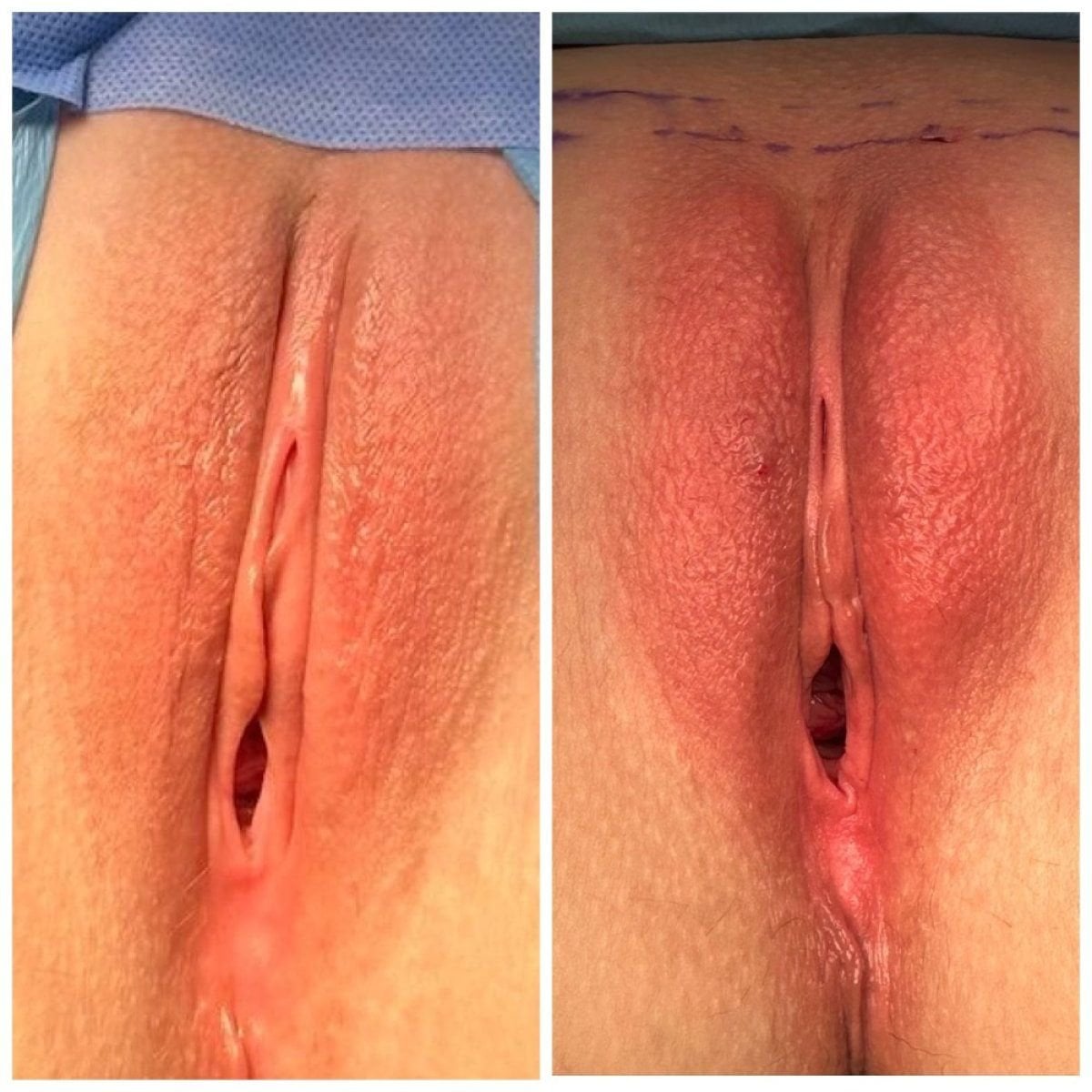

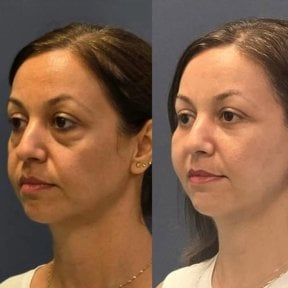
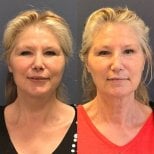
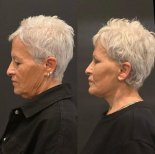
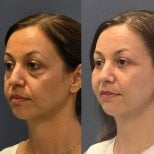
El costo del lipofilling (injerto de grasa) en Turquía suele oscilar de $1,500 a $4,000. Los precios varían según la clínica, la experiencia del cirujano, la cantidad de grasa transferida y si se tratan varias áreas. En Estados Unidos, el costo promedio es de $8,500 (según la ASPS). Esto significa que el lipofilling en Turquía es aproximadamente un 68% menos costoso que en EE. UU.
Las clínicas turcas suelen incluir la consulta preoperatoria, anestesia local o general, extracción y purificación de la grasa, el procedimiento de injerto, prendas de compresión, medicamentos y visitas de seguimiento. En EE. UU., el precio listado a menudo cubre solo los honorarios del cirujano, con cargos separados por anestesia, uso de las instalaciones y cuidados posteriores. Siempre confirmar exactamente qué está incluido en el paquete antes de reservar.
| Turquía | España | Estados Unidos | |
| Lipofilling | de $1,467 | de $2,500 | de $6,000 |
El Dr. Yaman realiza entre 500 y 600 procedimientos al año, especializándose en resultados de aspecto natural para lipofilling y contorno corporal en el Hospital Lokman Hekim de Estambul.
El Dr. Aydinol se especializa en combinar el injerto de grasa con implantes para un aumento de senos de aspecto natural, respaldado por una amplia investigación y membresías en sociedades internacionales.
Especializado en lipofilling en el Hospital Memorial Şişli, el Dr. Uzunoglu aporta su experiencia tras una formación prestigiosa y años de práctica clínica.
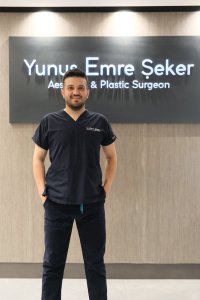
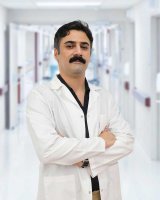
El Dr. Yunus Emre Şeker es cirujano plástico, reconstructivo y estético en Antalya. Se graduó en la Facultad de Medicina de la Universidad de Ankara. Completó la residencia en el Hospital Universitario de Akdeniz. Se formó con el Prof. Ömer Özkan. Fue miembro activo del equipo en cirugías de trasplante de útero y de trasplante bilateral de brazos.
En 2023 obtuvo el segundo lugar (rama clínica) en el Concurso de Investigación de la Sociedad Turca de Cirugía Plástica, Reconstructiva y Estética. Impartió docencia en cirugía plástica en el Hospital de Formación e Investigación de Adıyaman de 2023 a 2025. Ha sido ponente en congresos nacionales y ha contribuido a publicaciones.
Enfoque clínico: rinoplastia (ultrasónica, étnica), rejuvenecimiento facial, estética mamaria, contorno corporal, cirugía reconstructiva.
Lipofilling in Turkey is highly safe when performed by surgeons board-certified by the International Society of Aesthetic Plastic Surgery (ISAPS). Success relies on sterile fat harvesting and purified reinjection techniques. Leading Istanbul clinics maintain safety through JCI accreditation and specialized closed-air systems to prevent contamination.
Bookimed Expert Insight: Data shows a clear safety divide between multi-specialty JCI hospitals and high-volume aesthetic conveyor clinics. While boutique clinics offer lower prices, JCI-accredited facilities move 10,000+ patients yearly with lower complication rates. Choosing a surgeon who is a certified VASER trainer often ensures more precise fat harvesting and smoother recovery.
Patient Consensus: Most patients report smooth recoveries but emphasize that fat survival typically ranges from 50% to 70%. Many advise choosing ISAPS-certified surgeons to avoid common issues like clumping or irregular fat absorption.
Lipofilling results in Turkey are considered long-term, as 30% to 70% of the transferred fat typically establishes a permanent blood supply. While initial volume stabilizes after 3 to 6 months, the surviving fat cells remain indefinitely, behaving like natural tissue during future weight fluctuations.
Bookimed Expert Insight: Data from top Istanbul clinics shows that surgeons using VASER liposuction for fat harvesting, like Dr. Leyla Arvas at Quartz Hospital, achieve higher retention. This gentle technology preserves cell viability better than traditional methods. For the most durable results, choose a specialist who prioritizes micro-fat or nano-fat techniques over high-volume injections.
Patient Consensus: Many patients notice a significant volume drop during the first 3 months but are satisfied with the natural, soft contour that remains. They emphasize that keeping a stable weight is the most critical factor for preserving their new shape long-term.
Recovery from fat grafting typically requires 1 to 2 weeks for initial healing, though visible swelling often persists for 3 to 6 weeks. While patients return to desk work within 14 days, final results stabilize only after 3 to 12 months once transferred cells establish a permanent blood supply.
Bookimed Expert Insight: While clinics often quote a 14-day recovery, our data shows that 5-star packages, like those from Assoc. Prof. Dr. Esra Özbaşlı, include 5-star hotel stays to manage the critical first 48 hours. This extra comfort is vital because peak swelling and bruising actually hit their maximum intensity on day 3, not day 1.
Patient Consensus: Patients emphasize that while you can return to normal life quickly, you must wear compression garments for 4–6 weeks to ensure the fat stays in place. Many note that results look overfilled initially, as 30–50% of the transferred volume naturally resorbs within the first few months.
Focus your consultation on the surgeon personal fat survival rates, board certifications, and harvesting techniques like VASER or manual liposuction. Confirm the total costs for fat processing and anesthesia. Ask for a specific 6-month recovery timeline and a written revision policy for post-op touch-ups.
Bookimed Expert Insight: Patient data shows that specialized clinics in Nişantaşı often provide higher-touch post-op support than high-volume hospitals. While large facilities like Hisar Hospital Intercontinental serve 250,000+ patients, smaller practices often allow for direct mobile contact with the surgeon. This access is vital for remote recovery once you return home.
Patient Consensus: Many patients suggest testing a clinic responsiveness with detailed follow-up questions before booking. They emphasize that a surgeon who seems rushed or dismissive during the initial consultation often provides less support during the critical 6-month healing phase.
Turkey is a global leader for medical treatments, with hair transplantation, dental care, and cosmetic surgery serving as the primary pillars. Specialized hubs in Istanbul and Antalya offer advanced procedures including rhinoplasty, liposuction, and lipofilling, alongside complex oncology and robotic-assisted surgeries.
Bookimed Expert Insight: While Istanbul is the primary hub, clinics in Izmir and Antalya are increasingly popular for combining surgery with coastal recovery. Data shows surgeons like Dr. Leyla Arvas at Quartz Hospital function as certified VASER trainers, indicating that Turkey doesn't just perform these procedures but actually sets the global training standards for advanced body contouring technologies.
Patient Consensus: Many patients choose Turkey for the all-inclusive experience, frequently praising the seamless VIP transfers and 5-star hotel stays. While most report high satisfaction, experienced patients emphasize that fat grafting often requires 2 sessions due to 30–70% natural resorption.