Puente dental metálico en Turquía — encuentre las 3 mejores clínicas con costos


Revisado médicamente por
Fahad Mawlood
Cómo funciona
¿Cuál es el precio de Puente dental metálico en Turquía? Descubra ahora
De $480. Los precios varían según la cantidad de unidades (dientes reemplazados), la reputación de la clínica y la experiencia del dentista. En Estados Unidos, el costo promedio es de $3,300 (según datos de la ADA). Esto significa que un puente dental metálico en Turquía cuesta aproximadamente un 85% menos que en EE. UU.
Los paquetes dentales turcos suelen incluir la consulta inicial, radiografías digitales, preparación dental, el propio puente metálico (a menudo de aleación de níquel-cromo o cobalto-cromo), coronas temporales, anestesia local y visitas de seguimiento. En EE. UU., el precio indicado suele cubrir solo el puente, con cargos adicionales por diagnósticos, anestesia y cuidados posteriores. Siempre confirmar exactamente qué está incluido en la clínica elegida.
Beneficios clave
- Obtén un puente dental metálico en Turquía con un ahorro del 60-80% en comparación con los precios en los EE. UU.
- Opciones de puentes dentales: metales preciosos, cromo-cobalto, níquel-cromo, etc.
- Revisión gratuita de fotos por un doctor para determinar el mejor tratamiento dental para ti.
- Garantía disponible en ofertas seleccionadas.
- Ofertas exclusivas de clínicas turcas de confianza de $480.
| Turquía | España | Estados Unidos | |
|---|---|---|---|
| Puente dental metálico | de $480 | ≈ $1,300 | ≈ $2,500 |
Descubra las mejores clínicas de Puente dental metálico en Turquía: 36 opciones verificadas y Precios













Descripción general de Puente dental metálico en Turquía
- Instalación de puentes dentales - de $350Esta terapia reemplaza los dientes perdidos, involucrando el anclaje de un diente artificial a los naturales adyacentes, mejorando la sonrisa y la capacidad de masticación.
- Instalación del puente de Maryland - de $200El procedimiento consiste en asegurar un diente postizo usando alas pegadas a los dientes adyacentes, mejorando la estética de la sonrisa.
- Puente dental para muelas - de $410Esta terapia reemplaza los dientes posteriores faltantes, utilizando coronas en los dientes adyacentes como soporte, mejorando la capacidad de masticación.
- Puente dental metálico - de $480Esta terapia reemplaza los dientes perdidos utilizando una estructura de metal fuerte, que ofrece robustez, durabilidad y un aspecto natural.
- Puente dental de porcelana - de $500La operación crea un diente artificial de aspecto natural para reemplazar los que faltan, utilizando un material duradero pero cosmético.
- Puente dental de zirconio - de $240Esta terapia reemplaza los dientes perdidos utilizando cerámicas fuertes del color de los dientes, lo que brinda un aspecto natural con una función de masticación mejorada.
- Puente dental voladizo (cantiléver) - de $1,100Esta terapia reemplaza los dientes perdidos usando dientes de anclaje y un diente protésico, brindando firmeza y un aspecto natural.
- Puente unido con resina - de $280Esta terapia reemplaza un diente perdido, utilizando un diente postizo conectado por resina a los dientes vecinos, dejándolos intactos.
Día 1
- Llegada al país y check-in en el hotel.
- Descanso y aclimatación al nuevo entorno.
Dia 2
- Primera consulta con el especialista dental.
- Someterse a las pruebas médicas y radiografías necesarias.
Día 3
- Segunda consulta para discutir los resultados y el plan de tratamiento.
- Preparación de los dientes para el puente dental.
Día 4
- Colocación del puente dental metálico bajo anestesia local.
- El procedimiento puede durar de 2 a 3 horas, dependiendo de la complejidad.
Dia 5
- Día de recuperación con descanso y manejo del dolor si es necesario.
día 6
- Control postoperatorio y ajuste del puente dental.
- Se dan instrucciones sobre higiene bucal y mantenimiento del puente.
Día 7
- Consulta final y sesión de retroalimentación con el dentista.
- Preparación para la salida.
Semana 1-2
- Período de rehabilitación con dieta blanda y cuidadosa higiene bucal.
- Seguimiento periódico del estado del puente y de la boca.
Semana 3
- Reanudar la dieta normal y las actividades diarias.
- Cepillado regular y uso de hilo dental alrededor del puente.
Semana 4
- Resultado final visible con un puente totalmente cicatrizado y funcional.
- Continuar con los chequeos dentales regulares en el país de origen.
Tenga en cuenta que el caso de cada paciente es diferente y el procedimiento y el tiempo de recuperación pueden variar. Siempre consulte con el dentista tratante para obtener la información más precisa.
- Depósito de Bookimed: 200 $ o 200 €.
- Depósito de la clínica: Pague un porcentaje fijo por adelantado.
Obtenga una evaluación médica de Puente dental metálico en Turquía: haga una consulta con 44 médicos experimentados ahora
Ver todos los médicos
Berk Aksoy
Especializado en prótesis dentales de alta calidad en el Hospital Dental Hospitadent, con una amplia formación en técnicas modernas.
- Graduado y especializado en Prótesis por la Universidad de Hacettepe
- Realiza prótesis de circonio, recubrimientos emax y prótesis All on Four/Six
- Completó cursos avanzados en diseño de sonrisa y tratamientos protésicos sobre implantes
- Miembro de la Asociación Dental Turca, ha asistido a congresos internacionales

Asli Tapan Kavusturan
Con más de _doctor_7729_años_ de experiencia dental, la Dra. Asli Tapan Kavusturan se especializa en odontología protésica en el Hospital Memorial Şişli.
- Formada en la Facultad de Odontología de la Universidad de Ege
- Miembro del International Team for Implantology (ITI)
- Participante activa en múltiples congresos y seminarios dentales
- Miembro de la Academia de Odontología Estética
Historias en video de pacientes de Bookimed
Reseñas
Todas las reseñasCompartir contenido
 Olena Sikoza
Datos сlave sobre Puente dental metálico

Puente Dental de Metal
Un puente dental de metal es una prótesis dental fija utilizada para reemplazar dientes faltantes anclándose a dientes adyacentes o implantes.
Preguntas frecuentes sobre Puente dental metálico en Turquía
¿Es seguro realizarse tratamientos dentales en Turquía?
Realizarse tratamientos dentales en Turquía es seguro cuando se eligen clínicas acreditadas por el Ministerio de Salud o por organismos internacionales como la Joint Commission International. Los pacientes suelen mantener altos estándares de seguridad seleccionando cirujanos con 15 a 30 años de experiencia que utilizan herramientas de diagnóstico avanzadas e imágenes digitales.
- Credenciales de los proveedores: Cirujanos como el Dr. Kaan Kurtdemir tienen más de 36 años de práctica clínica.
- Estándares de acreditación: Las mejores instalaciones mantienen certificaciones de la Joint Commission International (JCI) o ISO para la seguridad.
- Integración tecnológica: Las clínicas utilizan tecnologías de implantes guiadas por computadora e imágenes 3D para un ajuste preciso de puentes.
- Asociación Dental Turca: Los dentistas registrados deben completar 5 años de educación y cumplir con una formación rigurosa.
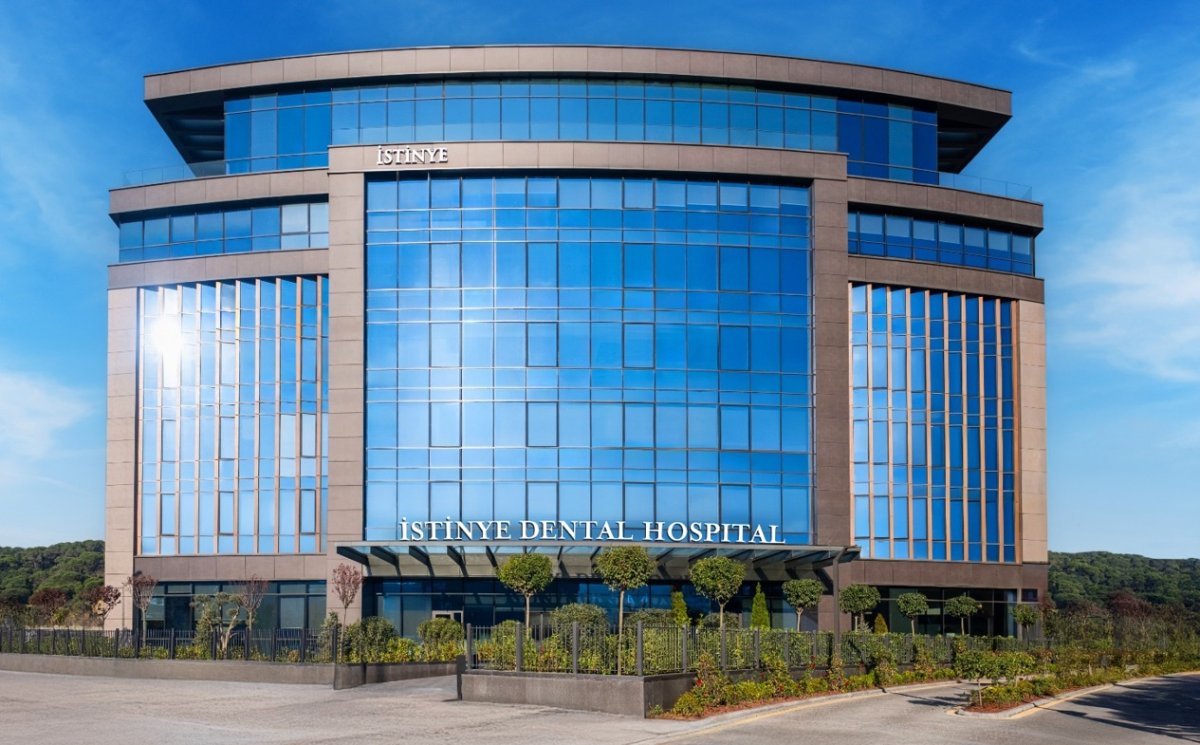
Perspectiva del experto de Bookimed: Los datos muestran que los resultados más fiables para trabajos de restauración provienen de clínicas afiliadas a universidades o grandes grupos médicos. Por ejemplo, el Hospital Dental İstinye combina la investigación académica con tecnología moderna. Estas instituciones a menudo brindan una mejor fiabilidad a largo plazo que las pequeñas boutiques independientes porque priorizan la educación clínica sobr
¿Cuánto dura un puente dental de metal?
Los puentes dentales de metal suelen durar entre 15 y 20 años, superando a menudo a las alternativas de porcelana en durabilidad. Su longevidad depende de aleaciones de alta calidad, una higiene bucal meticulosa y la salud estructural de los dientes de soporte. Aunque 10 años es lo habitual, un mantenimiento adecuado puede prolongar su vida útil significativamente.
- Calidad del material: Las aleaciones de alto grado como el cobalto-cromo proporcionan una resistencia superior a las fracturas bajo una fuerte presión de mordida.
- Mantenimiento de la higiene: El uso diario de irrigadores bucales debajo del póntico previene enfermedades de las encías y caries.
- Protección contra la mordida: El uso de férulas nocturnas para el bruxismo evita el desgaste excesivo de la estructura metálica y las coronas.
- Precisión clínica: La cementación precisa en clínicas acreditadas por la JCI asegura un sellado hermético contra bacterias y placa.
Perspectiva del experto de Bookimed: Los datos de centros académicos turcos muestran una clara brecha de longevidad basada en la especialización de la clínica. Los hospitales multidisciplinarios como Memorial Bahçelievler a menudo logran mejores resultados a largo plazo porque integran chequeos de salud periodontal antes de la colocación. Seleccionar una clínica con un alto volumen de pacientes, como Medipol con 35,00
¿Es doloroso el procedimiento?
Los procedimientos de puentes dentales de metal en Turquía son prácticamente indoloros debido a la anestesia local avanzada y los flujos de trabajo digitales. Los pacientes generalmente no experimentan dolor agudo durante la preparación de los dientes, aunque es común sentir una ligera presión. La sensibilidad de las encías después del procedimiento suele desaparecer en un plazo de tres a siete días utilizando medicamentos de venta libre.
- Protocolo de anestesia: Los cirujanos utilizan infiltración local para bloquear todas las señales de dolor durante el remodelado dental.
- Precisión digital: El ajuste guiado por computadora garantiza la alineación del puente, evitando molestias a largo plazo relacionadas con la mordida.
- Periodo de sensibilidad: La sensibilidad leve en las encías dura de 3 a 7 días y se controla fácilmente con ibuprofeno.
- Sensibilidad térmica: La conductividad térmica del metal puede causar una breve sensibilidad al frío durante un máximo de dos semanas.
Perspectiva de expertos de Bookimed: Los centros dentales turcos suelen utilizar protocolos de una sola visita e impresiones digitales para minimizar el tiempo en el sillón. El Dr. Ufuk Zeren del Ata Health Center utiliza estas herramientas digitales para reducir la manipulación de los tejidos. Esta eficiencia acorta la fase inflamatoria en comparación con el enfoque tra
¿Qué suele incluir un paquete de puente dental?
Un paquete de puente dental de metal en Turquía generalmente incluye la prótesis de varias unidades, anestesia local y servicios de instalación profesional. Cubre el diente artificial póntico, las coronas de anclaje para los dientes pilares, los exámenes clínicos, las radiografías y la cementación final durante 2-3 citas programadas.
- Prótesis principal: Incluye el póntico artificial y coronas personalizadas de metal o metal-cerámica.
- Servicios clínicos: Cubre la preparación de los dientes, impresiones digitales, igualación de color y ajustes finales de mordida.
- Imágenes de diagnóstico: Los paquetes estándar suelen incluir radiografías iniciales para evaluar el hueso y los dientes de anclaje.
- Honorarios médicos: Los honorarios profesionales del dentista y la anestesia local suelen estar integrados.
Perspectiva del experto de Bookimed: Los datos de clínicas líderes como Memorial Şişli y Medipol muestran que los centros afiliados a universidades a menudo incluyen imágenes 3D avanzadas en su precio base. De $480.
Consenso de los pacientes: Los pacientes recomiendan obtener un presupuesto detallado
¿Cuánto tiempo necesito quedarme en Turquía para un puente metálico?
Los pacientes suelen necesitar de 5 a 7 días en Turquía para un puente dental metálico. Este plazo permite la preparación de los dientes, la fabricación en laboratorio del puente personalizado y el ajuste final. La mayoría de los casos requieren de 2 a 3 citas para asegurar una mordida precisa y un acabado estético.
- Cronograma del tratamiento: Espere de 3 a 4 días para el trabajo de laboratorio entre las impresiones iniciales y la cementación.
- Flujo de trabajo clínico: La primera visita implica el remodelado de los dientes, mientras que la segunda visita asegura el puente permanente.
- Logística de viaje: La atención ambulatoria permite a los pacientes explorar Turquía durante el período de espera de la fabricación.
- Tipo de anestesia: Los dentistas utilizan anestesia local para mayor comodidad durante la preparación y el ajuste final.
Perspectiva del experto de Bookimed: Elegir una clínica afiliada a una universidad, como el Hospital Dental de la Universidad Medipol de Ankara, a menudo acelera el proceso. Estos centros gestionan grandes volúmenes, hasta 35.000 pacientes al año, y a menudo albergan laboratorios avanzados. Esta infraestructura académica suele dar lugar a una fabricación de puentes más eficiente que en consultorios dentales independientes más pequeños.
Consenso de los pacientes: Los pacientes a menudo
¿Puedo comer normalmente con un puente metálico?
Los pacientes pueden comer normalmente con un puente dental metálico una vez que finaliza la fase de ajuste inicial. Estas restauraciones estabilizan su mordida y restauran la función masticatoria completa. La mayoría de las personas vuelven a una dieta completa en un plazo de 4 a 6 semanas, a medida que el cemento dental se endurece por completo y la sensibilidad disminuye.
- Fase de transición: Comience con alimentos blandos como yogur durante 72 horas antes de pasar a los sólidos.
- Gestión de la mordida: Mastique de manera uniforme en ambos lados para distribuir la presión y evitar favorecer el puente.
- Restricciones alimentarias: Limite los alimentos pegajosos como el caramelo o los caramelos duros para evitar que el puente se desprenda.
- Higiene bucal: Utilice irrigadores bucales o enhebradores de hilo dental diariamente para eliminar los alimentos atrapados debajo del póntico.
Perspectiva del experto de Bookimed: Los puentes a base de metal proporcionan una durabilidad superior para los dientes posteriores, donde la fuerza de mordida es mayor. Aunque las opciones de metal-cerámica son populares en Turquía, el metal completo en la parte posterior añade longevidad estructural. Médicos como Yusuf Yancar enfatizan que limpiar el espacio debajo del puente es lo que realmente determina la comodidad alimentaria a largo plazo.
C