Puente dental metálico en España — obtén 3 clínicas con costos


Revisado médicamente por
Fahad Mawlood
¿Cuál es el precio de Puente dental metálico en España? Descubra ahora
El costo de un puente dental metálico en España suele oscilar entre $1,300 y $2,300. Los precios varían según el número de dientes ausentes, el tipo de aleación metálica utilizada, la complejidad del caso y la ubicación y reputación de la clínica. En Estados Unidos, el costo promedio es de $3,300 (según la ADA). Esto significa que obtener un puente dental metálico en España puede costar aproximadamente un 45% menos que en EE. UU.
Las clínicas españolas suelen incluir la consulta inicial, la evaluación preoperatoria, un plan de tratamiento personalizado, la prótesis dental temporal si es necesaria, la medicación postoperatoria, las visitas de seguimiento, las instrucciones de cuidado y atención al paciente 24/7. En EE. UU., el precio cotizado a menudo cubre solo el puente en sí, mientras que las consultas, soluciones temporales y seguimientos se facturan por separado. Siempre confirmar exactamente qué está incluido en cada clínica.
| España | Estados Unidos | México | |
|---|---|---|---|
| Puente dental metálico | ≈ $1,300 | ≈ $2,500 | ≈ $1,500 |
Sus beneficios y garantías con Bookimed
Precios directos
Bookimed no añade cargos adicionales a los precios de Puente dental metálico. Las tarifas proceden de las listas de precios oficiales de las clínicas. Pagará directamente en la clínica por su Puente dental metálico a su llegada al país.
Sólo clínicas y médicos verificados
Bookimed está comprometido con su seguridad. Solo trabajamos con las clínicas que mantienen altos estándares internacionales en Puente dental metálico y tienen las licencias necesarias para atender a pacientes internacionales en todo el mundo.
Asistencia 24/7 gratuita
Bookimed ofrece asistencia experta gratuita. Un coordinador médico personal le apoya antes, durante y después del tratamiento, resolviendo cualquier problema. Nunca estará solo en su viaje médico de Puente dental metálico.

Su coordinador médico personal de Bookimed
- Le apoya en cada etapa
- Ayuda a elegir la clínica y el médico adecuados
- Asegura un acceso rápido y conveniente a la información
Descubra las mejores clínicas de Puente dental metálico en España: 1 opciones verificadas y Precios


Descripción general de Puente dental metálico en España
- Instalación de puentes dentales - de $490Esta terapia reemplaza los dientes perdidos, involucrando el anclaje de un diente artificial a los naturales adyacentes, mejorando la sonrisa y la capacidad de masticación.
- Instalación del puente de Maryland - de $560El procedimiento consiste en asegurar un diente postizo usando alas pegadas a los dientes adyacentes, mejorando la estética de la sonrisa.
- Puente dental para muelas - de $1,300Esta terapia reemplaza los dientes posteriores faltantes, utilizando coronas en los dientes adyacentes como soporte, mejorando la capacidad de masticación.
- Puente dental metálico - de $1,300Esta terapia reemplaza los dientes perdidos utilizando una estructura de metal fuerte, que ofrece robustez, durabilidad y un aspecto natural.
- Puente dental de porcelana - de $940La operación crea un diente artificial de aspecto natural para reemplazar los que faltan, utilizando un material duradero pero cosmético.
- Puente dental de zirconio - de $1,800Esta terapia reemplaza los dientes perdidos utilizando cerámicas fuertes del color de los dientes, lo que brinda un aspecto natural con una función de masticación mejorada.
- Puente dental voladizo (cantiléver) - de $1,900Esta terapia reemplaza los dientes perdidos usando dientes de anclaje y un diente protésico, brindando firmeza y un aspecto natural.
- Puente unido con resina - de $750Esta terapia reemplaza un diente perdido, utilizando un diente postizo conectado por resina a los dientes vecinos, dejándolos intactos.
Día 1
- Llegada al país y check-in en el hotel.
- Descanso y aclimatación al nuevo entorno.
Dia 2
- Primera consulta con el especialista dental.
- Someterse a las pruebas médicas y radiografías necesarias.
Día 3
- Segunda consulta para discutir los resultados y el plan de tratamiento.
- Preparación de los dientes para el puente dental.
Día 4
- Colocación del puente dental metálico bajo anestesia local.
- El procedimiento puede durar de 2 a 3 horas, dependiendo de la complejidad.
Dia 5
- Día de recuperación con descanso y manejo del dolor si es necesario.
día 6
- Control postoperatorio y ajuste del puente dental.
- Se dan instrucciones sobre higiene bucal y mantenimiento del puente.
Día 7
- Consulta final y sesión de retroalimentación con el dentista.
- Preparación para la salida.
Semana 1-2
- Período de rehabilitación con dieta blanda y cuidadosa higiene bucal.
- Seguimiento periódico del estado del puente y de la boca.
Semana 3
- Reanudar la dieta normal y las actividades diarias.
- Cepillado regular y uso de hilo dental alrededor del puente.
Semana 4
- Resultado final visible con un puente totalmente cicatrizado y funcional.
- Continuar con los chequeos dentales regulares en el país de origen.
Tenga en cuenta que el caso de cada paciente es diferente y el procedimiento y el tiempo de recuperación pueden variar. Siempre consulte con el dentista tratante para obtener la información más precisa.
- Depósito de Bookimed: 200 $ o 200 €.
- Depósito de la clínica: Pague un porcentaje fijo por adelantado.
Historias en video de pacientes de Bookimed
Reseñas
Todas las reseñasCompartir contenido
 Olena Sikoza
Datos сlave sobre Puente dental metálico

Puente Dental de Metal
Un puente dental de metal es una prótesis dental fija utilizada para reemplazar dientes faltantes anclándose a dientes adyacentes o implantes.
Preguntas frecuentes sobre Puente dental metálico en España
¿Qué es un puente dental metal-cerámico?
Un puente dental metal-cerámico, o puente de porcelana fundida sobre metal (PFM), utiliza un núcleo de aleación metálica resistente recubierto con porcelana del color del diente. Esta prótesis duradera reemplaza los dientes faltantes anclándose a los dientes naturales adyacentes o implantes, combinando una integridad estructural de resistencia industrial con una apariencia natural.
- Material del núcleo: Utiliza aleaciones de oro, plata o metales base para una alta durabilidad estructural.
- Capa exterior: La porcelana dental de tono personalizado gestiona la estética y coincide con los dientes naturales circundantes.
- Resistencia a la mordida: Ideal para molares posteriores debido a su resistencia contra la fuerte presión de mordida.
- Tasa de éxito: Rendimiento probado a largo plazo con tasas de supervivencia que a menudo se extienden durante varias décadas.
Perspectiva del experto de Bookimed: Aunque muchos pacientes priorizan las opciones totalmente cerámicas, los puentes PFM siguen siendo el estándar de oro técnico para restauraciones de larga extensión. El marco metálico proporciona una ligera flexibilidad de la que carece la zirconia. Esto ayuda a prevenir fracturas catastróficas en puentes que reemplazan cuatro o más dientes.
Consenso de los pacientes: Los pacientes valoran la longevidad de estos puentes, señala
¿Cuánto duran los puentes dentales de metal?
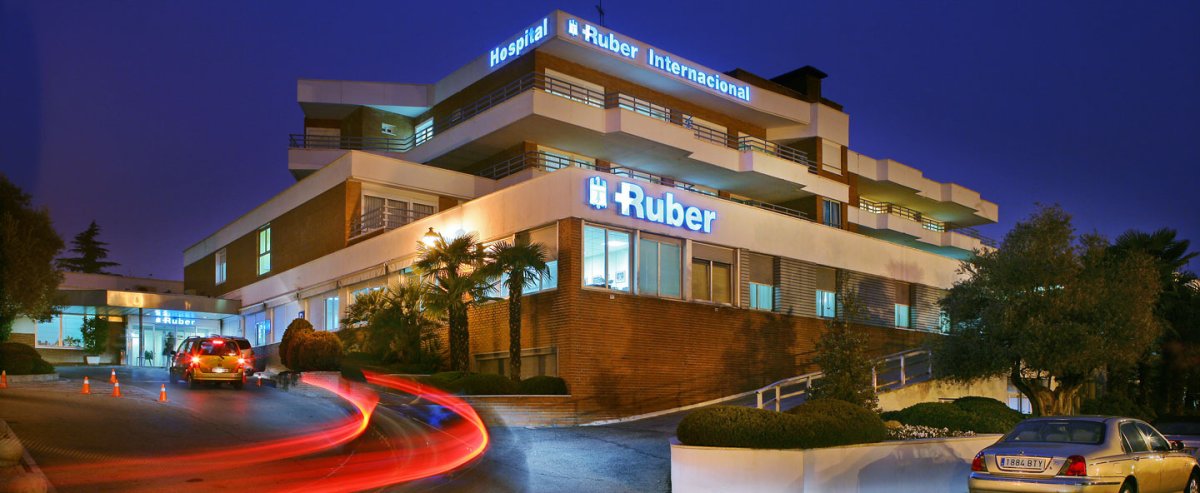
Los puentes dentales de metal suelen durar de 15 a 20 años. Las aleaciones de alta calidad o el oro a menudo pueden superar este plazo. Su longevidad depende de una instalación profesional en centros como el Hospital Ruber Internacional. Mantener la salud de los dientes pilares mediante una higiene rigurosa es crucial para prevenir el fallo del puente.
- Vida útil media: La mayoría de los puentes basados en metal duran entre 15 y 20 años en total.
- Durabilidad superior: Las estructuras metálicas resisten mejor las fracturas que los materiales rígidos como la zirconia.
- Factor de éxito: La longevidad depende de prevenir la caries bajo los márgenes del puente dental.
- Rutina de mantenimiento: El uso diario de hilo dental protege los dientes de soporte subyacentes.
Opinión experta de Bookimed: El metal es la opción superior para puentes de larga extensión que involucran 4 o más unidades. Nuestros datos muestran que estas estructuras manejan mejor la presión de la mordida que las opciones totalmente cerámicas. Las clínicas en Madrid ofrecen atención acreditada por la JCI por aproximadamente un 45% menos que los costos en EE. UU.
Consenso de los pacientes: Los pacientes enfatizan que el uso de irrigadores bucales es vital para la salud del puente. Muchos informan que los puentes de metal se sienten se
¿Existen desventajas en los puentes metálicos?
Los puentes dentales metálicos presentan varias desventajas, incluyendo problemas estéticos como un tinte grisáceo y márgenes metálicos visibles en la línea de las encías. Requieren un tallado agresivo de los dientes adyacentes sanos, lo que puede debilitar la estructura dental natural y hacer necesario un reemplazo profesional cada 10 años en promedio.
- Limitaciones estéticas: Las estructuras metálicas a menudo se traslucen a través de la cerámica, creando una apariencia gris o oscura notable.
- Preparación dental: Los dientes pilares requieren una reducción significativa, eliminando permanentemente el esmalte sano para soportar el puente.
- Recesión gingival: A medida que las encías retroceden naturalmente, el borde metálico se vuelve visible como una línea oscura.
- Demandas de higiene: La acumulación de placa debajo del póntico requiere una limpieza diaria con hilo dental especializado o irrigadores bucales.
Perspectiva del experto de Bookimed: Aunque los puentes basados en metal tienen inconvenientes estéticos, ofrecen una ventaja mecánica para restauraciones de gran extensión. La metal-cerámica (PFM) proporciona una mejor flexibilidad que el circonio para puentes que reemplazan 4 o más dientes. Esta flexibilidad evita fracturas catastróficas en los conectores del puente bajo una fuerte presión de mordida.
Consenso de los p
¿Por qué elegir un puente metal-cerámico en lugar de uno totalmente cerámico en España?
Los pacientes eligen puentes metal-cerámicos en España por su superior resistencia a la fractura y durabilidad estructural en los dientes posteriores. Esta opción combina un núcleo metálico robusto con porcelana de aspecto natural, con un coste de entre $1,300 y $2,300, lo que supone un ahorro aproximado del 45% en comparación con la media de EE.UU. de $3,300.
- Resistencia estructural: El núcleo metálico interno evita fracturas bajo una presión de masticación intensa.
- Restauración asequible: Suele ser la prótesis fija más económica en comparación con las alternativas de circonio.
- Longitud del puente: Ideal para puentes de gran extensión que sustituyen tres o más dientes posteriores.
- Longevidad probada: Historial clínico consolidado de 10 a 15 años de duración.
Opinión del experto de Bookimed: Aunque muchas clínicas premium se centran en el circonio de alta estética, centros de gran volumen como el Hospital Ruber Internacional mantienen una calidad certificada por la ISO para los puentes metal-cerámicos (PFM). Elegir metal-cerámica para los molares en lugar de cerámica integral puede ahorrarle casi 1.000 dólares por puente sin comprometer la funcionalidad. Esto lo convierte en la opción más inteligente para las zonas no visibles.
Consenso de los pacientes:<
¿Necesito estar en España durante todo el proceso?
No necesita permanecer en España durante todo el proceso del puente dental metálico. El procedimiento generalmente requiere dos visitas separadas. La mayoría de los pacientes regresan a casa entre citas mientras el laboratorio dental fabrica a medida el puente permanente para garantizar un ajuste perfecto.
- Visita de preparación: Los cirujanos preparan sus dientes y colocan un puente temporal para protección.
- Periodo de curación: Las encías generalmente requieren de 10 a 14 días para sanar antes del ajuste final.
- Fabricación de laboratorio: Los técnicos crean su puente permanente durante el intervalo de 2 semanas entre viajes.
- Visita de ajuste: La segunda cita incluye la instalación del puente permanente y una combinación precisa de colores.
Perspectiva del experto de Bookimed: Aunque muchos piensan que el trabajo dental requiere meses en el extranjero, los puentes metálicos son más rápidos que los implantes. Dado que no se requiere fusión ósea maxilar, puede completar todo el proceso de restauración en dos viajes cortos. Elegir clínicas con laboratorios en el sitio a veces puede reducir significativamente el periodo de espera de 14 días.
Consenso de los pacientes: Los pacientes enfatizan el uso diligente del puente temporal para proteger los dientes sensibles. Muchos sugieren enviar radiografías digitales de ante