Harley Street Clinic
Reino Unido, Londres


Revisado médicamente por
Fahad Mawlood
De $1,500. Las intervenciones quirúrgicas como una craneotomía varían de $31,000 a $46,000, mientras que los procedimientos avanzados de Gamma Knife cuestan entre $15,500 y $21,500. Los gastos finales dependen del grado del tumor, la duración de la estancia hospitalaria y la tecnología específica utilizada. Las principales ciudades para la atención oncológica privada incluyen Londres y Birmingham.
Costos típicos del tratamiento del cáncer cerebral en el Reino Unido
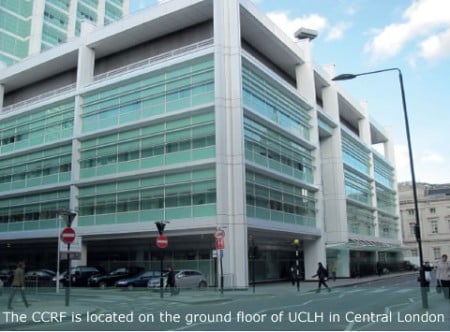
Perspectiva de expertos de Bookimed: Los pacientes que buscan un acceso rápido a diagnósticos avanzados deben priorizar las redes privadas con sede en Londres. Harley Street en el University College Hospital ofrece procedimientos de diagnóstico y tratamiento las 24 horas del día, los 7 días de la semana. Esta institución conjunta ofrece atención oncológica especializada con acreditaciones CQC e ISO. Para casos complejos, Harley Street Clinic brinda acceso a la red de atención médica privada más grande del Reino Unido. Estos centros son los más adecuados para pacientes internacionales que necesitan supervisión multidisciplinaria inmediata sin listas de espera.
| Reino Unido | España | Turquía | |
|---|---|---|---|
| Tomoterapia | ≈ $11,500 | ≈ $7,500 | de $6,700 |
| Terapia con haz de protones | ≈ $90,000 | de $43,300 | de $25,000 |
| Resección de glioma | ≈ $41,000 | de $50,400 | de $14,300 |
| Radiocirugía estereotáxica | ≈ $12,500 | de $18,100 | de $6,400 |
| Radiocirugía de un tumor cerebral | ≈ $14,500 | de $12,000 | de $5,000 |
Bookimed no añade cargos extra a los precios de los tratamientos de Cáncer de cerebro. Las tarifas proceden de las listas de precios oficiales de las clínicas. Pagará directamente en la clínica por su tratamiento a su llegada al país.
Bookimed está comprometido con su seguridad. Solo trabajamos con las clínicas que mantienen altos estándares internacionales en el tratamiento de Cáncer de cerebro y cuentan con las licencias necesarias para atender a pacientes internacionales en todo el mundo.
Bookimed ofrece asistencia experta gratuita. Un coordinador médico personal le apoya antes, durante y después de su tratamiento, resolviendo cualquier problema. Nunca estará solo en su viaje médico de tratamiento de Cáncer de cerebro.


Escrito por Veronika Kazina

Escrito por Veronika Kazina

Escrito por Veronika Kazina

Escrito por Veronika Kazina

Escrito por Veronika Kazina
 Olena Sikoza
Las decisiones sobre el tratamiento de tumores cerebrales en el Reino Unido siguen el marco de las directrices NICE NG99. Un equipo multidisciplinario especializado en neurooncología revisa todos los casos sospechosos. Este equipo incluye neurocirujanos, oncólogos y patólogos. Colaboran para confirmar el grado del tumor y los marcadores moleculares antes de recomendar cirugía o radiación.
Perspectiva del experto de Bookimed: Los centros de Londres ofrecen tecnologías altamente especializadas que influyen en la ruta de tratamiento. Harley Street Clinic fue el primer centro en el Reino Unido en ofrecer CyberKnife. Harley Street en el University College Hospital cuenta con acreditaciones de CQC y JACIE. Estas credenciales aseguran que los pacientes reciban atención que cumple
El tratamiento del cáncer cerebral en el NHS implica cirugía, radioterapia y quimioterapia coordinadas por equipos multidisciplinarios. Los protocolos estándar incluyen la resección o reducción del tumor para preservar la función cerebral. Opciones avanzadas como la terapia de protones y la radiocirugía estereotáctica están disponibles en centros nacionales designados para casos clínicos específicos.
Perspectiva del experto de Bookimed: Aunque las vías estándar del NHS utilizan cirugía y quimioterapia, el acceso a tecnologías específicas varía según el centro. Por ejemplo, la Harley Street Clinic fue la primera en ofrecer CyberKnife en el Reino Unido. Los pacientes deben confirmar si su centro asignado ofrece estas opciones especializadas de radiocirugía no invasiva.
Consenso de los p
Los pacientes en el Reino Unido acceden a tratamientos innovadores para el cáncer cerebral a través de ensayos clínicos y programas especializados del NHS. Los centros líderes ofrecen radiocirugía avanzada como CyberKnife y terapia de protones. Las asociaciones de investigación clínica proporcionan acceso temprano a medicamentos experimentales antes de que reciban la aprobación regulatoria estándar.
Perspectiva del experto de Bookimed: El acceso a ensayos clínicos a menudo depende de los resultados de las pruebas moleculares. Los pacientes deben solicitar informes de patología temprano para identificar mutaciones tumorales específicas. Los centros centrados en la investigación, como Harley Street en el University College Hospital, mantienen mayores volúmenes de ensayos. Estas instituciones a menudo cierran la brecha entre la investigación experimental y la atención cl
El tratamiento del cáncer cerebral afecta la vida diaria a través de la fatiga física y los cambios cognitivos. La terapia interrumpe la conducción y el trabajo debido a los riesgos de convulsiones y la reducción de la concentración. Los centros especializados en Londres ofrecen diagnósticos avanzados como resonancia magnética cerebral con contraste y exploraciones PET/CT. Estos ayudan a los equipos a controlar su recuperación y seguridad.
Perspectiva del experto de Bookimed: Las clínicas de Londres ofrecen una ventaja clínica única a través de asociaciones de investigación integradas. Por ejemplo, Harley Street en el University College Hospital colabora con el Sarah Cannon Research Institute. Esto brinda a los pacientes acceso a ensayos clínicos no disponibles en centros más pequeños. Estos ensayos a menudo brindan acc
La rehabilitación neurológica en el Reino Unido sigue un enfoque multidisciplinario centrado en la independencia funcional. Los centros especializados ofrecen neurofisioterapia, terapia ocupacional y rehabilitación cognitiva. Los servicios abordan las habilidades motoras, el habla y las necesidades neuropsicológicas a través de vías de hospitalización y ambulatorias en los sectores público y privado.
Opinión del experto de Bookimed: El acceso a la rehabilitación en Londres está altamente concentrado en centros especializados. Harley Street en el University College Hospital cuenta con certificaciones de la Care Quality Commission (CQC) e ISO. Esto garantiza la seguridad clínica para pacientes con cáncer complejo. La Harley Street Clinic ofrece CyberKnife, que requiere un seguimiento específico después del tratamiento. Recomendamos confirmar su derivación de un neurólogo con
Un enfermero clínico especialista (CNS) es un profesional de enfermería de práctica avanzada con nivel de maestría que se centra en cuidados especializados como la neurooncología. Coordinan las rutas de tratamiento, gestionan los síntomas y sirven de puente de comunicación entre los pacientes y los consultores. Puede contactarlos a través de las centralitas de los hospitales o consultando los documentos de alta clínica para obtener líneas directas.
Perspectiva del experto de Bookimed: Los indicadores de calidad ayudan a identificar dónde el apoyo de enfermería de alto nivel es el estándar. Centros como la Harley Street Clinic cuentan con la marca de calidad Macmillan Quality Environment Mark. Este premio específico indica que la instalación mantiene estándares rigurosos para el apoyo al paciente y entornos de enfermería especializados. Al elegir una clínica para el cáncer cerebral, buscar estas cer