Tratamiento de Cáncer de cerebro en Turquía — obtenga 3 coincidencias personalizadas de clínicas


Revisado médicamente por
Fahad Mawlood
Cómo funciona
¿Cuál es el precio del diagnóstico y los tratamientos de Cáncer de cerebro en Turquía? Descubra ahora
El costo del tratamiento del cáncer cerebral en Turquía varía según los procedimientos y servicios específicos requeridos. Una consulta con un neurocirujano o un neurólogo cuesta 188 €. El procedimiento quirúrgico, que incluye PET-CT, chequeos auditivos y resección de tumor cerebeloso con neuromonitoreo, tiene un precio de 23.500 €. La quimioterapia comienza en 987 € para el primer tratamiento, mientras que 30 sesiones de radioterapia combinadas con medicación cuestan 6.768 €. El plan de tratamiento se adapta después de una evaluación exhaustiva por parte del equipo médico.
| España | Turquía | México | |
|---|---|---|---|
| Tomoterapia | ≈ $7,500 | de $6,700 | ≈ $9,000 |
| Terapia con haz de protones | de $43,300 | de $25,000 | ≈ $38,000 |
| Resección de glioma | de $50,500 | de $14,300 | ≈ $14,000 |
| Radiocirugía estereotáxica | de $18,100 | de $6,400 | ≈ $9,500 |
| Radiocirugía de un tumor cerebral | de $12,000 | de $5,000 | ≈ $9,500 |
Descubra las mejores clínicas de tratamiento de Cáncer de cerebro en Turquía: 42 opciones verificadas y Precios









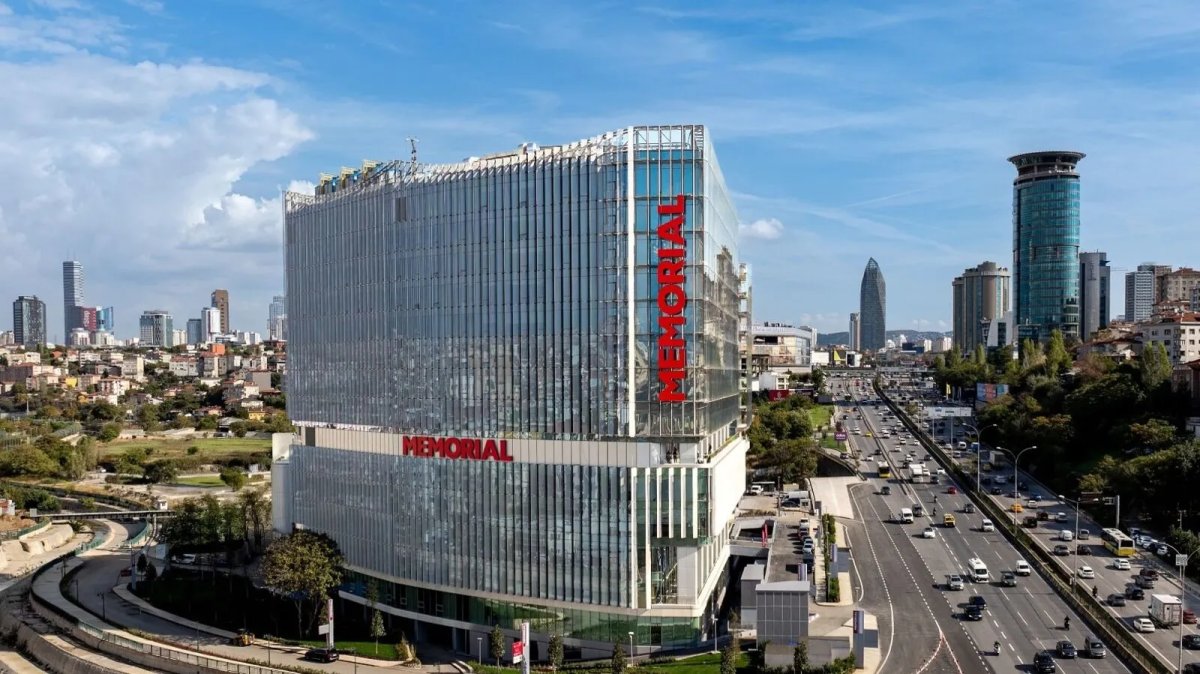
Memorial Göztepe Hospital


Obtenga una evaluación médica de tratamiento de Cáncer de cerebro en Turquía: haga una consulta con 51 médicos experimentados ahora
Ver todos los médicos
Bulent Karagoz
El Dr. Bülent Karagöz cuenta con más de 33 años de experiencia en oncología médica, especializándose en biología tumoral e inmunoterapia para el cáncer cerebral en el Anadolu Medical Center.
- Profesor de Oncología Médica en la Universidad Okan de Estambul
- Ex jefe de Oncología Médica en el Hospital de Formación GATA Haydarpaşa
- Ha publicado más de 40 artículos de investigación sobre tratamientos contra el cáncer
- Miembro de la Asociación Turca de Oncología Médica
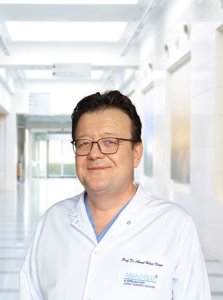
Ahmet Hilmi Kaya
El Prof. Dr. Ahmet Hilmi Kaya es profesor de neurocirugía en el Centro Médico Anadolu, en Gebze (Turquía). Obtuvo el título de médico (MD) en la Universidad de Estambul, Cerrahpaşa (programa en inglés), donde realizó la residencia en neurocirugía entre 1996 y 2003. Fue nombrado profesor en 2015. Realizó estancias de observación en la Universidad de Maastricht en 2007 y 2009.
Su actividad clínica abarca la neurocirugía funcional y estereotáxica, incluida la estimulación cerebral profund
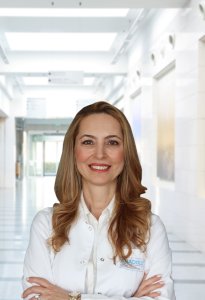
Banu Atalar
La Dra. Banu Atalar es oncóloga radioterápica con certificación de especialidad (Turquía, 2004). Es catedrática en la Universidad Acibadem MAA (2018–presente) y médica en Anadolu Medical Center (2026–presente). Se formó en Estambul y en Cerrahpaşa. En 2011 completó una beca de investigación clínica en Stanford en radiocirugía estereotáctica. Su práctica se centra en tumores del SNC, torácicos y gastrointestinales. Aproximadamente el 75% de su actividad clínica implica SRS y SRS adaptativa gui
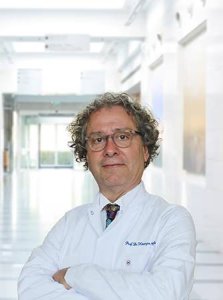
Huseyin Baloglu
El Prof. Hüseyin Baloğlu es especialista en patología en el Centro Médico Anadolu, en Gebze, Kocaeli, Turquía. Se centra en la patología molecular y quirúrgica, y en la biopsia y el diagnóstico de tumores.
Formación y acreditaciones: Médico (MD), Escuela de Medicina de GATA (1986). Especialidad en Patología, GATA (1992). Profesor asociado (Doçent), GATA (2004). Investigador visitante en el Albert Einstein College of Medicine (Nueva York) y la Universidad de Heidelberg.
Logros: a
Artículos relacionados

¿Cómo se manifiesta el cáncer de cerebro? Signos y síntomas del cáncer de cerebro
Escrito por Veronika Kazina

Cáncer cerebral: causas, factores de riesgo y estadísticas
Escrito por Veronika Kazina

Diagnóstico de cáncer de cerebro en la etapa temprana. Consejos para la detección del cáncer de cerebro.
Escrito por Veronika Kazina

Todo lo que todos necesitan saber sobre las etapas del cáncer de cerebro. Etapa inoperable.
Escrito por Veronika Kazina

Tratamiento del cáncer cerebral en Israel: innovaciones que salvan vidas
Escrito por Veronika Kazina
Compartir contenido
Historias en video de pacientes de Bookimed
 Olena Sikoza
Preguntas frecuentes sobre el tratamiento de Cáncer de cerebro en Turquía
¿Puedo inscribirme en un ensayo clínico mientras recibo tratamiento en Turquía?
Los pacientes que reciben tratamiento para el cáncer cerebral en Turquía pueden inscribirse en ensayos clínicos a través de unidades de investigación especializadas. Las instalaciones turcas siguen las regulaciones de la TİTCK y las normas éticas internacionales. La inscripción requiere consentimiento informado y una elegibilidad específica basada en marcadores moleculares tumorales o antecedentes de radiación.
- Organismo regulador: Los ensayos son autorizados por la Agencia de Productos Farmacéuticos y Dispositivos Médicos (TİTCK).
- Unidades de investigación: El Hospital Memorial Göztepe mantiene una unidad dedicada a innovaciones de tratamiento globales.
- Ubicaciones principales: La mayor parte de la investigación clínica activa ocurre en los principales hospitales universitarios de Estambul.
- Factores de elegibilidad: La participación depende del tipo de tumor, el historial de cirugías y períodos de lavado específicos.
Opinión del experto de Bookimed: Los datos de Bookimed muestran que el Hospital Memorial Göztepe es una opción estratégica para la atención orientada a la investigación. Es su instalación número 13 y cuenta con una unidad de investigación clínica centrada en innovaciones globales. Esto es raro entre los hospitales privados. Los pacientes allí tienen acceso a tecnologías de resonancia magnética de 3 Teslas asistida por IA y
¿Es seguro viajar a Turquía para el tratamiento de tumores cerebrales?
Turquía es un destino seguro y de alta calidad para el tratamiento de tumores cerebrales. Las instalaciones acreditadas por la JCI utilizan tecnologías avanzadas como la radiocirugía Gamma Knife y CyberKnife. Los neurocirujanos altamente calificados a menudo tienen más de 20 años de experiencia. Las clínicas siguen estrictos protocolos de seguridad internacionales para la extirpación compleja de tumores.
- Estándares de las instalaciones: La mayoría de las mejores clínicas cuentan con la acreditación de la Joint Commission International (JCI) para la seguridad.
- Experiencia en neurocirugía: Cirujanos como el Dr. Ertugrul Pinar han realizado más de 900 procedimientos cerebrales.
- Tecnología avanzada: Los centros utilizan resonancia magnética de 3 Teslas y resonancia intraoperatoria para un monitoreo preciso de tumores.
- Atención colaborativa: Los principales hospitales mantienen afiliaciones con instituciones importantes como Johns Hopkins Medicine.
Opinión del experto de Bookimed: El volumen de pacientes es un indicador de seguridad importante en Turquía. El Centro Médico Anadolu trata a 65,000 pacientes cada año. Este volumen masivo garantiza que los neurocirujanos gestionen casos complejos a diario. Su experiencia con tipos de tumores raros minimiza los riesgos quirúrgicos inesperados.
Consenso de los pacientes: Los pacient
¿Están calificados los neurocirujanos turcos para realizar cirugías complejas de tumores cerebrales?
Los neurocirujanos turcos están altamente calificados para cirugías complejas de tumores cerebrales. Muchos poseen cátedras y becas internacionales en instituciones como Yale. Utilizan tecnologías avanzadas, incluyendo resonancia magnética intraoperatoria y Gamma Knife. Los centros líderes mantienen la acreditación de la Joint Commission International y utilizan protocolos clínicos estadounidenses para garantizar la seguridad.
- Experiencia especializada: El Prof. Dr. Nejat Akalan tiene más de 35 años de experiencia en neurocirugía.
- Alto volumen de procedimientos: Cirujanos como el Dr. Ertugrul Pinar han realizado más de 900 resecciones de tumores cerebrales.
- Imágenes avanzadas: Las clínicas utilizan O-arm, resonancia magnética intraoperatoria y mapeo cerebral despierto para lograr precisión.
- Formación internacional: Muchos especialistas completaron becas en Alemania o Estados Unidos.
Opinión del experto de Bookimed: Aunque muchos eligen Turquía por su tecnología, el verdadero diferenciador son los cirujanos que se especializan en ubicaciones tumorales específicas. Por ejemplo, algunos expertos se centran exclusivamente en la cirugía endoscópica de base de cráneo en lugar de la neurocirugía general. Esta especialización explica por qué algunos centros privados reportan altas tasas de éxito para extirpaciones complejas de meningiomas.
¿Qué hospitales en Turquía son más reputados para el cuidado del cáncer cerebral?
Anadolu Medical Center, Medipol Mega University Hospital y Memorial Şişli Hospital se encuentran entre los centros más reputados de Turquía para el cáncer cerebral. Estas instalaciones acreditadas por la JCI emplean juntas de tumores multidisciplinarias. Utilizan tecnologías avanzadas como Gamma Knife, CyberKnife y MR Linac para casos complejos.
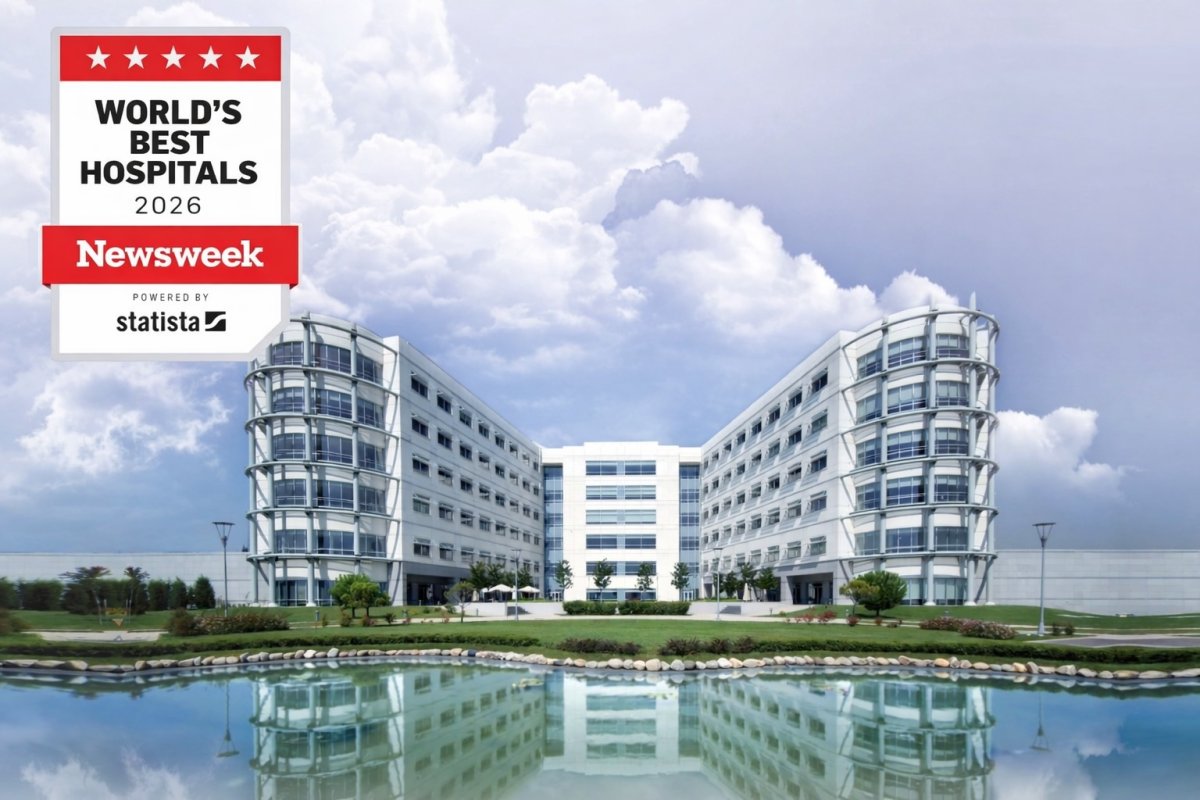
- Anadolu Medical Center: Afiliado al Hospital Johns Hopkins y clasificado entre los mejores hospitales del mundo para 2026.
- Medipol Mega Hospital: Cuenta con departamentos especializados para cirugía compleja de glioma y atiende a 1.000.000 de pacientes anualmente.
- Memorial Şişli Hospital: La primera instalación acreditada por la JCI en Turquía, con equipos avanzados de neurooncología y tecnología de TC de 512 cortes.
- Hisar Hospital Intercontinental: Emplea neurocirujanos con más de 900 procedimientos cerebrales para resecciones de tumores de alta precisión.
Opinión de expertos de Bookimed: Si bien muchos buscan el costo más bajo, nuestros datos muestran una brecha de calidad en la experiencia quirúrgica. En el Hospital Hisar, cirujanos como el Dr. Ertugrul Pinar han realizado más de 900 neurocirugías. Esta experiencia basada en el volumen es la razón por la cual los centros turcos mantienen altas tasas de éxito en craneotomías complejas.
Consenso de los pacientes: Los pac
¿Qué tecnologías avanzadas utilizan los hospitales turcos para el tratamiento de tumores cerebrales?
Los hospitales turcos utilizan tecnologías avanzadas como Gamma Knife, CyberKnife y resonancia magnética intraoperatoria (iMRI) para el tratamiento de alta precisión de tumores cerebrales. Los centros acreditados por la JCI en Estambul cuentan con imágenes de brazo en O (O-arm) y sistemas de neuronavegación. Estas herramientas permiten a los neurocirujanos mapear áreas cerebrales funcionales y maximizar la extirpación del tumor de forma segura.
- Radiocirugía de precisión: Los sistemas CyberKnife y Gamma Knife atacan los tumores con una precisión de radiación submilimétrica.
- Imágenes avanzadas: La resonancia magnética de 3 Teslas y el PET/CT digital proporcionan una localización tumoral de alta resolución.
- Navegación quirúrgica: Los sistemas O-arm y StealthStation actúan como un GPS para el mapeo cerebral en tiempo real.
- Monitorización intraoperatoria: Los cirujanos controlan la función nerviosa durante la operación para proteger las habilidades motoras.
Opinión de expertos de Bookimed: Los datos de los pacientes revelan un enfoque en la experiencia quirúrgica de alto volumen. El Dr. Nejat Akalan, en Medipol Mega, utiliza el sistema O-arm para mejorar la seguridad. Medipol atiende a 1.000.000 de pacientes al año. Elegir centros de alto volumen a menudo asegura el acceso a los sistemas robóticos más recientes como Da Vinci XI.
¿Qué se incluye habitualmente en los paquetes de tratamiento para pacientes internacionales?
Los paquetes de tratamiento de tumores cerebrales en Turquía suelen incluir la cirugía principal, los honorarios del cirujano y la anestesia. La mayoría de los programas ofrecen consultas preoperatorias e imágenes diagnósticas como resonancia magnética o tomografía computarizada. Por lo general, recibe un traslado del aeropuerto al hotel y acceso a un intérprete profesional para todas las citas médicas.
- Servicios médicos: Cubren la craneotomía o radiocirugía, los costos de quirófano y la atención de enfermería estándar.
- Diagnóstico: A menudo incluye análisis de sangre preoperatorios, tomografía computarizada cerebral postoperatoria y consultas con el neurocirujano.
- Logística: Proporciona traslado VIP del aeropuerto a la clínica y apoyo de un coordinador internacional de pacientes en inglés.
- Hospitalización: Una estancia estándar suele incluir de 1 a 3 noches en planta o en la unidad de cuidados intensivos.
Opinión de expertos de Bookimed: Los datos sobre los paquetes muestran un umbral de precio significativo de 7.000 dólares. Los paquetes por debajo de este precio a menudo no incluyen alojamiento en hotel, lo que requiere que los pacientes paguen por su cuenta 4 o más noches de estancia. Por el contrario, los paquetes más caros suelen incluir monitorización en la unidad de cuidados intensivos e imágenes postoperatorias avanzadas como r
¿Existen opciones de radiocirugía mínimamente invasiva para tumores cerebrales en Turquía?
Turquía ofrece radiocirugía mínimamente invasiva avanzada para tumores cerebrales a través de plataformas CyberKnife y Gamma Knife. Los principales centros acreditados por la JCI en Estambul utilizan estas tecnologías para tratar pequeñas lesiones, metástasis y meningiomas sin incisiones. Estos tratamientos centrados en la precisión a menudo sirven como alternativa para tumores profundos o inoperables.
- Tecnologías disponibles: Las clínicas utilizan CyberKnife, Gamma Knife y tomoterapia para la destrucción no quirúrgica de tumores.
- Estándares de precisión: Los cirujanos utilizan resonancia magnética intraoperatoria y neuronavegación para atacar los tumores con precisión.
- Marco temporal del tratamiento: La radiocirugía se completa generalmente en 1 a 5 sesiones ambulatorias.
- Acreditación de instalaciones: Las mejores clínicas como el Centro Médico Anadolu cuentan con certificaciones JCI e ISO.
Opinión de experto de Bookimed: El volumen de pacientes es un indicador importante de la calidad en la neurocirugía turca. El Hospital Universitario Medipol Mega atiende aproximadamente a 1.000.000 de pacientes al año. Esta alta frecuencia permite a los neurocirujanos adquirir una vasta experiencia con casos complejos. Elegir un centro de alto volumen a menudo garantiza el acceso a los equipos más modernos, como el sistema de imágenes O-arm.
¿Cuánto tiempo debo planificar mi estancia en Turquía para el diagnóstico y la operación?
Los pacientes deben planificar una estancia en Turquía de 5 a 14 días para una operación de tumor cerebral. El tratamiento de radiocirugía, como el Gamma Knife, requiere unos 4-5 días. Los procedimientos complejos, como la craneotomía para la resección de tumores, suelen requerir de 3 a 7 días de hospitalización antes del alta.
- Plazos de diagnóstico: Un examen integral, que incluye resonancia magnética cerebral y PET/CT, toma 3 días.
- Estancia para Gamma Knife: La mayoría de los pacientes requieren 0 noches en el hospital y 4 noches en el hotel.
- Recuperación tras craneotomía: Los paquetes quirúrgicos a menudo incluyen 3 noches en la unidad de cuidados intensivos.
- Flexibilidad del viaje: Los equipos médicos recomiendan 7 días adicionales en el lugar para un seguimiento postoperatorio seguro.
Opinión de expertos de Bookimed: Aunque el Gamma Knife suele ser un procedimiento ambulatorio, los paquetes quirúrgicos en centros como el Hisar Hospital Intercontinental a menudo incluyen una estancia en cuidados intensivos en el costo base. Esto es importante, ya que la monitorización intensiva durante las primeras 72 horas después de una craneotomía mejora significativamente los resultados. Elegir un paquete quirúrgico «todo incluido» generalmente garantiza que estos días críticos de recuperación estén organizados de antemano sin gastos imprevistos