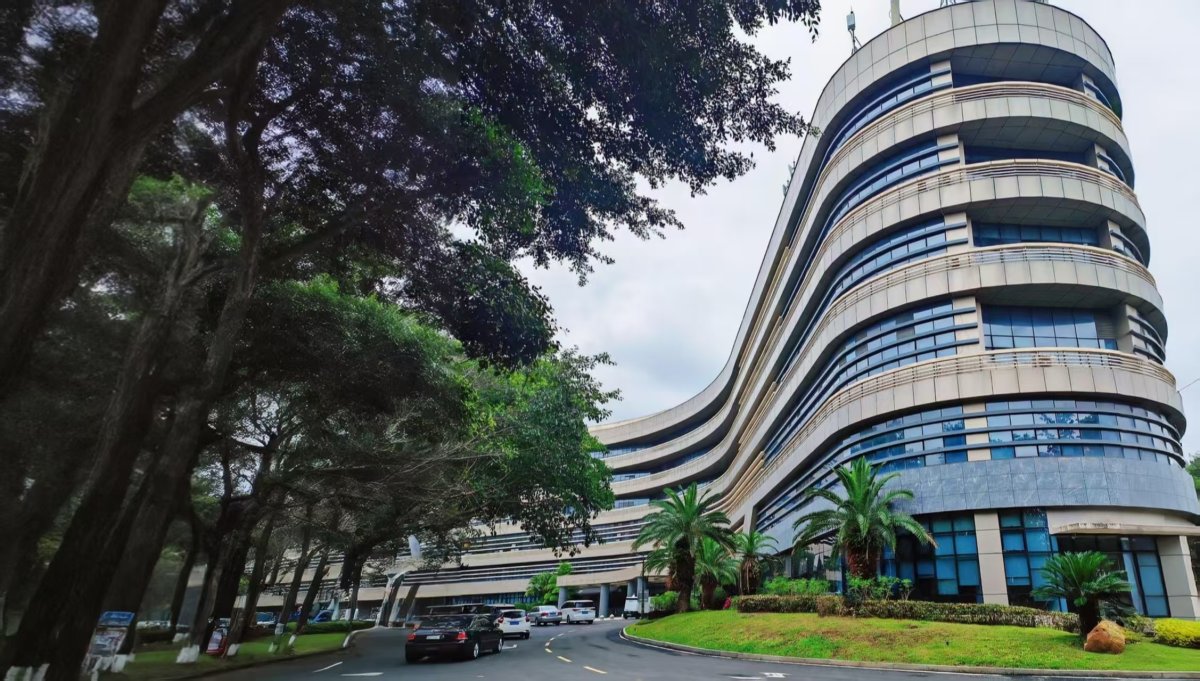
Boao International Medical Center
China, Qionghai


Revisado médicamente por
Fahad Mawlood
El costo del tratamiento del cáncer cerebral en China generalmente incluye diagnósticos esenciales como una resonancia magnética cerebral con contraste, que oscila entre Precio a consultar y Precio a consultar. De $7,000. Los gastos totales dependen de la etapa del tumor y del nivel de la clínica. Los pacientes a menudo obtienen ahorros del 85-89% en comparación con los EE. UU. Pekín, Guangzhou y Xiamen son los principales destinos para la atención neurológica.
Costos típicos del tratamiento del cáncer cerebral en China
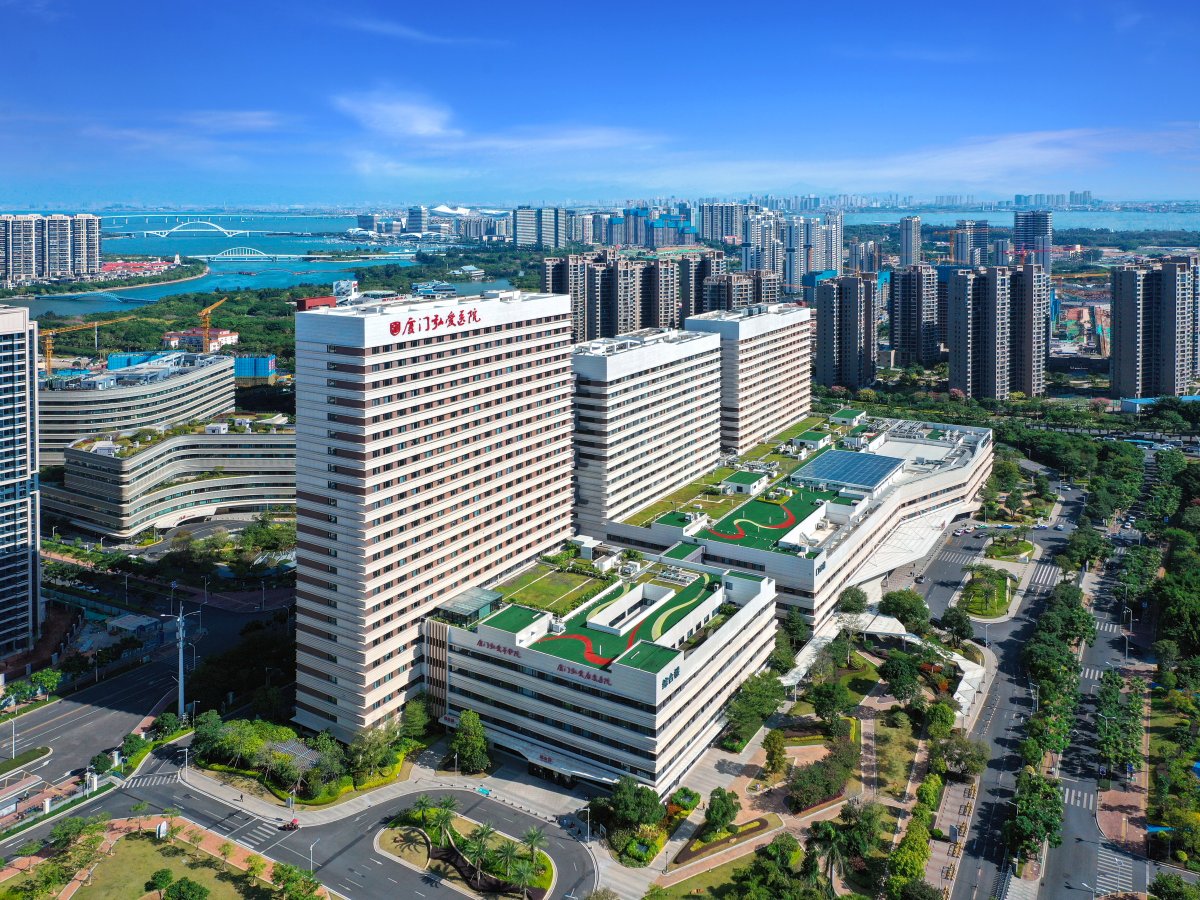
Perspectiva de los expertos de Bookimed: Los pacientes que requieren radioterapia avanzada se benefician de centros especializados en técnicas de alta precisión. El Hospital Humanity de Xiamen brinda acceso a especialistas de primer nivel como el profesor Liu Shi Xin, un experto en VMAT y SBRT. Este hospital de tercer nivel atiende a más de 1,000,000 de pacientes al año y ofrece acceso a ensayos de medicamentos. Los grandes centros oncológicos en Guangzhou también ofrecen equipos multidisciplinarios para resecciones de tumores complejos a tarifas competitivas.
| China | España | Turquía | |
|---|---|---|---|
| Tomoterapia | ≈ $7,500 | ≈ $7,500 | de $6,700 |
| Terapia con haz de protones | ≈ $28,000 | de $43,300 | de $25,000 |
| Resección de glioma | ≈ $9,500 | de $50,400 | de $14,500 |
| Radiocirugía estereotáxica | ≈ $7,500 | de $18,100 | de $6,400 |
| Radiocirugía de un tumor cerebral | ≈ $7,500 | de $12,000 | de $5,000 |

Médico jefe y profesor. Experto de nivel 1 en el Centro Oncológico del West China Hospital, Sichuan University (clasificado n.º 2 en China). Completó un posdoctorado en radiología intervencionista en el Chinese PLA General Hospital. Dirige equipos multidisciplinarios (MDT) para tumores complejos. Experto en oncología intervencionista mínimamente invasiva para cánceres de hígado, pulmón y páncreas.
Acreditaciones: Miembro del consejo, WATA. Miembro de los comités de CACA y CMDA sobre in

El profesor Luo Xiaoping es un radiólogo intervencionista reconocido a nivel nacional y una autoridad destacada en el oeste de China. Comenzó a realizar intervenciones vasculares pioneras a principios de la década de 1990. Ayudó a fundar el Grupo de Intervencionismo del Segundo Hospital Afiliado de la Universidad Médica de Chongqing.
Ha realizado más de 100 000 procedimientos intervencionistas, incluidos unos 4 000 casos complejos. Sus competencias clave incluyen TACE para el carcinoma

El Dr. He Weibing es pionero de la crioablación con argón‑helio en China, con más de 20 años de práctica en primera línea. Fue miembro fundador del Hospital Oncológico Fuda (Guangzhou). Cofundó su Centro de Tratamiento Tumoral Mínimamente Invasivo y fue subdirector ejecutivo. También ayudó a crear el Grupo de Ablación de la Asociación China contra el Cáncer. Ha sido operador principal en más de 10.000 procedimientos.
Se especializa en crioablación tumoral y domina la braquiterapia con

El profesor Xiao Yueyong es médico jefe del Departamento de Radiodiagnóstico del Hospital General del EPL de China. Es un experto líder en oncología intervencionista mínimamente invasiva. Es el primer presidente de WATA (2025–). Preside la Sociedad Internacional (2020–) y la Sociedad Asiática (2012–) de Crioterapia. También es subjefe del Grupo de Expertos de la NHC sobre regulaciones de ablación tumoral (2009–).
Ha realizado más de 100 000 procedimientos mínimamente invasivos guiados

Escrito por Veronika Kazina

Escrito por Veronika Kazina

Escrito por Veronika Kazina

Escrito por Veronika Kazina

Escrito por Veronika Kazina
 Olena Sikoza
China ofrece terapias de radiación avanzadas para tumores cerebrales, como la terapia de captura de neutrones por boro (BNCT) y la terapia de protones desarrollada a nivel nacional. Estos tratamientos proporcionan una precisión submilimétrica para casos complejos. Instalaciones como el Hospital Jinshazhou utilizan sistemas CyberKnife M6 para tratar gliomas agresivos de forma no invasiva.
Perspectiva del experto de Bookimed: Si bien muchos países ofrecen radiación estándar, China se ha convertido en un centro de atención especializada de alto volumen. El Hospital Xiamen Humanity atiende a 1.000.000 de pacientes al año. Nuestros datos muestran que centros especializados como el Hospital Jinshazhou ofrecen paquetes de CyberKnife M6 por aproximadamente 7.850 $. Este precio a menudo incluye traslados y consultas, lo que hace que la tecnología avanzada sea más accesible que en las naciones occidentales.
Investigadores clínicos chinos han logrado avances en el tratamiento del glioblastoma al eludir la barrera hematoencefálica con reservorios de Ommaya y ultrasonido enfocado. Las células CAR-T biespecíficas avanzadas ahora se dirigen a múltiples antígenos simultáneamente. Estas innovaciones redujeron las tasas de escape tumoral en aproximadamente un 60% en ensayos clínicos.
Perspectiva del experto de Bookimed: China es un centro estratégico para la neurooncología experimental porque instituciones como el Hospital Xiamen Humanity están acreditadas específicamente para ensayos clínicos de fase I a IV. Mientras que los centros occidentales se centran en CAR-T comercial, las instalaciones chinas gestionan entre 300 y 700 casos de glioblastoma al año. Este enorme volumen de pacientes permite a médicos como el Dr. Liu Shi Xin
El tratamiento de primera línea estándar para los tumores cerebrales malignos en China sigue el protocolo de Stupp, reconocido internacionalmente. Este enfoque multimodal incluye la resección quirúrgica máxima segura seguida de radio-quimioterapia concomitante y mantenimiento con temozolomida. Los centros terciarios chinos utilizan navegación avanzada e imágenes intraoperatorias para maximizar la eliminación del tumor mientras preservan la función neurológica.
Perspectiva del experto de Bookimed: Aunque los protocolos estándar son consistentes, el volumen clínico en los hospitales terciarios chinos es un diferenciador significativo. El Hospital Xiamen Humanity atiende a 1.000.000 de pacientes al año. Este alto volumen a menudo se traduce en una mayor competencia quirúrgica en citorreducciones complejas. Además, los paquetes de radioterapia especializada, como los superv
La calidad quirúrgica en China varía significativamente entre los centros regionales. Los recursos médicos de élite y los cirujanos de primer nivel se concentran en megaciudades como Pekín, Shanghái y Guangzhou. Elegir un centro nacional 3A acreditado garantiza el acceso a tecnología especializada en cáncer cerebral y a una experiencia neuroquirúrgica de alto volumen.
Perspectiva del experto de Bookimed: Los datos muestran que la clasificación del hospital es más crítica que el tamaño de la ciudad por sí solo. Por ejemplo, el Hospital Jinshazhou de la Universidad de Medicina China de Guangzhou ofrece tecnología CyberKnife M6 dirigida específicamente a tumores cerebrales. Mientras tanto, el Hospital Xiamen Humanity atiende a 1.000.000 de pacientes al año y cuenta con credenciales para ensayos de medicamentos avanzados. Esto demuestra que buscar centros con programas específicos de neuro
Los pacientes internacionales suelen comenzar el tratamiento contra el cáncer cerebral en China entre 3 y 14 días después de la revisión del expediente médico. Las evaluaciones diagnósticas toman de 5 a 10 días. La recuperación quirúrgica requiere de 2 a 4 semanas. Las terapias de radiación avanzadas como CyberKnife o la terapia de protones pueden extender las estancias a varios meses.
Perspectiva de expertos de Bookimed: Los datos muestran que los grandes centros terciarios como el Hospital Xiamen Humanity gestionan más de 1.000.000 de pacientes al año. Este volumen masivo a menudo conduce a procesos de diagnóstico optimizados. Sin embargo, los pacientes deben tener en cuenta que, si bien los paquetes de CyberKnife pueden cubrir medicamentos y traslados, a menudo excluyen las estancias en hoteles. Verifique siempre si su paquete específico incluye los 5
La Medicina Tradicional China (MTC) sirve como terapia de apoyo junto con la neurocirugía, la quimioterapia y la radioterapia para el cuidado del cáncer cerebral. Se centra en reducir los efectos secundarios neurológicos y fortalecer la inmunidad. Los expertos utilizan estrictamente modelos integrativos para controlar la presión intracraneal y evitar interacciones peligrosas entre hierbas y medicamentos.
Perspectiva del experto de Bookimed: La integración clínica en China a menudo combina la MTC con tecnologías avanzadas como el sistema CyberKnife M6. El Hospital Jinshazhou de la Universidad de Medicina China de Guangzhou demuestra esto combinando la radiocirugía de alta precisión con grupos especializados en radiación oncológica. Este enfoque híbrido garantiza que, mientras los sistemas modernos atacan el
Los principales hospitales chinos ofrecen asistencia lingüística a pacientes que no hablan chino a través de departamentos médicos internacionales dedicados. Estos centros cuentan con personal bilingüe y coordinadores para ayudar con la comunicación. Instalaciones como el Hospital Xiamen Humanity atienden a diversos grupos de pacientes internacionales de Europa y Asia utilizando protocolos de traducción especializados.
Opinión de expertos de Bookimed: Si bien los hospitales de nivel 3A de primer nivel brindan apoyo en inglés, un paquete especializado como el tratamiento CyberKnife en Guangzhou por $7,800 a menudo incluye coordinación personal. Nuestros datos muestran que los centros de gran volumen como el Hospital Xiamen Humanity, que trata a más de 1,000,000 de pacientes al año, dependen d