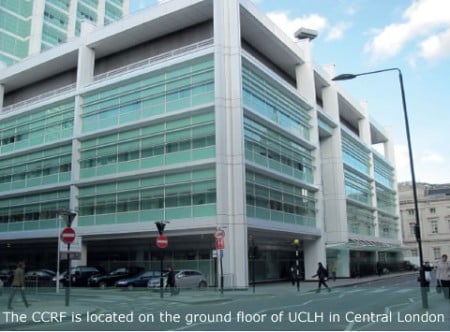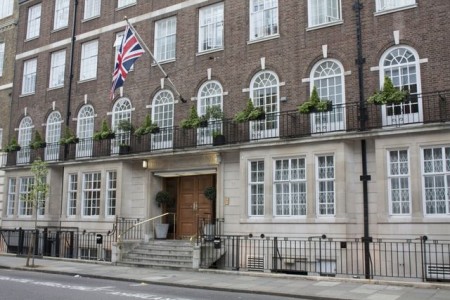
Harley Street Clinic
Reino Unido, Londres


Revisado médicamente por
Fahad Mawlood
De $1,500. Los procedimientos primarios, como la cirugía de cáncer de pulmón, oscilan entre $30,000 y $43,000, mientras que la lobectomía especializada varía de $24,500 a $34,000. Los gastos totales dependen de la etapa del cáncer, el nivel del hospital elegido y la necesidad de terapias avanzadas. Londres sigue siendo el centro principal para la atención oncológica privada especializada.
Costos típicos del tratamiento del cáncer de pulmón en el Reino Unido
Perspectiva del experto de Bookimed: Los pacientes que buscan atención pulmonar altamente especializada se benefician de centros dedicados exclusivamente a la salud torácica. El Royal Brompton and Harefield NHS Foundation Trust es el centro británico más grande para enfermedades pulmonares. Para aquellos que requieren una intervención rápida, Harley Street en el University College Hospital ofrece procedimientos de diagnóstico y tratamiento las 24 horas del día, los 7 días de la semana. Esta integración de recursos hospitalarios privados y universitarios garantiza el acceso a protocolos oncológicos avanzados para casos complejos.
| Reino Unido | España | Turquía | |
|---|---|---|---|
| Terapia con haz de protones | ≈ $90,000 | de $43,300 | de $25,000 |
| Sistema Robótico Da Vinci | ≈ $14,000 | de $16,800 | de $23,900 |
| Resección en cuña | ≈ $11,500 | ≈ $6,200 | de $11,100 |
| Neumonectomía | ≈ $48,000 | de $22,000 | de $9,800 |
| Lobectomía | ≈ $24,500 | de $21,500 | de $9,000 |
Bookimed no añade cargos extra a los precios de los tratamientos de Cáncer de pulmón. Las tarifas proceden de las listas de precios oficiales de las clínicas. Pagará directamente en la clínica por su tratamiento a su llegada al país.
Bookimed está comprometido con su seguridad. Solo trabajamos con las clínicas que mantienen altos estándares internacionales en el tratamiento de Cáncer de pulmón y cuentan con las licencias necesarias para atender a pacientes internacionales en todo el mundo.
Bookimed ofrece asistencia experta gratuita. Un coordinador médico personal le apoya antes, durante y después de su tratamiento, resolviendo cualquier problema. Nunca estará solo en su viaje médico de tratamiento de Cáncer de pulmón.

Escrito por Halina Shubala
 Olena Sikoza
El cáncer de pulmón se clasifica en cáncer de pulmón de células no pequeñas y cáncer de pulmón de células pequeñas. Estos tipos determinan las vías de tratamiento. El cáncer de pulmón de células no pequeñas representa el 85% de los casos. El cáncer de pulmón de células pequeñas es más agresivo. Los médicos utilizan biopsias y pruebas genéticas para elegir las terapias.
Perspectiva del experto de Bookimed: Los centros de Londres como el Royal Brompton and Harefield NHS Foundation Trust gestionan un gran volumen de 240,000 pacientes anuales. Esta escala permite programas especializados en trasplantes de corazón y pulmón e implantes de corazón artificial. Los pacientes se benefician de esta experiencia concentrada en casos torácicos complejos que instalaciones más pequeñas podrían no manejar.
Consenso de los pacientes: Los pacientes señalan que obtener rápidamente lo
Los equipos multidisciplinarios especializados del Reino Unido deciden los planes para el cáncer de pulmón utilizando las directrices clínicas del NICE. Los expertos revisan las tomografías PET-CT, las biopsias de tejido y los perfiles genéticos para estadificar el tumor. Evalúan su estado físico y marcadores moleculares como EGFR y ALK para seleccionar la cirugía, la inmunoterapia o la radiación.
Perspectiva del experto de Bookimed: El volumen de pacientes a menudo indica dónde se concentra el equipo de diagnóstico más complejo. El Royal Brompton and Harefield NHS Foundation Trust trata a más de 240,000 pacientes cardíacos y pulmonares al año. Los centros de alto volumen suelen ofrecer tecnologías avanzadas como CyberKnife o mapeo 3D robótico en etapas más tempranas del tratamiento.
Consenso de los pacientes: Los p
El cáncer de pulmón en etapa temprana es frecuentemente curable si se diagnostica antes de que se propague. El cáncer de pulmón de células no pequeñas en etapa 1A muestra tasas de supervivencia de entre el 70% y el 90%. La localización permite la extirpación quirúrgica del tumor. Los centros en Londres ofrecen resecciones robóticas avanzadas y radiocirugía especializada para estos casos.
Perspectiva del experto de Bookimed: Las clínicas de Londres muestran un fuerte enfoque en combinar la investigación con la atención clínica. Royal Brompton and Harefield trata a más de 240,000 pacientes al año. Este alto volumen a menudo conduce a mejores resultados quirúrgicos. Harley Street at UCH se asocia con institutos de investigación para ensayos clínicos de fase temprana. Elegir centros con estos roles duales puede ofrecer acceso a terap
El tratamiento del cáncer de pulmón avanzado en el Reino Unido se centra en terapias sistémicas como la inmunoterapia y la terapia dirigida para controlar la propagación. Los centros médicos utilizan pruebas genéticas para detectar mutaciones de EGFR, ALK y ROS1 con el fin de personalizar la atención. La radioterapia de precisión y los procedimientos paliativos ayudan a controlar los síntomas y mantener la calidad de vida.
Opinión del experto de Bookimed: El cribado genético es el paso más crítico antes de comenzar el tratamiento en etapas avanzadas. Los datos muestran que centros de Londre
Las pruebas de mutaciones genéticas y biomarcadores son estándar para el cáncer de pulmón de células no pequeñas avanzado en el Reino Unido. Los centros especializados utilizan estas pruebas para identificar mutaciones específicas como EGFR o ALK. Estos datos permiten a los oncólogos prescribir terapias dirigidas o inmunoterapia en lugar de la quimioterapia estándar.
Opinión del experto de Bookimed: Las clínicas de Londres a menudo utilizan capacidades de laboratorio avanzadas para acelerar la planificación del tratamiento. El Royal Brompton and Harefield NHS Foundation Trust opera uno de los laboratorios de sangre más avanzados de Europa. Esto ayuda a los equipos de atención a finalizar los perfiles moleculares más rápido que los hospitales generales. Los pacientes deben confirmar si su clínica utiliza secuenciación de próxima generació
El apoyo para el cáncer de pulmón en el Reino Unido incluye navegación clínica, asesoramiento emocional y ayuda práctica. Los pacientes acceden a equipos multidisciplinarios en centros especializados como Royal Brompton y Harefield. Enfermeras especialistas y organizaciones benéficas brindan orientación sobre el manejo de síntomas, beneficios financieros y protocolos de recuperación durante el tratamiento.
Perspectiva del experto de Bookimed: Los centros con sede en Londres ofrecen apoyo tecnológico especializado que ayuda a la recuperación. La Clínica Harley Street fue la primera en ofrecer CyberKnife en el Reino Unido. Este enfoque no invasivo reduce el daño al tejido sano. Elegir centros con dicha experiencia específica puede acortar significativamente su tiempo de rehabilitación física.
Consenso de los pacientes: Los pacientes enf