Tratamiento de Cáncer de pulmón en Austria — obtenga 3 coincidencias personalizadas de clínicas


Revisado médicamente por
Fahad Mawlood
Cómo funciona
¿Cuál es el precio del diagnóstico y los tratamientos de Cáncer de pulmón en Austria? Descubra ahora
De $260. Las intervenciones quirúrgicas primarias, como una lobectomía, cuestan entre $17,500 y $26,000, mientras que la cirugía de cáncer de pulmón más extensa varía de $42,000 a $68,000. Los gastos totales dependen del estadio del cáncer y de la necesidad de inmunoterapia especializada o asistencia robótica. Los pacientes a menudo encuentran ahorros del 30-50% en comparación con los EE. UU. Los principales centros de tratamiento incluyen Viena.
Costos típicos del tratamiento del cáncer de pulmón en Austria
- Consulta con un oncólogo: de $260
- Lobectomía: $17,500 – $26,000
- Cirugía de cáncer de pulmón: $42,000 – $68,000
- Neumonectomía: $28,000 – $41,000
- Inmunoterapia con Keytruda (Pembrolizumab): Precio a consultar
- CyberKnife: $7,500 – $12,000
- Inmunoterapia para el cáncer de pulmón: Precio a consultar
- Sistema robótico Da Vinci: $14,500 – $22,500
- Braquiterapia: $15,000 – $25,000
- Tomoterapia: Precio a consultar
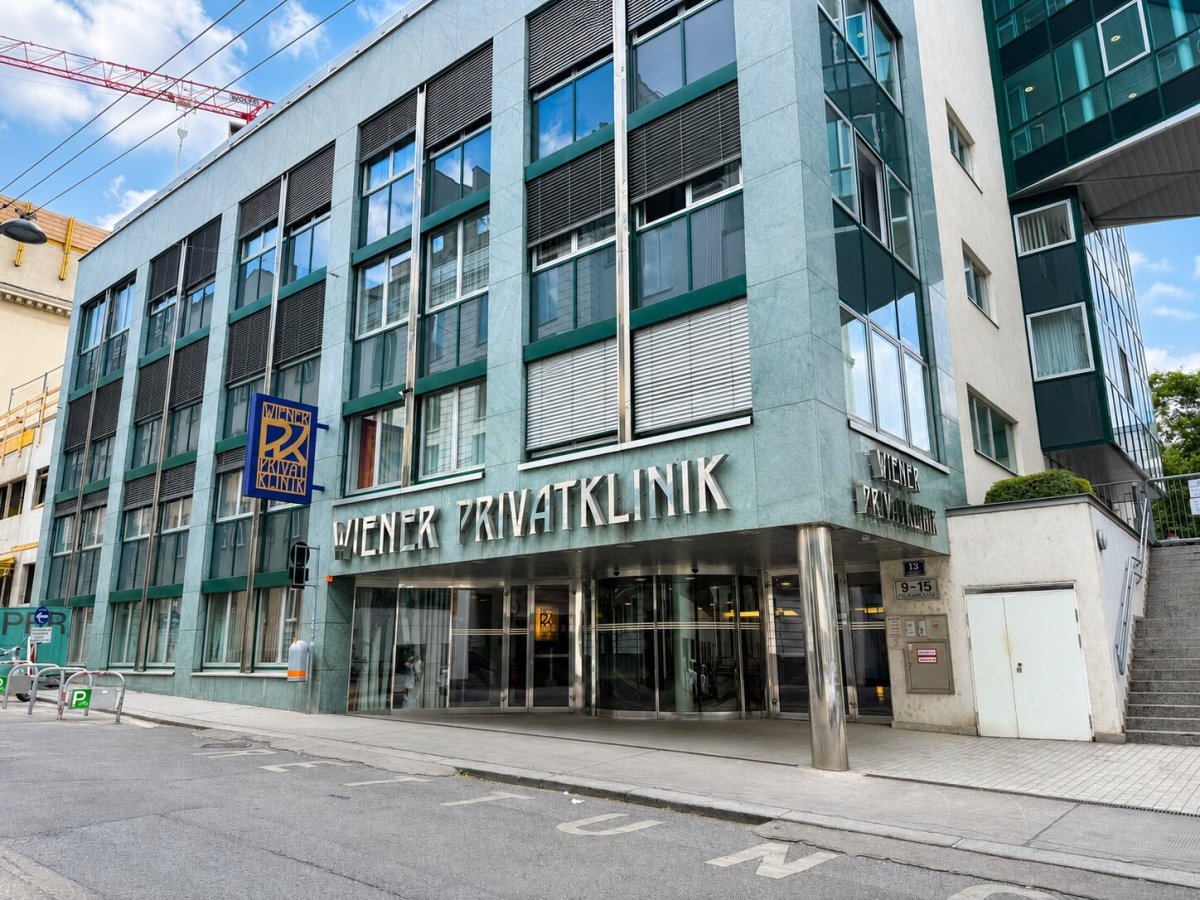
Perspectiva de los expertos de Bookimed: Los pacientes en estadios avanzados deben priorizar las clínicas dirigidas por profesores afiliados a universidades para recibir atención especializada. Wiener Privatklinik cuenta con expertos de renombre mundial como el Prof. Walter Klepetko, quien co-desarrolló la técnica quirúrgica ECMO. Este centro es ideal para pacientes que necesitan cirugía torácica compleja o protocolos de inmunoterapia personalizados. Para la oncología interdisciplinaria, el Centro Internacional de Oncología de Wiener Privatklinik ofrece un tratamiento personalizado y altamente calificado supervisado por destacados investigadores médicos.
| Austria | España | Turquía | |
|---|---|---|---|
| Terapia con haz de protones | ≈ $24,000 | de $43,300 | de $25,000 |
| Sistema Robótico Da Vinci | ≈ $14,500 | de $16,800 | de $23,900 |
| Resección en cuña | ≈ $7,200 | ≈ $6,200 | de $11,100 |
| Neumonectomía | ≈ $28,000 | de $22,000 | de $9,800 |
| Lobectomía | ≈ $17,500 | de $21,500 | de $9,000 |
Descubra las mejores clínicas de tratamiento de Cáncer de pulmón en Austria: 6 opciones verificadas y Precios




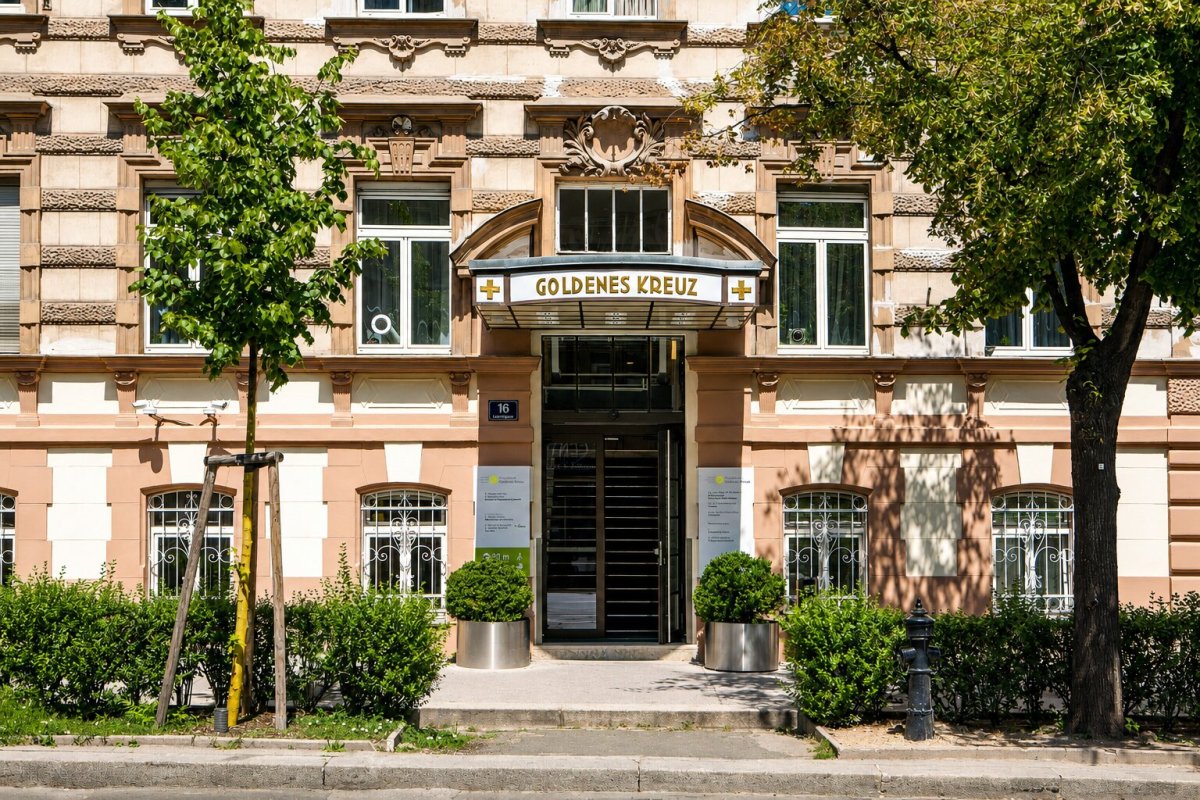
Confraternitaet & Goldenes Kreuz Private Hospital




Obtenga una evaluación médica de tratamiento de Cáncer de pulmón en Austria: haga una consulta con 6 médicos experimentados ahora
Ver todos los médicos
Christoph Zielinski
El Prof. Christoph Zielinski es uno de los oncólogos más destacados de Europa, habiendo dado forma a la atención oncológica moderna durante más de 44 años. Dirige el Centro Internacional de Oncología en la Wiener Privatklinik.
- Ha realizado aproximadamente 1.100 tratamientos
- Fundó y dirigió el Centro Oncológico Integral de Viena
- Presidente del Grupo Cooperativo de Oncología de Europa Central
- Ha publicado más de 600 artículos científicos sobre el tratamiento del cáncer
- Educador e investigador en oncología médica e inmunoterapia
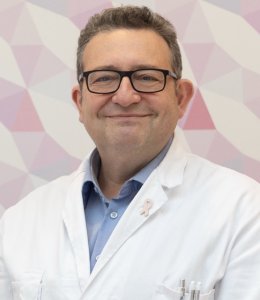
David Kuczer
El Dr. David Kuczer es especialista en radiooncología con muchos años de experiencia en el diagnóstico y tratamiento del cáncer. Ofrece acceso rápido a radioterapia precisa, basada en los estándares científicos actuales.
Es miembro del Cancer Center de la Vienna Private Clinic. Presenta a cada paciente ante el comité de tumores interno, lo que permite una discusión interdisciplinaria por parte de un equipo de prestigio internacional y ayuda a seleccionar el mejor tratamiento.
To

Harald Rosen
El Dr. Harald Rosen se especializa en cirugía endoscópica avanzada para cánceres gastrointestinales, combinando la precisión quirúrgica con la experiencia en medicina interna en la Wiener Privatklinik.
- Décadas de experiencia en gastroenterología y procedimientos mínimamente invasivos
- Experto en endoscopia diagnóstica y terapéutica, incluidos casos complejos de cáncer
- Formado en la Universidad de Viena y en los principales hospitales vieneses
- Se centra en enfermedades hepáticas, reflujo, úlceras, EII y neoplasias gastrointestinales

Walter Klepetko
El Prof. Klepetko es un cirujano torácico de renombre internacional que realizó uno de los primeros trasplantes de pulmón en Austria y estableció a Viena como un centro líder en cirugía pulmonar avanzada.
- Más de tres décadas de experiencia en cirugía torácica y cardiovascular
- Exjefe de Cirugía Torácica de la Universidad Médica de Viena
- Pionero en técnicas innovadoras para el trasplante de pulmón y la oncología torácica
- Desarrolló y dirigió el programa de trasplante de pulmón líder en Europa en el AKH de Viena
- Trata enfermedades torácicas complejas y realiza procedimientos quirúrgicos de vanguardia
Reseñas
Todas las reseñasArtículos relacionados

¿Cuánto cuesta el tratamiento del cáncer de pulmón?
Escrito por Halina Shubala
Compartir contenido
Historias en video de pacientes de Bookimed
 Olena Sikoza
Preguntas frecuentes sobre el tratamiento de Cáncer de pulmón en Austria
¿Cuáles son los estándares de seguridad y las tasas de éxito del tratamiento del cáncer de pulmón en los hospitales austriacos?
Las clínicas austriacas cumplen con altos estándares de seguridad, con una precisión del 99 % durante la preparación preoperatoria. La tasa de supervivencia a cinco años para el cáncer de pulmón en estadio I supera el 90 % tras la resección quirúrgica. Instituciones como la Vienna Privatklinik y el Hospital General de Viena (AKH) se adhieren a los estrictos protocolos internacionales de seguridad ISO y JCI.
- Resultados de supervivencia: La tasa media de supervivencia a cinco años es del 20%, superior a la media de la Unión Europea.
- Rapidez en el diagnóstico: El tiempo promedio desde la primera visita a la clínica hasta el diagnóstico es de tan solo 8 días.
- Cirugía de precisión: Un diagnóstico de alta calidad reduce la tasa de cirugías innecesarias a tan solo un 2-3%.
- Experiencia médica: Especialistas de renombre mundial, como el profesor Dr. Walter Klepetko, dirigen programas de oncología torácica reconocidos internacionalmente.
Opinión experta de Bookimed: Si bien el Hospital General de Viena (AKH) atiende a la impresionante cifra de 595 000 pacientes al año, muchos optan por la Wiener Privatklinik para acceder más rápidamente a los mismos profesores de élite. Nuestros datos muestran que cirujanos de primer nivel, como el profesor Dr. Christoph Celinski, suelen trabajar en ambas instituciones. Esto permite a los pacientes combinar la inve
¿Cuáles son los métodos quirúrgicos más comunes para el cáncer de pulmón y utilizan los centros austriacos procedimientos mínimamente invasivos o robóticos?
Los cirujanos austriacos utilizan principalmente la lobectomía, la resección segmentaria y la resección en cuña para tratar el cáncer de pulmón. Centros en Viena y otras ciudades importantes ofrecen cirugía mínimamente invasiva mediante cirugía toracoscópica videoasistida (VATS). Las instituciones más avanzadas también ofrecen lobectomía robótica con el sistema da Vinci para una mayor precisión y una recuperación más rápida del paciente.
- Enfoque estándar: La lobectomía sigue siendo el tratamiento de referencia para el cáncer de pulmón en Austria.
- Técnicas mínimamente invasivas: La VATS es la principal técnica de preservación de tejidos disponible en los 13 centros torácicos.
- Cirugía robótica: los especialistas austriacos utilizan el sistema robótico Da Vinci para resecciones pulmonares complejas.
- Opciones para preservar el tejido: Las resecciones segmentarias y en cuña preservan el tejido sano en pacientes con enfermedad en etapa temprana o de alto riesgo.
Opinión experta de Bookimed: Si bien la cirugía torácica videoasistida (VATS) está muy extendida, la cirugía torácica robótica propiamente dicha se concentra en los principales centros vieneses. El Hospital General de Viena (AKH) atiende a más de 595 000 pacientes al año y es un referente en innovación. Elegir un hospital con profesores universitarios, como los de la Clínica Privada de
¿Cómo es la recuperación postoperatoria para los pacientes con cáncer de pulmón y cuánto tiempo deberían planificar su estancia los pacientes internacionales?
La recuperación tras una cirugía en Austria suele requerir entre 2 y 10 días de hospitalización. Los pacientes internacionales deben prever una estancia total de entre 4 y 6 semanas. Esta duración garantiza un viaje aéreo seguro y evita riesgos como el neumotórax. Los cirujanos en Viena emiten el certificado médico antes de la salida.
- Duración de la estancia hospitalaria: De 2 a 5 días para cirugía robótica o de 5 a 10 días para procedimientos abiertos.
- Etapas de actividad: La mayoría de los pacientes se sientan a las 12 horas y caminan poco después de la cirugía.
- Cuidados respiratorios: El uso cada hora de un estimulador respiratorio es fundamental para prevenir la neumonía.
- Permiso de viaje: Planee permanecer en su área durante 14 días o más después del alta antes de volar a casa.
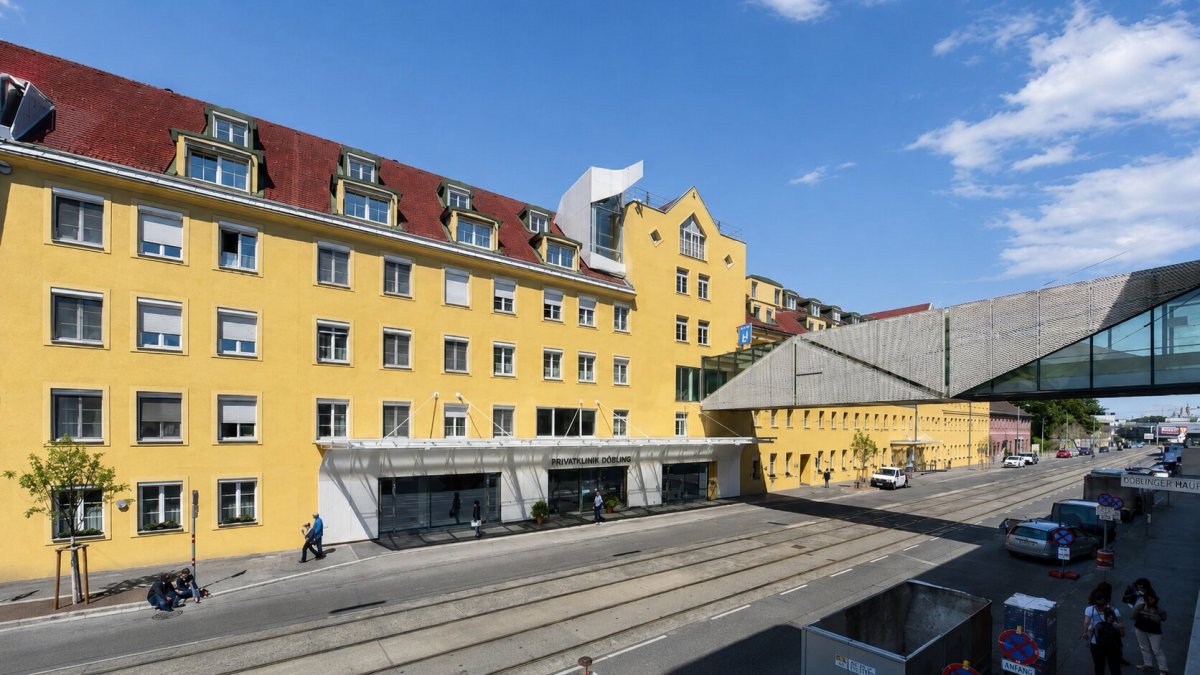
Opinión de expertos de Bookimed: Si bien clínicas como el Hospital Privado Döbling reportan tasas de complicaciones inferiores al promedio, los pacientes internacionales deberían considerar la posibilidad de permanecer hospitalizados dos semanas más. Expertos con sede en Viena, como el profesor Dr. Walter Klepetko, destacan que la recuperación completa de la función pulmonar puede tardar entre 6 y 12 meses, por lo que la movilización temprana es más efectiva que el reposo prolongado en cama.
Consenso de los pacientes: Los pacientes seña
¿Qué aspecto tendrán las cicatrices y el resultado estético tras una cirugía de cáncer de pulmón en Austria?
La cicatrización tras la cirugía de cáncer de pulmón en Austria depende de la técnica quirúrgica empleada. Los enfoques mínimamente invasivos, como la cirugía toracoscópica videoasistida (VATS) o los sistemas robóticos, requieren de tres a cuatro pequeñas incisiones. Los centros austriacos modernos, incluido el Hospital General de Viena (AKH), prefieren estas técnicas para garantizar una recuperación más rápida y mejores resultados estéticos.
- Cicatrices de cirugía mínimamente invasiva: Las pequeñas incisiones de 1 a 3 cm suelen convertirse en líneas apenas perceptibles en el plazo de un año.
- Cicatrices de cirugía abierta: En casos complejos, puede ser necesaria una incisión de 10 a 20 cm en el pecho.
- Aspecto a largo plazo: Las cicatrices suelen alisarse y adquirir un color blanco plateado en un plazo de 6 a 12 meses.
- Cuidado avanzado de las cicatrices: Las clínicas recomiendan geles especializados y masajes para mejorar la elasticidad de los tejidos.
Opinión de expertos de Bookimed: Si bien muchos se centran en el tipo de cirugía, elegir clínicas como la Wiener Privatklinik brinda acceso a profesores de la Universidad Médica de Viena. Estos especialistas suelen combinar su experiencia oncológica con técnicas de vanguardia, como el sistema robótico da Vinci. Esta precisión robótica permite realizar incisiones aún más pequeñas y estratégica
¿Quiénes pueden optar a la cirugía mínimamente invasiva para el cáncer de pulmón en Austria y existen contraindicaciones específicas?
En Austria, los pacientes con cáncer de pulmón de células no pequeñas en estadio I o II son candidatos ideales para la cirugía mínimamente invasiva. Los criterios de elegibilidad incluyen un volumen espiratorio forzado en el primer segundo (VEF1) superior al 40 % y una salud cardiovascular estable. Los especialistas de centros como la Clínica Privada de Viena evalúan la ubicación y el tamaño del tumor antes de confirmar el diagnóstico.
- Estadio del cáncer: Los tumores en estadio I y II son ideales para la resección mediante VATS o cirugía robótica.
- Aptitud médica: Los solicitantes deben tolerar la ventilación unipulmonar y tener una reserva cardíaca y pulmonar adecuada.
- Restricciones anatómicas: Los tumores deben estar ubicados a una distancia significativa de los vasos sanguíneos principales y, por lo general, deben tener un tamaño inferior a 6 cm.
- Contraindicaciones absolutas: Tumores T4 avanzados, afectación de los ganglios linfáticos N3 o trastornos hemorrágicos graves.
Opinión experta de Bookimed: El panorama de la cirugía torácica en Austria se caracteriza por un alto nivel de excelencia académica, con líderes como el Prof. Dr. Walter Klepetko de la Wiener Privatklinik y el AKH Vienna, que gestionan más de 2000 camas para casos complejos. Si bien las recomendaciones generales sugieren un límite de 6 cm, las plataformas robóticas en e
¿Qué incluye el paquete de tratamiento para pacientes internacionales con cáncer de pulmón?
Los programas de tratamiento del cáncer de pulmón en Austria suelen incluir diagnósticos multidisciplinarios, intervenciones quirúrgicas avanzadas y terapias sistémicas especializadas. Estos programas a menudo incluyen PET-CT, lobectomía robótica y hospitalización. Los centros de alto volumen en Viena integran pruebas moleculares, como la secuenciación de nueva generación (NGS), con inmunoterapia o terapia farmacológica dirigida.
- Servicios de diagnóstico: Los paquetes incluyen PET-CT, biopsias y pruebas genéticas para detectar mutaciones en los genes EGFR o ALK.
- Procedimientos quirúrgicos: La cobertura incluye lobectomía robótica Da Vinci, neumonectomía y hospitalización estándar de 5 a 10 días.
- Terapia sistémica: Las opciones dirigidas, como Keytruda y los protocolos de quimioterapia personalizados, a menudo se administran por separado.
- Consultas con expertos: Acceso a especialistas como el Dr. Christoph Celinsky para desarrollar un plan de inmunoterapia.
Según los expertos de Bookimed: La coordinación entre las principales instituciones públicas y las clínicas privadas de Viena representa una ventaja significativa. Si bien el Hospital General de Viena (AKH) atiende a más de 595 000 pacientes y cuenta con 300 años de historia, los centros privados como la Wiener Privatklinik ofrecen un acceso más rápido a los mismos profesores universita