Tratamiento de Cáncer de pulmón en México — obtenga 3 coincidencias personalizadas de clínicas


Revisado médicamente por
Fahad Mawlood
Cómo funciona
¿Cuál es el precio del diagnóstico y los tratamientos de Cáncer de pulmón en México? Descubra ahora
| España | Turquía | México | |
|---|---|---|---|
| Terapia con haz de protones | de $43,300 | de $25,000 | ≈ $38,000 |
| Sistema Robótico Da Vinci | ≈ $9,500 | de $23,900 | ≈ $11,500 |
| Resección en cuña | ≈ $6,200 | de $11,100 | de $20,000 |
| Neumonectomía | de $22,000 | de $9,800 | de $35,000 |
| Lobectomía | de $21,500 | de $9,000 | ≈ $12,000 |
Descubra las mejores clínicas de tratamiento de Cáncer de pulmón en México: 8 opciones verificadas y Precios




Clínica de terapia con células madre Giostar

Giostar Stem Cell Therapy | Playa del Carmen Clinic




Holistic Bio Spa®


Giostar Stem Cell Therapy | Playa del Carmen Clinic
Obtenga una evaluación médica para Cáncer de pulmón en México: consulte con doctores experimentados ahora
Ver todos los médicos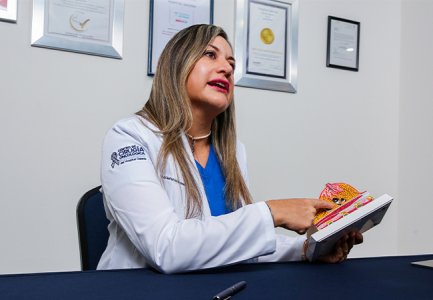
Brenda Pastrana
El Dr. Pastrana se especializa en oncología quirúrgica en el Hospital Galenia, con certificación de la junta de Conacem.
- Oncólogo quirúrgico certificado desde 2020
- Miembro de la Sociedad Mexicana de Oncología
- Profesor universitario en la Universidad Anáhuac
- Formado en el Centro Médico Nacional 20 de Noviembre

Jimmy Cojab Sacal

Dr. Jose Medina Flores
Artículos relacionados

¿Cuánto cuesta el tratamiento del cáncer de pulmón?
Escrito por Halina Shubala
Compartir contenido
Historias en video de pacientes de Bookimed
 Olena Sikoza
Preguntas frecuentes sobre el tratamiento de Cáncer de pulmón en México
¿Son genuinas las inmunoterapias utilizadas en México?
Las inmunoterapias genuinas como Keytruda están disponibles en México en centros oncológicos autorizados. Estas instalaciones utilizan medicamentos obtenidos de fabricantes globales. Los pacientes deben distinguir entre los hospitales regulados por COFEPRIS y las clínicas alternativas. Las instituciones de primer nivel en ciudades como Cancún o Monterrey siguen protocolos de seguridad internacionales.
- Autenticidad de los medicamentos: Los hospitales utilizan medicamentos estándar aprobados por la FDA, como pembrolizumab y nivolumab.
- Supervisión regulatoria: Todas las instalaciones médicas legítimas deben poseer una licencia COFEPRIS válida.
- Estándares de acreditación: Centros líderes como el Hospital Galenia mantienen la acreditación de la Joint Commission International.
- Cualificaciones de los especialistas: Los oncólogos como la Dra. Brenda Pastrana están certificados por el Conacem.
Perspectiva del experto de Bookimed: Existe una clara división entre los hospitales de oncología quirúrgica y las clínicas regenerativas. Los datos muestran que hospitales especializados como Galenia atienden a 10,000 pacientes al año con departamentos de oncología estructurados. Por el contrario, los centros centrados en el bienestar a menudo combinan la inmunoterapia con métodos alternativos como la terapia de ozono o luz. Los pacientes que buscan protoc
¿Cómo determinan los médicos si soy candidato para la inmunoterapia?
Los médicos determinan la candidatura para la inmunoterapia contra el cáncer de pulmón en México mediante pruebas de biomarcadores y evaluaciones de salud física. Los especialistas analizan el tejido tumoral en busca de expresión de la proteína PD-L1 y mutaciones genéticas. También evalúan su estado funcional y la función orgánica para garantizar que su sistema inmunológico pueda manejar el tratamiento de manera segura.
- Pruebas de biomarcadores: Los cirujanos realizan biopsias para medir los niveles de PD-L1 y la carga mutacional tumoral.
- Cribado genético: Las pruebas identifican mutaciones en EGFR, ALK y ROS1 para descartar terapias dirigidas.
- Diagnóstico por imagen: Los médicos utilizan tomografías PET/CT y de tórax para estadificar el cáncer con precisión.
- Evaluación de salud: Los equipos evalúan el estado funcional ECOG para confirmar que puede tolerar la terapia sistémica.
Perspectiva del experto de Bookimed: Los centros oncológicos mexicanos como el Hospital Galenia a menudo ofrecen tiempos de diagnóstico más rápidos que muchas instalaciones norteamericanas. Aunque algunos pacientes se trasladan a México después de que se les negara el tratamiento en otros lugares, la candidatura sigue dependiendo de datos clínicos estrictos. Los datos muestran que 10,000 pacientes visitan anualmente estos centros acreditados, donde equipos multid
¿Es seguro viajar a México para recibir tratamiento contra el cáncer?
México es un destino seguro para el tratamiento del cáncer cuando se visitan instalaciones acreditadas por la Joint Commission International o el Consejo de Salubridad General de México. Estos hospitales mantienen estándares globales de higiene y seguridad quirúrgica. Los pacientes deben priorizar centros como Cancún o la Ciudad de México para garantizar una mayor seguridad regional durante su estancia.
- Acreditación hospitalaria: Busque certificaciones de la Joint Commission International o del Consejo de Salubridad General (CSG).
- Credenciales de los médicos: Elija oncólogos como la Dra. Brenda Pastrana, que cuentan con certificaciones del CONACEM.
- Rango de tratamientos: Las clínicas ofrecen protocolos avanzados que incluyen CyberKnife, inmunoterapia con Keytruda y cirugía robótica.
- Seguridad de la ubicación: Los centros médicos como Cancún y la Ciudad de México generalmente se consideran más seguros para los viajeros.
Perspectiva del experto de Bookimed: Los datos muestran una clara distinción entre los centros de bienestar boutique y los grandes hospitales de especialidades múltiples. El Hospital Galenia en Cancún trata a 10,000 pacientes anualmente con acreditación de la Joint Commission International, ofreciendo oncología quirúrgica especializada. Para el cáncer de pulmón, elegir estos centros de alto volumen garantiza el acceso a d
¿Qué tratamientos innovadores están disponibles en México que no existen en los EE. UU.?
México ofrece acceso a tratamientos innovadores contra el cáncer de pulmón restringidos en los EE. UU., incluidas las vacunas personalizadas de células dendríticas y la terapia con células NK. Estas terapias utilizan un entorno regulatorio permisivo bajo COFEPRIS para proporcionar opciones avanzadas de inmunoterapia y regeneración. Algunas clínicas también ofrecen terapia sono-fotodinámica (SPDT) no invasiva para la destrucción de tumores.
- Vacunas de células dendríticas: Las vacunas personalizadas enseñan al sistema inmunológico a identificar y atacar antígenos cancerosos específicos.
- Terapia con células NK: Potenciar y reinfundir células asesinas naturales ayuda al cuerpo a atacar tumores resistentes.
- Técnicas SPDT: Los tratamientos no invasivos utilizan agentes activados por luz y sonido para destruir las células cancerosas de forma segura.
- Células madre avanzadas: Las clínicas cultivan hasta 300 millones de células, superando los límites de procesamiento en el mismo día de los EE. UU.
Perspectiva del experto de Bookimed: Si bien muchos buscan atención alternativa, los resultados de mayor calidad a menudo provienen de instalaciones acreditadas por la JCI, como el Hospital Galenia en Cancún. Este hospital atiende a 10,000 pacientes al año y mantiene rigurosos estándares de seguridad. Elegir una instalación con experiencia en medicina r
¿Puedo combinar la quimioterapia tradicional con tratamientos alternativos?
Combinar la quimioterapia con tratamientos alternativos es posible, pero requiere una estricta supervisión oncológica para prevenir interacciones medicamentosas peligrosas. Los pacientes suelen utilizar terapias complementarias como la meditación o la acupuntura para controlar los efectos secundarios. Sin embargo, sustancias ingeribles como la hierba de San Juan o los antioxidantes en dosis altas pueden reducir la eficacia de la quimioterapia o aumentar la toxicidad hepática.
- Coordinación de seguridad: Es vital informar a su equipo de oncología para evitar interferencias en el tratamiento.
- Apoyo complementario: Técnicas como el masaje oncológico o el yoga ayudan de forma segura a controlar la fatiga relacionada con el tratamiento.
- Factores de riesgo: Los suplementos herbales pueden proteger a las células cancerosas de la quimioterapia o causar adelgazamiento de la sangre.
- Riesgos alternativos: Sustituir tratamientos médicos probados por alternativas no probadas disminuye significativamente las tasas de supervivencia general.
Perspectiva de expertos de Bookimed: Las clínicas mexicanas ofrecen un espectro único de atención, que va desde centros quirúrgicos acreditados por la JCI como el Hospital Galenia hasta instalaciones holísticas especializadas. Los datos muestran que la recuperación integrada a menudo depende de un seguimiento profes
¿Cuánto tiempo necesitaré quedarme en México para el tratamiento?
El tratamiento del cáncer de pulmón en México generalmente requiere una estancia inicial de 14 a 21 días para el diagnóstico y el inicio del tratamiento. Las intervenciones quirúrgicas como la lobectomía o la neumonectomía requieren de 10 a 14 días para la recuperación. Los protocolos de inmunoterapia a menudo implican visitas de 7 días cada 3 a 12 semanas para los ciclos en curso.
- Recuperación quirúrgica: La mayoría de los pacientes necesitan de 10 a 14 días antes de ser autorizados para viajar en avión.
- Fase de diagnóstico: Los exámenes avanzados, incluidos PET-CT y biopsias, suelen tomar de 3 a 7 días.
- Ciclos de inmunoterapia: La configuración inicial del tratamiento requiere de 7 a 10 días para el monitoreo y las primeras infusiones.
- Radioterapia avanzada: Las terapias de precisión como CyberKnife o Tomoterapia pueden extender las estancias a 3 semanas.
Perspectiva del experto de Bookimed: Los datos de centros de alto volumen como el Hospital Galenia sugieren un cambio hacia el modelo de viaje y retorno para el cáncer de pulmón. Si bien 10,000 pacientes visitan anualmente para diversos tratamientos, los casos de oncología a menudo priorizan viajes cortos y enfocados. En lugar de una estancia única de 60 días, los pacientes frecuentemente programan de 4 a 6 visitas separadas de una semana a lo largo de un año. Este enfoque gestiona m
¿Los médicos hablan inglés?
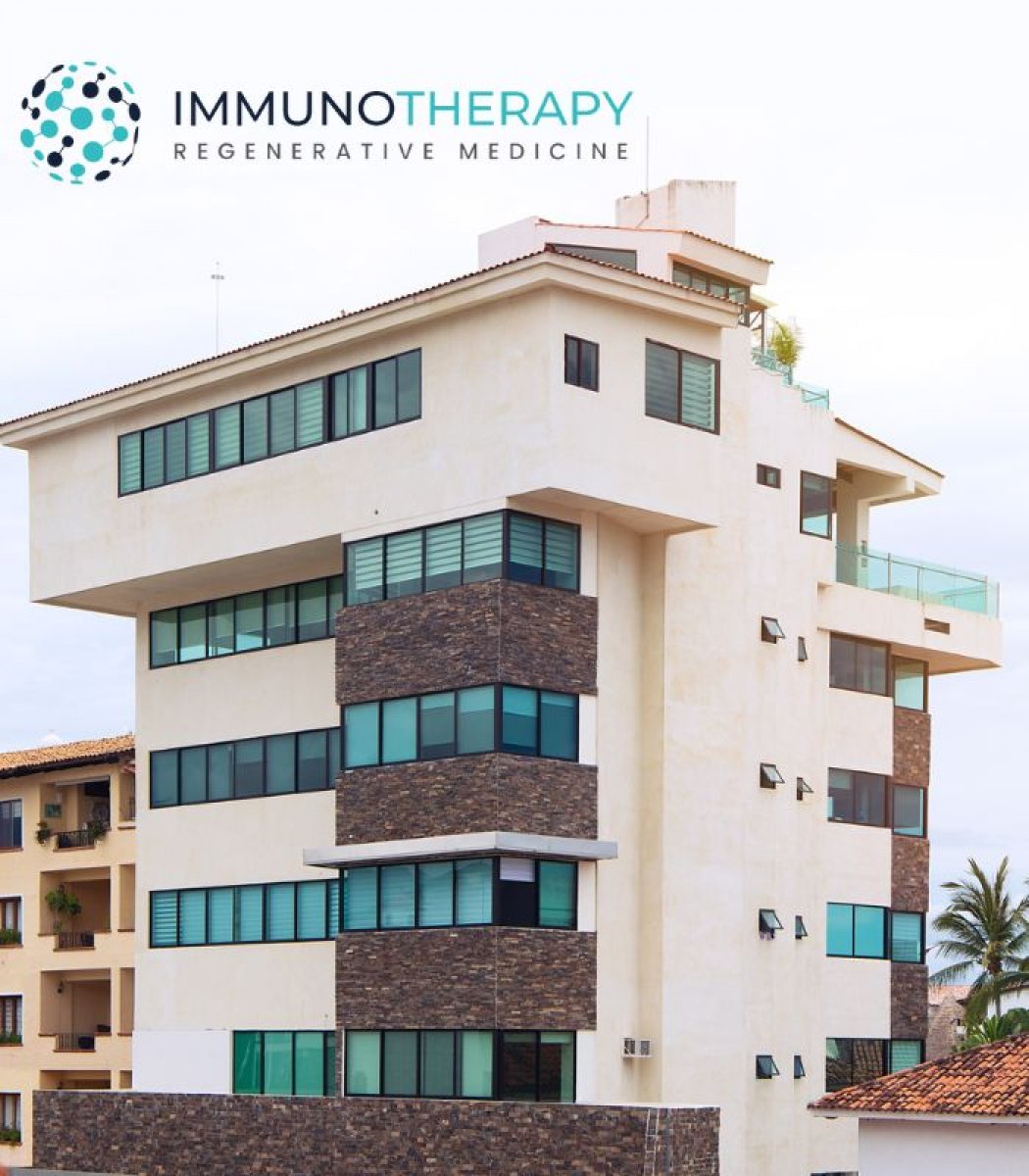
Los médicos de los principales centros oncológicos mexicanos especializados en cáncer de pulmón suelen hablar inglés con fluidez. Muchos oncólogos y cirujanos torácicos en instalaciones como el Hospital Galenia o Immunotherapy Regenerative Medicine han recibido formación internacional. Estos especialistas mantienen un alto nivel de competencia para atender a pacientes de EE. UU., Canadá y Europa.
- Formación internacional: Muchos oncólogos mexicanos poseen certificaciones de juntas médicas estadounidenses o europeas.
- Consultas especializadas: Los cirujanos suelen ofrecer consultas por video en inglés antes de que los pacientes viajen para recibir tratamiento.
- Instalaciones acreditadas: Los hospitales acreditados por la JCI, como el Hospital Galenia, priorizan el personal médico bilingüe para la seguridad internacional.
- Personal de apoyo: Aunque los médicos hablan inglés con fluidez, el personal de enfermería a veces puede utilizar herramientas de traducción para cuestiones básicas.
Perspectiva de expertos de Bookimed: Un patrón claro en nuestros datos muestra que las clínicas en centros médicos como Cancún y Puerto Vallarta reclutan específicamente especialistas multilingües para gestionar casos complejos. Por ejemplo, Immunotherapy Regenerative Medicine ha atendido a pacientes internacionales durante más de 20 años, mientras que el Hospi