Mamología en Austria: las 4 mejores clínicas con opiniones de pacientes


Revisado médicamente por
Fahad Mawlood
¿Cuál es el precio de procedimientos de Mamología en Austria? Descubra ahora
La mamología en Austria suele costar entre $5,800 y $9,500. El gasto total depende de si busca un examen de diagnóstico privado, una intervención quirúrgica especializada o una evaluación de salud integral. Los costos también están influenciados por la ubicación de la clínica y la tecnología específica utilizada para las imágenes mamarias y las biopsias.
Costos típicos de mamología en Austria
- Chequeo femenino: de $1,200
- Lumpectomía: $5,800 – $9,500
La mayoría de los centros especializados en mamología se encuentran en Viena, Graz y Salzburgo. Viena es conocida por su concentración de hospitales privados de alta gama y consultas de radiología especializadas. Debe consultar con un especialista para obtener precios precisos y un plan de tratamiento adaptado a su historial médico específico.
| Austria | España | Turquía | |
|---|---|---|---|
| Lumpectomía | ≈ $5,800 | de $11,200 | de $4,000 |
Sus beneficios y garantías con Bookimed
Precios directos
Bookimed no añade cargos extra a los precios de los tratamientos de Mamología. Las tarifas proceden de las listas de precios oficiales de las clínicas. Pagará directamente en la clínica por su tratamiento a su llegada al país.
Sólo clínicas y médicos verificados
Bookimed está comprometido con su seguridad. Solo trabajamos con las clínicas que mantienen altos estándares internacionales en el tratamiento de Mamología y tienen las licencias necesarias para atender a pacientes internacionales en todo el mundo.
Asistencia 24/7 gratuita
Bookimed ofrece asistencia experta gratuita. Un coordinador médico personal le apoya antes, durante y después del tratamiento, resolviendo cualquier problema. Nunca estará solo en su viaje médico de procedimientos de Mamología.

Su coordinador médico personal de Bookimed
- Le apoya en cada etapa
- Ayuda a elegir la clínica y el médico adecuados
- Asegura un acceso rápido y conveniente a la información
Descubra las mejores clínicas de Mamología en Austria: 4 opciones verificadas y Precios




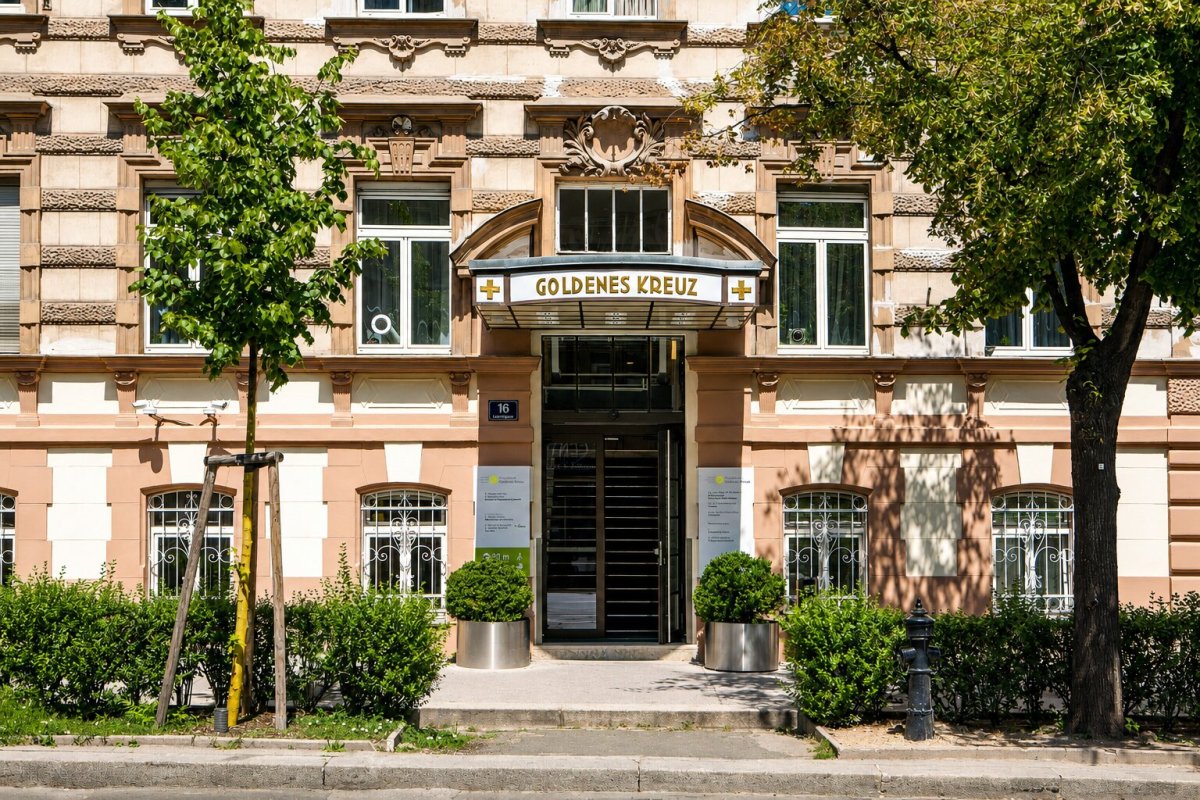
Confraternitaet & Goldenes Kreuz Private Hospital

Los mejores centros médicos de Mamología en Austria
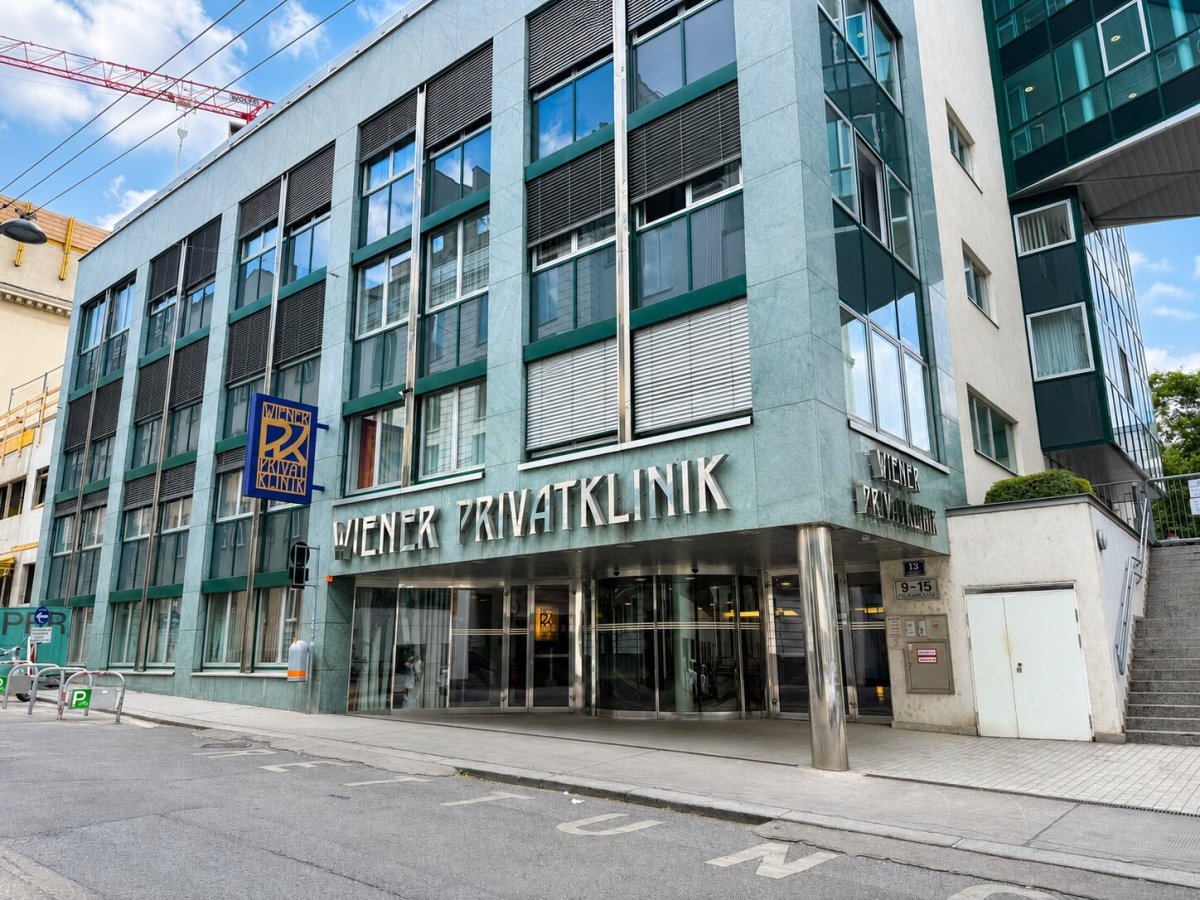
- Clínica privada Wiener (Wiener Privatklinik), Austria
- Confraternitaet & Goldenes Kreuz Private Hospital, Austria
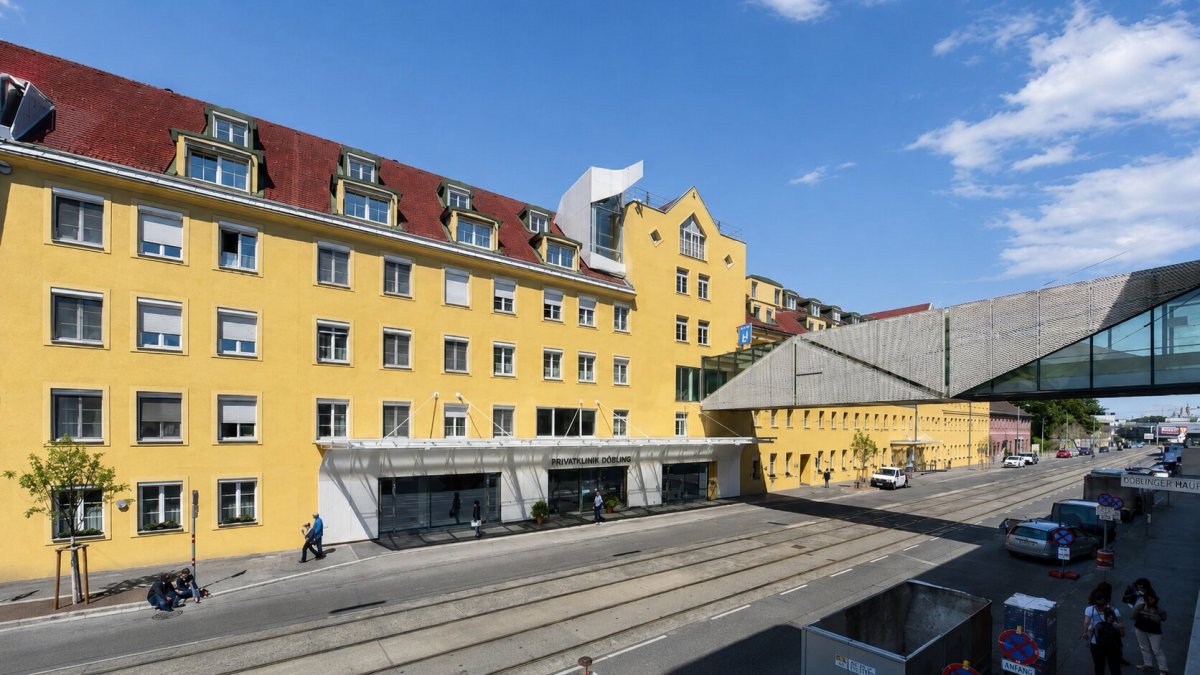
- Döbling Private Clinic, Austria
- Armona Medical Alpinresort, Austria
Obtenga una evaluación médica para en Austria: Elija su especialista entre los mejores en el campo
Ver todos los médicos
Florian Fitzal
El Prof. Florian Fitzal es pionero en la cirugía de conservación de la mama, combinando la precisión oncológica con resultados estéticos en la Wiener Privatklinik.
- Jefe del Centro de Salud de la Mama del Hospital General de Viena
- Profesor de Cirugía de la Universidad de Medicina de Viena
- Activo en estudios clínicos internacionales para el tratamiento del cáncer de mama
- Ha publicado numerosos artículos revisados por pares sobre oncología quirúrgica
Compartir contenido
Historias en video de pacientes de Bookimed
 Olena Sikoza
Preguntas frecuentes sobre Mamología en Austria
¿Qué hospitales austriacos ofrecen el nivel más alto de tratamiento para el cáncer de mama?
En Austria, el tratamiento de alta calidad para el cáncer de mama se concentra en los hospitales de Viena, que utilizan equipos oncológicos interdisciplinarios y protocolos acreditados por la JCI. Instituciones líderes, como el Hospital Privado Döbling y el Goldenes-Kreuz, combinan la precisión quirúrgica con la experiencia oncológica. El profesor especialista Florian Fitzal ofrece métodos avanzados de cirugía oncoplástica y cirugía conservadora de mama para casos complejos.
- Especialización: El Prof. Dr. Florian Fitzall cuenta con más de 20 años de experiencia en el campo de la cirugía reconstructiva de mama.
- Volumen clínico: El Hospital Privado de Döbling atiende a 16.000 pacientes al año, con una tasa de complicaciones inferior a los valores nominales.
- Normas de seguridad: Los centros sanitarios cumplen con las normas ISO 9001 y los objetivos de seguridad del paciente alineados con la JCI en la atención oncológica.
- Diagnóstico integral: los centros ofrecen mamografías, resonancias magnéticas y exámenes ginecológicos para la detección precoz del cáncer.
Opinión de expertos de Bookimed: Los datos muestran una clara ventaja de elegir clínicas privadas en Viena en cuanto a la rapidez del diagnóstico. Si bien los centros públicos son excelentes, las clínicas privadas como la Clínica Döbling atienden un mayor volumen anual de pacientes con ta
¿Cómo se garantiza la calidad y la seguridad de las mamografías de cribado en Austria?
Austria garantiza la calidad de la mamografía mediante un programa nacional. Esta iniciativa exige el estricto cumplimiento de las recomendaciones de la Unión Europea. Cada examen debe realizarse siguiendo el principio de doble cribado. Dos radiólogos deben interpretar cada imagen de forma independiente para garantizar la máxima precisión diagnóstica y la seguridad de la paciente.
- Carga de trabajo mínima: Para mantener la certificación, los radiólogos deben realizar más de 2000 mamografías al año.
- Certificación adicional: Los médicos deben poseer un certificado especializado de la Asociación Médica Austriaca para la realización de mamografías.
- Tecnologías digitales: Solo se permiten dispositivos digitales de baja radiación en interiores. Ya no se permite el uso de equipos tradicionales de proyección de películas.
- Controles obligatorios: Los físicos médicos realizan controles técnicos anuales de todos los equipos de diagnóstico por imagen.
Opinión de expertos de Bookimed: La calidad suele estar relacionada con la especialización y la carga de trabajo clínico de un centro. Por ejemplo, el Hospital Privado Döbling de Viena implementa los objetivos internacionales de seguridad del paciente de la JCI. Este hospital atiende a 16 000 pacientes al año y sus tasas de complicaciones son significativamente inferiores al estándar. Elegir centros con
¿Puedo participar como paciente extranjera en el programa nacional austriaco de detección precoz del cáncer de mama?
Las pacientes internacionales pueden acceder al Programa Nacional Austriaco de Detección Precoz del Cáncer de Mama si son residentes legales y cuentan con cobertura de la seguridad social. La elegibilidad depende de la edad y la cobertura del seguro. Las residentes de entre 45 y 74 años con tarjeta sanitaria austriaca (tarjeta electrónica) reciben automáticamente una invitación para una mamografía gratuita cada dos años.
- Requisitos de seguro: Se requiere una tarjeta electrónica de seguridad social austriaca válida para acceder.
- Grupos de edad: Las mujeres de entre 45 y 74 años pueden participar automáticamente en el programa bienal.
- Procedimiento de inscripción: Las personas de entre 40 y 44 años o de 75 años o más deben inscribirse llamando a la línea directa.
- Opciones de detección privada: Los turistas extranjeros sin permiso de residencia pueden programar una mamografía privada a precios que van desde $120 hasta $240.
Opinión de expertos de Bookimed: Los grandes centros, como el hospital privado Döbling, que atiende a 16 000 pacientes al año, suelen ofrecer un acceso más rápido a pacientes internacionales que los programas públicos. Si bien el programa nacional está diseñado para mujeres sanas, las clínicas especializadas de Viena ofrecen exámenes ginecológicos completos (como la prueba diagnóstica 628). E
¿Necesito una derivación médica para programar una mamografía?
En Austria, las mujeres de entre 45 y 69 años no necesitan derivación médica para realizarse mamografías de rutina. Pueden programar sus citas directamente a través del programa nacional. Las pacientes más jóvenes o con síntomas suelen necesitar una derivación de su médico de cabecera.
- Exámenes de detección rutinarios: Las mujeres de entre 45 y 69 años pueden programar una cita directamente sin necesidad de acudir al médico.
- Necesidades de diagnóstico: Los pacientes con síntomas como neoplasias siempre requieren ser remitidos a un médico.
- Criterios de edad: Las mujeres menores de 45 años deben consultar a un médico para obtener una derivación para un examen.
- Coste del examen: La mamografía de cribado en Austria suele costar desde $120 hasta $240.
Opinión de expertos de Bookimed: Los indicadores de calidad en las clínicas vienesas suelen estar vinculados a un elevado volumen de pacientes. El Hospital Privado Döbling atiende a 16 000 pacientes al año y cuenta con la certificación ISO. Estos centros de alto rendimiento suelen implementar estándares de seguridad internacionales. Este volumen de trabajo les permite mantener una tasa de complicaciones menor que la de las instituciones más pequeñas.
Opiniones de los pacientes: Los pacientes consideran que el proceso de reserva en línea para l
¿Cuál es el mejor momento del ciclo menstrual para que una mujer se haga una mamografía y por qué?
El momento óptimo para una mamografía es la primera semana después del final de la menstruación. Esta fase folicular, generalmente entre los días 7 y 14 del ciclo, proporciona los resultados más precisos. Los niveles hormonales más bajos durante este periodo reducen la densidad del tejido mamario y causan molestias físicas.
- Precisión en la visualización: La menor densidad mamaria en la fase folicular facilita a los radiólogos la detección de anomalías.
- Mayor sensibilidad: Los estudios muestran una mejora del 9 al 12 % en la detección del cáncer durante este período específico.
- Comodidad física: La reducción de los niveles de estrógeno y progesterona minimiza la hinchazón y la sensibilidad en los senos durante el procedimiento.
- Menos visitas de seguimiento: Reservar una prueba después de la menstruación ayuda a prevenir resultados falsos positivos, que a menudo son causados por cambios hormonales en los tejidos.
Opinión de los expertos de Bookimed: Si bien muchas personas solo consideran el examen en sí, elegir el centro médico adecuado en Viena influye en el tratamiento a largo plazo. Clínicas como el Hospital Privado Döbling cumplen con los estándares de calidad ISO y registran tasas de complicaciones significativamente menores. Esto sugiere que los centros con un alto volumen de pacientes (más de 16 000 al año) suelen ofrecer informes d