Ir a inicio
820К+ pacientes han recibido asistencia desde 2014
50 países
1,500 clínicas
6K+ reseñas
3K+ médicos calificados

¿Cuál es el precio de procedimientos de Mamología en China? Descubra ahora

Mammology in China typically costs from $4,800 to $10,500, with significant variations between public hospitals and private international clinics. Final expenses depend on the technology used, such as 2D vs 3D imaging, and the facility's location. Patients from the US can save approximately 70-85% on diagnostic and surgical procedures.

Typical Mammology Costs in China

  • MRI of the chest: $200 – $200
  • Lumpectomy: $4,800 – $10,500

Major medical hubs for breast health include Beijing, Shanghai, Guangzhou, and Shenzhen, alongside specialized centers in Hong Kong. While mainland cities offer competitive rates, prices in Hong Kong can be 50-100% higher. Consult with a specialist to get accurate pricing for your specific medical needs.

ChinaEspañaTurquía
Lumpectomíade $4,800de $4,500de $2,700
Datos verificados por Bookimed a partir de June 2026, basados en solicitudes de pacientes y cotizaciones oficiales de 3 clínicas en todo el mundo. Los costos medianos se basan en facturas reales (2025–2026) y se actualizan mensualmente. Los precios reales pueden variar.

Sus beneficios y garantías con Bookimed

Precios directos

Bookimed no añade cargos extra a los precios de los tratamientos de Mamología. Las tarifas proceden de las listas de precios oficiales de las clínicas. Pagará directamente en la clínica por su tratamiento a su llegada al país.

Sólo clínicas y médicos verificados

Bookimed está comprometido con su seguridad. Solo trabajamos con las clínicas que mantienen altos estándares internacionales en el tratamiento de Mamología y tienen las licencias necesarias para atender a pacientes internacionales en todo el mundo.

Asistencia 24/7 gratuita

Bookimed ofrece asistencia experta gratuita. Un coordinador médico personal le apoya antes, durante y después del tratamiento, resolviendo cualquier problema. Nunca estará solo en su viaje médico de procedimientos de Mamología.

¿Por qué nosotros?

Su coordinador médico personal de Bookimed

  • Le apoya en cada etapa
  • Ayuda a elegir la clínica y el médico adecuados
  • Asegura un acceso rápido y conveniente a la información

Descubra las mejores clínicas de Mamología en China: 3 opciones verificadas y Precios

El ranking de clínicas de Bookimed se basa en algoritmos de data science, ofreciendo una comparación confiable, transparente y objetiva. Tiene en cuenta la demanda de pacientes, las puntuaciones de reseñas (positivas y negativas), la frecuencia de actualización de opciones de tratamiento y precios, la rapidez de respuesta y las certificaciones de las clínicas.
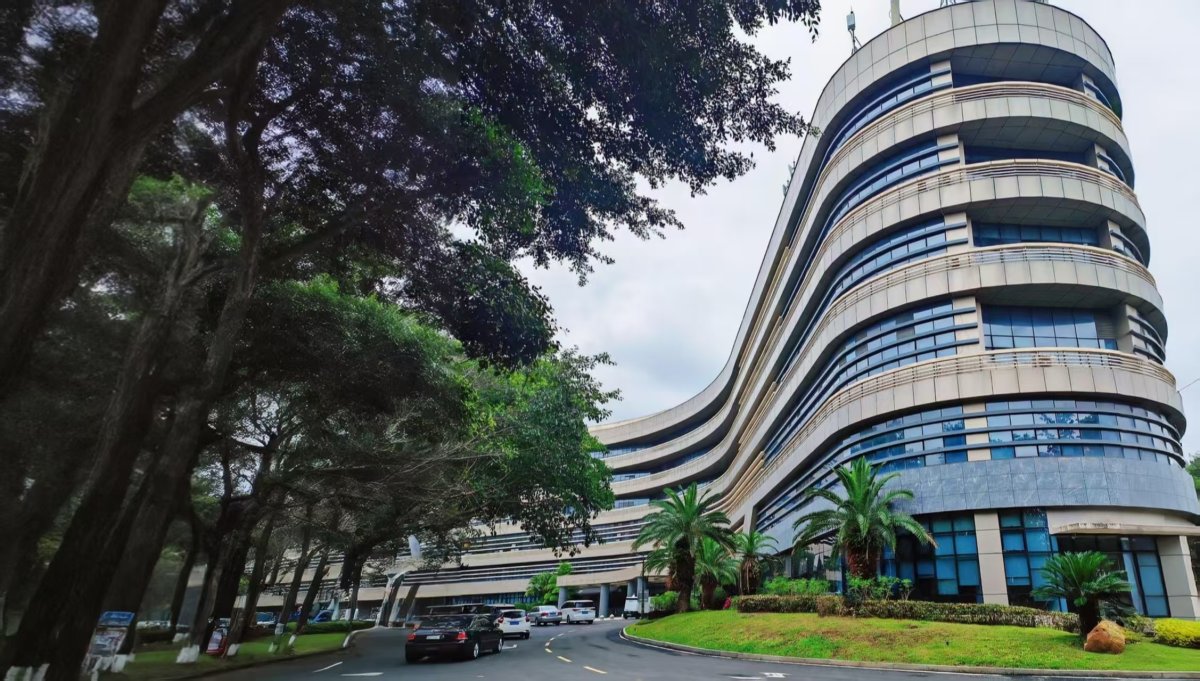
Hospital Internacional Yanda
4.13 reseñas
Precio a consultar
Más información
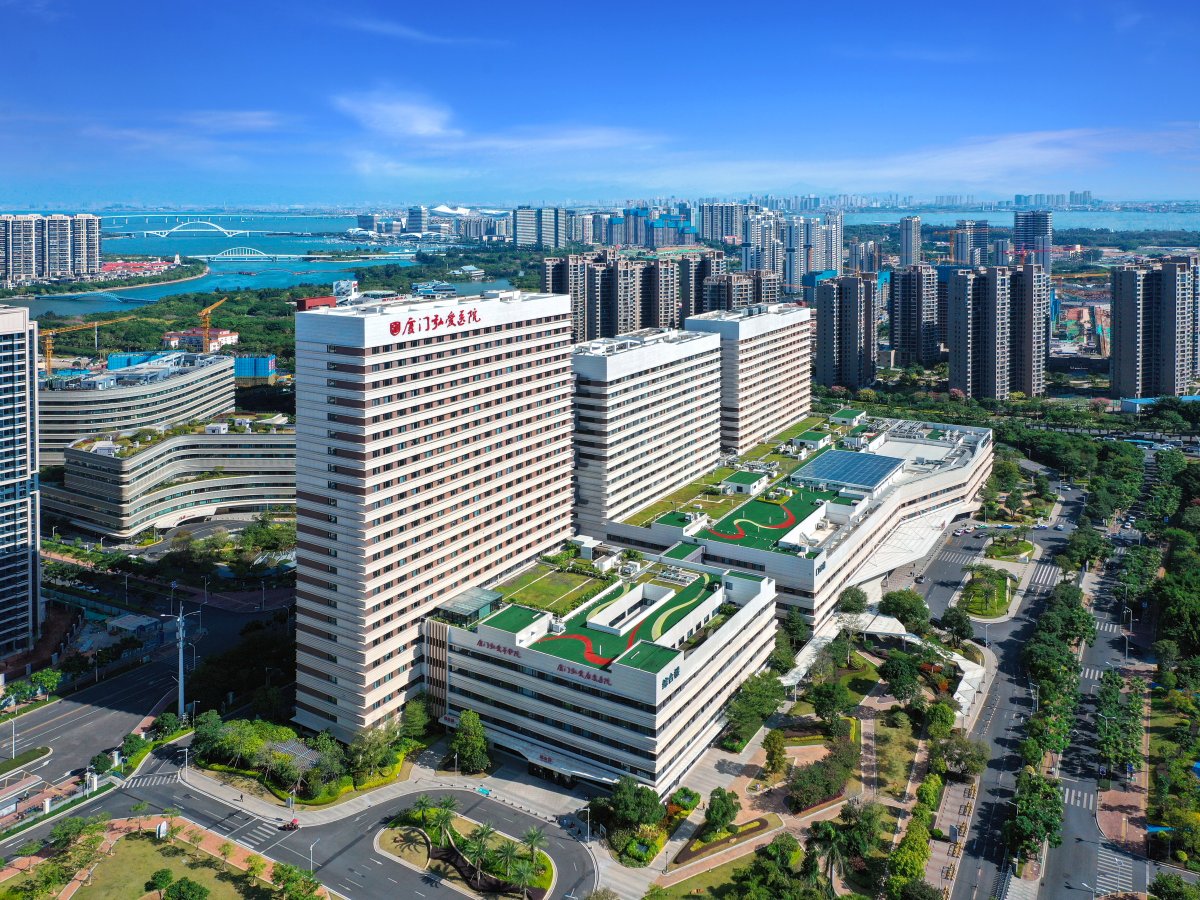
Hospital Xiamen Humanity
3.55 reseñas
Precio a consultar
Más información
Fuda Cancer Hospital
4.617 reseñas
Precio a consultar
Más información

Los mejores centros médicos de Mamología en China

  • Hospital Internacional Yanda, China
  • Hospital Xiamen Humanity, China
  • Fuda Cancer Hospital, China

Compartir contenido

Historias en video de pacientes de Bookimed

Dayana
Combiné mis vacaciones en Antalya con un chequeo médico.
Procedimiento: Chequeo femenino
Igor
¡Fue genial! Traslados, alojamiento, tratamiento, todo incluido.
Procedimiento: Implante dental
Clínica: WestDent Clinic
Marina
Bookimed se encargó de todo. No tuve que preocuparme por nada.
Procedimiento: Chequeo femenino
Actualizado: 11/10/2025
Escrito por
Olena Sikoza
Olena Sikoza
Сopywriter en español
Copywriter médica certificada responsable del contenido en español de Bookimed. Más de 7 años de experiencia en redacción sobre salud y turismo médico, con formación académica en edición científica y desarrollo de contenidos.
Fahad Mawlood
Editor médico y Científico de datos
Médico general. Ganador de 4 premios científicos. Sirvió en Asia Occidental. Es el ex jefe del equipo médico que soporta a pacientes de habla árabe. Ahora es responsable del procesamiento de datos y la precisión del contenido médico.
Fahad Mawlood Linkedin
Esta página puede incluir información relacionada con diversas afecciones médicas, tratamientos y servicios de salud disponibles en diferentes países. Tenga en cuenta que el contenido se proporciona sólo con fines informativos y no debe interpretarse como asesoramiento médico o orientación. Por favor consulte con su médico o con un profesional médico calificado antes de comenzar o cambiar el tratamiento médico.

Preguntas frecuentes sobre Mamología en China

Estas preguntas frecuentes provienen de pacientes reales que buscan atención médica a través de Bookimed. Las respuestas son proporcionadas por coordinadores médicos experimentados y representantes autorizados de las clínicas.

What are the official breast cancer screening guidelines in China for international patients?

Official breast cancer screening in China follows age-based protocols. Women at average risk begin screening at 40 years. High-risk patients should start at age 35. International patients typically use opportunistic screening at private clinics or international departments of major public hospitals.

  • Annual screening: High-risk women require annual exams including breast MRI or ultrasound.
  • Primary methods: Mammography and ultrasound are standard for women aged 40 to 70.
  • Dense tissue: Chinese guidelines emphasize ultrasound due to high breast density in Asian populations.
  • Self-awareness: Monthly breast self-exams are recommended for all women starting at age 20.

Bookimed Expert Insight: Quality varies significantly between city tiers in China. Major facilities like Yanda International Hospital in Beijing hold JCI accreditation. Others like Fuda Cancer Hospital in Guangzhou serve 30,000+ international patients. Choosing high-volume clinics ensures access to advanced 3D mammography and English-speaking staff.

Patient Consensus: Patients note that language barriers make public hospitals difficult for results explanation. It is helpful to request imaging on a USB in DICOM format to ensure records are portable for future check-ups.

How is the screening examination actually performed in China?

Screening examinations in China follow a structured 1+X model. The core baseline physical includes vitals and blood panels. Patients then add specialized modules like breast ultrasounds or tumor markers. High-level Class A level III hospitals, such as Yanda International Hospital, provide these integrated diagnostics.

  • Specialized modules: Patients add cancer-specific modules like breast imaging to basic health checkups.
  • Ultrasound priority: Clinicians favor ultrasound over mammograms for patients under 50 with dense breasts.
  • Factory-style flow: Testing centers process patients through sequential stations in 2 to 5 hours.
  • Comprehensive reporting: Results are compiled into a detailed physical report within 4 days.
  • Facility grading: Class A level III clinics represent the highest diagnostic standards in China.

Bookimed Expert Insight: China's top-tier hospitals are built for massive efficiency. Yanda International Hospital and Xiamen Humanity Hospital each manage over 1,000,000 patients annually. This high volume means their diagnostic teams see rare cases daily. International patients should choose Class A level III facilities to ensure the most experienced technicians perform their scans.

Patient Consensus: Patients note that manual breast exams and ultrasounds are the standard first steps. They describe the process as a quick, painless gel scan that usually takes only 15 minutes.

Which hospitals are recognized as the best for breast care and oncology in China?

Leading breast cancer hospitals in China include Fuda Cancer Hospital in Guangzhou and academic centers in Beijing and Shanghai. These facilities provide advanced multidisciplinary care for all stages of oncology. They use molecular subtyping and precision therapies to improve outcomes for aggressive cases.

  • Specialized techniques: Fuda Cancer Hospital offers cryosurgery and NanoKnife for late-stage or chemo-resistant breast cancer.
  • Accreditation: Top-tier facilities like Yanda International Hospital hold JCI accreditation for international safety standards.
  • Clinical research: Xiamen Humanity Hospital conducts Phase 1–4 clinical trials for new oncology drugs and devices.
  • International focus: Fuda Cancer Hospital has treated over 30,000 patients from 100 countries using minimally invasive methods.

Bookimed Expert Insight: While public academic centers in Beijing and Shanghai have the highest surgical volumes, private JCI-accredited hospitals like Fuda Cancer Hospital often provide better access to specialized technologies like NanoKnife. These private facilities focus on international patients and offer faster intake than the 3–6 month wait times typical for large public institutions.

Patient Consensus: Patients note that arriving early with records translated into Chinese is vital due to high daily volumes. Many suggest hiring a bilingual navigator to help manage the fast-paced triage process at major oncology centers.

Is Traditional Chinese Medicine (TCM) integrated into breast-cancer care for visiting patients?

Traditional Chinese Medicine (TCM) is standard in Chinese breast cancer care for international patients. Clinics like Yanda International Hospital combine Western protocols with traditional approaches. It serves as supportive therapy to manage chemotherapy side effects and improve recovery. Most patients receive acupuncture or herbal formulas alongside conventional treatment.

  • Clinical integration: JCI-accredited facilities like Fuda Cancer Hospital offer TCM for advanced oncology cases.
  • Symptom management: Acupuncture commonly treats chemotherapy-induced nausea, chronic fatigue, and post-radiation pain.
  • Herbal support: Doctors prescribe specific decoctions to strengthen immune response during intensive treatments.
  • Treatment level: Tier 3 hospitals provide the highest level of integrated care for visitors.

Bookimed Expert Insight: Data shows that Class A level III clinics, such as Yanda International Hospital, handle 2,500,000 patients annually. These high-volume centers often provide TCM as a default part of the recovery package. This integration helps reduce the duration of hospital stays for complex breast cancer cases. Patients should confirm if their specific herbal regimen is included in the base price.

Patient Consensus: Patients often find the integration of TCM surprisingly seamless during their hospital visits. Many note that while acupuncture helps with fatigue, it is vital to discuss herbal formulas with oncologists to prevent interactions with medications like tamoxifen.

Pedir una consulta gratis

Seleccione la mejor manera de contactarle