Mamología en Israel — Costos 2026


Revisado médicamente por
Fahad Mawlood
¿Cuál es el precio de procedimientos de Mamología en Israel? Descubra ahora
La mamología en Israel suele costar entre $13,300 y $13,300. El gasto total varía según el tipo de diagnóstico requerido, la complejidad de la intervención quirúrgica y la experiencia del especialista. Los pacientes suelen obtener ahorros del 40-50% en comparación con los EE. UU. al recibir tratamiento en los principales centros médicos de la región.
Costos típicos de mamología en Israel
- Mamografía: de $350
- Ecografía: de $190
- Chequeo para mujeres mayores de 40 años: de $1,300
- Lumpectomía: de $13,300
La mayoría de los principales centros de mamología se encuentran en Tel Aviv y Haifa, y las clínicas en Haifa ofrecen ocasionalmente precios más bajos para paquetes de diagnóstico. Debe consultar con un especialista para obtener precios precisos y un plan de tratamiento personalizado para sus necesidades médicas específicas.
| Israel | España | Turquía | |
|---|---|---|---|
| Lumpectomía | de $13,300 | de $13,500 | de $3,600 |
Todas las enfermedades de Mamología
Sus beneficios y garantías con Bookimed
Precios directos
Bookimed no añade cargos extra a los precios de los tratamientos de Mamología. Las tarifas proceden de las listas de precios oficiales de las clínicas. Pagará directamente en la clínica por su tratamiento a su llegada al país.
Sólo clínicas y médicos verificados
Bookimed está comprometido con su seguridad. Solo trabajamos con las clínicas que mantienen altos estándares internacionales en el tratamiento de Mamología y tienen las licencias necesarias para atender a pacientes internacionales en todo el mundo.
Asistencia 24/7 gratuita
Bookimed ofrece asistencia experta gratuita. Un coordinador médico personal le apoya antes, durante y después del tratamiento, resolviendo cualquier problema. Nunca estará solo en su viaje médico de procedimientos de Mamología.

Su coordinador médico personal de Bookimed
- Le apoya en cada etapa
- Ayuda a elegir la clínica y el médico adecuados
- Asegura un acceso rápido y conveniente a la información
Descubra las mejores clínicas de Mamología en Israel: 7 opciones verificadas y Precios
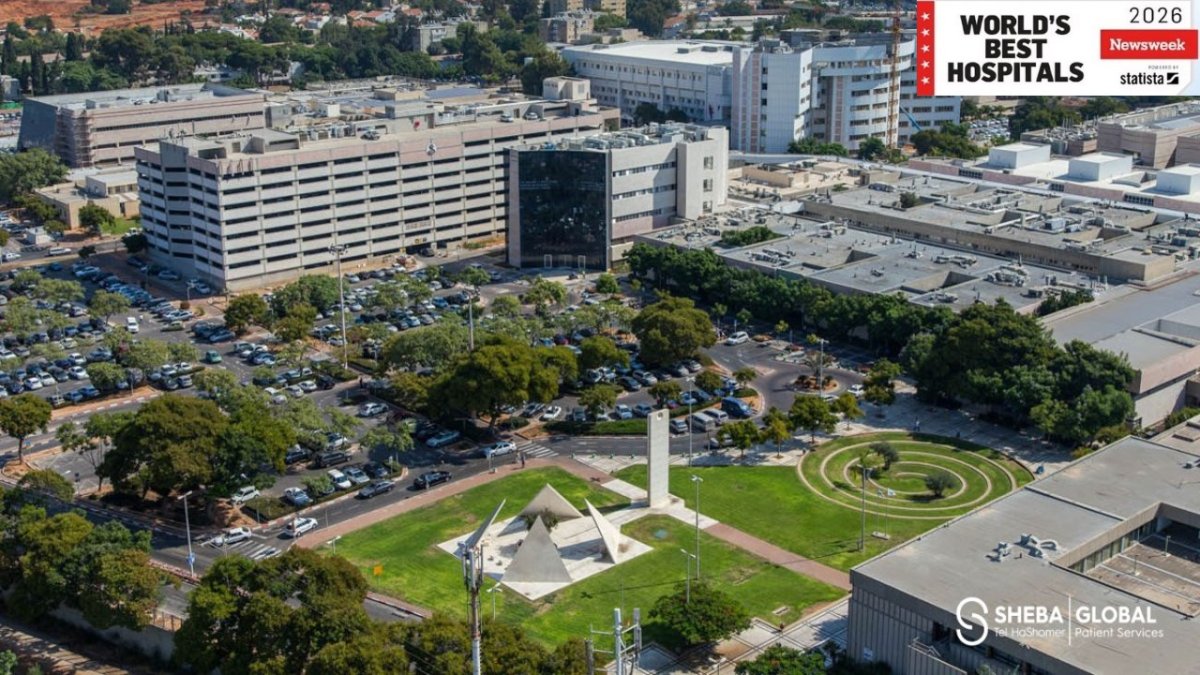













Sheba Tel HaShomer

Dental Clinic Dr. Mark Ratner
Los mejores centros médicos de Mamología en Israel
- Centro Médico Sheba, Israel
- Centro médico Sourasky, Israel
- Assuta Hospital en Israel, Israel
- Centro Médico Hadassah, Israel
- Rambam Medical Center, Israel
- Sheba Tel HaShomer, Israel
- Dental Clinic Dr. Mark Ratner, Israel
Obtenga una evaluación médica para en Israel: Elija su especialista entre los mejores en el campo
Ver todos los médicos
Dov Zippel
El profesor Dov Zippel es cirujano general y oncólogo quirúrgico. Está especializado en patología mamaria y melanoma. Dirige el Centro de Mama Meirav del Centro Médico Sheba. También ejerce en el Instituto Ella Lemelbaum de Inmuno-Oncología. En 2025, Forbes Israel lo incluyó en su lista de Mejores Médicos.
Experiencia: atención avanzada para tumores mamarios benignos y malignos. Cirugía mínimamente invasiva y conservadora de mama. Tratamiento quirúrgico del melanoma y otros cánceres de
Einat Shacham Shmueli
La Dra. Einat Shacham‑Shmueli es oncóloga médica sénior en la Clínica Gastrointestinal del Centro Oncológico del Centro Médico Sheba. Trata cánceres de colon, estómago y páncreas. También maneja la enfermedad metastásica. Emplea diagnósticos de precisión y biomarcadores, terapias sistémicas y radioterapia. La atención se brinda dentro de un equipo multidisciplinario.
Ha publicado más de 25 artículos revisados por pares sobre oncología gastrointestinal, biología tumoral y nuevos tratami

Oscar Aballay
Certificado tanto en medicina interna como en cardiología, el Dr. Aballay aporta más de 20 años de experiencia clínica al Centro Médico Sourasky.
- Se especializa en cardiología, neumología y medicina de cuidados críticos
- Trata un amplio espectro de enfermedades y afecciones médicas
- Ofrece consultas a pacientes tanto en español como en inglés
Compartir contenido
Historias en video de pacientes de Bookimed
 Olena Sikoza
Preguntas frecuentes sobre Mamología en Israel
¿Cómo minimizan los cirujanos plásticos israelíes las cicatrices visibles después de una cirugía de mama?
Los cirujanos plásticos israelíes minimizan las cicatrices visibles combinando sistemas mecánicos especializados de alivio de tensión con técnicas avanzadas de rejuvenecimiento láser y cierre por capas. Los especialistas utilizan innovaciones como el sistema TopClosure para reducir la tensión de la piel. Este enfoque evita cicatrices anchas o elevadas en instalaciones acreditadas por la JCI.
- Alivio mecánico de la tensión: Dispositivos como TopClosure y Wisebands aproximan los bordes de la piel sin presión excesiva.
- Colocación estratégica de la incisión: Los cirujanos ocultan las incisiones a lo largo de pliegues naturales como el surco inframamario.
- Gestión de la tensión interna: Los tejidos profundos se cierran primero para aliviar el estrés en la capa superficial.
- Terapia láser postoperatoria: Centros como el Sheba Medical Center utilizan láseres de CO2 para mejorar la textura de la cicatriz.
Perspectiva de expertos de Bookimed: Los centros médicos israelíes a menudo gestionan volúmenes masivos de pacientes; el Sheba Medical Center recibe más de 1.500.000 visitantes al año. Este alto volumen permite a los cirujanos perfeccionar los protocolos de reducción de cicatrices en diversos tipos de piel. Clínicas como el Assuta Medical Center ofrecen una selección personalizada de médicos, asegurando que los pacientes puedan elegir expertos es
¿Qué cualificaciones debe buscar un paciente extranjero al elegir un mamólogo o cirujano de mama en Israel?
Los pacientes deben priorizar a los cirujanos con certificación de la Asociación Médica de Israel (IMA) y al menos 15 años de experiencia. Busque una subespecialización en cirugía oncoplástica en centros acreditados por la Joint Commission International (JCI). Los hospitales de gran volumen como Sourasky o Sheba garantizan el acceso a equipos multidisciplinarios y tecnologías modernas.
- Certificación profesional: Verifique la licencia del Ministerio de Salud de Israel y el reconocimiento del Consejo Científico de la IMA.
- Experiencia clínica: Busque médicos senior en centros importantes con más de 15 años de práctica quirúrgica.
- Acreditación hospitalaria: Elija instalaciones con acreditación de la Joint Commission International (JCI) o clasificaciones de mejores hospitales de Newsweek.
- Dominio del idioma: Asegúrese de que el cirujano se encuentre entre el 92% de los médicos israelíes que hablan inglés con fluidez.
Perspectiva de expertos de Bookimed: Nuestros datos muestran una correlación entre el volumen quirúrgico y el tipo de centro. Los centros privados como Assuta realizan 92.000 cirugías al año. Sin embargo, los expertos afiliados al estado en Sourasky mantienen una tasa de éxito del 90% en oncología. Elegir un médico que trabaje en ambos tipos de instalaciones proporciona el mejor respaldo clínico.
Consenso de los p
¿Qué pruebas de imagen y diagnóstico preoperatorias se realizan a pacientes internacionales antes de una cirugía de mama en Israel?
Los pacientes internacionales que se someten a una cirugía de mama en Israel siguen un riguroso protocolo de diagnóstico que incluye mamografía digital y ecografía mamaria. Estas pruebas garantizan la precisión quirúrgica tanto en procedimientos oncológicos como estéticos. Centros de primer nivel como el Sheba Medical Center y el Sourasky Medical Center (Ichilov) utilizan tomosíntesis 3D y resonancia magnética.
- Estándares de imagen: La mamografía y la ecografía son obligatorias para todos los pacientes para mapear el tejido.
- Detección avanzada: La resonancia magnética del tórax identifica los límites del tumor o evalúa los implantes de silicona existentes.
- Pruebas de laboratorio: Los análisis de sangre completos, coagulogramas y análisis de orina evalúan la aptitud quirúrgica general.
- Autorización cardíaca: Un ECG es estándar para todos los pacientes que se someten a anestesia general.
- Revisión patológica: Los expertos israelíes deben volver a examinar cualquier portaobjetos de biopsia traído del extranjero.
Perspectiva del experto de Bookimed: Los hospitales israelíes a menudo requieren nuevas imágenes si sus escaneos actuales tienen más de 6 meses. Para evitar retrasos, los pacientes deben compartir informes recientes mediante telemedicina antes de viajar. Las principales instalaciones como el Sourasky Medica
¿Cuál es el cronograma típico de recuperación y el protocolo de cuidados posteriores para pacientes de cirugía mamaria tratadas en Israel?
La recuperación de la cirugía mamaria en Israel generalmente comienza con una estancia hospitalaria de 24 horas para el monitoreo inicial y el manejo del dolor. Las pacientes suelen volver a realizar actividades ligeras en un plazo de 2 semanas. La recuperación completa y el ejercicio sin restricciones generalmente ocurren entre 6 y 8 semanas después de la operación en instalaciones acreditadas por la JCI.
- Monitoreo hospitalario: La mayoría de las pacientes permanecen 24 horas para observación y manejo profesional del dolor.
- Movilidad temprana: Los protocolos clínicos fomentan caminar ligeramente el primer día para prevenir coágulos sanguíneos.
- Prendas de soporte: Los sujetadores quirúrgicos o las mangas de compresión son obligatorios durante aproximadamente 4 a 6 semanas.
- Niveles de actividad: Las pacientes a menudo reanudan el trabajo de escritorio no físico dentro de los 7 a 10 días posteriores a la cirugía.
Perspectiva del experto de Bookimed: Los centros israelíes como el Sourasky Medical Center y el Sheba Medical Center priorizan la eficiencia quirúrgica de alto volumen, lo que a menudo elimina la necesidad de drenajes postoperatorios. Este enfoque permite que muchas pacientes pasen a la atención ambulatoria más rápidamente. Nuestros datos muestran que las clínicas con más de 30,000 operaciones anuales a menudo proporcionan refere
¿Soy una candidata adecuada para una cirugía de mama en Israel si tengo antecedentes familiares de cáncer de mama o una mutación BRCA?
Las candidatas de alto riesgo con mutaciones BRCA o antecedentes familiares significativos son candidatas ideales para una cirugía de mama en Israel. Los centros israelíes se especializan en mastectomías profilácticas y vigilancia intensiva. Estas instalaciones utilizan pruebas genéticas avanzadas e imágenes por resonancia magnética (IRM) para gestionar el riesgo de manera efectiva tanto para la población asquenazí como para pacientes internacionales.
- Procedimientos disponibles: La mastectomía bilateral profiláctica y la reconstrucción con conservación del pezón son las principales opciones de reducción de riesgos.
- Estándares de diagnóstico: Los protocolos de detección incluyen una IRM de tórax anual y exámenes semestrales.
- Centros especializados: El Sheba Medical Center y el Rambam Medical Center ofrecen asesoramiento oncogenético multidisciplinario.
- Tiempo quirúrgico: Las cirugías preventivas suelen tener tiempos de espera cortos de 2 a 4 semanas.
Perspectiva del experto de Bookimed: Los hospitales israelíes como el Sourasky Medical Center y Assuta manejan volúmenes masivos de pacientes, realizando entre 30,000 y 90,000 operaciones al año. Esta alta frecuencia significa que los equipos quirúrgicos son excepcionalmente rápidos para identificar patrones de tejido denso comunes en grupos de alto riesgo. Los pacientes a menudo pueden comb
¿Se puede realizar la cirugía de forma ambulatoria y qué nivel de apoyo en hoteles o centros de recuperación se recomienda para los turistas?
La mayoría de los procedimientos de mamología en Israel se realizan de forma ambulatoria. Los pacientes que reciben una tumorectomía a menudo pueden regresar a su alojamiento el mismo día. Las cirugías mayores, como las mastectomías, generalmente requieren una estancia hospitalaria de 3 días. Los centros acreditados por la JCI en Tel Aviv brindan apoyo especializado para pacientes internacionales.
- Elegibilidad para el procedimiento: Los cirujanos evalúan el historial médico antes de aprobar el alta el mismo día.
- Tipo de alojamiento: Los hoteles de 3 o 4 estrellas permiten una recuperación cómoda.
- Proximidad: Manténgase a menos de 20 minutos de la clínica para los seguimientos.
- Duración del apoyo: Los turistas generalmente necesitan de 1 a 2 semanas de apoyo para la recuperación.
Opinión de expertos de Bookimed: Las clínicas privadas israelíes como el Centro Médico Assuta realizan más de 92,000 operaciones al año. Este alto volumen les permite ofrecer tipos de habitaciones flexibles. Los pacientes pueden elegir entornos de recuperación que se adapten a sus necesidades específicas. Los grandes centros en Tel Aviv también ofrecen departamentos internacionales dedicados para cerrar las brechas de comunicación durante la atención posoperatoria.
Consenso de los pacientes: Los pacientes recomiendan elegir hoteles con ac
¿Viajar demasiado pronto después de una cirugía aumenta el riesgo de complicaciones en vuelos de larga distancia?
Viajar demasiado pronto después de una cirugía aumenta significativamente los riesgos como la trombosis venosa profunda (TVP) y la embolia pulmonar durante los vuelos largos. Los factores de estrés físico en las cabinas de los aviones pueden afectar la cicatrización de las heridas o hacer que las suturas se abran. Los pacientes deben esperar al menos de 3 a 6 semanas antes de volar a casa.
- Riesgo de coagulación: La inmovilidad prolongada y el estado postquirúrgico aumentan la posibilidad de coágulos sanguíneos peligrosos.
- Integridad de la herida: Las fluctuaciones de presión en la cabina pueden provocar necrosis tisular o que los puntos de sutura se suelten durante el tránsito.
- Control de la hinchazón: La deshidratación y los cambios de altitud a menudo empeoran el edema postoperatorio y causan dolor intenso.
- Acceso médico: No hay atención especializada disponible durante el vuelo si ocurren complicaciones como hemorragias graves o embolias.
Perspectiva del experto de Bookimed: Los centros israelíes como el Sourasky Medical Center informan una tasa de éxito del 90% en oncología, pero la geografía afecta la logística de recuperación. Dado que los principales centros como Sheba o Hadassah atienden a más de 1,000,000 de pacientes al año, a menudo tienen protocolos dedicados para las salidas internacionales. Los datos sugieren que reservar
¿Por qué Israel es uno de los principales destinos para la neurocirugía?
Israel es un centro líder en neurocirugía gracias a su combinación de avances médicos de alta tecnología y una experiencia quirúrgica de primer nivel. Instalaciones avanzadas como el Centro Médico Sheba utilizan sistemas de navegación basados en IA y resonancia magnética intraoperatoria en tiempo real. Centros especializados reportan una tasa de éxito del 98% en procedimientos complejos, como la craneotomía con el paciente despierto y el tratamiento de trastornos del movimiento.
- Tecnología avanzada: Las clínicas utilizan ultrasonido enfocado guiado por resonancia magnética (MRgFUS) y sistemas robóticos para realizar incisiones.
- Experiencia quirúrgica: Cirujanos como el Dr. Zvi Ram lideran asociaciones internacionales con más de 25 años de experiencia.
- Acceso rápido: Los pacientes internacionales generalmente pueden programar cirugías complejas de cerebro o columna en un plazo de 2 a 4 semanas.
- Atención médica acreditada: Grandes centros como Sourasky (Ichilov) y Assuta están acreditados por la JCI, lo que confirma su seguridad.
Opinión experta de Bookimed: Los datos muestran una clara diferencia entre las opciones de tratamiento públicas y privadas en Israel. Centros privados, como el Centro Médico Assuta, realizan más de 92.000 cirugías al año y permiten a los pacientes elegir a un cirujano líder específico. Esto supone una ventaja signi
¿Qué tipos de enfermedades neuroquirúrgicas se tratan en Israel?
Los neurocirujanos israelíes tratan una amplia gama de afecciones, desde tumores cerebrales y de médula espinal hasta trastornos funcionales complejos. Los centros especializados utilizan tecnologías de vanguardia, como el bisturí de rayos gamma, la estimulación cerebral profunda y la resonancia magnética intraoperatoria, para un diagnóstico altamente preciso de la epilepsia, la enfermedad de Parkinson y las patologías cerebrovasculares.
- Enfermedades oncológicas: tratamiento de gliomas, meningiomas y tumores hipofisarios mediante resección de la base del cráneo.
- Trastornos funcionales: tratamiento de la enfermedad de Parkinson y del temblor esencial mediante estimulación cerebral profunda.
- Patologías de columna: corrección de escoliosis, hernias discales y tumores espinales mediante sistemas robóticos.
- Tratamiento de las enfermedades cerebrovasculares: tratamiento quirúrgico de aneurismas cerebrales y malformaciones arteriovenosas mediante intervenciones endovasculares.
- Neurocirugía pediátrica: atención especializada en hidrocefalia y anomalías congénitas en centros pediátricos especializados.
Opinión experta de Bookimed: Los hospitales israelíes suelen combinar diversas especialidades para abordar casos complejos. En el Centro Médico Sourasky, neurocirujanos como el Dr. Zvi Lidar combinan neurocirugía y ortopedi
¿Qué hospitales en Israel son más conocidos por sus departamentos de neurocirugía?
Israel alberga centros neuroquirúrgicos de renombre mundial, como el Centro Médico Sourasky, el Centro Médico Sheba y el Centro Médico Hadassah. Estas instituciones son líderes mundiales en el tratamiento de tumores cerebrales complejos, enfermedades de la columna vertebral y trastornos del movimiento. Utilizan tecnologías de vanguardia como el bisturí de rayos gamma, sistemas robóticos y resonancia magnética intraoperatoria.
- Suraski (Ichilov): realiza más de 2.500 operaciones neuroquirúrgicas al año en Tel Aviv con una tasa de éxito del 98%.
- Centro Médico Sheba: clasificado entre los diez mejores hospitales del mundo, trata a 1,9 millones de pacientes al año.
- Centro Médico Hadassah: Nominado al Premio Nobel de la Paz. Líder en neurocirugía pediátrica y terapia génica.
- Centro Médico Assuta: el centro médico privado más grande de Israel. Especializado en cirugías mínimamente invasivas de columna y cerebro.
- Hospital Infantil Schneider: un centro líder en neurocirugía pediátrica que trata a 275.000 niños al año.
Opinión experta de Bookimed: Nuestros datos muestran que, si bien la mayoría de los pacientes buscan tratamiento en Tel Aviv, el Centro Médico Rambam en Haifa ofrece una atención única para neurotraumatismos. Cuenta con una unidad especializada en cuidados neurocríticos que atiende a aproximadamente un milló